
La visione della stella a tre raggi
Era la calda estate del 1513 e papa Leone X de’ Medici era salito al soglio pontificio solo da qualche mese. La notte faticavo a dormire, l’afa non mi lasciava tregua.
Spesso mi mettevo nell’orto a guardar le stelle mentre una leggera brezza m’accarezzava la barba. Sistemavo un materasso a terra sull’erba, mi ci sdraiavo sopra nella speranza che il sonno mi cogliesse di sorpresa. In casa non c’era verso di dormire: mi toccava sudare anche l’anima.
Una sera di queste, mentre cercavo refrigerio sotto le stelle, ebbi una visione. All’improvviso apparve nel cielo una stella con tre raggi, come se fosse una cometa a tre code. Era impossibile non vederla: grande come nessun astro del cielo e luminosissima.
La vicenda a dire il vero non me la ricordo più ma ne tenne memoria in un suo scritto Benedetto Luschino, un frate, fanatico seguace del Savonarola. Riportò il racconto nel suo libro dal titolo Vulnera Diligentis, scritto dalle prigioni del convento di San Marco. E si, era un frate ma non un santo: finì in gattabuia per aver ammazzato un tale che ragionava male del Savonarola.

Luschino scrisse che l’astro comparso all’improvviso aveva una coda color argento come fosse una spada orientata verso oriente, una color rosso sangue che indicava Roma e l’altra che pareva di fuoco allungata in direzione di Firenze.
Pareva essere una premonizione di rovina per l’Italia, Roma e Firenze.
Appena ebbi quella visione volli dipingerla. Entrai in casa per cercare pennelli, colori e tela e tornai fuori. Mi mii al lavoro e appena terminato di fissare quell’immagine, la visione scomparve tanto velocemente quanto era apparsa.

Che il savonaroliano si sia inventato tutto? Mi pare strano. Fatto sta che nessuno scrisse o riportò mai di aver visto quel dipinto, o disegno che fosse. Potrei aver avuto nel dormiveglia una visione simile o magari chissà, potrebbe essere stato un fenomeno atmosferico ai giorni vostri raro ma spiegabilissimo.
Per il momento il vostro Michelangelo Buonarroti vi saluta dandovi appuntamento ai prossimi post e sui social.
The vision of the three-rayed star
It was the hot summer of 1513 and Pope Leo X de’ Medici had only ascended the papal throne a few months ago. At night I struggled to sleep, the sultriness left me no respite.
I often sat in the garden looking at the stars while a light breeze caressed my beard. I placed a mattress on the grass, lay down on it in the hope that sleep would take me by surprise. There was no way to sleep at home: I had to sweat even my soul.
One of these evenings, while seeking refreshment under the stars, I had a vision. Suddenly a star with three rays appeared in the sky, as if it were a three-tailed comet. It was impossible not to see her, as big as any star in the sky and very bright.
To tell the truth, I no longer remember the story but he remembered it in one of his writings by Benedetto Luschino, a friar, a fanatical follower of Savonarola. He reports the story in his book entitled Vulnera Diligentis, written by the prisons of the convent of San Marco. And yes, he was a friar but not a holy man: he ended up in jail for having killed a man who reasoned badly about Savonarola.
Luschino writes that the star that suddenly appeared had a silver-colored tail as if it were a sword oriented towards the east, one blood-red that indicated Rome and the other that looked like fire stretched in the direction of Florence.
It seemed to be a premonition of doom for Italy, Rome and Florence.
As soon as I had that vision I wanted to paint it and I went into the house to get what I needed. I went back outside and got to work but, as soon as I finished fixing that image on the canvas, the vision disappeared as quickly as it had appeared.
Did the Savonarolian man make it all up? It seems strange to me. The fact is that no one ever wrote or reported having seen that painting or drawing. I may have had a similar vision while half asleep or maybe who knows, it could have been a rare but very explainable atmospheric phenomenon in your day. Maybe.
For the moment, your Michelangelo Buonarroti greets you by making an appointment for the next posts and on social media.

Sostienici – Support Us
Se questo blog ti piace e ti appassiona, puoi aiutarci a farlo crescere sempre più sostenendoci in modo concreto condividendo i post, seguendo le pagine social e con un contributo che ci aiuta ad andare avanti con il nostro lavoro di divulgazione. . ENGLISH: If you like and are passionate about this blog, you can help us make it grow more and more by supporting us in a concrete way by sharing posts, following social pages and with a contribution that helps us to move forward with our dissemination work.
5,00 €
-
Il mio primo soggiorno a Bologna e l’incontro con Giovan Francesco Aldrovandi
🇮🇹Fuggii da Firenze a soli 19 anni. Senza certezze, senza protezioni. Solo con il mio talento. A Bologna trovai rifugio nella casa di Giovan Francesco Aldrovandi… 🇬🇧I fled Florence at just 19. Without certainties, without protection. Only with my talent. In Bologna, I found refuge in the home of Giovan Francesco Aldrovandi…
-
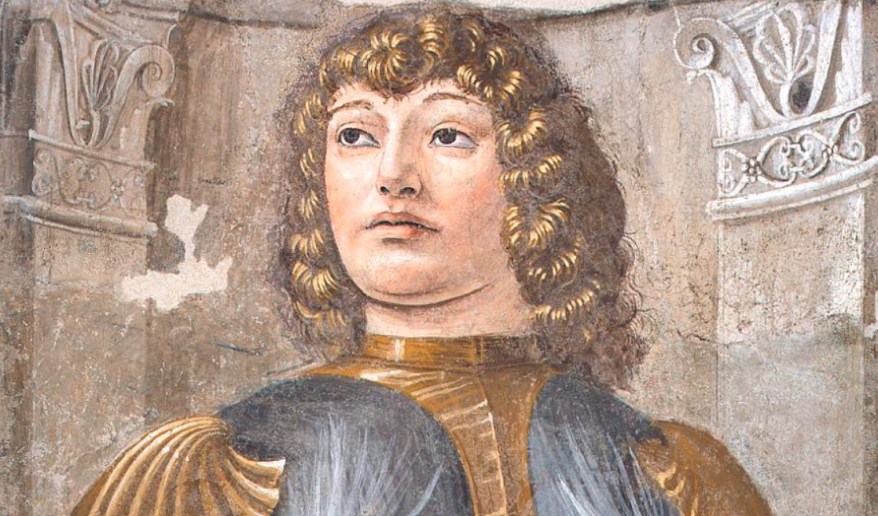
11 aprile 1514: muore Donato Bramante, il genio della scala elicoidale
🇮🇹Era l’11 aprile 1514 quando Donato Bramante morì a Roma. La sua scomparsa non cancellò però le tensioni, le rivalità e i giudizi contrastanti che avevano accompagnato tutta la sua carriera… 🇬🇧It was April 11, 1514, when Donato Bramante died in Rome. His passing, however, did not erase the tensions, rivalries, and conflicting opinions that…
-
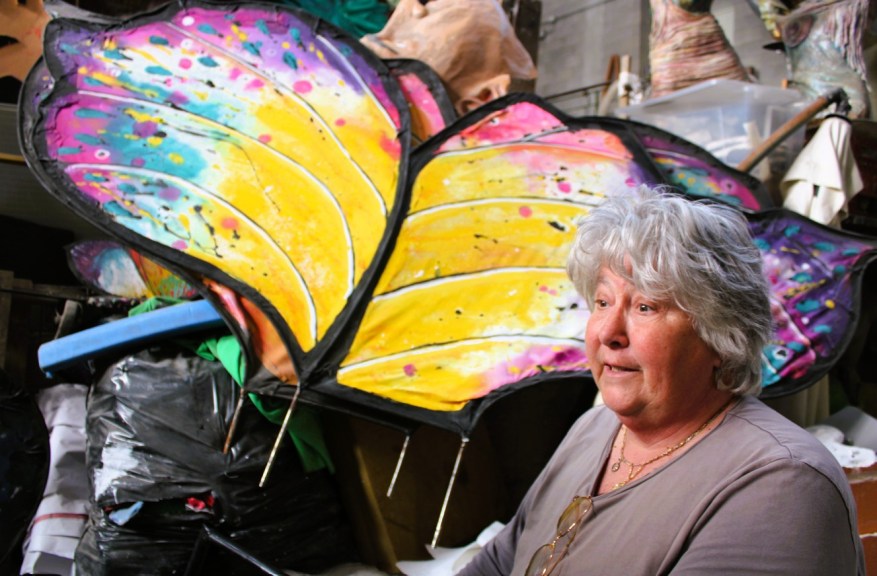
Dentro l’hangar 12 del Carnevale di Viareggio: dove la cartapesta prende vita con Marzia Etna
🇮🇹Ho incontrato Marzia Etna, maestra carrista da 40 anni: mentre racconta, le brillano gli occhi. E capisci subito una cosa: questo non è solo un lavoro, è vita tra carta a calco, ferro e sogni… 🇬🇧I met Marzia Etna, a master float builder for 40 years: her eyes sparkle as she talks. And you immediately…
Condividi:


Questo sono io





sostienici

Sostienici – Support Us
Se questo blog ti piace e ti appassiona, puoi aiutarci a farlo crescere sempre più sostenendoci in modo concreto condividendo i post, seguendo le pagine social e con un contributo che ci aiuta ad andare avanti con il nostro lavoro di divulgazione. . ENGLISH: If you like and are passionate about this blog, you can help us make it grow more and more by supporting us in a concrete way by sharing posts, following social pages and with a contribution that helps us to move forward with our dissemination work.
€10,00


