
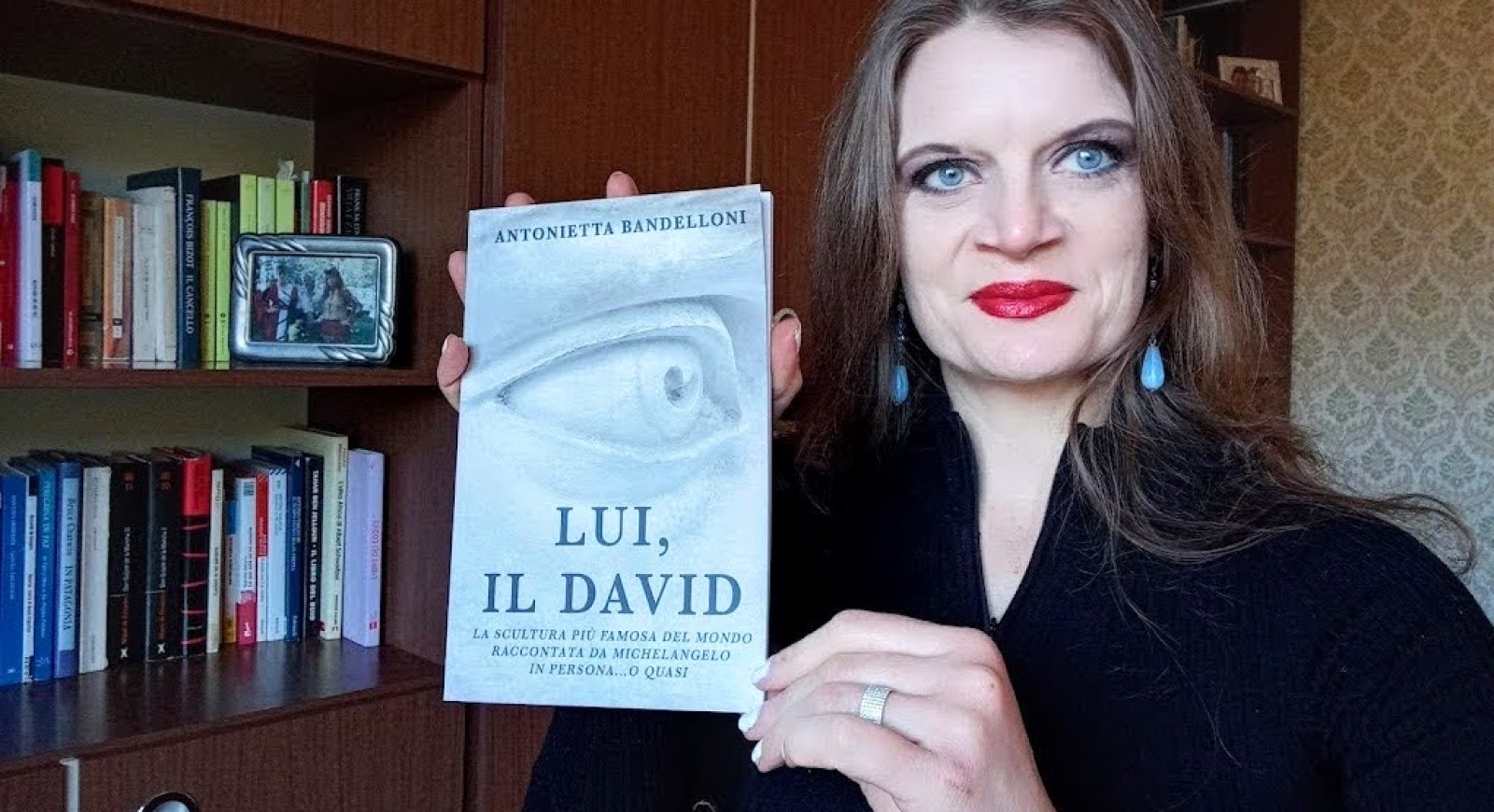
Il mio oroscopo scritto dal più illustre astrologo del Rinascimento
L’astrologia è qualcosa di molto lontano da me e di poco comprensibile. Ciò nonostante ci fu chi osò farmi un quadro astrale e un dettagliato oroscopo.
Il tale che si lanciò nell’impresa era non era uno a caso ma Luca Gaurico, il più celebre astrologo di tutto il Rinascimento. Era nato pochi giorni dopo di me. Io ero venuto al mondo il 6 marzo del 1475 e lui il 12 marzo dello stesso anno.
Nel suo Tractatus Astrologicus inserì anche il mio quadro astrale. Io e Albrecht Dürer siamo stati gli unici artisti a cui ha reso omaggio nel volume dato alle stampe nel 1522.
Stando a quanto raccontato da Gaurico, gli influssi positivi di Mercurio, Venere e Giove avrebbero contribuito in modo non trascurabile a forgiare quel genio che oggi tutti conoscete.

Il Vasari nella prima edizione delle Vite del 1550 fa riferimento alla “benignità delle stelle” nei miei confronti. Un’idea poi ripresa e rielaborata a modo suo dal Condivi:
“Gran natività certamente, e che già dimostrava quanto dovessi essere il fanciullo e di quanto ingegno, percioché, avendo Mercurio con Venere in seconda nella casa di Giove ricevuto con benigno aspetto, prometteva quel che è poi seguito, che tal parto dovessi essere di nobile e alto ingegno, da riuscire universalmente in qualunque impresa, ma principalmente in quelle arti che dilettano il senso, come pittura, scultura, architettura…”
Visto che il Condivi diede alle stampe la mia biografia nel 1553, diversi anni dopo la pubblicazione del Tractatus Astrologicus di Gaurico, è molto probabile che lo abbia ripreso per scrivere l’oroscopo mio. Non si spiegherebbe altrimenti la coincidenza dei due quadri astrologici dato che il Condivi di costellazioni ne sapeva quanto me.
Per il momento il vostro Michelangelo Buonarroti e i suoi racconti.
My horoscope written by the most illustrious astrologer of the Renaissance
Astrology is something very far from me and hard to understand. Nevertheless, there were those who dared to make me an astral picture and a detailed horoscope.
The guy who launched into the enterprise was not one by chance but Luca Gaurico, the most famous astrologer of the entire Renaissance. He was born a few days after me. I had come into the world on 6 March 1475 and he on 12 March of the same year.
In his Tractatus Astrologicus he also inserts my astral picture. Albrecht Dürer and I were the only artists to whom he paid homage in the volume printed in 1522.
According to what Gaurico told us, the positive influences of Mercury, Venus and Jupiter would have contributed in a not inconsiderable way to forging that genius that you all know today.
Even Vasari in the first edition of the Lives of 1550 refers to the “kindness of the stars” towards me. An idea then picked up and reworked in his own way by Condivi:
“Certainly a great nativity, and which already showed who the child would become and how much ingenuity he had. He had Mercury with Venus in second position in the house of Jupiter and this promised what then happened – That birth could only be of noble and high ingenuity, to be universally successful in any undertaking, but mainly in those arts that delight the sense, such as painting , sculpture, architecture … “
Since Condivi printed my biography in 1553, several years after the publication of Gaurico’s Tractatus Astrologicus, it is very likely that he used it to write my horoscope. The coincidence of the two astrological pictures would not be explained otherwise, since the Constellation share knew as much as I did.
For the moment your Michelangelo Buonarroti and his stories.

Sostienici – Support Us
Se questo blog ti piace e ti appassiona, puoi aiutarci a farlo crescere sempre più sostenendoci in modo concreto condividendo i post, seguendo le pagine social e con un contributo che ci aiuta ad andare avanti con il nostro lavoro di divulgazione. . ENGLISH: If you like and are passionate about this blog, you can help us make it grow more and more by supporting us in a concrete way by sharing posts, following social pages and with a contribution that helps us to move forward with our dissemination work.
5,00 €
-
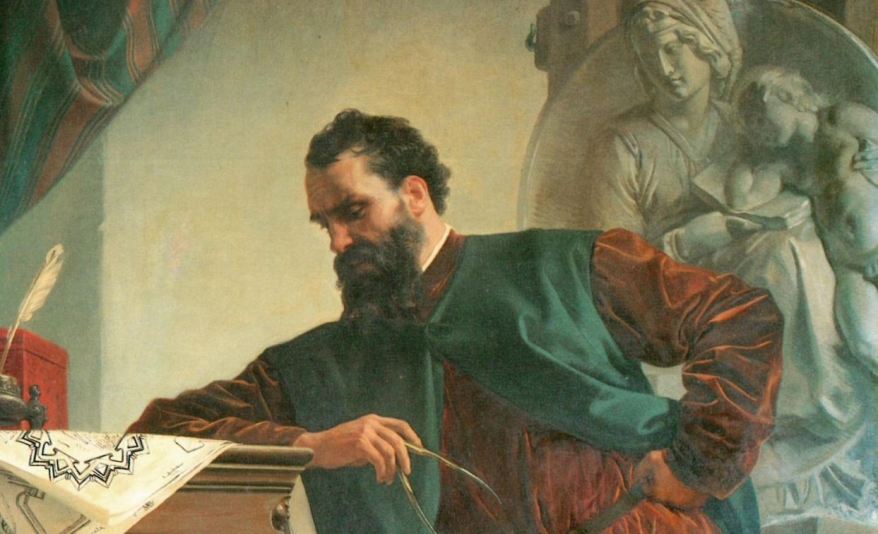
La fine dell’originalità: perché oggi tutta l’arte sembra già vista
🇮🇹La sensazione è sempre la stessa: guardiamo un quadro, una scultura o un’installazione e pensiamo “L’ho già visto da qualche parte”. Ma è davvero la fine dell’originalità? … 🇬🇧The feeling is always the same: we look at a painting, a sculpture, or an installation and think, “I’ve seen this before.” But is this really the…
-
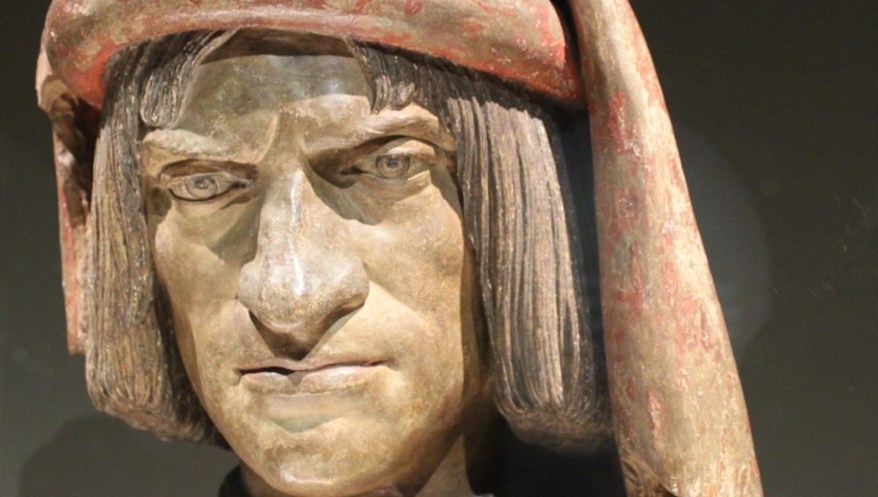
8 aprile 1492: la morte di Lorenzo il Magnifico, l’uomo che fece grande il Rinascimento
🇮🇹8 aprile 1492: si spegne Lorenzo il Magnifico, il cuore pulsante del Rinascimento. Alle quattro del mattino Firenze perde il suo signore, mecenate e poeta… 🇬🇧April 8, 1492: Lorenzo the Magnificent, the beating heart of the Renaissance, passes away. At four in the morning, Florence loses its lord, patron, and poet…
-
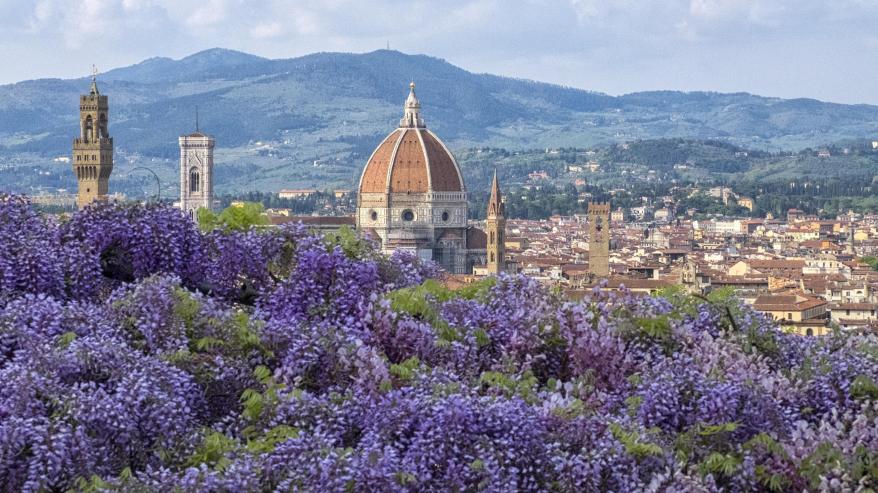
Sotto un cielo di glicine: la magia di Villa Bardini
🇮🇹Per pochi giorni all’anno, il pergolato di Villa Bardini si trasforma in un tunnel lilla lungo 70 metri, dove profumo e bellezza si intrecciano sopra una delle viste più romantiche di Firenze… 🇬🇧For a few days a year, the pergola of Villa Bardini transforms into a 70-meter-long lilac tunnel, where scent and beauty intertwine above…
Condividi:


Questo sono io





sostienici

Sostienici – Support Us
Se questo blog ti piace e ti appassiona, puoi aiutarci a farlo crescere sempre più sostenendoci in modo concreto condividendo i post, seguendo le pagine social e con un contributo che ci aiuta ad andare avanti con il nostro lavoro di divulgazione. . ENGLISH: If you like and are passionate about this blog, you can help us make it grow more and more by supporting us in a concrete way by sharing posts, following social pages and with a contribution that helps us to move forward with our dissemination work.
€10,00


