
Come Giovanni Papini descrisse la Pietà Vaticana
Il poeta, intellettuale e saggista Giovanni Papini, deceduto nel per sclerosi laterale amiotrofica nel luglio del 1959, dedicò mirabili parole alla Pietà Vaticana facendo riferimento al composto ma straziante dolore che racconta attraverso la materia.
Un autore immeritatamente dimenticato il Papini, come affermò lo scrittore argentino Jorge Luis Borges.
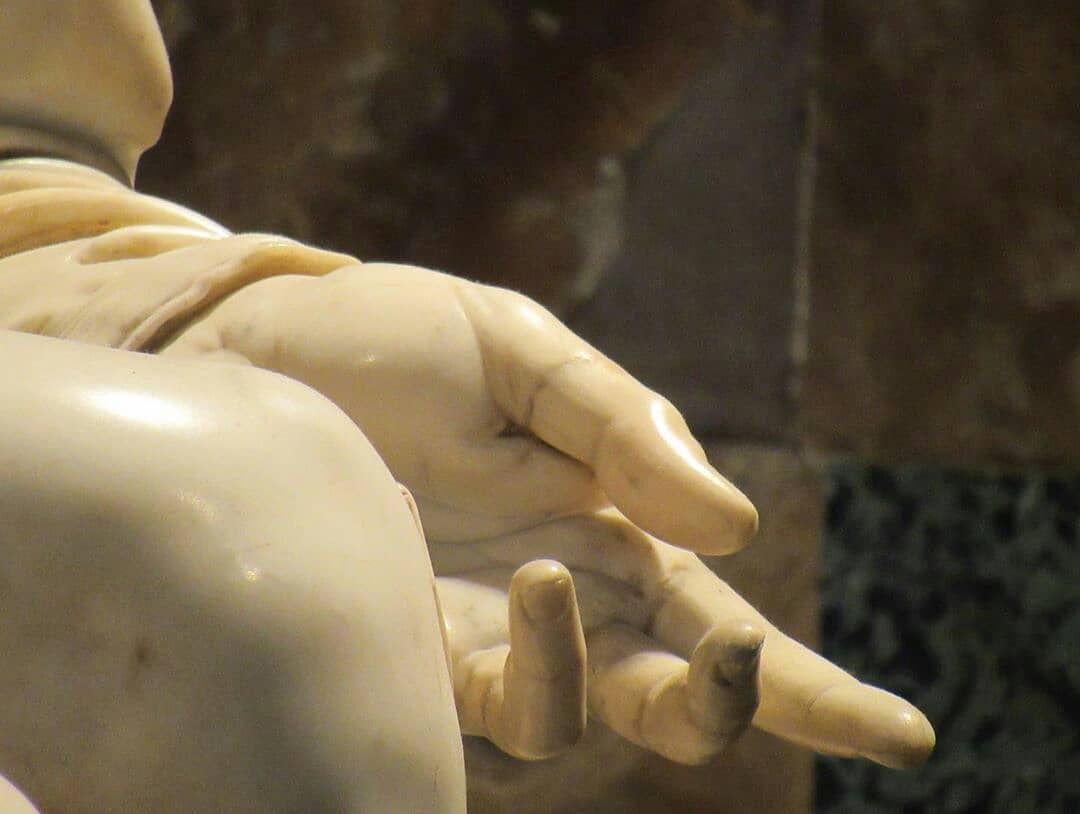
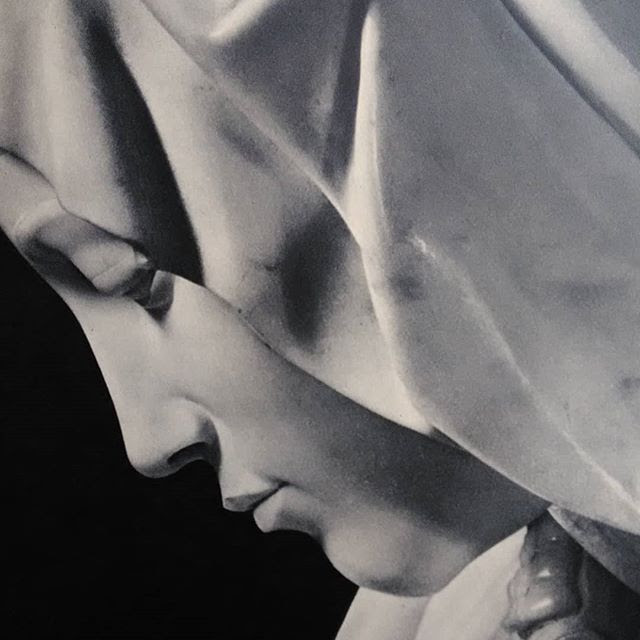
“Con questa Pietà il Buonarroti s’è trasferito tutto nella luce cristiana della Passione. Il volto verginale della Vergine, reclinato verso la spenta umanità del Figliuolo, parla in quella sua silenziosa e pallida fermezza un linguaggio che tocca il fondo delle anime. V’è dolore ma quasi trattenuto e contenuto da qualcosa ch’è più forte della stessa angoscia materna; v’è una mestizia soave non sfigurata da nessun elemento troppo umani; v’è la bellezza casta della donna giovane ma così pura che sembra il riflesso di un mondo che non è ancora il cielo ma non è più la terra.
La Madonna tiene in grembo il Figlio con lo stesso atteggiamento di tenerezza di quando era bambino ma il viso non è più lieto come allora e la mano sinistra, invece di essere intenta alla carezza, è distesa di fuori, con la palma aperta, come quella d’una povera che chiede la carità.”
Per il momento il vostro Michelangelo Buonarroti vi saluta dandovi appuntamento ai prossimi post e sui social
As Giovanni Papini described the Vatican Pietà
The poet, intellectual and essayist Giovanni Papini, who died in amyotrophic lateral sclerosis in July 1959, dedicated admirable words to the Vatican Pietà referring to the compound but excruciating pain that he recounts through matter.
Papini was an undeservedly forgotten author, as argued by the Argentine writer Jorge Luis Borges.
“With this Pietà, Buonarroti transferred everything to the Christian light of the Passion. The virginal face of the Virgin, reclined towards the dull humanity of the Son, speaks in her silent and pale firmness a language that touches the depths of souls. There is pain but almost held back and contained by something that is stronger than the same maternal anguish; there is a sweet sadness not disfigured by any too human elements; there is the chaste beauty of the young woman but so pure that it seems the reflection of a world that is not yet the sky but is no longer the earth.
The Madonna holds her Son in her lap with the same attitude of tenderness as when she was a child but her face is no longer happy as it was then and the left hand, instead of being intent on caressing, is stretched out, with the palm open, like that of a poor woman who asks for charity. “
For the moment, your Michelangelo Buonarroti greets you by giving you an appointment at the next posts and on social networks

Sostienici – Support Us
Se questo blog ti piace e ti appassiona, puoi aiutarci a farlo crescere sempre più sostenendoci in modo concreto condividendo i post, seguendo le pagine social e con un contributo che ci aiuta ad andare avanti con il nostro lavoro di divulgazione. . ENGLISH: If you like and are passionate about this blog, you can help us make it grow more and more by supporting us in a concrete way by sharing posts, following social pages and with a contribution that helps us to move forward with our dissemination work.
5,00 €
-
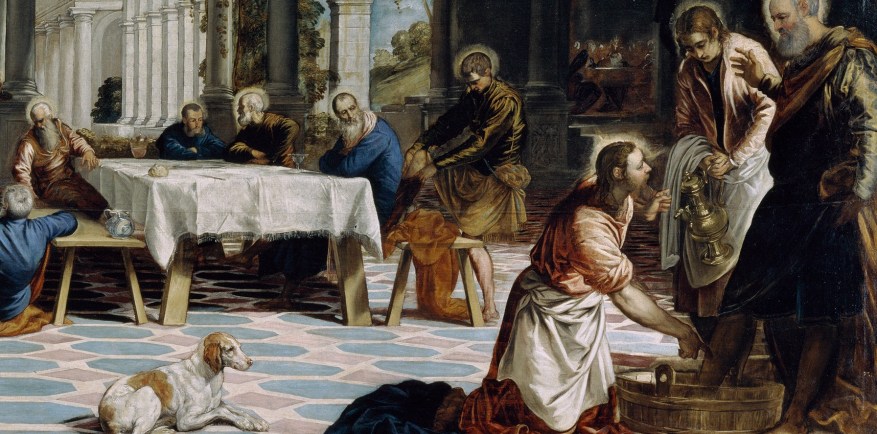
La Lavanda dei Piedi di Tintoretto: Il Capolavoro Veneziano al Prado
🇮🇹Tra i capolavori più affascinanti del Rinascimento veneziano, “La Lavanda dei Piedi” di Jacopo Tintoretto rappresenta un perfetto equilibrio tra spiritualità, innovazione compositiva e straordinaria forza narrativa… 🇬🇧Among the most fascinating masterpieces of the Venetian Renaissance, Jacopo Tintoretto’s “The Washing of the Feet” represents a perfect balance between spirituality, compositional innovation, and extraordinary narrative force…
-
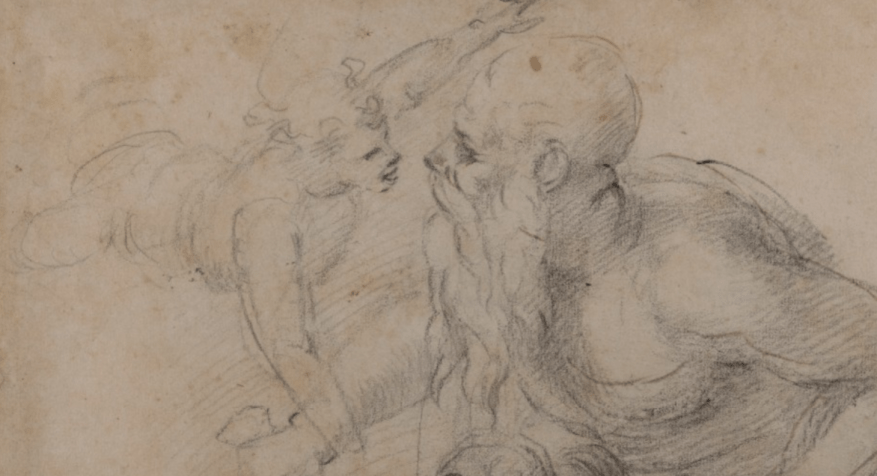
Il Sacrificio di Isacco e quel momento tra la vita e la morte
🇮🇹Oggi voglio raccontarvi alcuni dettagli sul mio disegno del Sacrificio di Isacco, conservato oggi a Casa Buonarroti. Su quel foglio volli tracciare il momento preciso in cui la paura fa spazio al miracolo… 🇬🇧Today I want to tell you some details about my drawing of the Sacrifice of Isaac, now preserved at Casa Buonarroti. On…
-
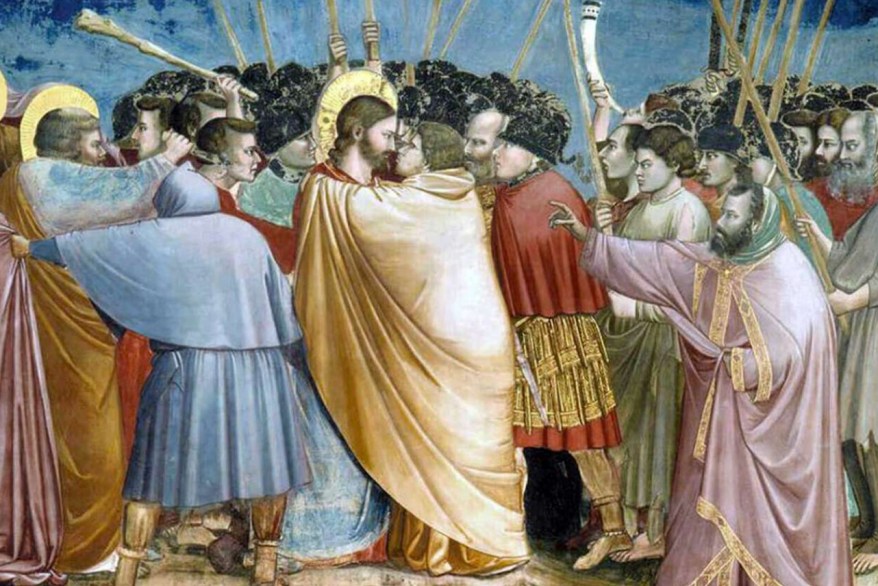
Mercoledì Santo: il giorno del tradimento di Giuda affrescato da Giotto
🇮🇹Il Mercoledì Santo è il giorno del silenzio, della riflessione e del tradimento. È il momento in cui Giuda sceglie di vendere Gesù per trenta denari, segnando uno dei passaggi più dolorosi della Settimana Santa…. 🇬🇧Holy Wednesday is a day of silence, reflection, and betrayal. ✝It is the moment when Judas chooses to sell Jesus…
Condividi:


Questo sono io





sostienici

Sostienici – Support Us
Se questo blog ti piace e ti appassiona, puoi aiutarci a farlo crescere sempre più sostenendoci in modo concreto condividendo i post, seguendo le pagine social e con un contributo che ci aiuta ad andare avanti con il nostro lavoro di divulgazione. . ENGLISH: If you like and are passionate about this blog, you can help us make it grow more and more by supporting us in a concrete way by sharing posts, following social pages and with a contribution that helps us to move forward with our dissemination work.
€10,00


