
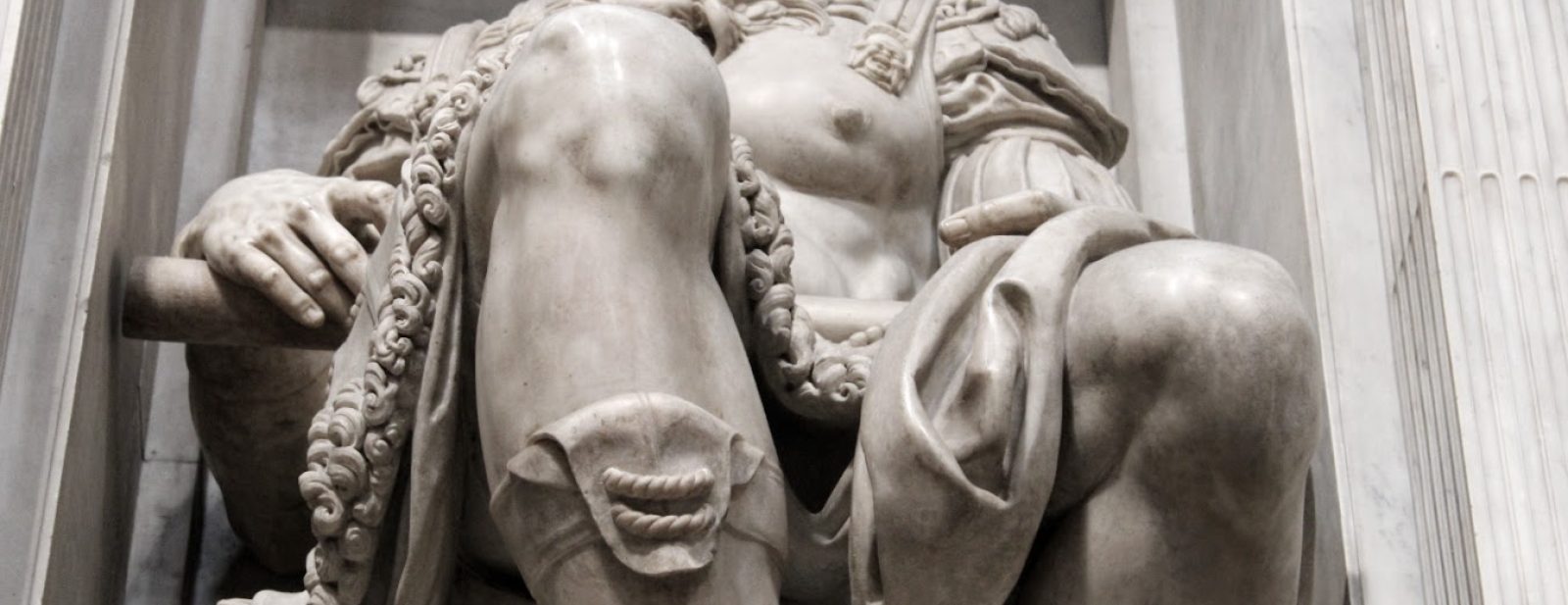
Gli studi anatomici degli scorticati
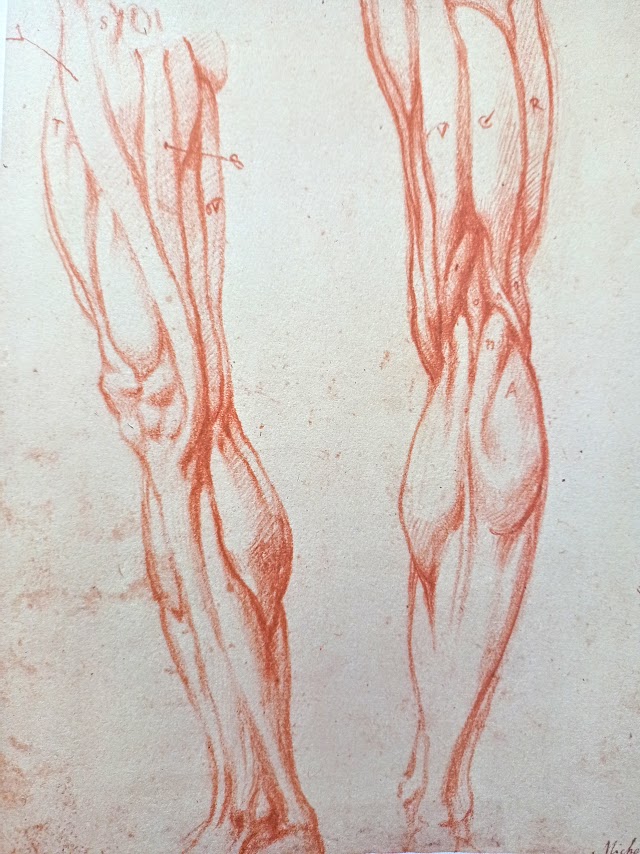
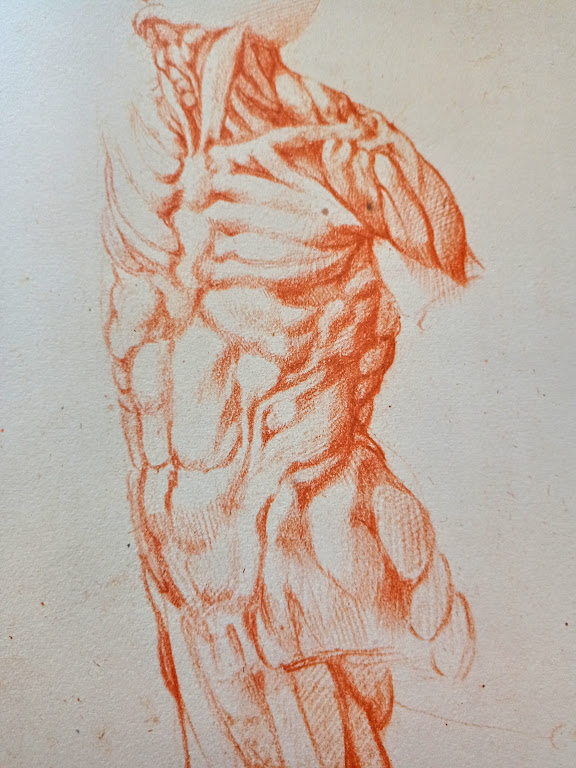
Vi siete mai chiesti se esistono ancora i fogli sui quali tracciai gli studi dei corpi scorticati? Esistono eccome e si trovano a Casa Buonarroti, al Louvre, al Teylers Museum e presso il Windsor Castle .
La datazione di questi fogli però ancora è dibattuta.
C’è chi come van Regteren Altena li colloca prima del 1500 e chi invece propende a dargli una datazione successiva di circa cinque o sei anni come Hartt o Tolnay.
Fatto sta che tutti questi disegni di parti del corpo scorticate mostrano con quanta accuratezza riproducevo su carta i corpi che studiavo. In alcuni si vedono delle lettere che indicano specifici muscoli.

Lo studio dal vero dell’anatomia per me fu fondamentale per riprodurre in scultura, nel disegno e nella pittura corpi fedeli a quelli veri, con muscolature, tendini e ossa in pose credibili.
Per il momento il vostro Michelangelo Buonarroti vi saluta dandovi appuntamento ai prossimi post e sui social.
Anatomical studies of the flayed
Have you ever wondered if the sheets on which I drew the studies of the skinned bodies still exist? They exist and are found in Casa Buonarroti, the Louvre, the Teylers Museum and Windsor Castle.
However, the dating of these sheets is still debated.
There are those like van Regteren Altena who place them before 1500 and those who instead tend to give them a later date of about five or six years like Hartt or Tolnay.
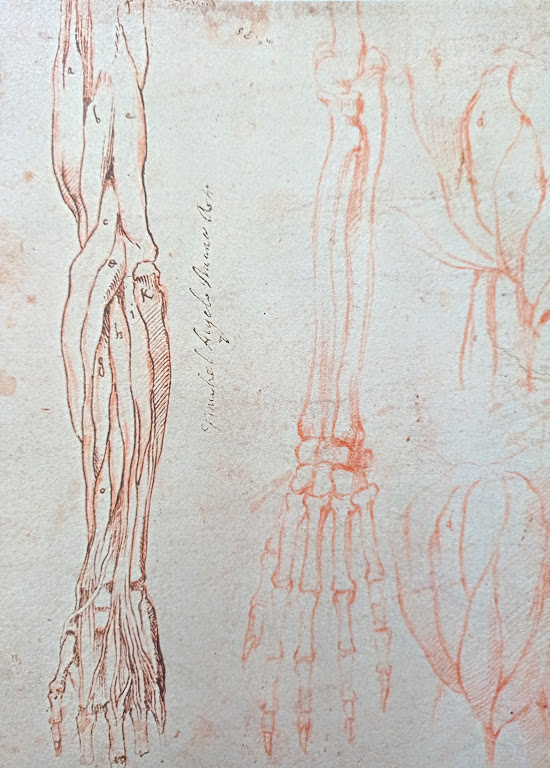
The fact is that all these drawings of skinned parts of the body show how accurately I reproduced the bodies I studied on paper. In some you see letters indicating specific muscles.
The study of anatomy from life was fundamental for me to reproduce bodies faithful to real ones in sculpture, drawing and painting, with muscles, tendons and bones in credible poses.
For the moment, your Michelangelo Buonarroti greets you by giving you an appointment at the next posts and on social networks.

Sostienici – Support Us
Se questo blog ti piace e ti appassiona, puoi aiutarci a farlo crescere sempre più sostenendoci in modo concreto condividendo i post, seguendo le pagine social e con un contributo che ci aiuta ad andare avanti con il nostro lavoro di divulgazione. . ENGLISH: If you like and are passionate about this blog, you can help us make it grow more and more by supporting us in a concrete way by sharing posts, following social pages and with a contribution that helps us to move forward with our dissemination work.
5,00 €
-
6 aprile 1520: la morte di Raffaello Sanzio e la nascita di un mito immortale
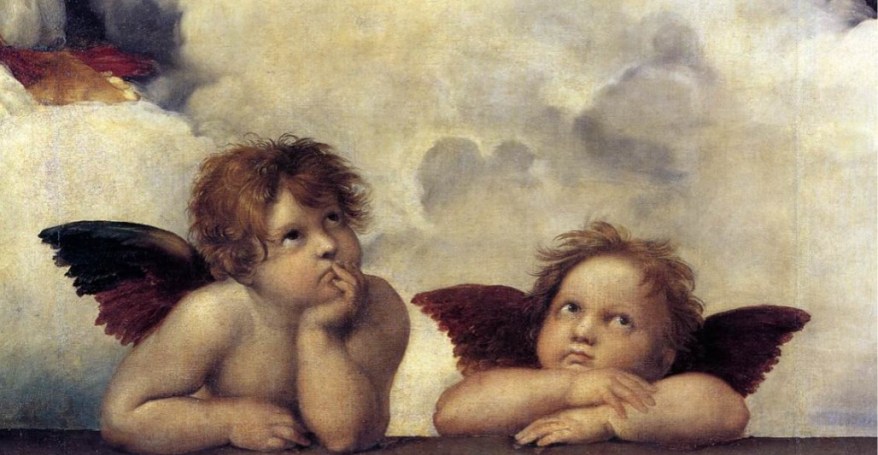
🇮🇹“Qui giace Raffaello: da lui, quando visse, la natura temette d’essere vinta, ora che egli è morto, teme di morire”. Il 6 aprile 1520 Raffaello morì a soli 37 anni… 🇬🇧“Here lies Raphael: when he lived, nature feared to be conquered by him, now that he is dead, she fears to die.” On April 6,…
-
Pasquetta, tra spiritualità e arte: il significato del Lunedì dell’Angelo e i capolavori del “Noli me tangere”
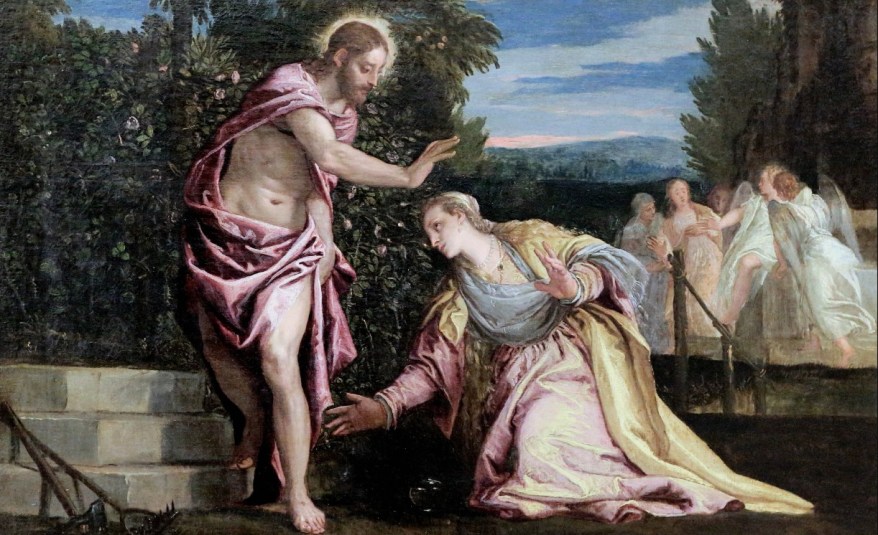
🇮🇹Il Lunedì dell’Angelo racchiude uno dei momenti più intensi del Vangelo: l’incontro tra Gesù risorto e Maria Maddalena, raccontato nel celebre “Noli me tangere”. Un episodio che nei secoli ha ispirato artisti straordinari, dando vita a opere cariche di emozione, spiritualità e bellezza. .. 🇬🇧Easter Monday encompasses one of the most intense moments in the…
-
La Pietà di Tincolini: a Pontedera l’arte torna a fare domande scomode
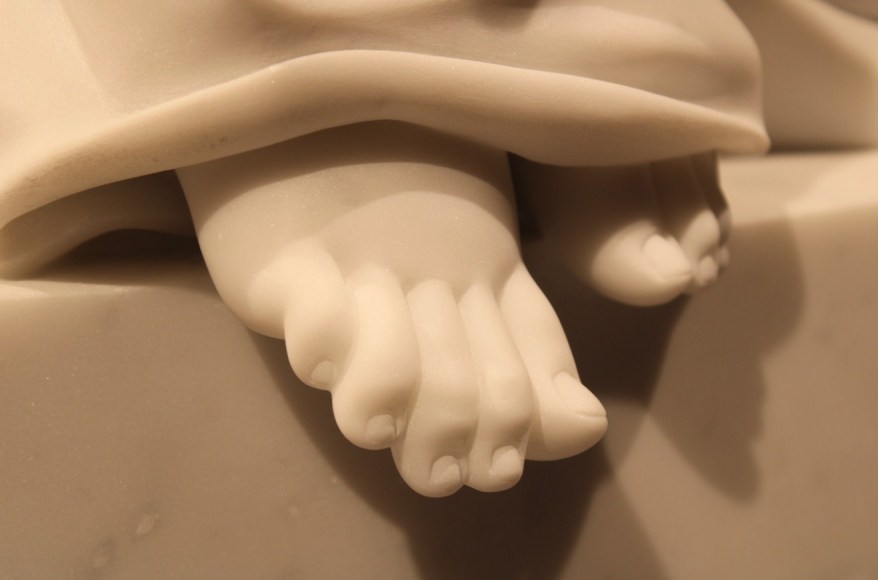
🇮🇹“Pietà”, la scultura di Filippo Tincolini, insieme alle parole di Federico Quaranta e Andrea Pezzi, non è stato solo uno spettacolo. È stata una domanda lanciata in faccia al pubblico, impossibile da evitare: siamo ancora capaci di provare pietà? 🇬🇧 “Pietà,” Filippo Tincolini’s sculpture, along with the words of Federico Quaranta and Andrea Pezzi, wasn’t…
Condividi:


Questo sono io





sostienici

Sostienici – Support Us
Se questo blog ti piace e ti appassiona, puoi aiutarci a farlo crescere sempre più sostenendoci in modo concreto condividendo i post, seguendo le pagine social e con un contributo che ci aiuta ad andare avanti con il nostro lavoro di divulgazione. . ENGLISH: If you like and are passionate about this blog, you can help us make it grow more and more by supporting us in a concrete way by sharing posts, following social pages and with a contribution that helps us to move forward with our dissemination work.
€10,00


1 commento »