
La vela sopra la lunetta di Asa
Fra il profeta Daniele e la sibilla Cumana, proprio sopra la lunetta con Asa, Iosaphat e Ioram, affrescai una donna seduta, con la gamba sinistra piegata e la destra allungata.
E’ proprio lei la protagonista indiscussa della vela. Indossa una veste rossa con ombre cangianti e una cintura sottile verde. Ha il capo coperto da un fazzoletto bianco e nella mano destra tiene un fuso per filare la lana.
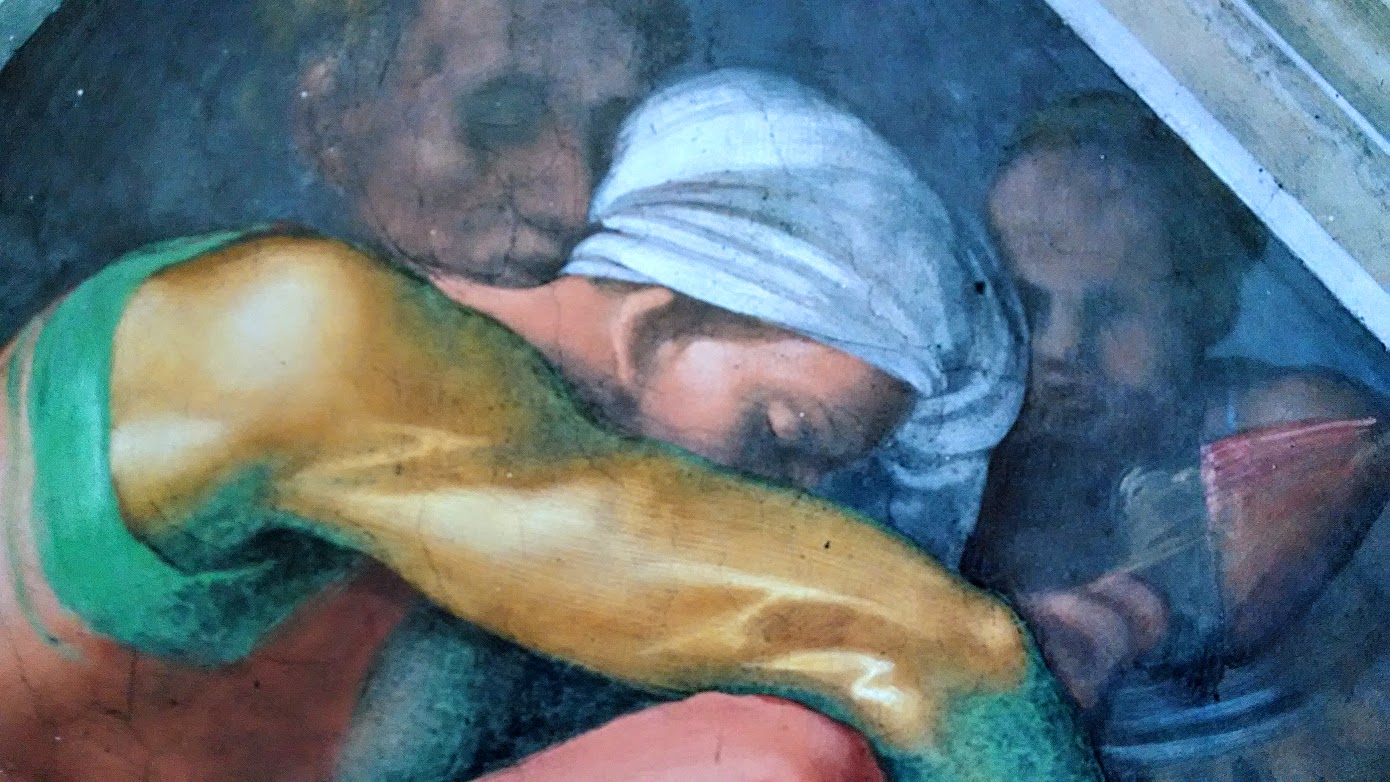
La figura è ripiegata su se stessa e siede sopra un sacco con la legatura rivolta verso lo spettatore. Il sonno pare l’abbia distolta dal suo lavoro e s’è addormentata sfinita mentre si vedono in secondo piano le sagome di un uomo e di un bambino che la stanno osservando.
Il bambino probabilmente è Asa che da adulto distruggerà proprio quegli idoli che proprio sua madre adora. La vitalità del piccolo che si contrappone alla fiacchezza della madre può essere interpretata come una metafora dell’energia di chi venera Dio e la stanchezza dei pagani che si rivolgono in preghiera agli idoli.

In merito alla realizzazione di questa vela, posso dirvi che trasferii il disegno preparatorio sull’intonaco ancora fresco mediante la tecnica dell’incisione e poi realizzai l’intero l’affresco in due sole giornate cominciando dalle figure in primo piano sulla sinistra.
Per il momento il vostro Michelangelo Buonarroti vi saluta dandovi appuntamento ai prossimi post e sui social

The sail above the lunette of Asa
Between the prophet Daniel and the Cumaean sibyl, just above the lunette with Asa, Iosaphat and Ioram, I frescoed a seated woman, with her left leg bent and her right stretched out.
She is the undisputed protagonist of sailing. She wears a red robe with iridescent shadows and a thin green belt. Her head is covered with a white handkerchief and in her right hand she holds a spindle for spinning wool.
The figure is folded over and sits on a sack with the binding facing the viewer. Sleep seems to have distracted her from her work and she fell asleep exhausted while the silhouettes of a man and a child who are observing her can be seen in the background.
The child is probably Asa who as an adult will destroy those very idols that her mother adores. The vitality of the little one which contrasts with the weakness of the mother can be interpreted as a metaphor for the energy of those who worship God and the tiredness of the pagans who turn to idols in prayer.
Regarding the realization of this sail, I can tell you that I transferred the preparatory drawing onto the still fresh plaster using the engraving technique and then I created the entire fresco in just two days, starting with the figures in the foreground on the left.
For the moment, your Michelangelo Buonarroti greets you by making an appointment for the next posts and on social media

Sostienici – Support Us
Se questo blog ti piace e ti appassiona, puoi aiutarci a farlo crescere sempre più sostenendoci in modo concreto condividendo i post, seguendo le pagine social e con un contributo che ci aiuta ad andare avanti con il nostro lavoro di divulgazione. . ENGLISH: If you like and are passionate about this blog, you can help us make it grow more and more by supporting us in a concrete way by sharing posts, following social pages and with a contribution that helps us to move forward with our dissemination work.
5,00 €
ULTIMI ARTICOLI
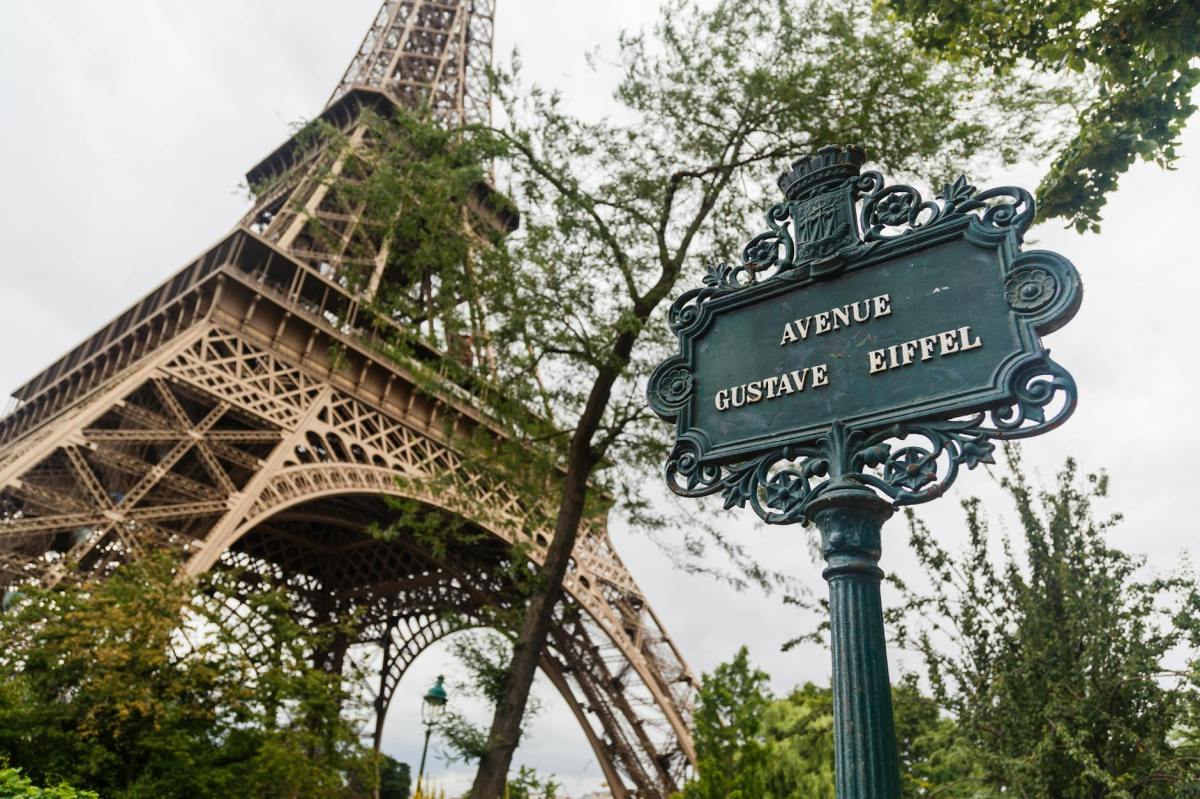
31 marzo 1889: inaugurata la Torre Eiffel tra critiche feroci e un destino inaspettato
🇮🇹Il 31 marzo 1889 segna una data destinata a cambiare per sempre il volto di Parigi e dell’immaginario collettivo globale: viene inaugurata la Torre Eiffel, l’opera più audace e discussa del suo tempo… 🇬🇧March 31, 1889 marks a date destined to change the face of Paris and the global collective imagination forever: the Eiffel Tower,…
Sodoma in mostra a Torino: il Rinascimento al Museo Accorsi-Ometto
🇮🇹Al Museo di Arti Decorative Accorsi-Ometto arriva una mostra dedicata al Sodoma: oltre 50 opere, alcune mai viste prima, raccontano la formazione dell’artista e il suo dialogo con maestri come Pinturicchio… 🇬🇧An exhibition dedicated to Sodoma arrives at the Accorsi-Ometto Museum of Decorative Arts: over 50 works, some never before seen, recount the artist’s development…
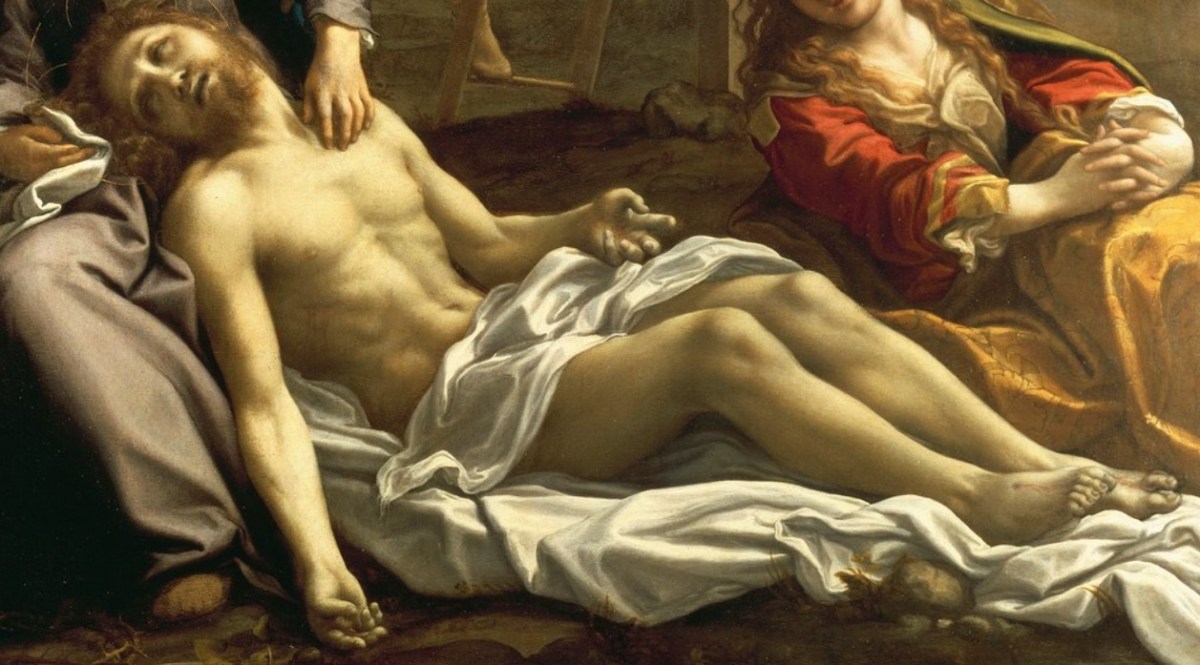
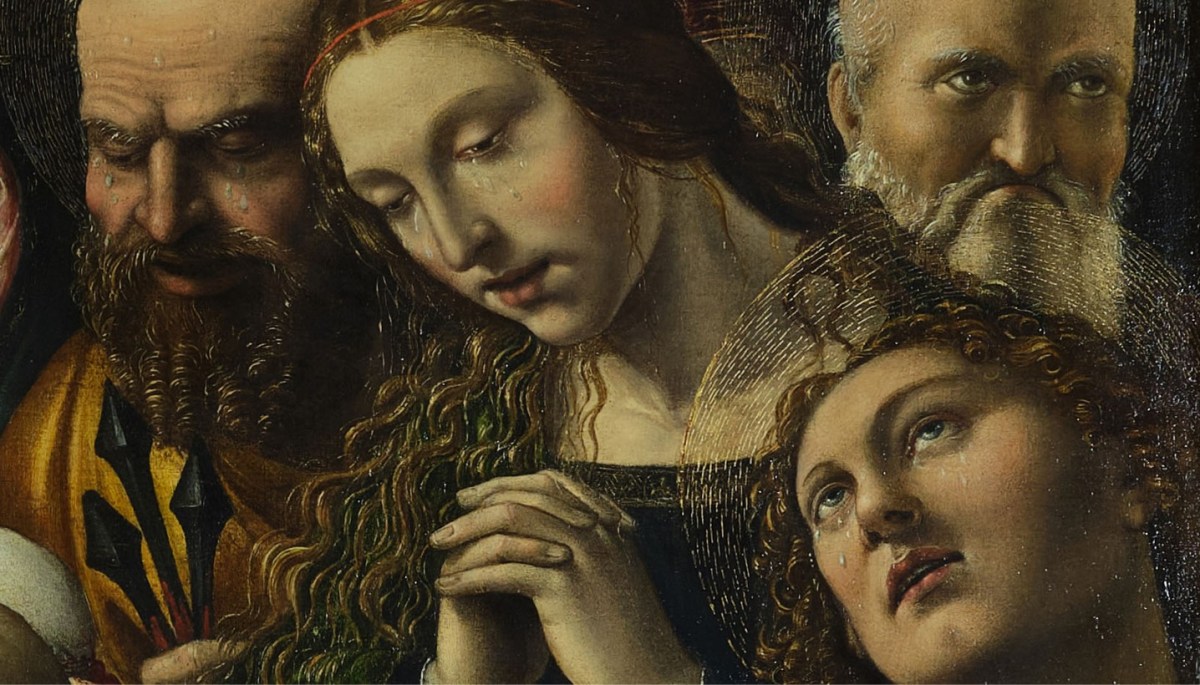
Il Compianto sul Cristo morto di Correggio: pathos e devozione
🇮🇹Con l’inizio della Settimana Santa, vi propongo il Compianto sul Cristo morto di Antonio Allegri, più noto come il Correggio: uno dei vertici assoluti della pittura emiliana del Cinquecento… 🇬🇧With the beginning of Holy Week, I propose the Lamentation over the Dead Christ by Antonio Allegri, better known as Correggio: one of the absolute peaks…
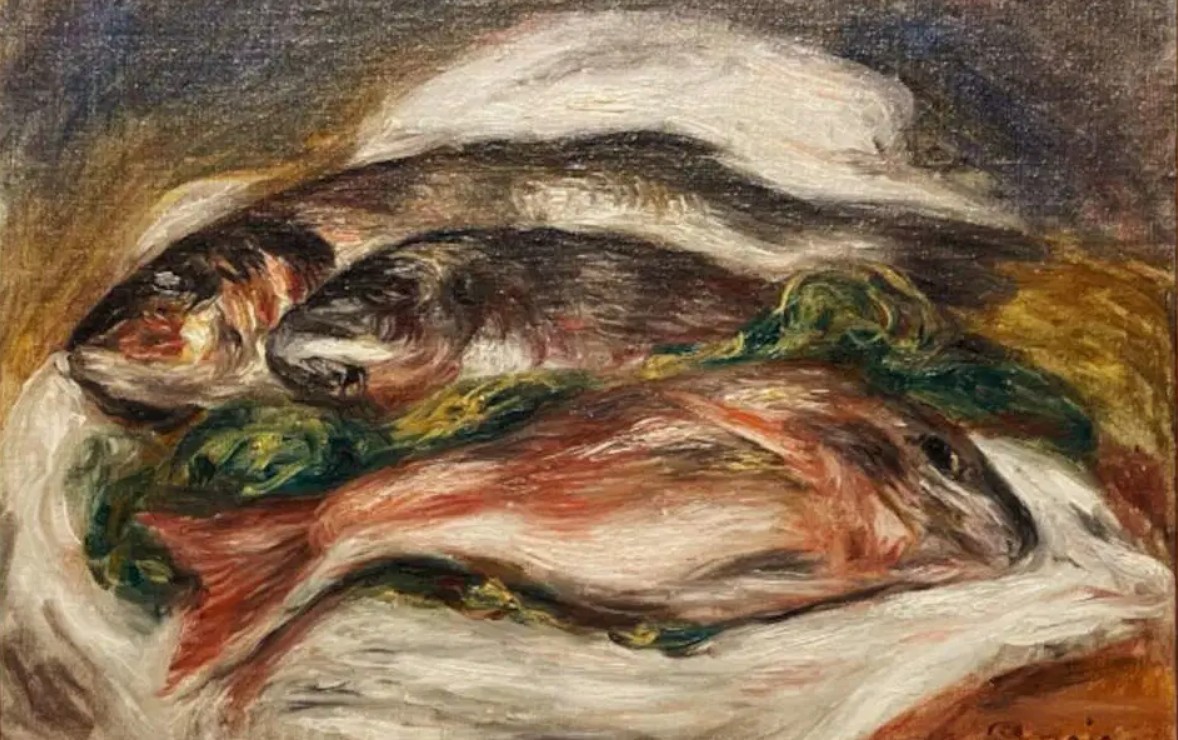
Furto milionario alla Magnani Rocca: rubati Renoir, Cézanne e Matisse
🇮🇹‼Tre capolavori storici spariti in meno di tre minuti: Les Poissons di Renoir, Tasse et plat de cerises di Cézanne e Odalisque sur la terrasse di Matisse sono stati rubati nella dalla Fondazione Magnani Rocca a Mamiano di Traversetolo, nel Parmense… 🇬🇧‼Three historic masterpieces disappeared in less than three minutes: Renoir’s Les Poissons, Cézanne’s Tasse…
Si è verificato un problema. Aggiorna la pagina e/o riprova in seguito.
Condividi:


Questo sono io





sostienici

Sostienici – Support Us
Se questo blog ti piace e ti appassiona, puoi aiutarci a farlo crescere sempre più sostenendoci in modo concreto condividendo i post, seguendo le pagine social e con un contributo che ci aiuta ad andare avanti con il nostro lavoro di divulgazione. . ENGLISH: If you like and are passionate about this blog, you can help us make it grow more and more by supporting us in a concrete way by sharing posts, following social pages and with a contribution that helps us to move forward with our dissemination work.
€10,00


