
20 gennaio: il mio San Sebastiano martire
Il 20 gennaio la chiesa cattolica ricorda San Sebastiano Martire. In tanti artisti lo hanno raffigurato nelle loro opere e lo feci anch’io mettendolo nel Giudizio Universale.
Chi era San Sebastiano? Era un militare romano, martirizzato per aver parteggiato per la fede cristiana. Visse al tempo di Diocleziano e tanto era abile alle armi che divenne in giovane età il comandante della prima corte della prima legione a difesa proprio dell’imperatore.

Nell’iconografia classica San Sebastiano è molto facile da riconoscere a uno primo veloce sguardo. Abitualmente viene rappresentato a busto nudo con le frecce che gli trapassano il corpo.
Io preferii affrescarlo nel Giudizio Universale mentre stringe nella mano sinistra cinque frecce con la punta rivolta verso l’alto.

E’ inginocchiato sopra una nuvola e ha lo sguardo rivolto verso il basso. Un volto fiero ma con un’espressione che gli conferisce un’aria malinconica e pensierosa.

Il sempre vostro Michelangelo Buonarroti e i suoi racconti.
January 20: my martyr Saint Sebastian
On January 20, the Catholic church remembers San Sebastiano Martire. Many artists have depicted it in their works and I did it too by placing it in the Last Judgment.
Who was San Sebastian? He was a Roman soldier, martyred for having sided with the Christian faith. He lived at the time of Diocletian and was so skilled in arms that at a young age he became the commander of the first court of the first legion in defense of the emperor.
In the classical iconography San Sebastiano is very easy to recognize at a quick first glance. He is usually represented bare-chested with arrows piercing his body.
I preferred to fresco him in the Last Judgment while he holds five arrows in his left hand with the tip pointing upwards. He is kneeling on a cloud and has his gaze turned downwards. A proud face but with an expression that gives it a melancholy and thoughtful air.
Your always Michelangelo Buonarroti and his stories.

Sostienici – Support Us
Se questo blog ti piace e ti appassiona, puoi aiutarci a farlo crescere sempre più sostenendoci in modo concreto condividendo i post, seguendo le pagine social e con un contributo che ci aiuta ad andare avanti con il nostro lavoro di divulgazione. . ENGLISH: If you like and are passionate about this blog, you can help us make it grow more and more by supporting us in a concrete way by sharing posts, following social pages and with a contribution that helps us to move forward with our dissemination work.
5,00 €
ULTIMI ARTICOLI
Festival La Versiliana 2026: tra musica, teatro e grandi narrazioni
Dal 17 luglio al 23 agosto 2026, la pineta di Marina di Pietrasanta ospiterà la 47ª edizione del Festival La Versiliana. Una kermesse aperta a tutti nella quale linguaggi diversi dialogano tra loro in un equilibrio tra tradizione e contemporaneità.
Giovedì Santo: l’Ultima Cena di Allori che pochi conoscono a Firenze
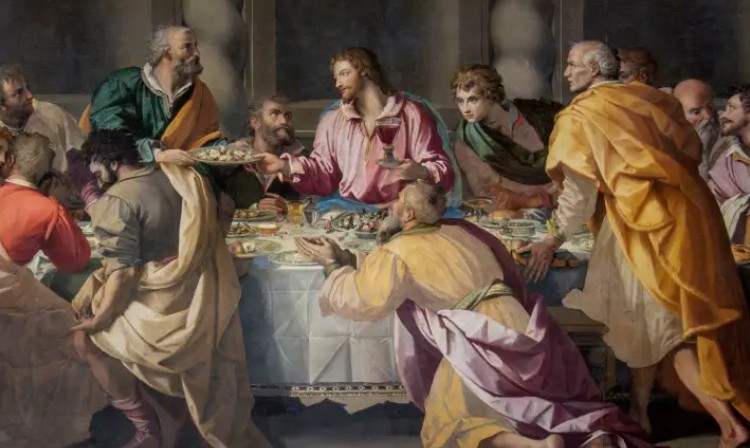
🇮🇹Nel cuore di Museo di Santa Maria Novella, a Firenze, si conserva una delle interpretazioni più affascinanti e meno note dell’Ultima Cena: quella realizzata da Alessandro Allori nel 1584… 🇬🇧In the heart of the Santa Maria Novella Museum in Florence, one of the most fascinating and least-known interpretations of the Last Supper is preserved: the…
Cenacolo di Leonardo: i dettagli che raccontano il tradimento
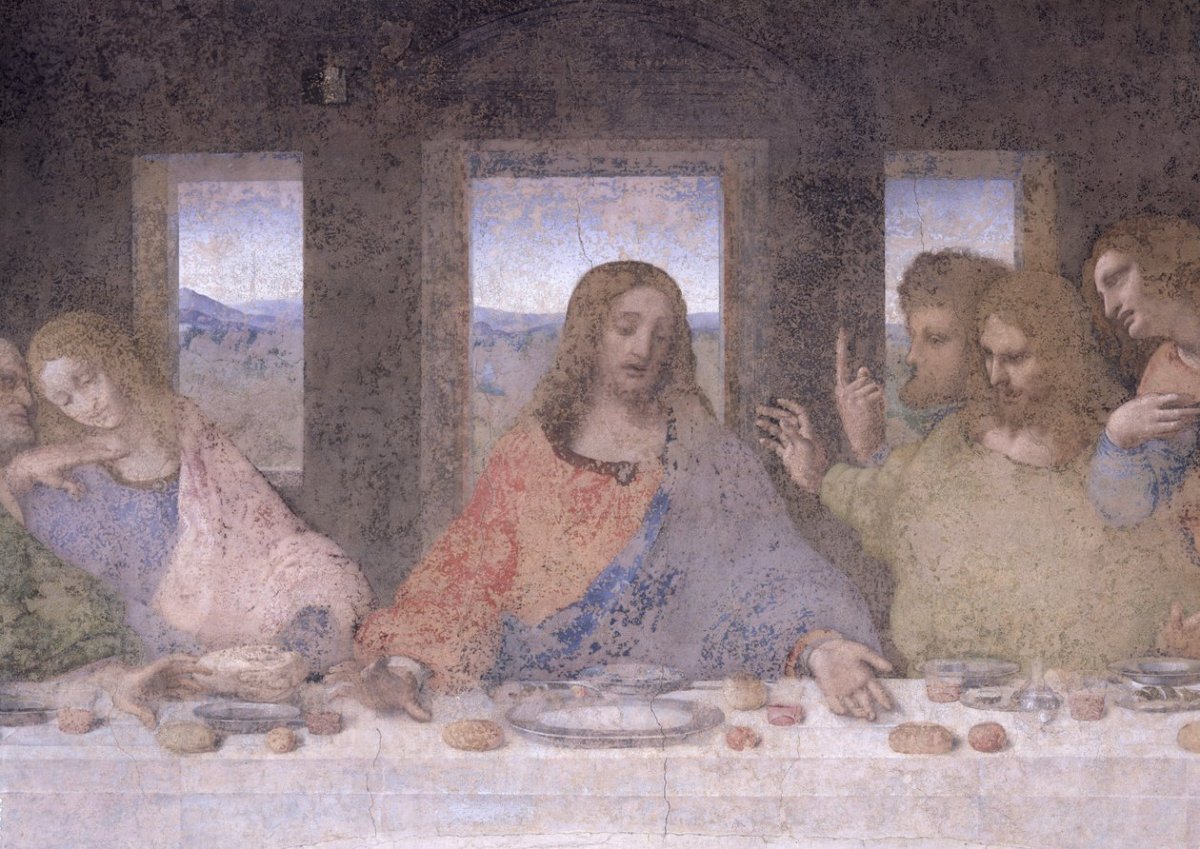
🇮🇹Nel Cenacolo di Leonardo da Vinci, custodito a Santa Maria delle Grazie, Cristo annuncia il tradimento e il tempo si ferma… 🇬🇧In Leonardo da Vinci’s Last Supper, housed in Santa Maria delle Grazie, Christ announces the betrayal and time stands still…
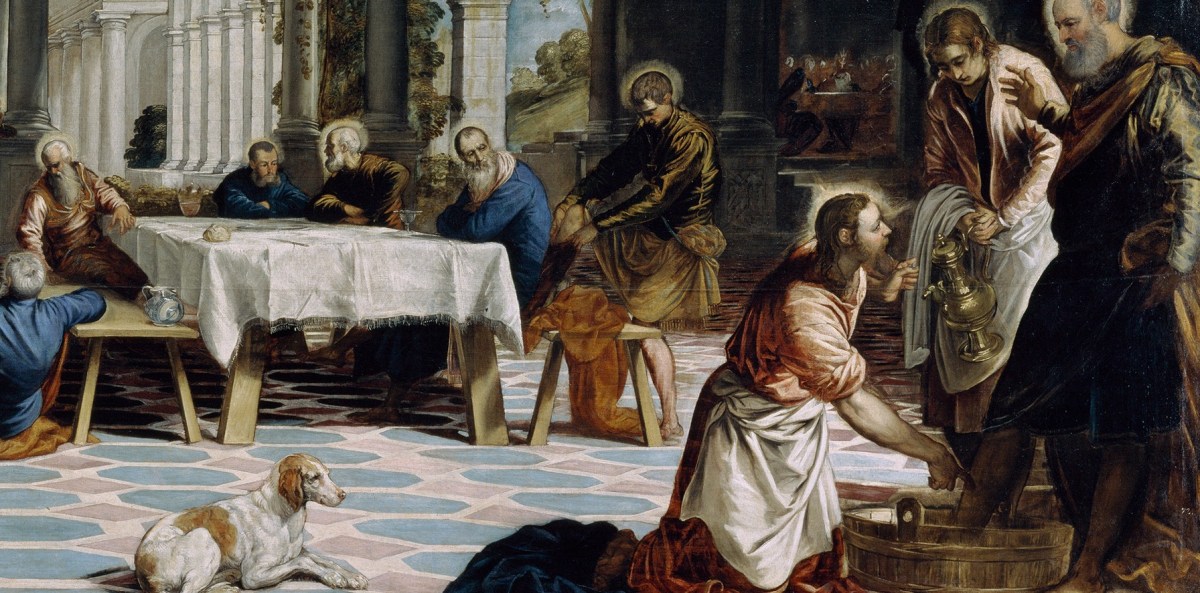
La Lavanda dei Piedi di Tintoretto: Il Capolavoro Veneziano al Prado
🇮🇹Tra i capolavori più affascinanti del Rinascimento veneziano, “La Lavanda dei Piedi” di Jacopo Tintoretto rappresenta un perfetto equilibrio tra spiritualità, innovazione compositiva e straordinaria forza narrativa… 🇬🇧Among the most fascinating masterpieces of the Venetian Renaissance, Jacopo Tintoretto’s “The Washing of the Feet” represents a perfect balance between spirituality, compositional innovation, and extraordinary narrative force…
Si è verificato un problema. Aggiorna la pagina e/o riprova in seguito.
Condividi:


Questo sono io





sostienici

Sostienici – Support Us
Se questo blog ti piace e ti appassiona, puoi aiutarci a farlo crescere sempre più sostenendoci in modo concreto condividendo i post, seguendo le pagine social e con un contributo che ci aiuta ad andare avanti con il nostro lavoro di divulgazione. . ENGLISH: If you like and are passionate about this blog, you can help us make it grow more and more by supporting us in a concrete way by sharing posts, following social pages and with a contribution that helps us to move forward with our dissemination work.
€10,00


