
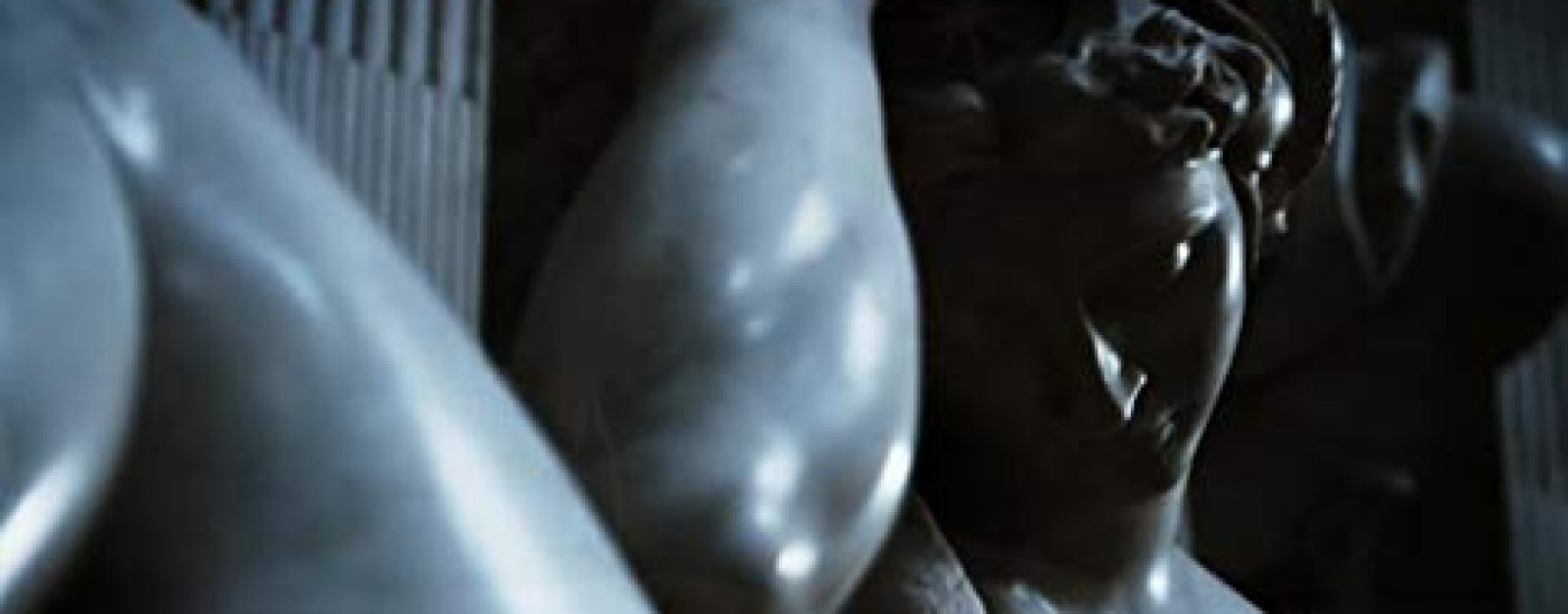
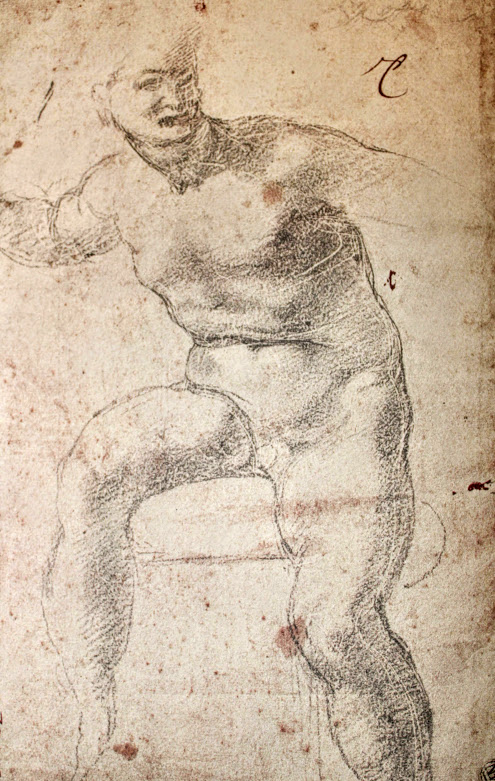
Due studi per un ignudo della Sistina
Oggi vi porto alla scoperta di due disegni appartenenti alle collezioni del Louvre, realizzati sul recto e sul verso del medesimo foglio.
Sono quelli che feci per studiare la posa e l’espressione del volto dell’ignudo che vedete affrescato sopra il profeta Isaia, sulla sinistra. Sono entrambi disegni realizzati con un modello dal vero ma quando poi riportai lo studio nella decorazione della volta, lo idealizzai molto di più.

Osservate quella strana espressione del volto e quei lineamenti assai diversi dalle figure che la mia mente mi dettava. Pensate al viso del David, a quello della Madonna Medici, a quello della Sibilla Libica o finanche al volto del Cristo Giudice: hanno tutti tratti in comune, gli stessi che si ritrovano un po’ in tutte le opere mie, tranne quelle in cui ci sono diretti studi dal vivo, proprio come questo.
Sul verso studiai la figura intera dell’ignudo in una posa che poi modificai in diversi punti nella versione finale dell’affresco. Ah, lasciate perdere quell’iscrizione fatta a inchiostro: non è roba mia.
Il sempre vostro Michelangelo Buonarroti per il momento vi saluta dandovi appuntamento al prossimo post.
Two Studies for a Nude from the Sistine Chapel
Today I take you to the discovery of two drawings belonging to the Louvre collections, made on the front and back of the same sheet.
These are the ones I did to study the pose and expression of the naked face that you see frescoed above the prophet Isaiah, on the left. They are both drawings made with a life model but when I then brought the study back to the decoration of the vault, I idealized it much more.
Observe that strange expression on the face and those features very different from the figures that my mind dictated to me. Think of the face of David, that of the Medici Madonna, that of the Libyan Sibyl or even the face of Christ the Judge: they all have features in common, the same ones that are found to some extent in all my works, except those in which we they are direct live studios, just like this one.
On the reverse, I studied the entire figure of the nude in a pose which I then modified at various points in the final version of the fresco. Ah, forget about that ink inscription: it’s not mine.
Always your Michelangelo Buonarroti greets you for the moment giving you an appointment at the next post.

Sostienici – Support Us
Se questo blog ti piace e ti appassiona, puoi aiutarci a farlo crescere sempre più sostenendoci in modo concreto condividendo i post, seguendo le pagine social e con un contributo che ci aiuta ad andare avanti con il nostro lavoro di divulgazione. . ENGLISH: If you like and are passionate about this blog, you can help us make it grow more and more by supporting us in a concrete way by sharing posts, following social pages and with a contribution that helps us to move forward with our dissemination work.
5,00 €
-
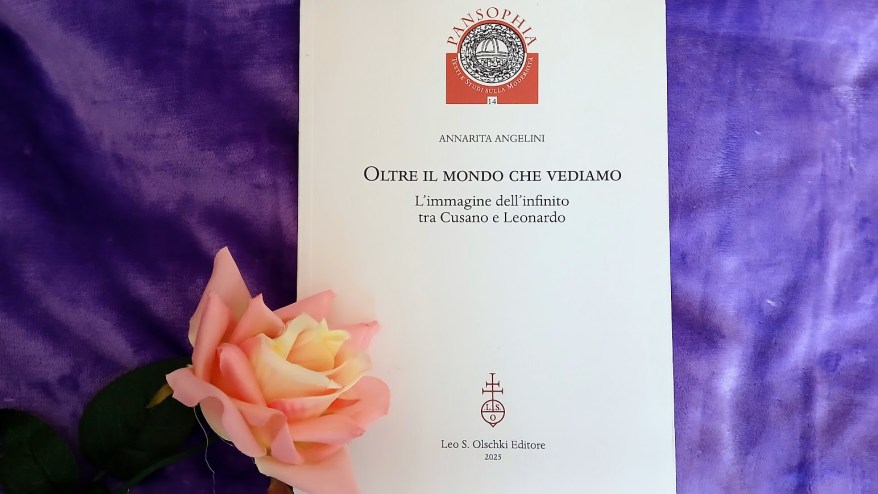
Quando la pittura diventa filosofia: il viaggio nell’infinito di Cusano e Leonardo
Il libro che voglio proporvi oggi è il saggio scritto da Annarita Angelini dal titolo ‘Oltre il mondo che vediamo. L’immagine dell’infinito tra Cusano e Leonardo’, pubblicato da Olschki Editore….
-
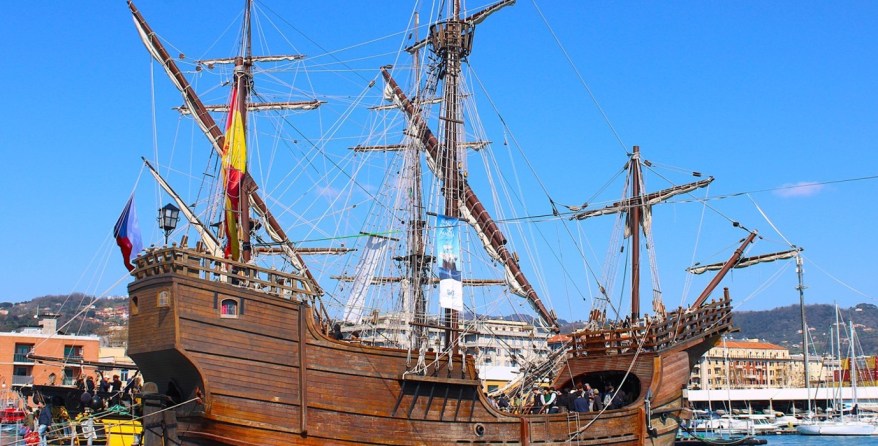
Sembra il Cinquecento ma è La Spezia: il festival Velarìa riporta al Molo Italia i grandi velieri
🇮🇹Sembra di essere finiti in un’altra epoca. A La Spezia il mare si riempie di vele storiche, caravelle e brigantini: è iniziato Velarìa – Scalo alla Spezia, il festival che riporta in vita il fascino della grande navigazione… 🇬🇧It feels like we’ve stepped into another era. In La Spezia, the sea fills with historic sails,…
-
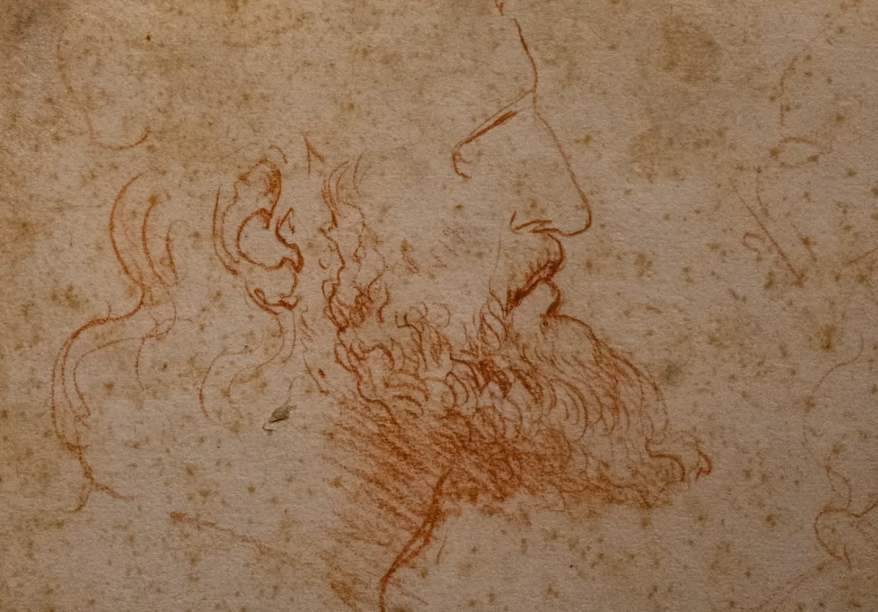
Leonardo da Vinci, a Torino un capolavoro sorprendente: il ritratto “in movimento”
🇮🇹A Torino in mostra un capolavoro di Leonardo: il celebre volto maschile che per anni si credeva Cesare Borgia. Ecco cosa hanno scoperto gli studiosi… 🇬🇧A Leonardo masterpiece is on display in Turin: the famous male face that for years was believed to be Cesare Borgia. Here’s what scholars discovered…
Condividi:


Questo sono io





sostienici

Sostienici – Support Us
Se questo blog ti piace e ti appassiona, puoi aiutarci a farlo crescere sempre più sostenendoci in modo concreto condividendo i post, seguendo le pagine social e con un contributo che ci aiuta ad andare avanti con il nostro lavoro di divulgazione. . ENGLISH: If you like and are passionate about this blog, you can help us make it grow more and more by supporting us in a concrete way by sharing posts, following social pages and with a contribution that helps us to move forward with our dissemination work.
€10,00


