

Lo studio per la Sibilla Libica
Oggi ho voglia di raccontarvi un po’ di cose sul foglio su cui studiai la Sibilla Libica. Sul recto si vede bene la Sibilla e alcuni suoi particolari ingranditi mentre sul verso, tracciato probabilmente col gesso nero, compare lo schizzo per una figura seduta.
E’ il foglio più importante mio presente negli Usa e venne acquistato dal Metropolitan Museum of Art l’8 agosto del 1924, grazie alle trattative avviate dal pittore John Singer Sergent con la vedova di Aureliano de Beruete che ne era in possesso.
E’ stato datato fra il 1510 e il 1510 e sembra che lo studi sul verso sia antecedente quello del recto.

Disegnai la Sibilla dal vero, osservando e riproducendo accuratamente la possa di un modello che probabilmente non era altro che un mio giovane assistente.
Lo studio così particolareggiato mi servì poi per affrescare la Sibilla Libica nell’estremità nord est della volta della Sistina. In ordine temporale fu l’ultima veggente a cui misi mano, realizzandola in una scala tre volte maggiore della grandezza naturale. Ha una posa azzardata ma efficace con il classico contrapposto che caratterizza un po’ tutti i miei lavori di scultura e di pittura.
La veste non cela le forme ma anzi, le mette in evidenza lasciando scoperte le spalle muscolose.

Sembra quasi che la Sibilla Libica si sia fermata mentre sta per scendere dal trono. Il grande e pesante libro delle profezie che tiene fra le mani da lì a poco verrà chiuso.
Lo studio della Sibilla è in gesso rosso, caratterizzato in questo caso da una tonalità quasi violacea. Sapete, questo tipo di medium era perfetto per gli studi dei corpi: aveva una resa impeccabile con con i dettagli anatomici.
Il sempre vostro Michelangelo Buonarroti e i suoi racconti

The study for the Libyan Sybil
Today I want to tell you a little about the paper on which I studied Libyan Sybil. On the front you can see the Sibilla and some of its details enlarged while on the verso, probably drawn with black chalk, appears the sketch for a seated figure.
It is the most important sheet of mine present in the US and was purchased by the Metropolitan Museum of Art on 8 August 1924, thanks to the negotiations started by the painter John Singer Sergent with the widow of Aureliano de Beruete who was in possession of it.
It was dated between 1510 and 1510 and it seems that the study on the verso is antecedent to that of the recto.
I designed the Sibilla from life, carefully observing and reproducing the can of a model that probably was none other than my young assistant.
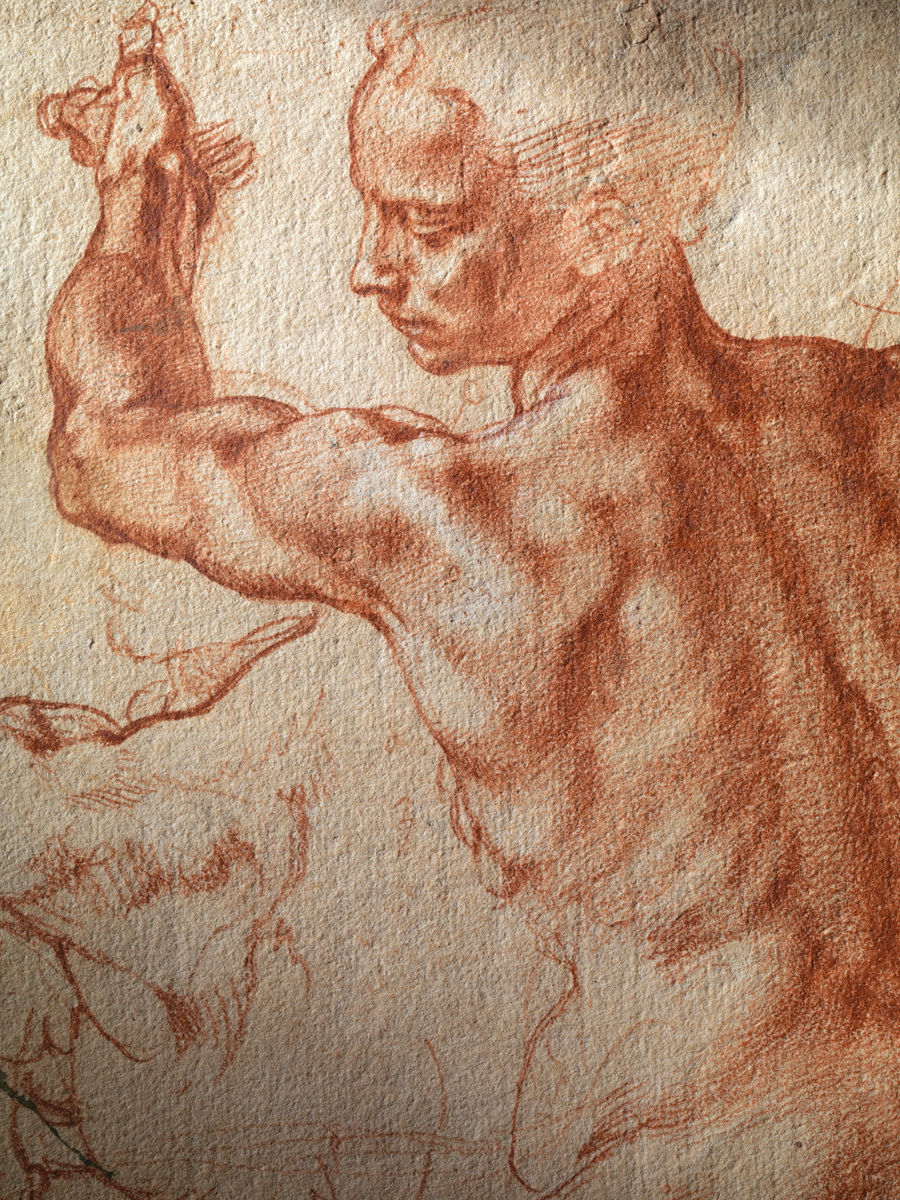
The study so detailed then served me to fresco the Libyan Sybil in the north-eastern end of the Sistine vault. In temporal order it was the last seer to which I put my hand, realizing it in a scale three times greater than the natural size. It has a risky but effective pose with the classic contrast that characterizes a bit ‘all my work of sculpture and painting. On the contrary, the garment does not conceal the forms but rather highlights them, leaving the muscular shoulders uncovered.
It almost seems that the Libyan Sybil has stopped as it is about to descend from the throne. The great and heavy book of the prophecies that he holds in his hands will soon be closed.
The study of Sibilla is in red chalk, characterized in this case by an almost purple shade. You know, this type of medium was perfect for body studies: it had an impeccable rendering with anatomical details.
Your always Michelangelo Buonarroti and his stories

Sostienici – Support Us
Se questo blog ti piace e ti appassiona, puoi aiutarci a farlo crescere sempre più sostenendoci in modo concreto condividendo i post, seguendo le pagine social e con un contributo che ci aiuta ad andare avanti con il nostro lavoro di divulgazione. . ENGLISH: If you like and are passionate about this blog, you can help us make it grow more and more by supporting us in a concrete way by sharing posts, following social pages and with a contribution that helps us to move forward with our dissemination work.
10,00 €
ULTIMI ARTICOLI
Festival La Versiliana 2026: tra musica, teatro e grandi narrazioni
Dal 17 luglio al 23 agosto 2026, la pineta di Marina di Pietrasanta ospiterà la 47ª edizione del Festival La Versiliana. Una kermesse aperta a tutti nella quale linguaggi diversi dialogano tra loro in un equilibrio tra tradizione e contemporaneità.
Giovedì Santo: l’Ultima Cena di Allori che pochi conoscono a Firenze
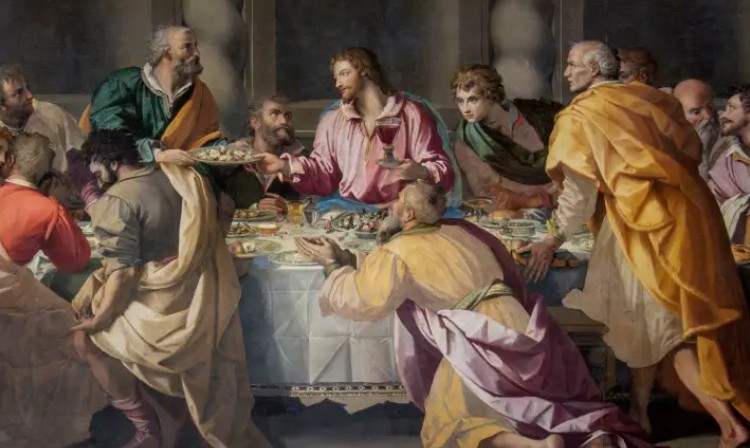
🇮🇹Nel cuore di Museo di Santa Maria Novella, a Firenze, si conserva una delle interpretazioni più affascinanti e meno note dell’Ultima Cena: quella realizzata da Alessandro Allori nel 1584… 🇬🇧In the heart of the Santa Maria Novella Museum in Florence, one of the most fascinating and least-known interpretations of the Last Supper is preserved: the…
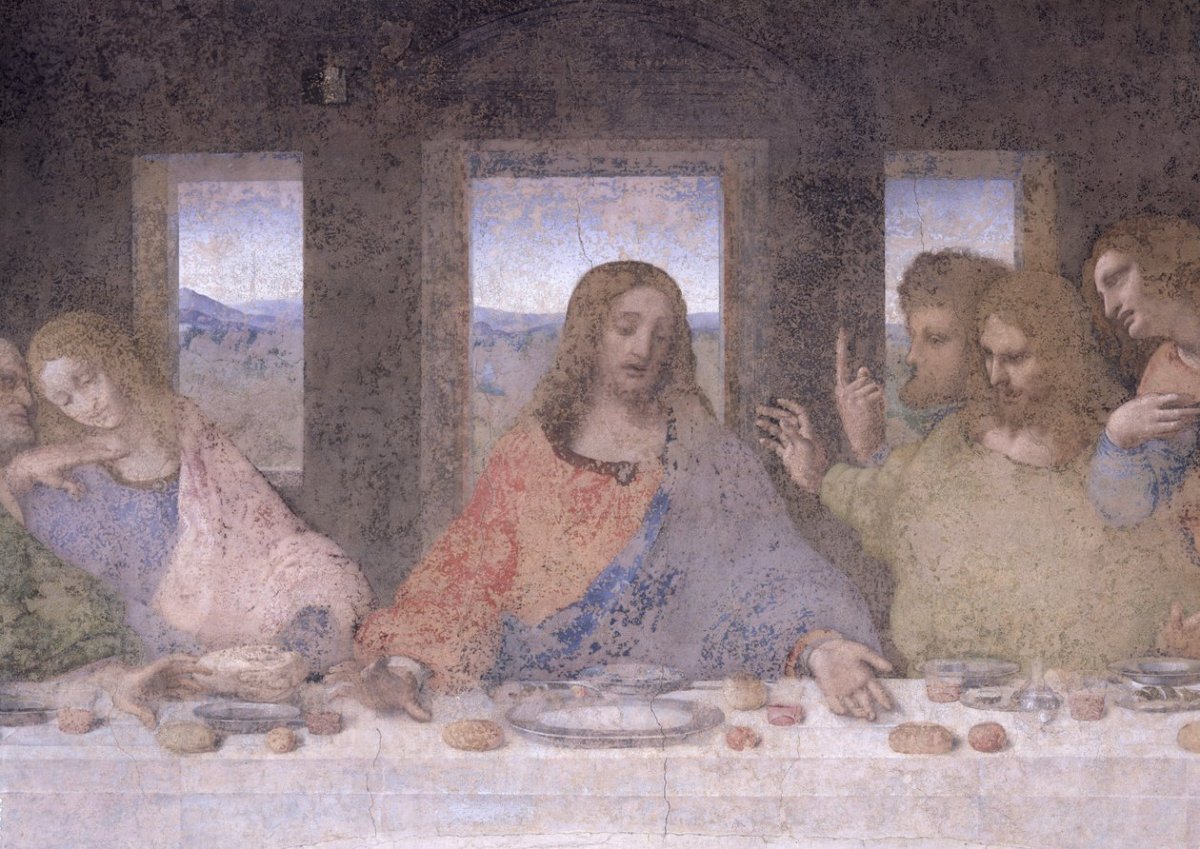
Cenacolo di Leonardo: i dettagli che raccontano il tradimento
🇮🇹Nel Cenacolo di Leonardo da Vinci, custodito a Santa Maria delle Grazie, Cristo annuncia il tradimento e il tempo si ferma… 🇬🇧In Leonardo da Vinci’s Last Supper, housed in Santa Maria delle Grazie, Christ announces the betrayal and time stands still…
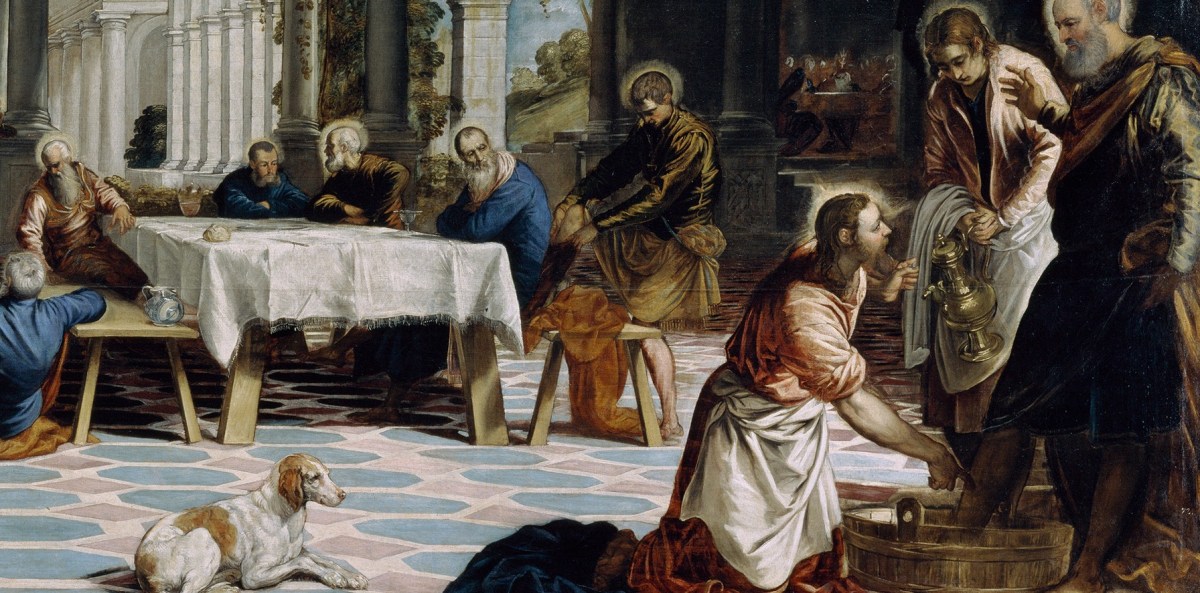
La Lavanda dei Piedi di Tintoretto: Il Capolavoro Veneziano al Prado
🇮🇹Tra i capolavori più affascinanti del Rinascimento veneziano, “La Lavanda dei Piedi” di Jacopo Tintoretto rappresenta un perfetto equilibrio tra spiritualità, innovazione compositiva e straordinaria forza narrativa… 🇬🇧Among the most fascinating masterpieces of the Venetian Renaissance, Jacopo Tintoretto’s “The Washing of the Feet” represents a perfect balance between spirituality, compositional innovation, and extraordinary narrative force…
Si è verificato un problema. Aggiorna la pagina e/o riprova in seguito.
Condividi:


Questo sono io





sostienici

Sostienici – Support Us
Se questo blog ti piace e ti appassiona, puoi aiutarci a farlo crescere sempre più sostenendoci in modo concreto condividendo i post, seguendo le pagine social e con un contributo che ci aiuta ad andare avanti con il nostro lavoro di divulgazione. . ENGLISH: If you like and are passionate about this blog, you can help us make it grow more and more by supporting us in a concrete way by sharing posts, following social pages and with a contribution that helps us to move forward with our dissemination work.
€10,00


1 commento »