

Cappella Sistina: il pavimento cosmatesco
La Cappella Sistina è famosa in tutto il mondo per gli affreschi che da secoli conserva e mostra al pubblico. Al suo interno c’è anche un’altra opera che tutti calpestano ma che pochi ammirano: il pavimento cosmatesco.
Quando si entra nella Cappella Sistina, la prima cosa che richiama l’attenzione è il Giudizio Universale con il suo blu lapislazzuli e il gran numero di corpi che lo animano. Solo dopo si ci ferma ad ammirare la volta e gli affreschi laterali, seppur importanti e meravigliosi, passano in secondo piano.

Il pavimento nemmeno viene guardato: un po’ perché la folla presente è tale da impedirne un’ampia visione e un po’ perché i cicli pittorici rubano la scena a tutto il resto.
Nonostante ogni anno venga calpestato da cinque milioni di persone, ancora è in perfette condizioni. Pensate un po’: quasi ventimila persone al giorno entrano nella Cappella Sistina eppure, il pavimento cosmatesco, resiste.
Venne realizzato adoperando un gran numero di tasselli di marmi policromi pregiati provenienti spesso da resti di antichi edifici costruiti in età imperiale. Vengono aggiunte anche paste vitree, oro e i classici dischi di porfido rosso ottenuti tagliando letteralmente a fette le colonne romane.
Nella zona destinata ai fedeli, presenta una serie di sei cerchi concentrici collegati fra di loro mediante una doppia spirale atti a segnalare il percorso delle processioni sacre.
Il primo cerchio che appare appena entrati nella Sistina, è in porfido rosso e molto più piccolo rispetto agli altri. Segnala il punto esatto in cui il Papa ma anche gli altri fedeli devono genuflettersi in occasioni di celebrazioni sacre.
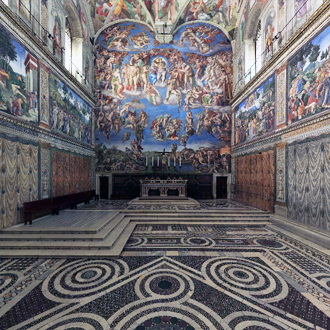
Dalla parte verso l’altare, il pavimento è formato da cornici rettangolari e cerchi che segnalano la posizione che devono avere i seggi del papa e dei cardinali. In prossimità dell’altare, parte della pavimentazione venne ricoperta per ingrandire le gradinate.
Cos’è lo stile cosmatesco?
E’ una particolare lavorazione comparsa per la prima volta nel 1200 d.C. che deve il suo nome ai due omonimi Cosma che la idearono. In questo stile vengono assemblati piccoli pezzi di marmi policromi pregiati provenienti dai resti di edifici di età imperiale. Ai marmi vengono aggiunte anche paste vitree e dischi di porfido, ottenuti tagliando a fette antiche colonne romane.
La sensazione offerta dai pavimenti cosmateschi è quella di camminare su dei veri e propri tappeti di pietra.
Il sempre vostro Michelangelo Buonarroti. Nell’immagine presente nella pagina potete vedere una porzione del pavimento presente nella Cappella Sistina.

Sistine Chapel: the Cosmatesque floor
The Sistine Chapel is famous throughout the world for the frescoes that it has preserved and shown to the public for centuries. Inside there is also another work that everyone tramples but few admire: the Cosmatesque floor.
When entering the Sistine Chapel, the first thing that calls attention is the Last Judgment with its lapis lazuli blue and the large number of bodies that characterize it. Only after we stop to admire the vault and the side frescoes, though important and wonderful, take a back seat.
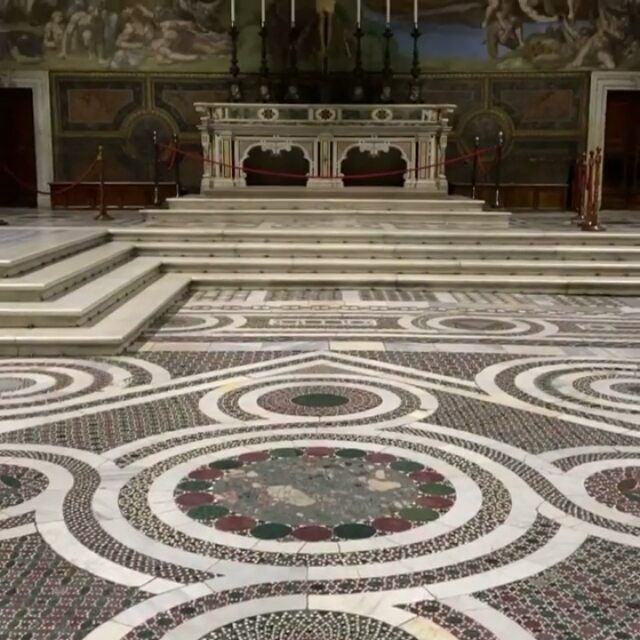
The floor is not even looked at: the crowd present is such as to prevent a broad vision and the pictorial cycles steal the show from everything else.
Although every year the floor is trampled by five million people, it is still in perfect condition. Think about it: almost twenty thousand people per day enter the Sistine Chapel and yet, the Cosmatesque floor resists.
The floor was made using polychrome marbles. In the area intended for the faithful, it presents a series of six concentric circles connected to each other by means of a double spiral to indicate the path of the sacred processions.

The first circle that appears as soon as we enter the Sistine Chapel is in porphyry and much smaller than the others. It indicates the exact point in which the Pope but also the other faithful must genuflect themselves on occasions of sacred celebrations.
From the side towards the altar, the floor is formed by rectangular frames and circles that indicate the position that the seats of the pope and the cardinals must have. Near the altar, part of the flooring was covered to enlarge the tiers.

What is cosmatesco style? It is a special process that appeared for the first time in 1200 AD which owes its name to the two homonymous Cosmas that created it. In this style small pieces of fine polychrome marbles from the remains of buildings from the imperial age are assembled. To the marbles are also added vitreous pastes and porphyry disks, obtained by cutting ancient Roman columns into slices.
The sensation offered by cosmateschi floors is to walk on real stone carpets.
Your always Michelangelo Buonarroti. In the image on the page you can see a portion of the floor in the Sistine Chapel.

Sostienici – Support Us
Se questo blog ti piace e ti appassiona, puoi aiutarci a farlo crescere sempre più sostenendoci in modo concreto condividendo i post, seguendo le pagine social e con un contributo che ci aiuta ad andare avanti con il nostro lavoro di divulgazione. . ENGLISH: If you like and are passionate about this blog, you can help us make it grow more and more by supporting us in a concrete way by sharing posts, following social pages and with a contribution that helps us to move forward with our dissemination work.
5,00 €
ULTIMI ARTICOLI
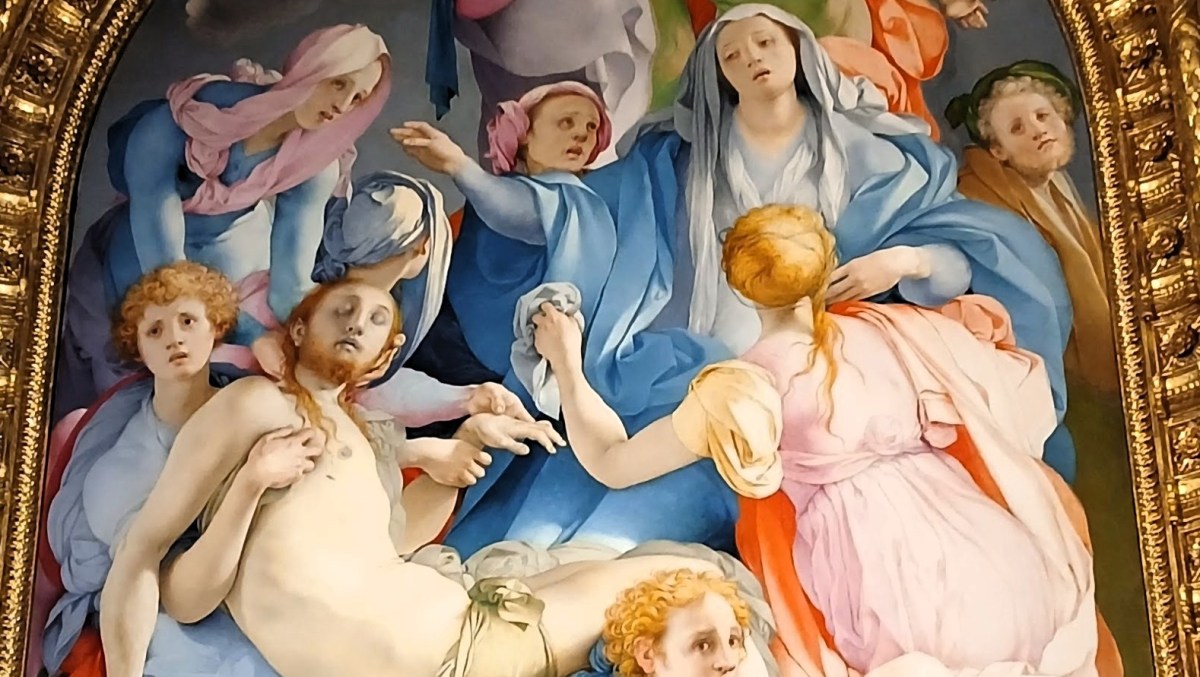
La Deposizione del Pontormo: il capolavoro dell’artista
🇮🇹Ti coinvolge. Ti mette a disagio. Ti costringe a sentire. E’ la Deposizione dalla Croce, dipinta da Jacopo Pontormo tra il 1525 e il 1528 per la Cappella Capponi… 🇬🇧It draws you in. It makes you uncomfortable. It forces you to feel. It’s the Deposition from the Cross, painted by Jacopo Pontormo between 1525 and…
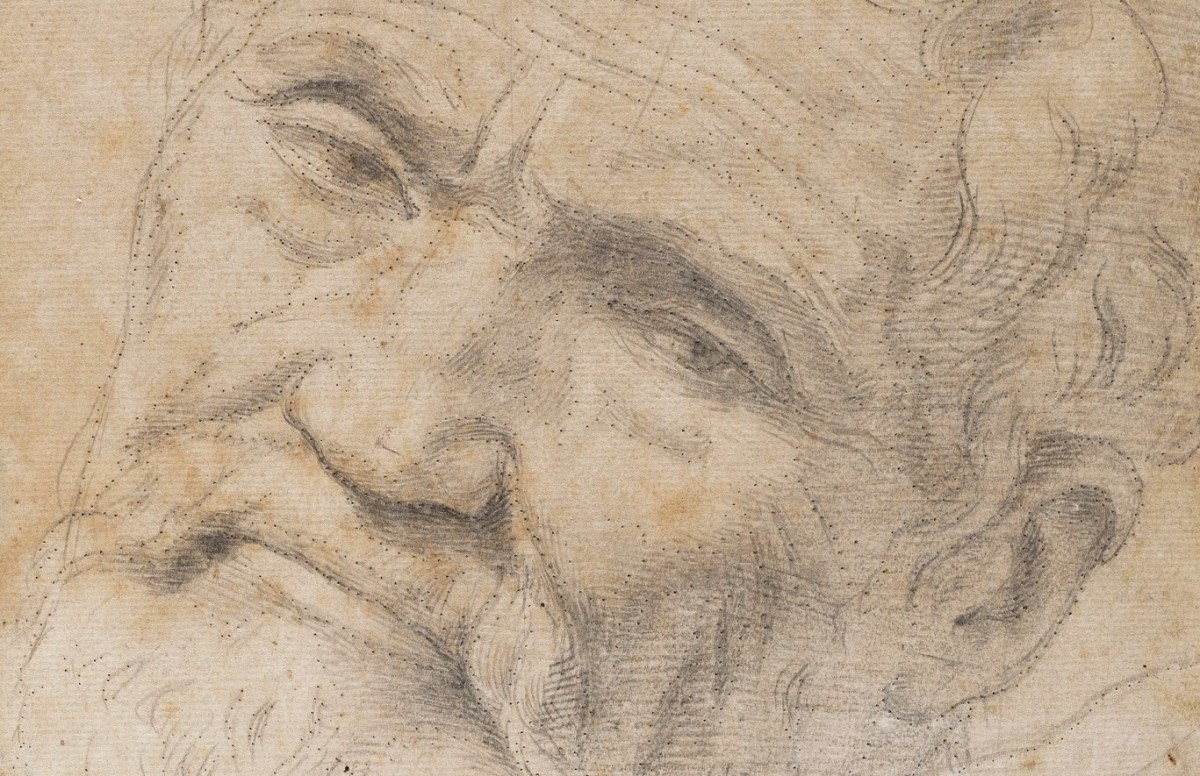
Non chiamatelo Braghettone: il 4 aprile del 1566 muore Daniele da Volterra, l’artista che salvò il Giudizio Universale
🇮🇹Braghettone? No, molto di più. Il 4 aprile 1566 moriva Daniele da Volterra, il mio allievo più fedele, l’uomo che mi rimase accanto fino all’ultimo respiro e che salvò il mio Giudizio Universale dalla distruzione… 🇬🇧Braghettone? No, much more. On April 4, 1566, Daniele da Volterra died, my most faithful student, the man who remained…
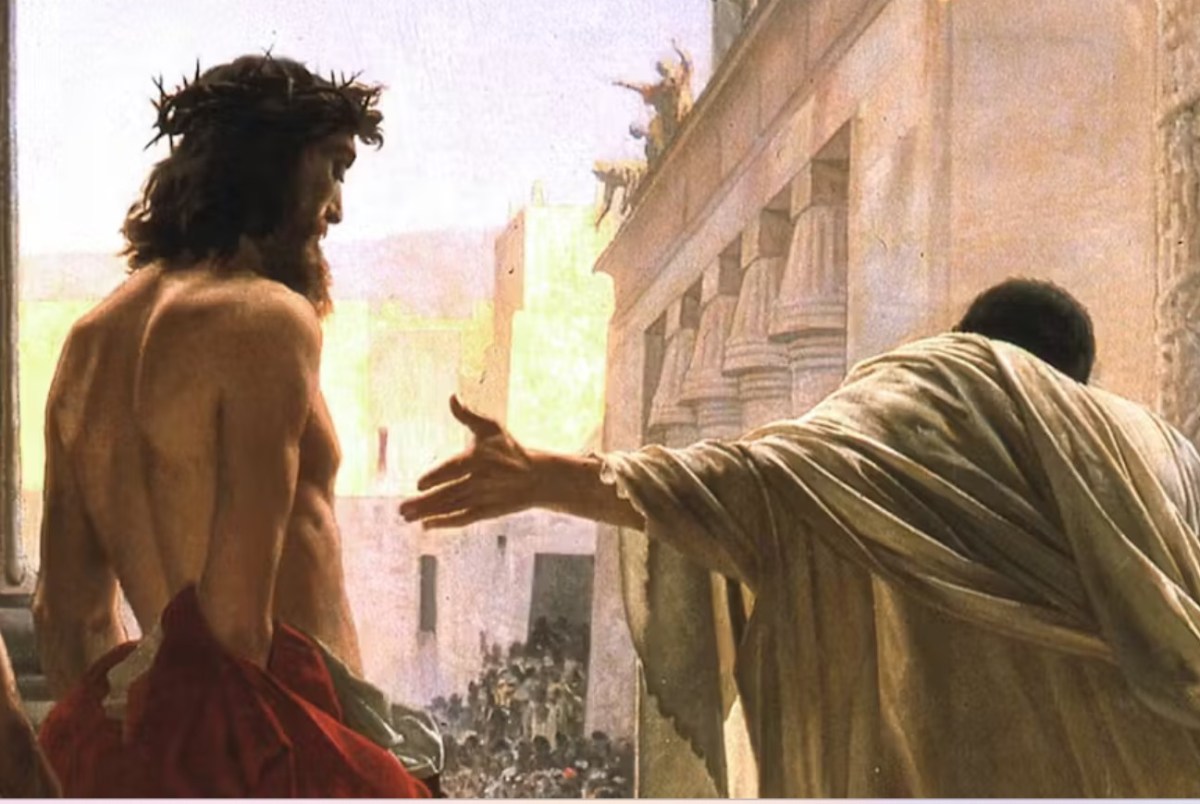
Venerdì Santo: gli “Ecce Homo” più intensi della storia dell’arte
🇮🇹Ecce Homo. Da Antonello da Messina a Tintoretto, fino al sorprendente capolavoro di Antonio Ciseri, questo soggetto ha attraversato i secoli raccontando dolore, umanità e coscienza… 🇬🇧Ecce Homo. From Antonello da Messina to Tintoretto, to Antonio Ciseri’s astonishing masterpiece, this subject has spanned the centuries, recounting pain, humanity, and conscience…
Attacco hacker agli Uffizi: rubati dati sensibili, mappe e codici di sicurezza
🇮🇹Attacco hacker alle Gallerie degli Uffizi: rubati dati sensibili, mappe e sistemi di sicurezza. A rischio opere, archivi e cybersicurezza del patrimonio artistico… 🇬🇧Hacker attack on the Uffizi Galleries: sensitive data, maps, and security systems stolen. Works of art, archives, and the cybersecurity of the artistic heritage are at risk…
Si è verificato un problema. Aggiorna la pagina e/o riprova in seguito.
Condividi:


Questo sono io





sostienici

Sostienici – Support Us
Se questo blog ti piace e ti appassiona, puoi aiutarci a farlo crescere sempre più sostenendoci in modo concreto condividendo i post, seguendo le pagine social e con un contributo che ci aiuta ad andare avanti con il nostro lavoro di divulgazione. . ENGLISH: If you like and are passionate about this blog, you can help us make it grow more and more by supporting us in a concrete way by sharing posts, following social pages and with a contribution that helps us to move forward with our dissemination work.
€10,00


1 commento »