
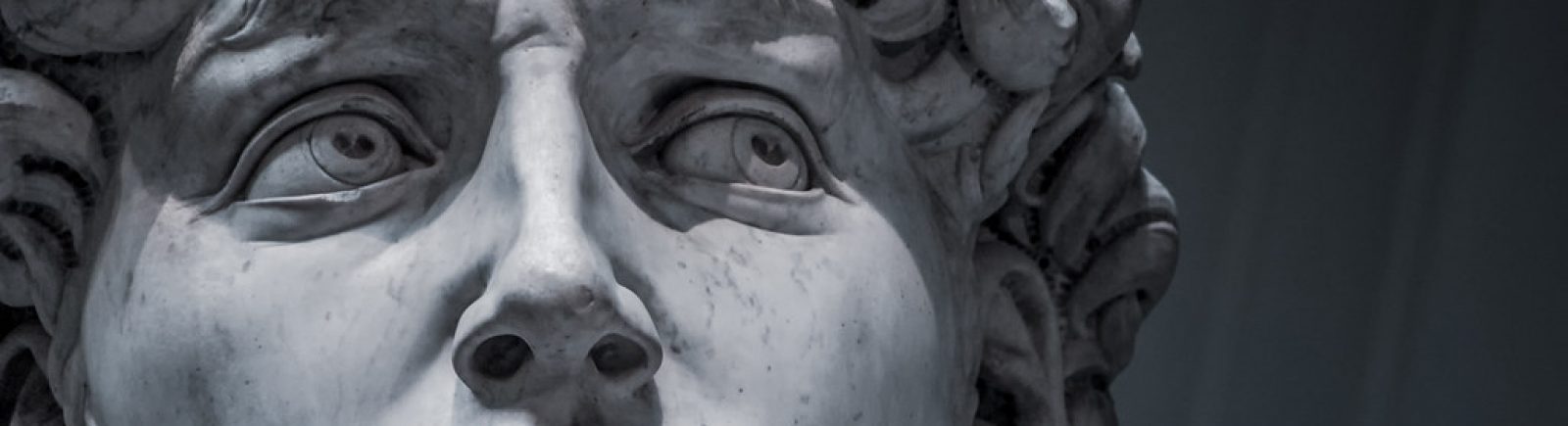
Chi ha detto che ho tirato fuori l’angelo dal marmo?
“Ho visto un angelo nel marmo e ho scolpito fino a liberarlo” Chi ha scritto per primo questa cosa che vedo comparire qua e là a più riprese? Una frase spacciata per mia che me la ritrovo costantemente pubblicata e ricondivisa infinite volte sulle pagine dei vari social, blog, siti e compagnia bella.
Ebbene no, quella roba lì non l’ho detta io. Anche se il concetto potrebbe pure appartenermi la frase non è farina del mio sacco. Ho detto molte altre cose in merito alla scultura ma non in questi termini. Beh, adesso lo sapete. Fatemi un favore: togliete il nome mio da quella frase.
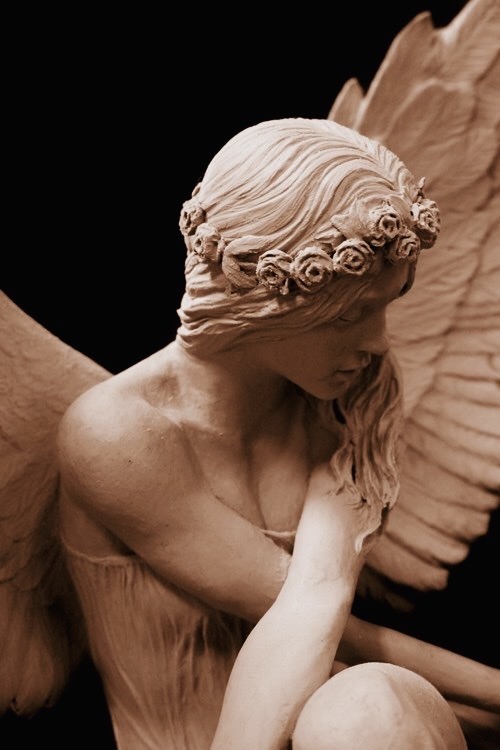
Il bello è che questo aforisma frase viene poi abbinato sui social con l’immagine di un’opera in bronzo di Benjamin Victor, uno scultore a voi contemporaneo che fra le altre cose ho intervistato QUA. Così, per associazione di idee molto fantasiosa, pure quella scultura viene affibbiata a me. Ma dai, usate un po’o di logica: come potrebbe essere mio quel lavoro? Vi posto l’immagine a seguire così capite meglio di cosa stia parlando

Di citazione in citazione, il vostro Michelangelo Buonarroti oggi ve ne lascia una non sua ma comunque autentica. Honoré de Balzac, nella prima metà dell’Ottocento, paragonava la scultura all’arte drammatica in questi termini “La scultura è come l’arte drammatica, la più difficile e insieme la più facile di tutte le arti. Copiate un modello, e l’opera è compiuta; ma imprimervi un’anima, creare un tipo, nel rappresentare un uomo e una donna, è il peccato di Prometeo. Nella scultura questi successi sono rari quanto nell’umanità lo sono i poeti. Michelangelo, Michel Columb, Jean Goujon, Fidia, Prassitele, Policleto, Puget, Canova, Albrect Durer sono i fratelli di Milton, di Virgilio, di Dante, di Shakespeare, di Tasso, di Omero e di Molière. L’opera di questi scultori è così grandiosa che basta una sola statua a rendere immortale uno di loro.”

Who said that I took the angel out of the marble?
“I saw an angel in the marble and I sculpted to free him”. Who wrote this first thing that I see appearing everywhere? A sentence passed off for me that I find published and re-shared endless times on the pages of social media, blogs, sites and company. Well no, that sentence I did not say it. Even if the concept could belong to me, the sentence is not mine. I have said many other things about sculpture but not in these terms. Well, you know it now. Do me a favor: remove my name from that sentence.
This phrase is then combined on social media with the image of a bronze work by Benjamin Victor, a sculptor contemporary to you. Thus, by association of very imaginative ideas, even that sculpture is given to me. But come on, use a bit of logic: how could that work be mine? I’ll post the image to follow so you understand better what you’re talking about.
Quote by quote, your Michelangelo Buonarroti today leaves one that is not his but nevertheless authentic. Honoré de Balzac, in the first half of the nineteenth century, compared sculpture to dramatic art in these terms “Sculpture is like the dramatic art, the most difficult and at the same time the easiest of all the arts. ‘work is accomplished, but to imprint a soul, to create a type, in representing a man and a woman, is the sin of Prometheus.In sculpture these successes are rare as in humanity are the poets.Michelangelo, Michel Columb, Jean Goujon, Fidia, Prassitele, Policleto, Puget, Canova, Albrect Durer are the brothers of Milton, of Virgil, of Dante, of Shakespeare, of Tasso, of Homer and of Molière.The work of these sculptors is so great that it takes only one only statue to make one of them immortal. “


Sostienici – Support Us
Se questo blog ti piace e ti appassiona, puoi aiutarci a farlo crescere sempre più sostenendoci in modo concreto condividendo i post, seguendo le pagine social e con un contributo che ci aiuta ad andare avanti con il nostro lavoro di divulgazione. . ENGLISH: If you like and are passionate about this blog, you can help us make it grow more and more by supporting us in a concrete way by sharing posts, following social pages and with a contribution that helps us to move forward with our dissemination work.
5,00 €
ULTIMI ARTICOLI
Festival La Versiliana 2026: tra musica, teatro e grandi narrazioni
Dal 17 luglio al 23 agosto 2026, la pineta di Marina di Pietrasanta ospiterà la 47ª edizione del Festival La Versiliana. Una kermesse aperta a tutti nella quale linguaggi diversi dialogano tra loro in un equilibrio tra tradizione e contemporaneità.
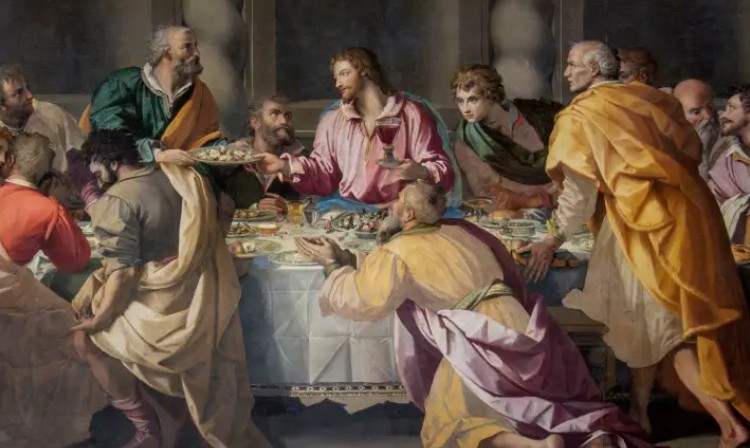
Giovedì Santo: l’Ultima Cena di Allori che pochi conoscono a Firenze
🇮🇹Nel cuore di Museo di Santa Maria Novella, a Firenze, si conserva una delle interpretazioni più affascinanti e meno note dell’Ultima Cena: quella realizzata da Alessandro Allori nel 1584… 🇬🇧In the heart of the Santa Maria Novella Museum in Florence, one of the most fascinating and least-known interpretations of the Last Supper is preserved: the…
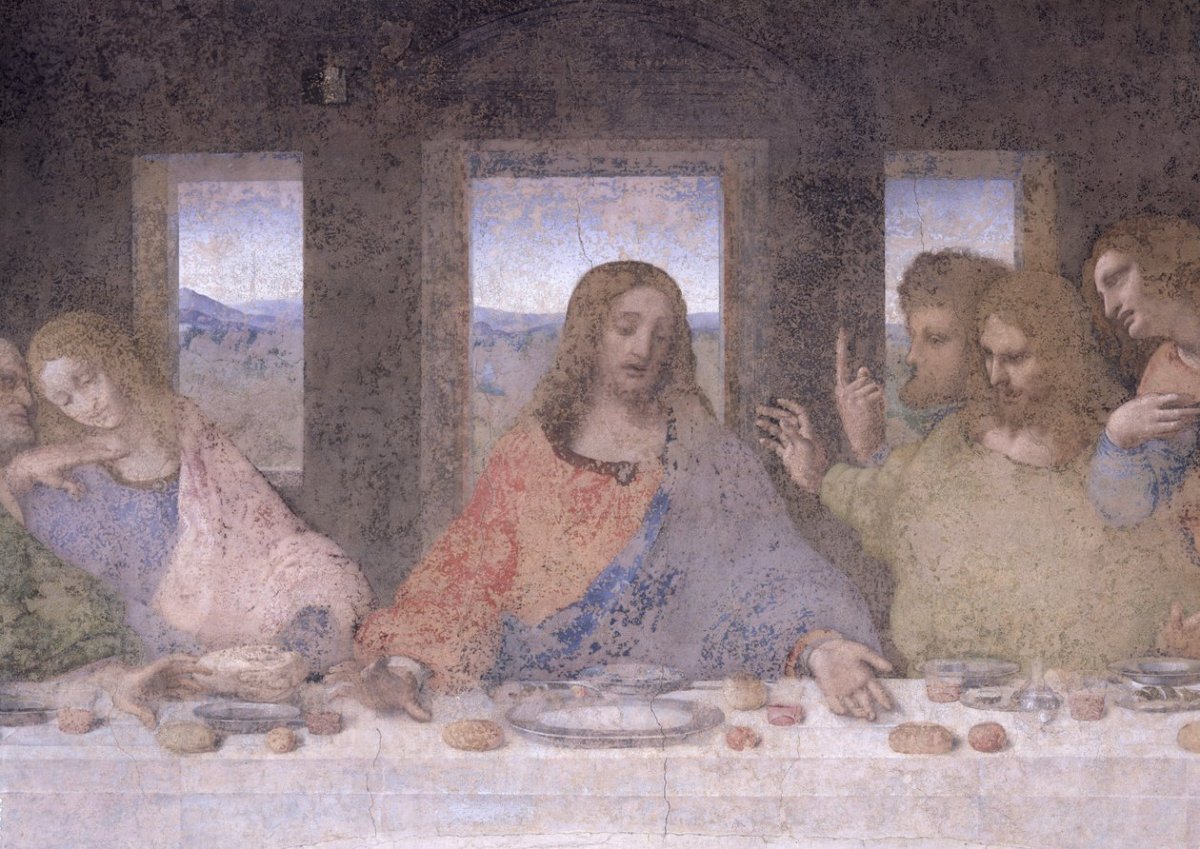
Cenacolo di Leonardo: i dettagli che raccontano il tradimento
🇮🇹Nel Cenacolo di Leonardo da Vinci, custodito a Santa Maria delle Grazie, Cristo annuncia il tradimento e il tempo si ferma… 🇬🇧In Leonardo da Vinci’s Last Supper, housed in Santa Maria delle Grazie, Christ announces the betrayal and time stands still…
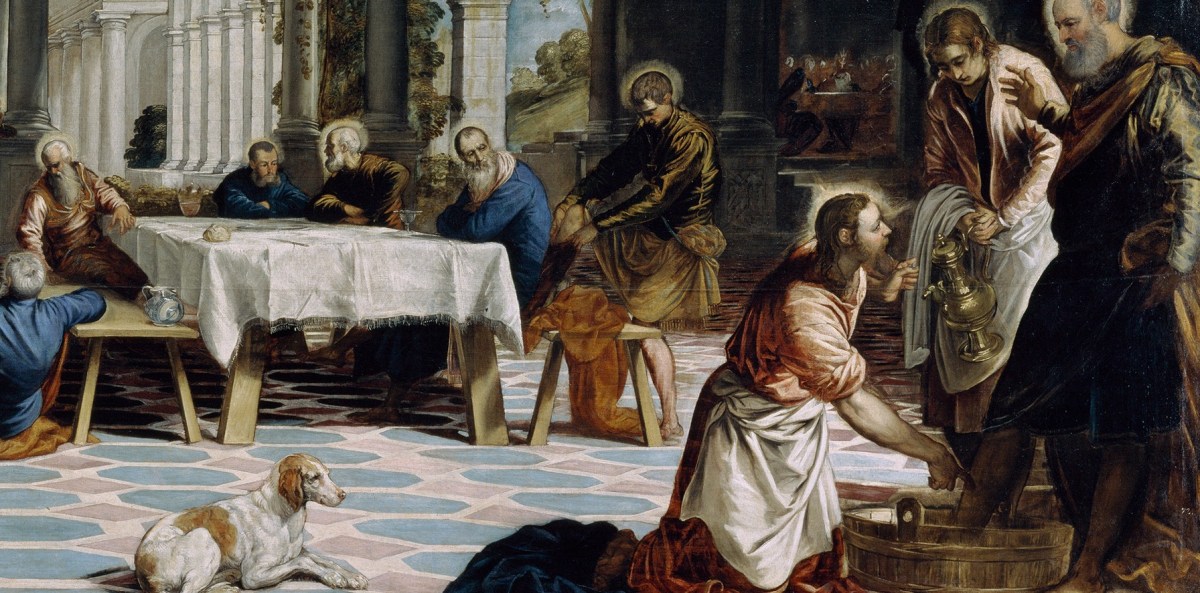
La Lavanda dei Piedi di Tintoretto: Il Capolavoro Veneziano al Prado
🇮🇹Tra i capolavori più affascinanti del Rinascimento veneziano, “La Lavanda dei Piedi” di Jacopo Tintoretto rappresenta un perfetto equilibrio tra spiritualità, innovazione compositiva e straordinaria forza narrativa… 🇬🇧Among the most fascinating masterpieces of the Venetian Renaissance, Jacopo Tintoretto’s “The Washing of the Feet” represents a perfect balance between spirituality, compositional innovation, and extraordinary narrative force…
Si è verificato un problema. Aggiorna la pagina e/o riprova in seguito.
Condividi:


Questo sono io





sostienici

Sostienici – Support Us
Se questo blog ti piace e ti appassiona, puoi aiutarci a farlo crescere sempre più sostenendoci in modo concreto condividendo i post, seguendo le pagine social e con un contributo che ci aiuta ad andare avanti con il nostro lavoro di divulgazione. . ENGLISH: If you like and are passionate about this blog, you can help us make it grow more and more by supporting us in a concrete way by sharing posts, following social pages and with a contribution that helps us to move forward with our dissemination work.
€10,00


