
Codice Atlantico di Leonardo da Vinci: 7 curiosità sorprendenti
Il Codice Atlantico è la più grande raccolta di disegni e appunti di Leonardo da Vinci, composta da oltre 1000 fogli realizzati nell’arco di tutta la sua vita. Non è solo un’opera d’arte o un documento storico: è una finestra diretta sul funzionamento della sua mente.
Tra progetti visionari, studi scientifici e riflessioni filosofiche, questo straordinario corpus rappresenta uno dei patrimoni culturali più importanti al mondo.
Perché si chiama Codice Atlantico
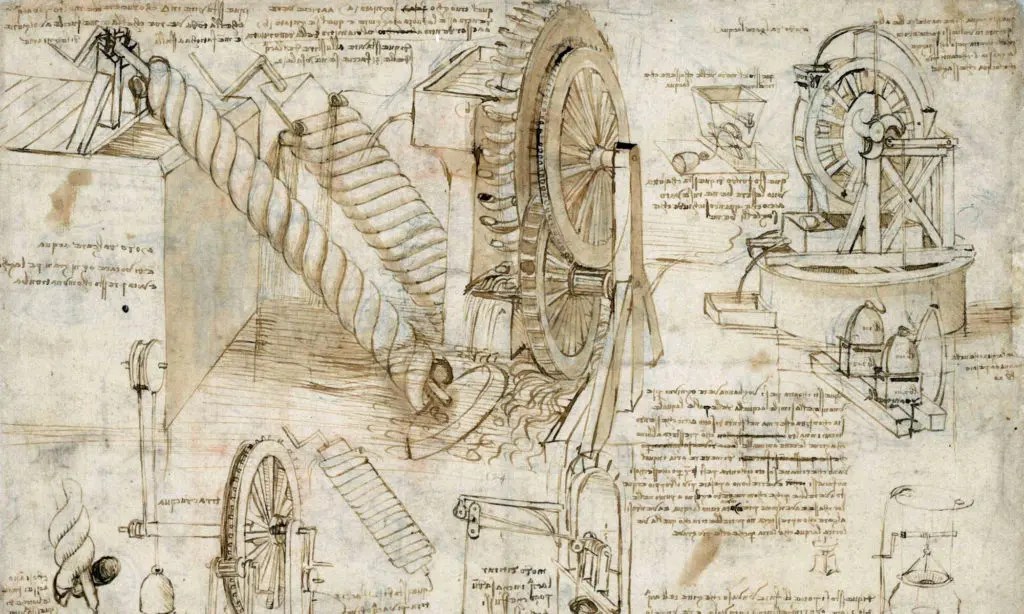
Il nome deriva semplicemente dal grande formato del volume, simile a quello degli atlanti geografici. Fu attribuito quando l’opera venne trasferita in Francia durante le campagne napoleoniche, un dettaglio che spesso sorprende chi si aspetta un significato più “misterioso”.
Una storia movimentata tra dispersioni e salvataggi
Dopo la morte di Leonardo nel 1519, i manoscritti furono affidati all’allievo Francesco Melzi, che li custodì gelosamente. Tuttavia, il figlio Orazio ne causò la dispersione.
Un passaggio cruciale avvenne grazie allo scultore Pompeo Leoni, che recuperò molti fogli ma li tagliò e riassemblò, privilegiando l’impatto visivo rispetto all’ordine originale.
Nel 1637 il manoscritto fu donato alla Biblioteca Ambrosiana, dove è tuttora conservato.
Cosa contiene il Codice Atlantico
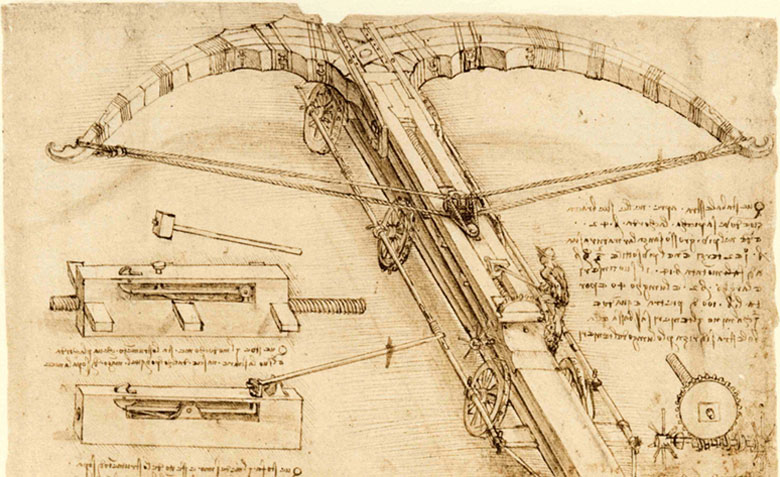
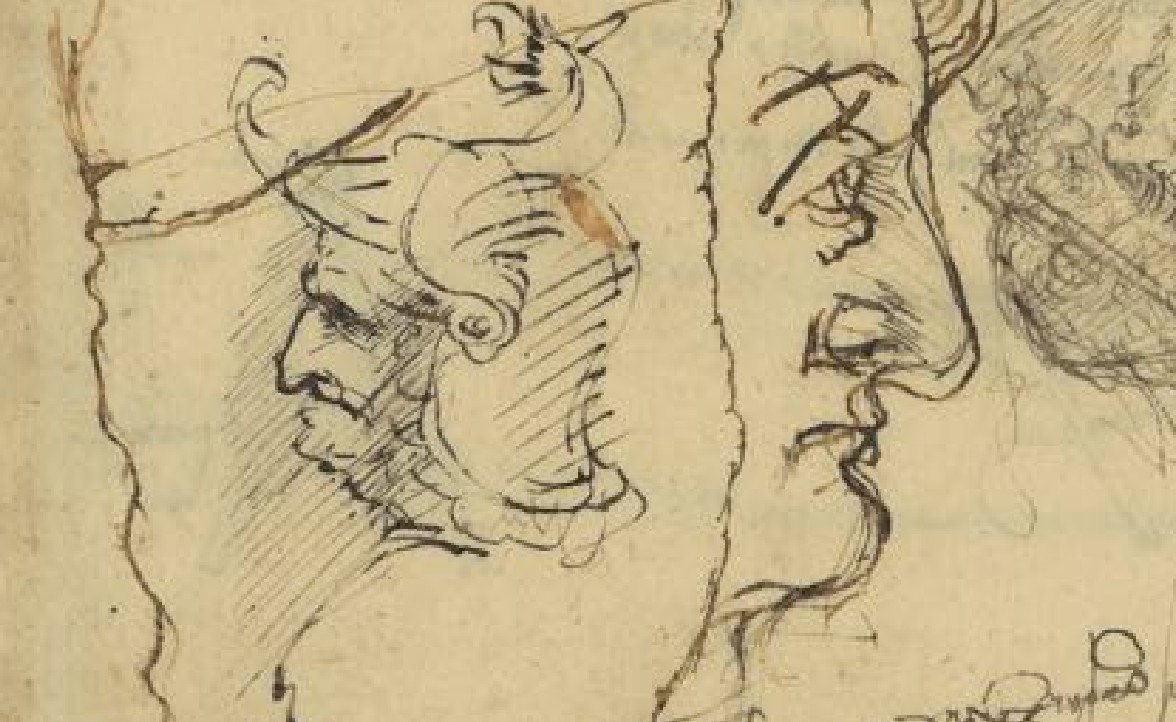
All’interno troviamo una varietà impressionante di contenuti: dalle macchine volanti e studi sul volo ai progetti militari e ingegneristici, dagli studi di anatomia e fisiognomica alle osservazioni su luce, prospettiva e percezione.
Nel Codice Atlantico sono custoditi anche schizzi artistici e idee per dipinti così come appunti filosofici e persino racconti. Per Leonardo, arte e scienza erano inseparabili: ogni disegno era un esperimento.
7 curiosità sorprendenti sul Codice Atlantico
1. Scriveva “al contrario”
Leonardo utilizzava la celebre scrittura speculare, da destra a sinistra. Questo dettaglio fu così insolito che, durante la restituzione delle opere dopo Congresso di Vienna, qualcuno scambiò i suoi appunti per caratteri cinesi!
2. Fu salvato per un soffio
Il recupero del Codice da Parigi avvenne anche grazie all’intervento deciso di Antonio Canova, che impedì che venisse lasciato in Francia.
3. Non è più un “codice” unico
Oggi non esiste più come volume unico: dopo restauri complessi, i fogli sono stati separati e conservati singolarmente per garantirne la sopravvivenza.
4. Contiene 1119 fogli ricostruiti
Il lavoro di restauro del Novecento ha portato alla ricostruzione di 1119 fogli, molti dei quali erano stati smembrati e riassemblati nei secoli precedenti.
5. I fogli riposano più di quanto vengano esposti
Per motivi conservativi, ogni foglio può essere esposto solo per circa 90 giorni, poi deve restare al buio per anni. Un equilibrio delicato tra tutela e fruizione.
6. Leonardo anticipa il metodo scientifico
Nel Codice emerge chiaramente un approccio basato su osservazione, esperimento e verifica continua: elementi che anticipano la scienza moderna.
7. Disegnare era il suo modo di pensare
Per Leonardo, il disegno non era rappresentazione ma conoscenza. Ogni tratto serviva a capire le leggi della natura, dai moti dell’aria alle espressioni del volto umano.
Il sogno del volo e la scoperta del limite umano
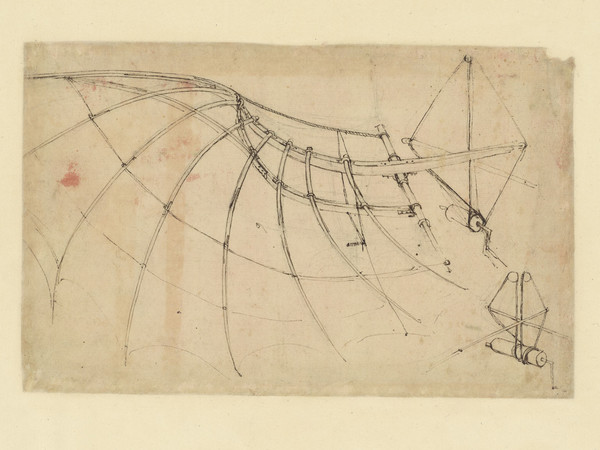
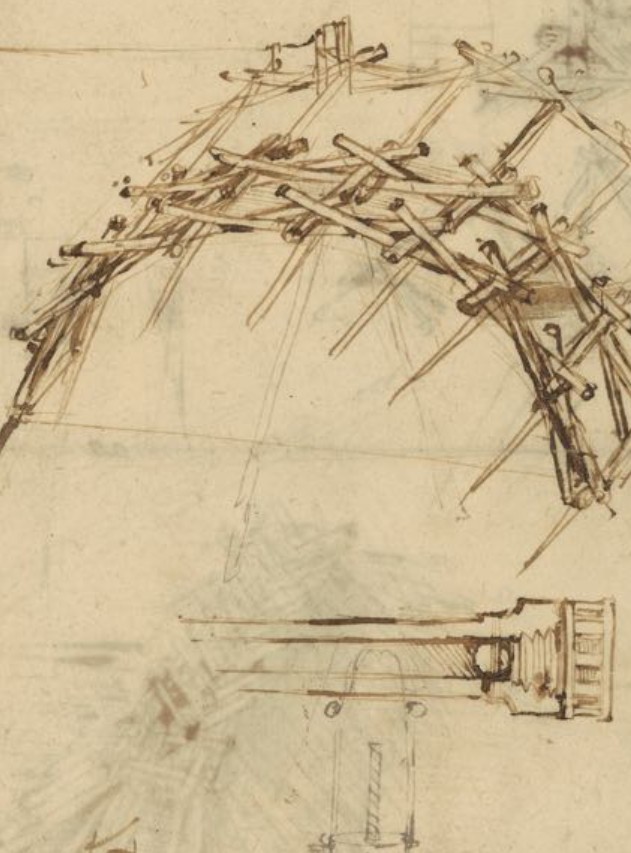
Tra gli studi più affascinanti ci sono quelli sul volo. Leonardo analizzò ali, aria e movimento con precisione incredibile, arrivando però a una conclusione rivoluzionaria: l’uomo non può volare imitando direttamente gli uccelli.
Questa consapevolezza dimostra la sua grandezza: non solo immaginava, ma sapeva anche riconoscere i limiti della realtà.
Dove si trova oggi il Codice Atlantico
Il Codice Atlantico è conservato presso la Biblioteca Ambrosiana, in un ambiente altamente controllato chiamato “Stanza del Tesoro”.
Alcuni fogli vengono esposti a rotazione nella Sala Federiciana, permettendo al pubblico di ammirare periodicamente questo capolavoro senza comprometterne la conservazione.
Perché il Codice Atlantico è più attuale che mai
Il Codice Atlantico parla anche al presente. I temi affrontati da Leonardo — tecnologia, natura, corpo umano, conoscenza — sono oggi più rilevanti che mai.
In un mondo iper-specializzato, la sua visione interdisciplinare rappresenta una lezione potentissima: capire davvero qualcosa significa guardarla da ogni prospettiva.
Per il momento il sempre vostro Michelangelo Buonarroti vi saluta dandovi appuntamento ai prossimi post e sui social.
Leonardo da Vinci’s Codex Atlanticus: 7 Surprising Facts
The Codex Atlanticus is the largest collection of Leonardo da Vinci’s drawings and notes, comprising over 1,000 sheets created throughout his life. It’s not just a work of art or a historical document: it’s a direct window into the workings of his mind.
From visionary projects to scientific studies and philosophical reflections, this extraordinary corpus represents one of the world’s most important cultural heritages.
Why is it called the Codex Atlanticus?
The name simply derives from the volume’s large format, similar to that of geographical atlases. It was given when the work was transferred to France during the Napoleonic campaigns, a detail that often surprises those expecting a more “mysterious” meaning.
A turbulent history of dispersion and rescue
After Leonardo’s death in 1519, the manuscripts were entrusted to his pupil Francesco Melzi, who jealously guarded them. However, his son Orazio caused their dispersion.
A crucial step was taken by the sculptor Pompeo Leoni, who recovered many sheets but cut and reassembled them, prioritizing visual impact over the original order.
In 1637, the manuscript was donated to the Biblioteca Ambrosiana, where it is still preserved today.
What the Codex Atlanticus contains
Inside, we find an impressive variety of contents: from flying machines and studies on flight to military and engineering projects, from anatomical and physiognomic studies to observations on light, perspective, and perception.
The Codex Atlanticus also contains artistic sketches and ideas for paintings, as well as philosophical notes and even stories. For Leonardo, art and science were inseparable: every drawing was an experiment.
7 Surprising Facts About the Codex Atlanticus
- He Wrote “Backwards”
Leonardo used the famous mirror-image writing, from right to left. This detail was so unusual that, during the restitution of the works after the Congress of Vienna, someone mistook his notes for Chinese characters! - It was saved by a hair’s breadth
The Codex was recovered from Paris thanks in part to the decisive intervention of Antonio Canova, who prevented it from being left in France. - It is no longer a single “codex”
Today it no longer exists as a single volume: after complex restorations, the folios were separated and preserved individually to ensure their survival. - It contains 1,119 reconstructed folios
The 20th-century restoration work led to the reconstruction of 1,119 folios, many of which had been dismembered and reassembled in previous centuries. - The folios rest longer than they are displayed
For conservation reasons, each folio can only be displayed for about 90 days, then must remain in the dark for years. A delicate balance between protection and enjoyment. - Leonardo anticipates the scientific method
The Codex clearly demonstrates an approach based on observation, experiment, and continuous verification: elements that anticipate modern science. - Drawing was his way of thinking
For Leonardo, drawing was not representation but knowledge. Every stroke served to understand the laws of nature, from the motion of the air to the expressions of the human face.
The dream of flight and the discovery of human limits
Among his most fascinating studies are those on flight. Leonardo analyzed wings, air, and movement with incredible precision, but reached a revolutionary conclusion: humans cannot fly by directly imitating birds.
This awareness demonstrates his greatness: he not only imagined, but also recognized the limits of reality.
Where is the Codex Atlanticus today?
The Codex Atlanticus is housed at the Biblioteca Ambrosiana, in a highly controlled environment called the “Treasure Room.”
Some sheets are displayed on rotation in the Sala Federiciana, allowing the public to periodically admire this masterpiece without compromising its preservation.
Why the Codex Atlanticus is more relevant than ever
The Codex Atlanticus also speaks to the present. The themes explored by Leonardo—technology, nature, the human body, knowledge—are more relevant today than ever.
In a hyper-specialized world, his interdisciplinary vision holds a powerful lesson: truly understanding something means looking at it from every perspective.

Sostienici – Support Us
Se questo blog ti piace e ti appassiona, puoi aiutarci a farlo crescere sempre più sostenendoci in modo concreto condividendo i post, seguendo le pagine social e con un contributo che ci aiuta ad andare avanti con il nostro lavoro di divulgazione. . ENGLISH: If you like and are passionate about this blog, you can help us make it grow more and more by supporting us in a concrete way by sharing posts, following social pages and with a contribution that helps us to move forward with our dissemination work.
10,00 €


Condividi:


Questo sono io





sostienici

Sostienici – Support Us
Se questo blog ti piace e ti appassiona, puoi aiutarci a farlo crescere sempre più sostenendoci in modo concreto condividendo i post, seguendo le pagine social e con un contributo che ci aiuta ad andare avanti con il nostro lavoro di divulgazione. . ENGLISH: If you like and are passionate about this blog, you can help us make it grow more and more by supporting us in a concrete way by sharing posts, following social pages and with a contribution that helps us to move forward with our dissemination work.
€10,00


Grazie. Buona giornata.
"Mi piace"Piace a 1 persona
:-*
"Mi piace"Piace a 1 persona