
31 marzo 1889: inaugurata la Torre Eiffel tra critiche feroci e un destino inaspettato
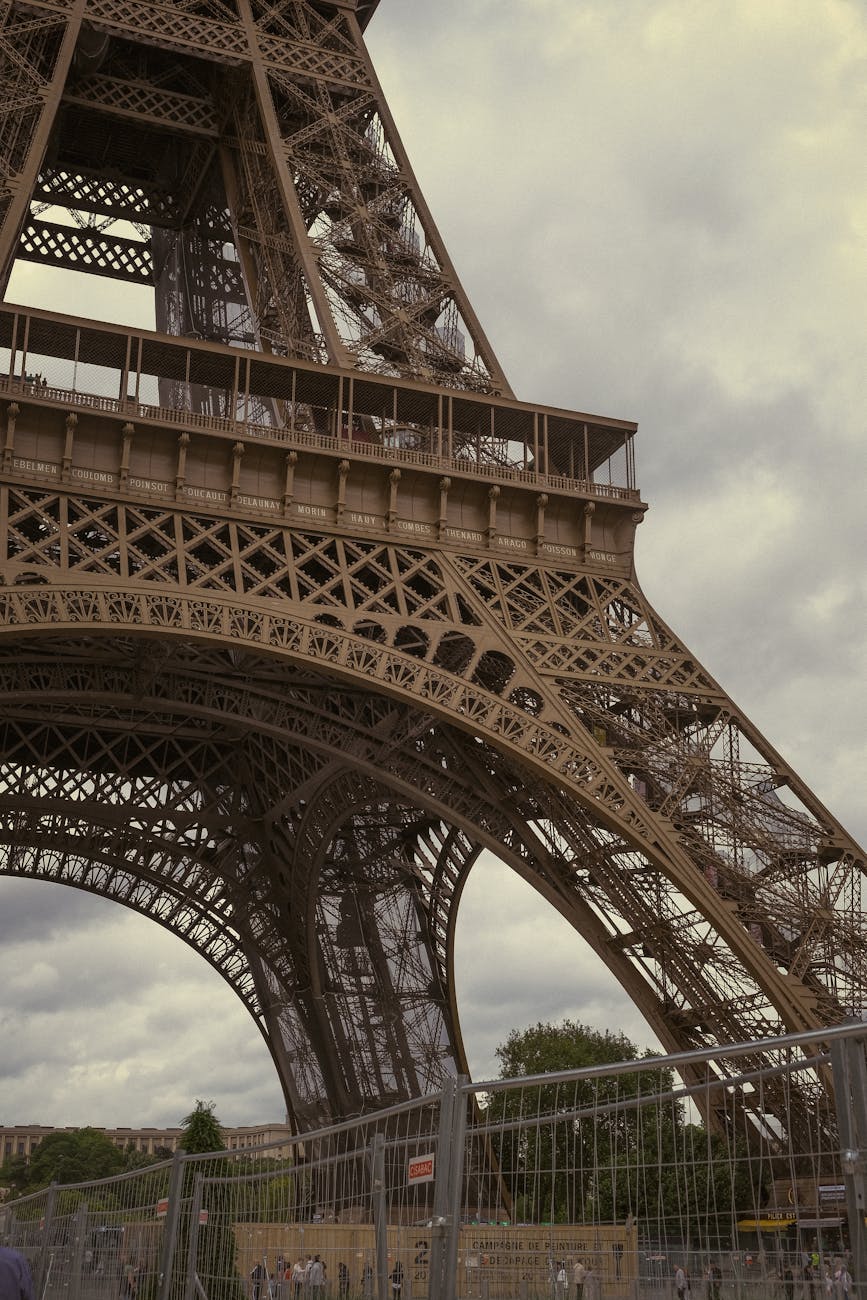
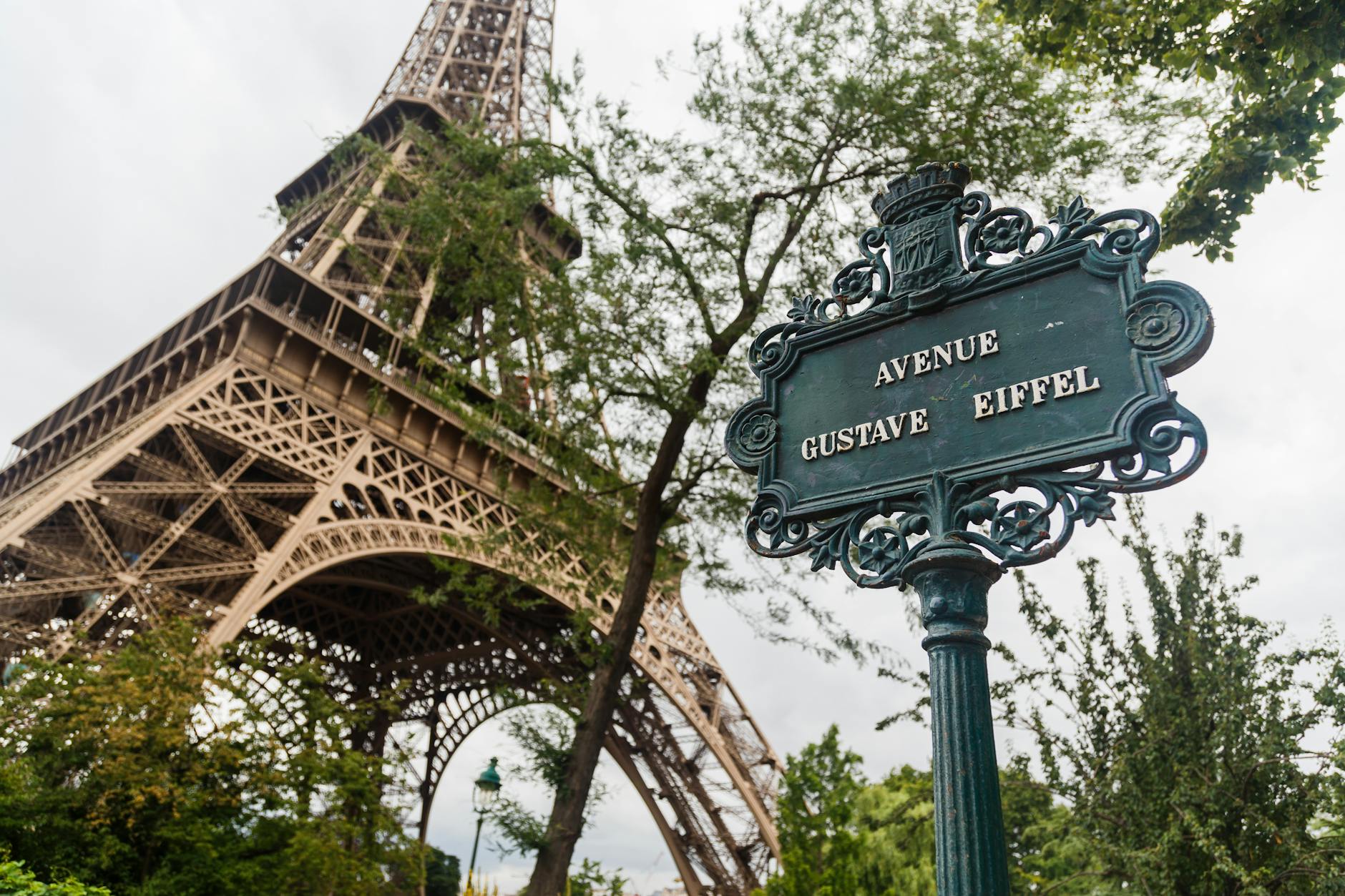
Il 31 marzo 1889 segna una data destinata a cambiare per sempre il volto di Parigi e dell’immaginario collettivo globale: viene inaugurata la Torre Eiffel, l’opera più audace e discussa del suo tempo. Oggi è il monumento più visitato al mondo, ma la sua storia è fatta di polemiche, sfide ingegneristiche e curiosità sorprendenti.
La nascita di un’idea rivoluzionaria
Tutto inizia in occasione dell’Esposizione Universale del 1889, organizzata per celebrare il centenario della Rivoluzione francese. La Francia vuole stupire il mondo con qualcosa di mai visto: una struttura gigantesca, simbolo di progresso e modernità.
Il progetto viene affidato all’ingegnere Gustave Eiffel, già noto per opere innovative. La sua proposta è ambiziosa: una torre in ferro alta oltre 300 metri, qualcosa che all’epoca sembrava quasi impossibile.
Una costruzione record tra sfide e innovazione
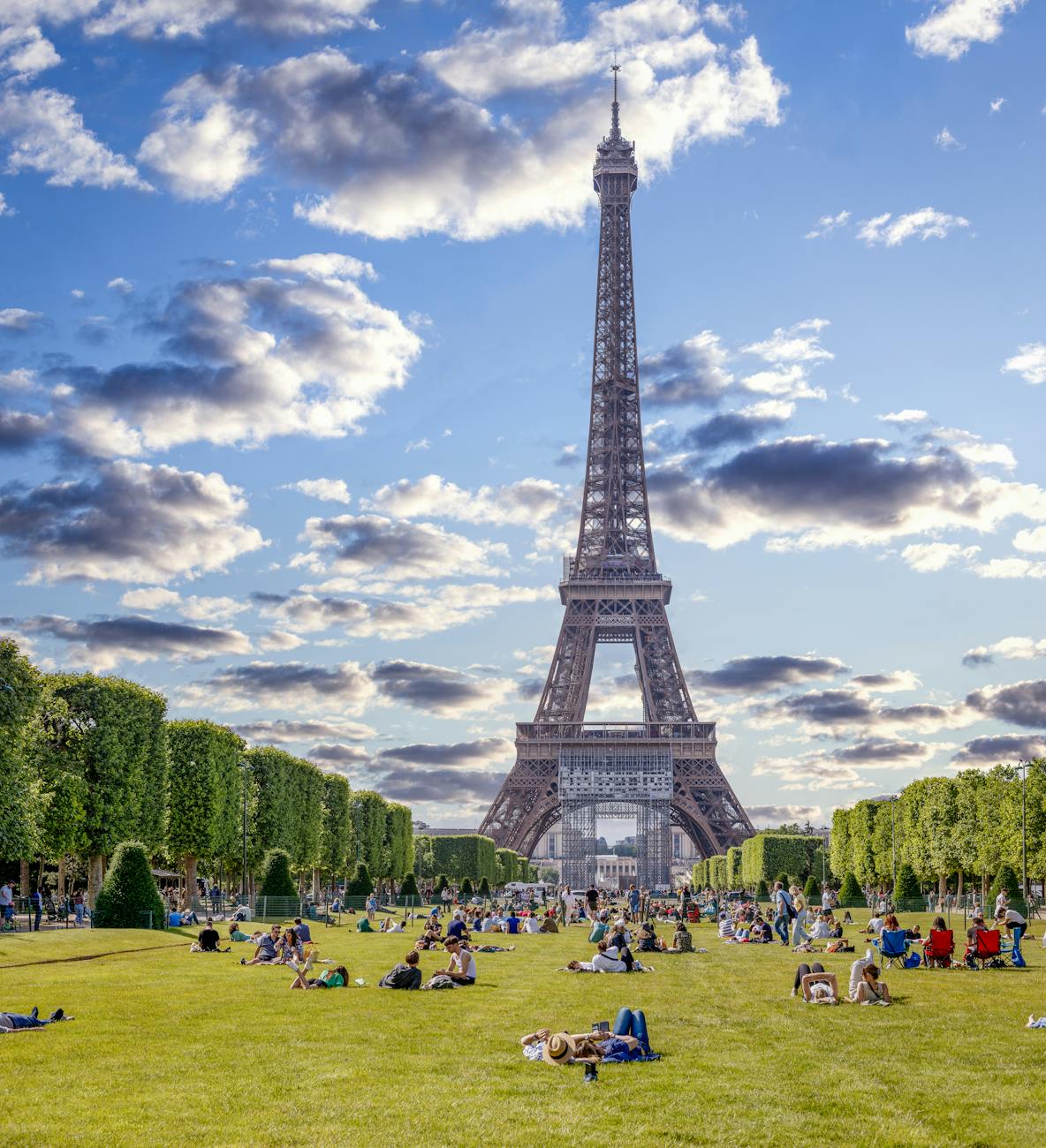
I lavori iniziano nel 1887 e durano appena due anni, un tempo incredibilmente breve per un’opera di tale portata. Più di 18.000 pezzi di ferro vengono assemblati con oltre 2,5 milioni di rivetti, dando vita a una struttura che pesa più di 10.000 tonnellate.
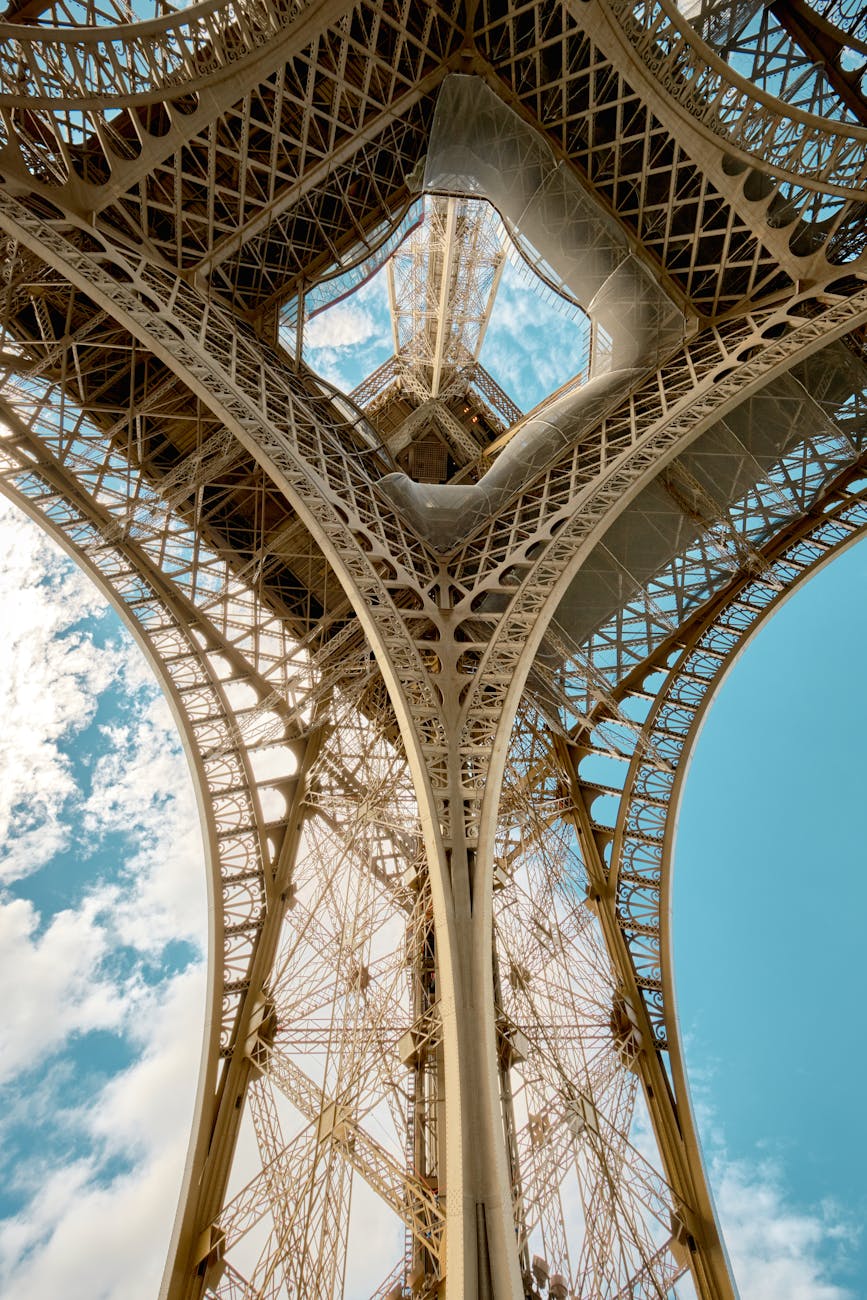
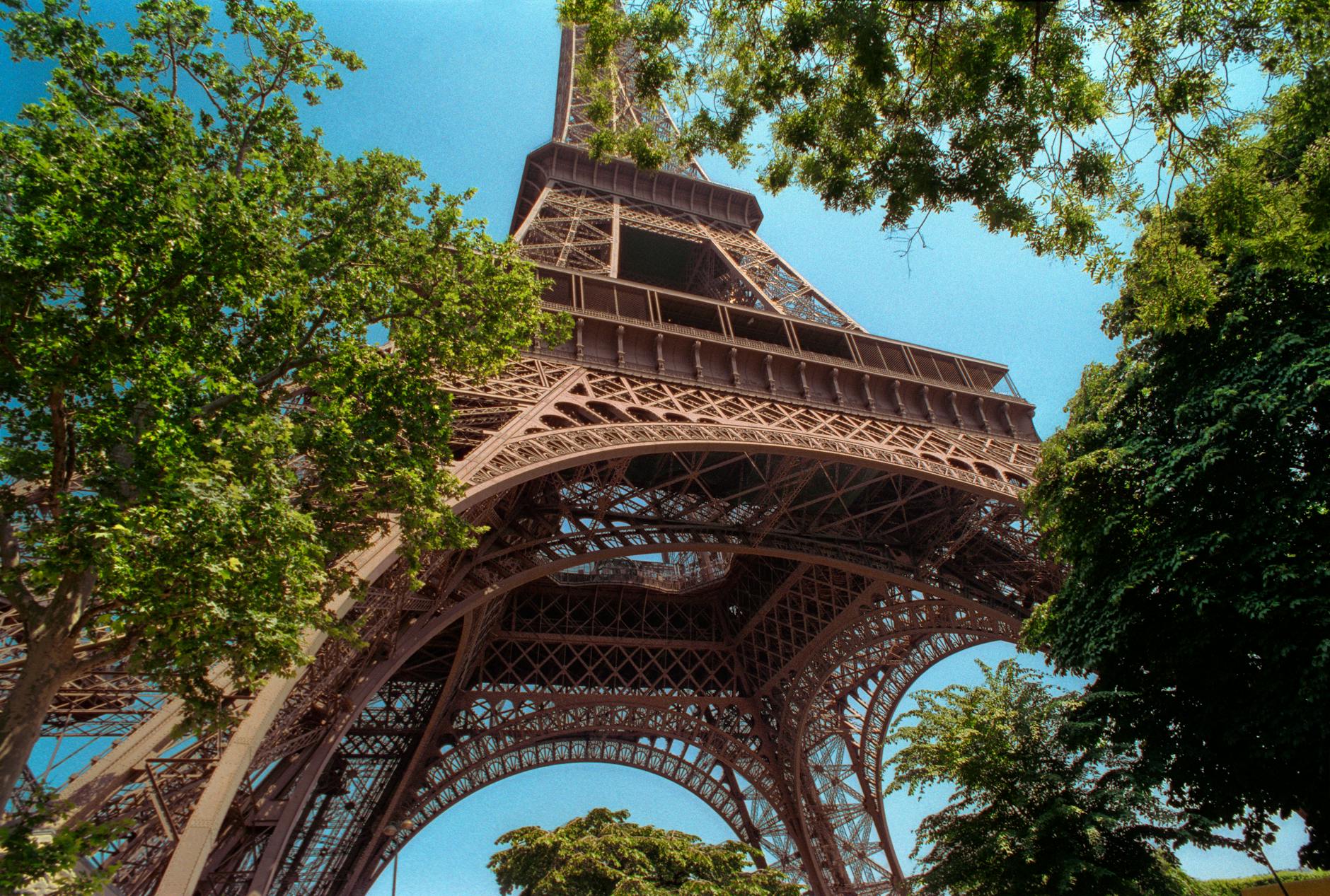
La costruzione della Torre Eiffel rappresenta una vera rivoluzione ingegneristica. Per la prima volta si utilizza in modo così esteso il ferro come elemento strutturale visibile, trasformando un materiale industriale in arte architettonica.
Nonostante le difficoltà tecniche, il cantiere procede con una precisione quasi matematica. Gli operai lavorano sospesi nel vuoto, senza le moderne misure di sicurezza, eppure gli incidenti sono sorprendentemente pochi.
Le polemiche: “un mostro di ferro nel cuore di Parigi”
Oggi amata da milioni di turisti, la Torre Eiffel fu inizialmente odiata da molti parigini. Alcuni tra i più importanti artisti e intellettuali dell’epoca firmarono una petizione contro la sua costruzione, definendola un “mostro inutile e mostruoso”.
Tra i critici c’erano nomi illustri della cultura francese, convinti che la torre avrebbe deturpato l’eleganza classica di Parigi. Ironia della sorte, proprio quella struttura tanto criticata diventerà il simbolo indiscusso della città.
Da opera temporanea a icona mondiale
Pochi sanno che la Torre Eiffel doveva essere smantellata dopo appena 20 anni. Era stata concepita come installazione temporanea per l’Esposizione Universale.
A salvarla dalla demolizione fu il suo utilizzo scientifico e tecnologico. Eiffel intuì il potenziale della torre come antenna per le telecomunicazioni, rendendola utile per esperimenti e trasmissioni radio. Questo la trasformò da struttura provvisoria a patrimonio permanente.
Curiosità sorprendenti sulla Torre Eiffel
La Torre Eiffel cambia leggermente altezza durante l’anno. In estate, a causa del calore, il metallo si espande e la struttura può crescere di alcuni centimetri.
Un’altra curiosità riguarda lo stesso Gustave Eiffel, che aveva un appartamento segreto in cima alla torre. Non era aperto al pubblico e veniva usato per incontri esclusivi con scienziati e personalità importanti.
Durante la Seconda guerra mondiale, quando Adolf Hitler visitò Parigi, i francesi tagliarono i cavi degli ascensori per impedirgli di salire facilmente sulla torre. Si racconta che Hitler abbia rinunciato alla salita.
Oggi la Torre Eiffel non è un’icona universale di ingegno e bellezza. Da progetto contestato a meraviglia del mondo moderno, la sua storia dimostra come le grandi idee spesso nascano tra dubbi e resistenze.
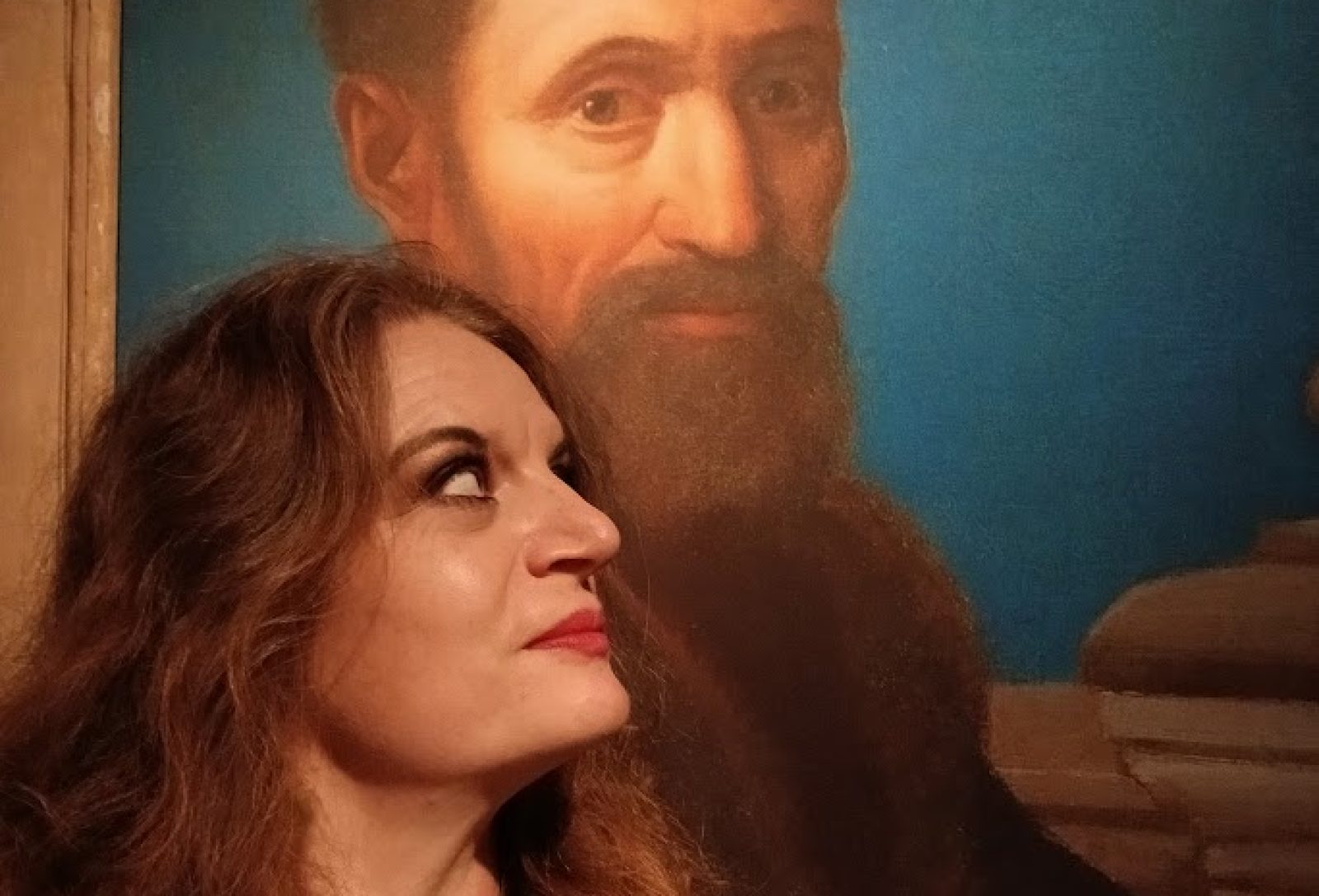
Per il momento il sempre vostro Michelangelo Buonarroti vi saluta dandovi appuntamento ai prossimi post e sui social.
March 31, 1889: The Eiffel Tower is inaugurated amid fierce criticism and an unexpected fate
March 31, 1889, marked a date destined to forever change the face of Paris and the global collective imagination: the inauguration of the Eiffel Tower, the most audacious and controversial work of its time. Today it is the most visited monument in the world, but its history is one of controversy, engineering challenges, and surprising curiosities.
The birth of a revolutionary idea
It all began at the 1889 Universal Exhibition, organized to celebrate the centenary of the French Revolution. France wanted to amaze the world with something never seen before: a gigantic structure, a symbol of progress and modernity.
The project was entrusted to engineer Gustave Eiffel, already known for his innovative works. His proposal was ambitious: an iron tower over 300 meters high, something that at the time seemed almost impossible.
A record-breaking construction between challenges and innovation
Construction began in 1887 and lasted just two years, an incredibly short time for a project of this magnitude. More than 18,000 pieces of iron were assembled with over 2.5 million rivets, creating a structure weighing over 10,000 tons.
The construction of the Eiffel Tower represented a true engineering revolution. For the first time, iron was used so extensively as a visible structural element, transforming an industrial material into architectural art.
Despite the technical difficulties, the construction site proceeded with almost mathematical precision. The workers labored suspended in mid-air, without modern safety measures, yet accidents were surprisingly few.
The Controversy: “An Iron Monster in the Heart of Paris”
Today beloved by millions of tourists, the Eiffel Tower was initially hated by many Parisians. Some of the most important artists and intellectuals of the time signed a petition against its construction, calling it a “useless and monstrous monster.”
Among the critics were illustrious figures in French culture, convinced that the tower would deface the classical elegance of Paris. Ironically, this much-criticized structure would become the undisputed symbol of the city.
From temporary work to global icon
Few people know that the Eiffel Tower was supposed to be dismantled after just 20 years. It was conceived as a temporary installation for the World’s Fair.
What saved it from demolition was its scientific and technological use. Eiffel recognized the tower’s potential as a telecommunications antenna, making it useful for experiments and radio broadcasts. This transformed it from a temporary structure to a permanent landmark.
Surprising facts about the Eiffel Tower
The Eiffel Tower changes height slightly throughout the year. In summer, due to the heat, the metal expands and the structure can grow by several centimeters.
Another interesting fact concerns Gustave Eiffel himself, who had a secret apartment at the top of the tower. It was not open to the public and was used for exclusive meetings with scientists and important figures.
During World War II, when Adolf Hitler visited Paris, the French cut the elevator cables to prevent him from easily ascending the tower. It is said that Hitler gave up on the climb.
Today, the Eiffel Tower is not a universal icon of ingenuity and beauty. From a controversial project to a marvel of the modern world, its history demonstrates how great ideas often arise amid doubts and resistance.
For now, yours truly, Michelangelo Buonarroti bids you farewell and says he’ll see you in future posts and on social media.

Sostienici – Support Us
Se questo blog ti piace e ti appassiona, puoi aiutarci a farlo crescere sempre più sostenendoci in modo concreto condividendo i post, seguendo le pagine social e con un contributo che ci aiuta ad andare avanti con il nostro lavoro di divulgazione. . ENGLISH: If you like and are passionate about this blog, you can help us make it grow more and more by supporting us in a concrete way by sharing posts, following social pages and with a contribution that helps us to move forward with our dissemination work.
10,00 €
Condividi:


Questo sono io





sostienici

Sostienici – Support Us
Se questo blog ti piace e ti appassiona, puoi aiutarci a farlo crescere sempre più sostenendoci in modo concreto condividendo i post, seguendo le pagine social e con un contributo che ci aiuta ad andare avanti con il nostro lavoro di divulgazione. . ENGLISH: If you like and are passionate about this blog, you can help us make it grow more and more by supporting us in a concrete way by sharing posts, following social pages and with a contribution that helps us to move forward with our dissemination work.
€10,00


