

8 marzo nell’arte: i dipinti più potenti che raccontano la forza e la ribellione delle donne
L’8 marzo, giorno della Giornata internazionale della donna è un momento di memoria e riflessione. Nel corso dei secoli l’arte ha raccontato la forza, la ribellione e la dignità delle donne attraverso immagini che sono diventate simboli universali.
Alcuni dipinti, più di altri, hanno trasformato la figura femminile in un manifesto visivo di resistenza, coraggio e autodeterminazione.
Tra pennellate potenti, sguardi fieri e gesti rivoluzionari, questi capolavori mostrano come la pittura abbia saputo dare voce a battaglie sociali, identità negate e desideri di libertà.
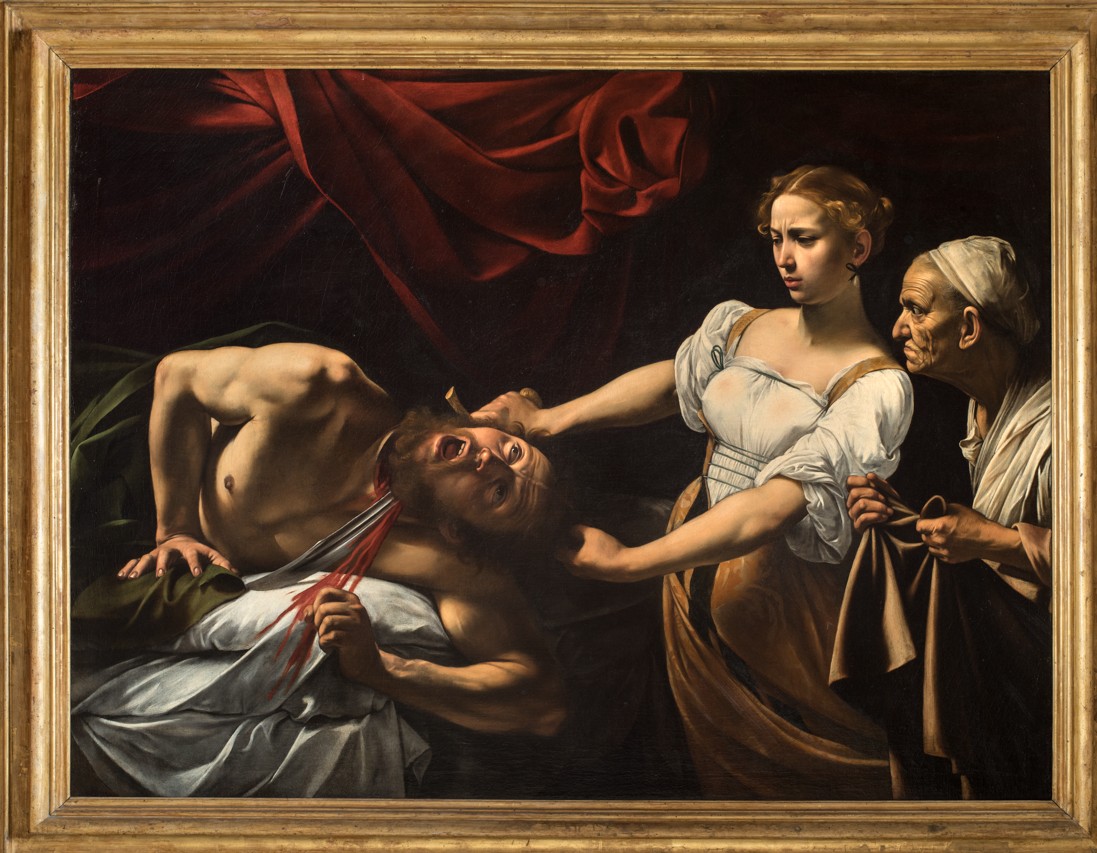
Artemisia Gentileschi e la vendetta di Giuditta: il potere di ribellarsi
Nel Seicento la pittrice Artemisia Gentileschi realizzò uno dei dipinti più intensi della storia dell’arte: Giuditta che decapita Oloferne. L’opera raffigura il momento in cui l’eroina biblica uccide il generale assiro che minacciava il suo popolo.
La scena è brutale, fisica, senza alcuna idealizzazione. Giuditta non appare fragile o passiva: è concentrata, determinata, forte. La tela è spesso interpretata come un simbolo della ribellione contro la violenza e il potere patriarcale. In un’epoca in cui le donne raramente avevano voce, Artemisia dipinse una protagonista capace di cambiare il proprio destino con le proprie mani.
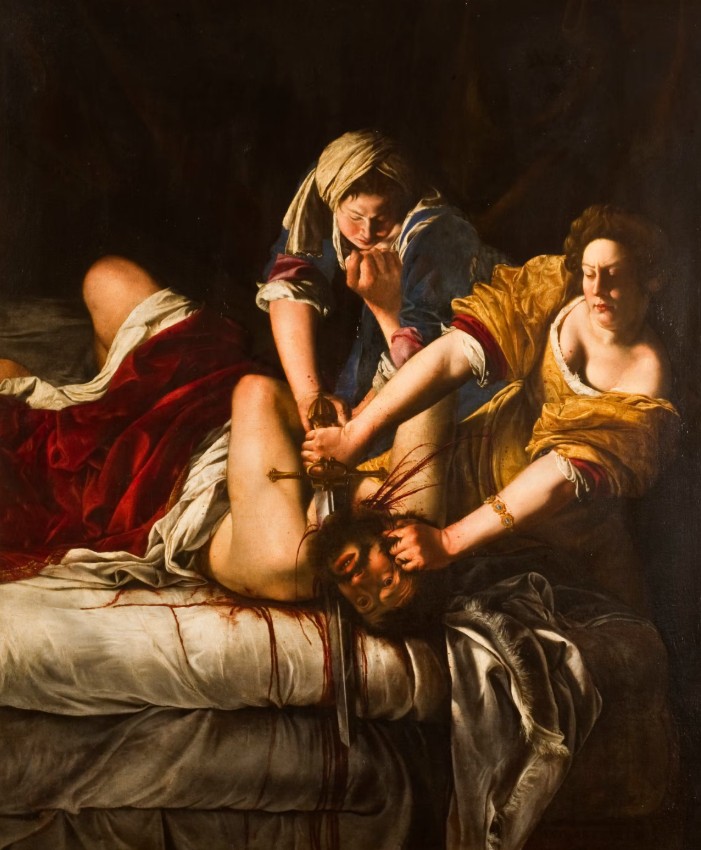
La Libertà di Delacroix: il volto femminile della rivoluzione
Quando si parla di forza femminile nell’arte è impossibile non citare La Libertà che guida il popolo di Eugène Delacroix.
Il dipinto, ispirato alla Rivoluzione di luglio del 1830 in Francia, mostra una figura allegorica di donna che guida il popolo sulle barricate. Con la bandiera tricolore in mano e il petto scoperto, la Libertà avanza tra il fumo e i caduti.
Non è una figura delicata o distante: è una combattente. In questo quadro la donna diventa il simbolo stesso della ribellione politica, della lotta collettiva e della speranza di un cambiamento.
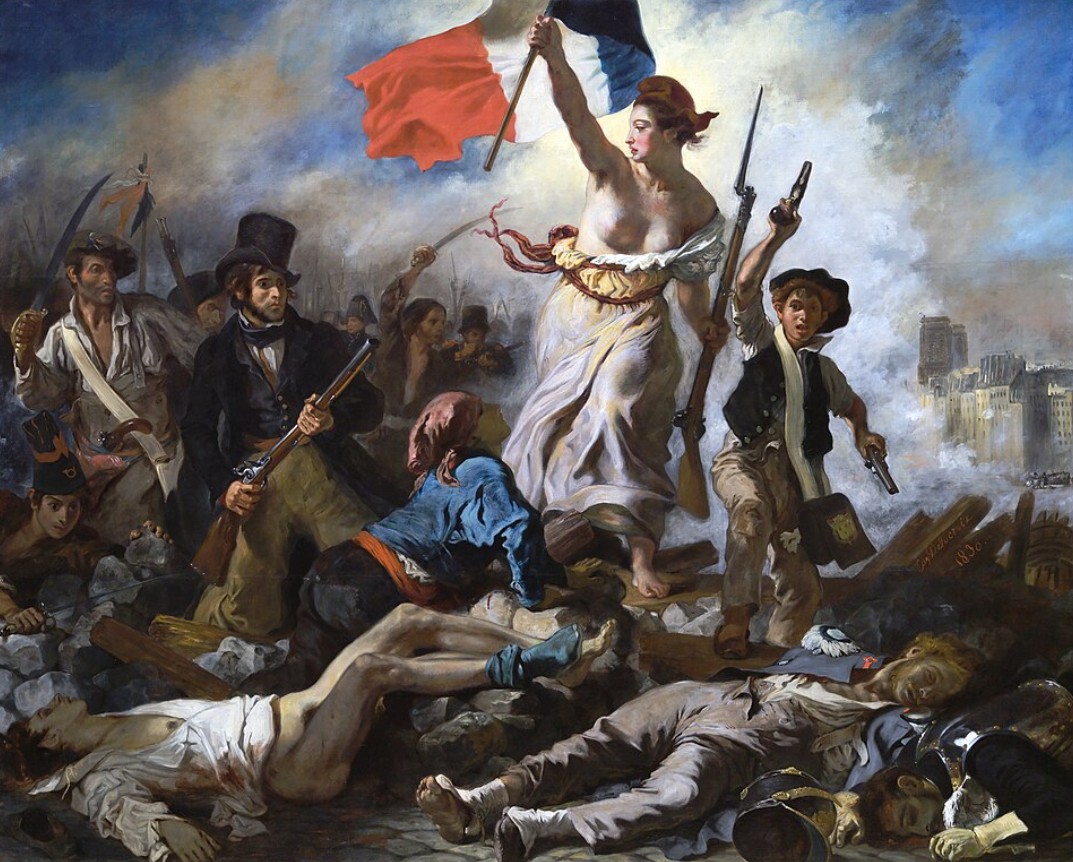
Frida Kahlo e il corpo come atto di resistenza
Nel Novecento la pittura diventa anche autobiografia e identità. L’artista messicana Frida Kahlo trasformò il proprio corpo e la propria esperienza in un racconto di resilienza.
Tra le sue opere più celebri spicca Le due Frida, un doppio autoritratto che mostra due versioni dell’artista sedute fianco a fianco, con i cuori esposti e collegati da una vena.
Il dipinto parla di dolore, identità divisa, amore e indipendenza. Ma soprattutto racconta la capacità di sopravvivere alle ferite emotive e fisiche. Frida Kahlo non rappresenta una donna idealizzata: rappresenta una donna reale che trasforma la vulnerabilità in forza.
Picasso e la dignità ferita delle donne nella guerra
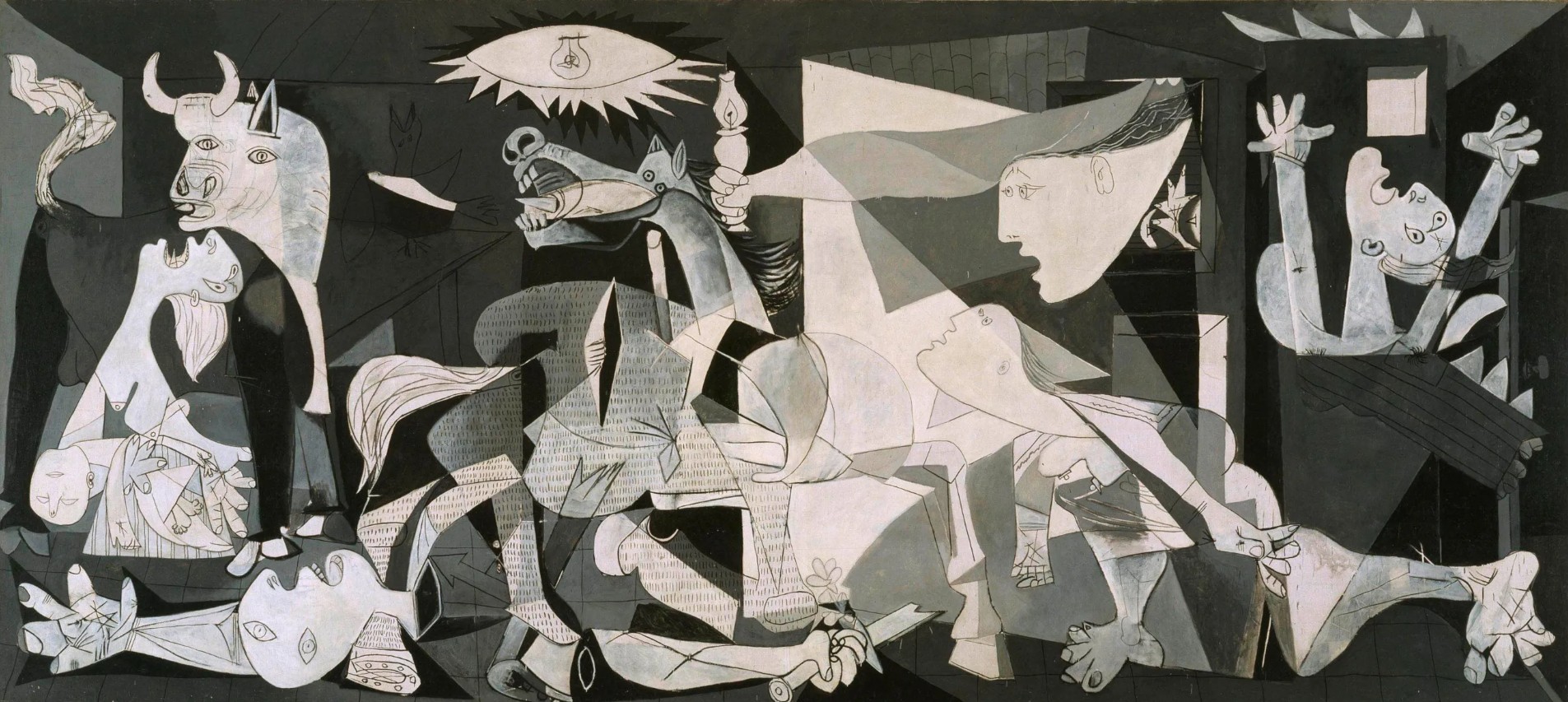
Anche artisti uomini hanno raccontato la sofferenza e la forza delle donne nei momenti più tragici della storia. In Guernica, il capolavoro di Pablo Picasso ispirato al Bombardamento di Guernica del 1937, le figure femminili occupano un ruolo centrale.
Donne che urlano, che stringono figli morti, che cercano la luce tra le macerie. Non solo vittime della guerra ma il simbolo universale del dolore umano e della resistenza alla distruzione.
La loro presenza nel quadro amplifica la potenza emotiva dell’opera e trasforma la tragedia storica in un grido contro la violenza.
L’arte come memoria della forza femminile
Da musa silenziosa a protagonista della storia, da simbolo idealizzato a voce di protesta.
Le opere di Artemisia Gentileschi, Eugène Delacroix, Frida Kahlo e Pablo Picasso dimostrano come l’arte abbia saputo raccontare il coraggio delle donne ben prima che il tema diventasse centrale nel dibattito pubblico.
Nel giorno dell’8 marzo, questi dipinti ricordano che la ribellione, la dignità e la libertà hanno spesso avuto un volto femminile. E che l’arte, con la sua forza simbolica, continua a essere uno degli strumenti più potenti per raccontarlo.
Per il momento il sempre vostro Michelangelo Buonarroti vi saluta dandovi appuntamento ai prossimi post e sui social.
March 8 in Art: The Most Powerful Paintings That Reveal Women’s Strength and Rebellion
March 8, International Women’s Day, is a time of remembrance and reflection. Over the centuries, art has depicted the strength, rebellion, and dignity of women through images that have become universal symbols.
Some paintings, more than others, have transformed the female figure into a visual manifesto of resistance, courage, and self-determination.
With powerful brushstrokes, proud gazes, and revolutionary gestures, these masterpieces demonstrate how painting has given voice to social struggles, denied identities, and desires for freedom.
Artemisia Gentileschi and Judith’s Vengeance: The Power to Rebel
In the 17th century, painter Artemisia Gentileschi created one of the most powerful paintings in the history of art: Judith Beheading Holofernes. The work depicts the moment the biblical heroine kills the Assyrian general who threatened her people.
The scene is brutal, physical, without any idealization. Judith does not appear fragile or passive: she is focused, determined, strong. The canvas is often interpreted as a symbol of rebellion against violence and patriarchal power. In an era when women rarely had a voice, Artemisia painted a protagonist capable of changing her own destiny with her own hands.
Delacroix’s Liberty: the feminine face of the revolution
When discussing female strength in art, it’s impossible not to mention Eugène Delacroix’s Liberty Leading the People.
The painting, inspired by the July Revolution of 1830 in France, depicts an allegorical figure of a woman leading the people onto the barricades. With the Italian flag in her hand and her chest exposed, Liberty advances amidst the smoke and fallen soldiers.
She is not a delicate or distant figure: she is a fighter. In this painting, the woman becomes the very symbol of political rebellion, of collective struggle, and of the hope for change.
Frida Kahlo and the Body as an Act of Resistance
In the 20th century, painting also became autobiography and identity. Mexican artist Frida Kahlo transformed her body and her experience into a tale of resilience.
Among her most famous works is The Two Fridas, a double self-portrait showing two versions of the artist sitting side by side, their hearts exposed and connected by a vein.
The painting speaks of pain, divided identity, love, and independence. But above all, it speaks of the ability to survive emotional and physical wounds. Frida Kahlo does not represent an idealized woman: she represents a real woman who transforms vulnerability into strength.
Picasso and the Wounded Dignity of Women in War
Even male artists have depicted the suffering and strength of women in the most tragic moments of history. In Guernica, Pablo Picasso’s masterpiece inspired by the 1937 Bombing of Guernica, female figures occupy a central role.
Women screaming, clutching dead children, searching for light among the rubble. Not just victims of war, but the universal symbol of human pain and resistance to destruction.
Their presence in the painting amplifies the emotional power of the work and transforms historical tragedy into a cry against violence.
Art as a memorial to female strength
From silent muse to protagonist of history, from idealized symbol to voice of protest.
The works of Artemisia Gentileschi, Eugène Delacroix, Frida Kahlo, and Pablo Picasso demonstrate how art has been able to narrate the courage of women long before the topic became central to public debate.
On March 8th, these paintings remind us that rebellion, dignity, and freedom have often had a feminine face. And that art, with its symbolic power, continues to be one of the most powerful tools for expressing it.
For now, yours truly, Michelangelo Buonarroti bids farewell and invites you to join us in future posts and on social media.

Sostienici – Support Us
Se questo blog ti piace e ti appassiona, puoi aiutarci a farlo crescere sempre più sostenendoci in modo concreto condividendo i post, seguendo le pagine social e con un contributo che ci aiuta ad andare avanti con il nostro lavoro di divulgazione. . ENGLISH: If you like and are passionate about this blog, you can help us make it grow more and more by supporting us in a concrete way by sharing posts, following social pages and with a contribution that helps us to move forward with our dissemination work.
10,00 €
Condividi:


Questo sono io





sostienici

Sostienici – Support Us
Se questo blog ti piace e ti appassiona, puoi aiutarci a farlo crescere sempre più sostenendoci in modo concreto condividendo i post, seguendo le pagine social e con un contributo che ci aiuta ad andare avanti con il nostro lavoro di divulgazione. . ENGLISH: If you like and are passionate about this blog, you can help us make it grow more and more by supporting us in a concrete way by sharing posts, following social pages and with a contribution that helps us to move forward with our dissemination work.
€10,00


anche nell’arte come nella vita le donne hanno sempre avuto un ruolo importante 👍👍👏👏👏👏👏👏👍👍
"Mi piace"Piace a 1 persona