
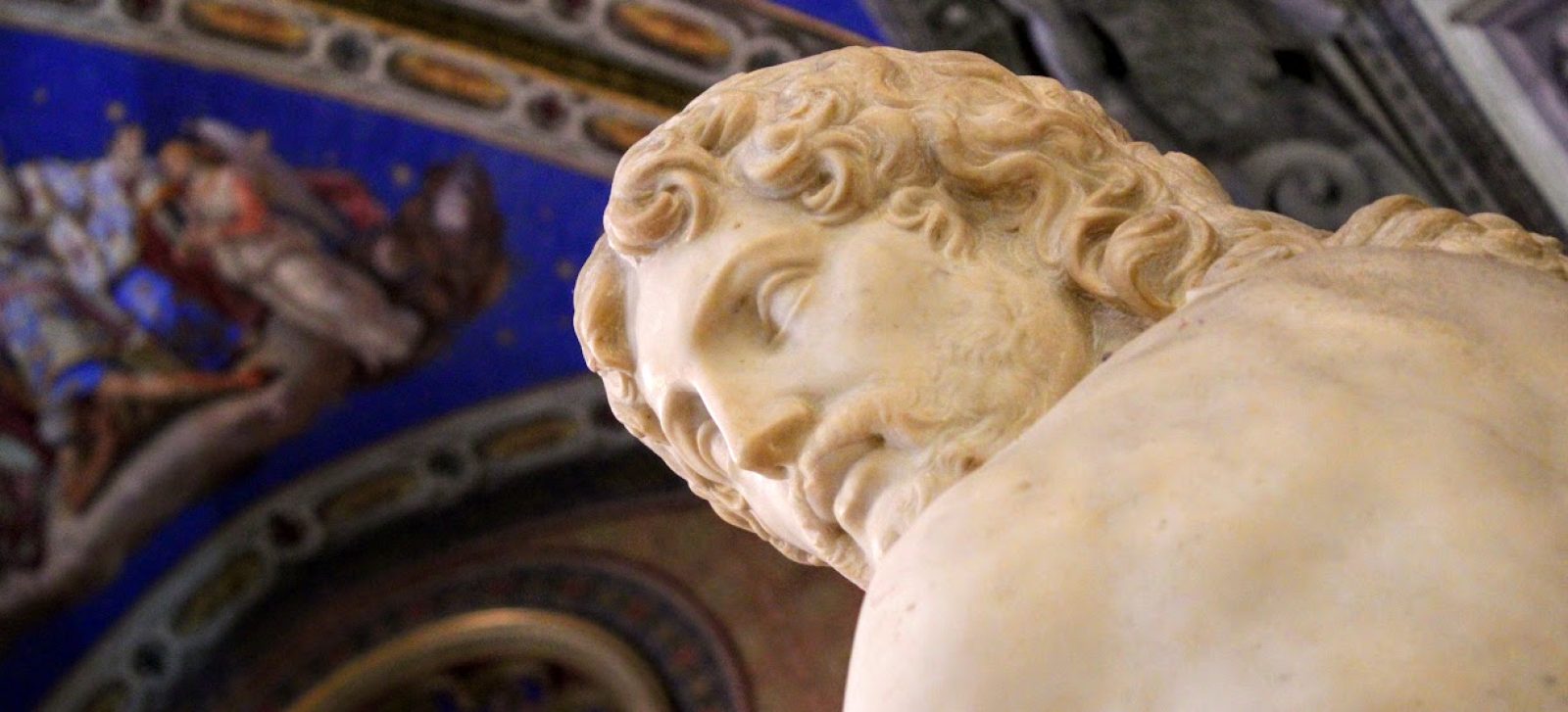
6 marzo 1475: il giorno della mia nascita
Venni al mondo il 6 marzo del 1475 e oggi, a distanza di secoli, quella notte continua a essere ricordata come l’inizio della vita di uno degli artisti più celebri del Rinascimento.
Ma prima delle sculture, prima degli affreschi, prima della gloria, ci fu semplicemente la nascita di un bambino in un piccolo borgo della Toscana: io.
La notte del 6 marzo 1475 a Caprese
Venni al mondo nella notte tra il 5 e il 6 marzo del 1475, a Caprese, nel territorio del Casentino. Era una domenica e l’aria già portava con sé il profumo della primavera che stava arrivando.
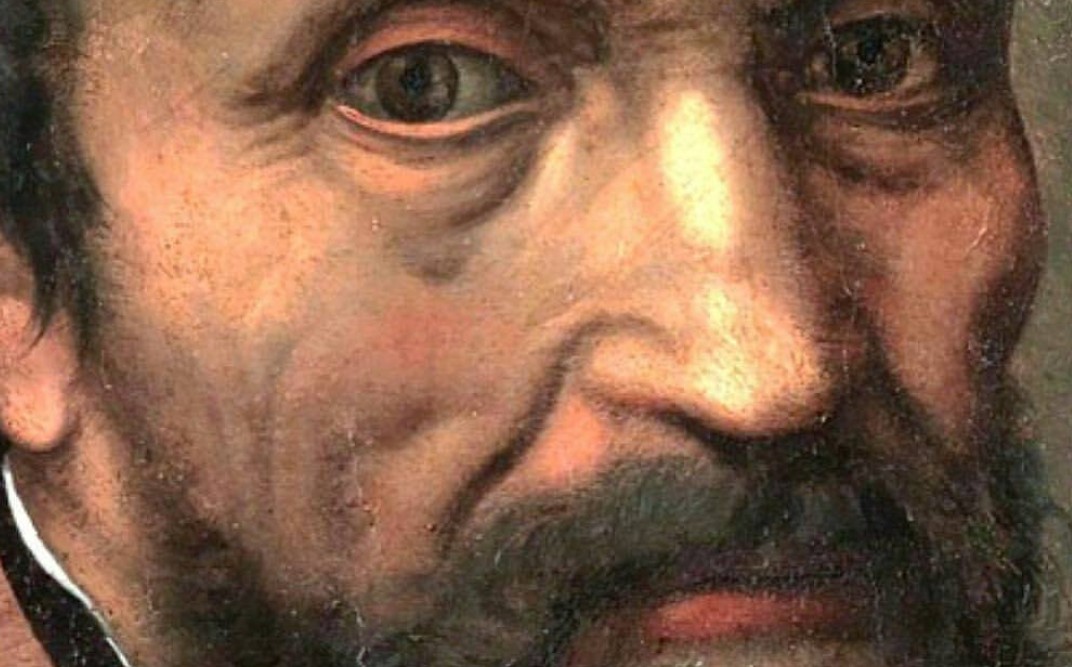
Mia madre, Francesca del Miniato del Sera, mi diede alla luce mentre mio padre, Lodovico Buonarroti Simoni, svolgeva l’incarico di podestà tra Caprese e Chiusi. Era stato inviato da Firenze per amministrare quelle terre aretine per un periodo di sei mesi, iniziato nell’ottobre del 1474.
Così nacqui lontano da Firenze, la città che sarebbe poi diventata il centro della mia vita e della mia formazione.
Il racconto della mia nascita venne tramandato anche dal mio caro amico Giorgio Vasari, che nelle sue celebri Vite scrisse che venni alla luce “sotto fatale e felice stella”, quasi a suggerire che il cielo stesso avesse previsto il mio destino. Secondo lui, la posizione di Mercurio e Venere nella casa di Giove avrebbe annunciato che, attraverso l’arte e l’ingegno, avrei realizzato opere meravigliose.
All’epoca, ovviamente, nessuno poteva immaginarlo davvero.
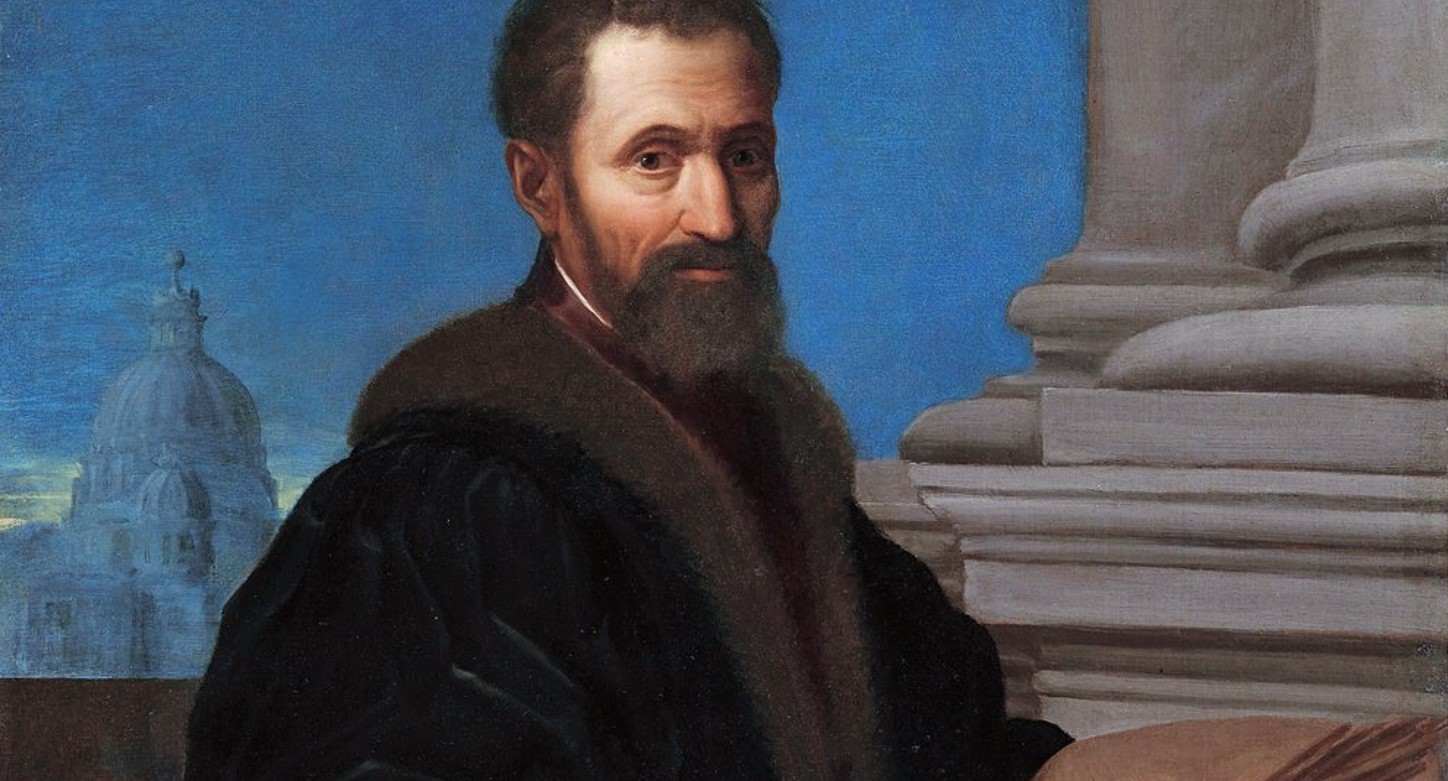
Il battesimo e i primi giorni di vita
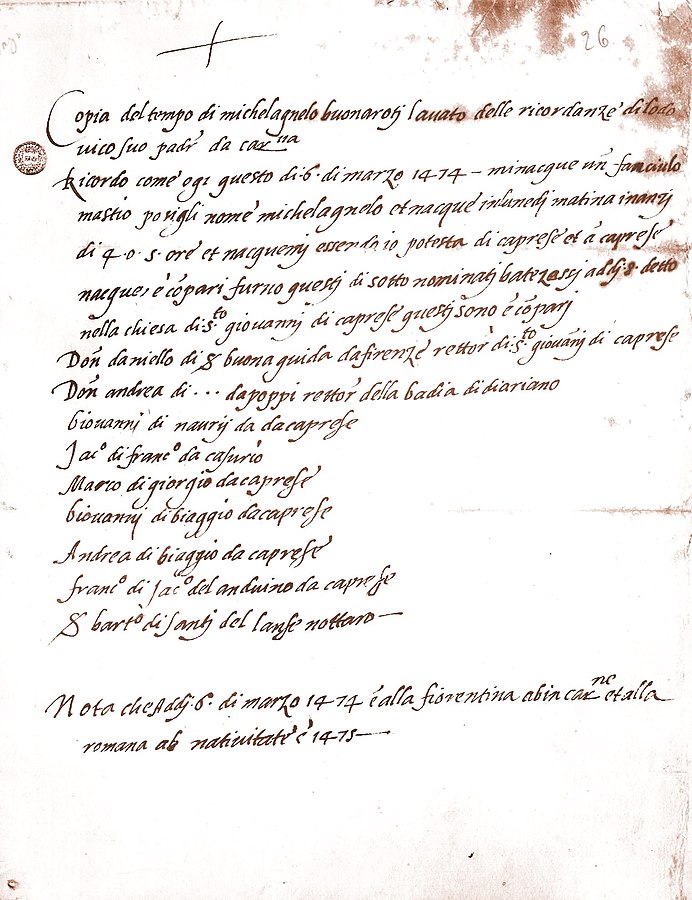
Due giorni dopo la mia nascita, l’8 marzo, venni portato alla chiesetta di San Giovanni per ricevere il battesimo. Era un gesto rapido ma necessario: a quei tempi i neonati venivano battezzati subito, perché la mortalità infantile era alta e i genitori temevano che un bambino potesse morire senza aver ricevuto il sacramento.
Mio padre annotò l’evento con precisione in un documento che è arrivato fino ai vostri giorni, registrando perfino i nomi dei testimoni presenti alla breve cerimonia.
Era un mondo molto diverso dal vostro, dove la vita iniziava spesso tra timori e speranze, e ogni nascita era già una piccola vittoria.
Il ritorno a Firenze e la mia balia a Settignano
Alla fine di marzo del 1475 l’incarico di mio padre come podestà giunse al termine. La mia famiglia fece ritorno a Firenze, ma io non tornai con loro.
Come accadeva spesso nelle famiglie del tempo, venni affidato a una balia. La donna viveva a Settignano, un piccolo paese poco distante dalla città, famoso per le sue cave di pietra e per gli scalpellini che lavoravano il macigno giorno dopo giorno.
La mia balia era proprio la moglie di uno di loro.
Molti anni dopo raccontai a Giorgio Vasari, anche con un sorriso, che forse il mio talento per la scultura nacque proprio lì. Gli dissi che, se avevo qualcosa di buono nell’ingegno, lo dovevo all’aria sottile di quelle terre e al latte della mia balia, insieme agli scalpelli e al mazzuolo con cui si fanno le figure.
Era una battuta, certo. Ma in fondo, in quel luogo pieno di pietra e di mani che la scolpivano, qualcosa del mio destino prese davvero forma.
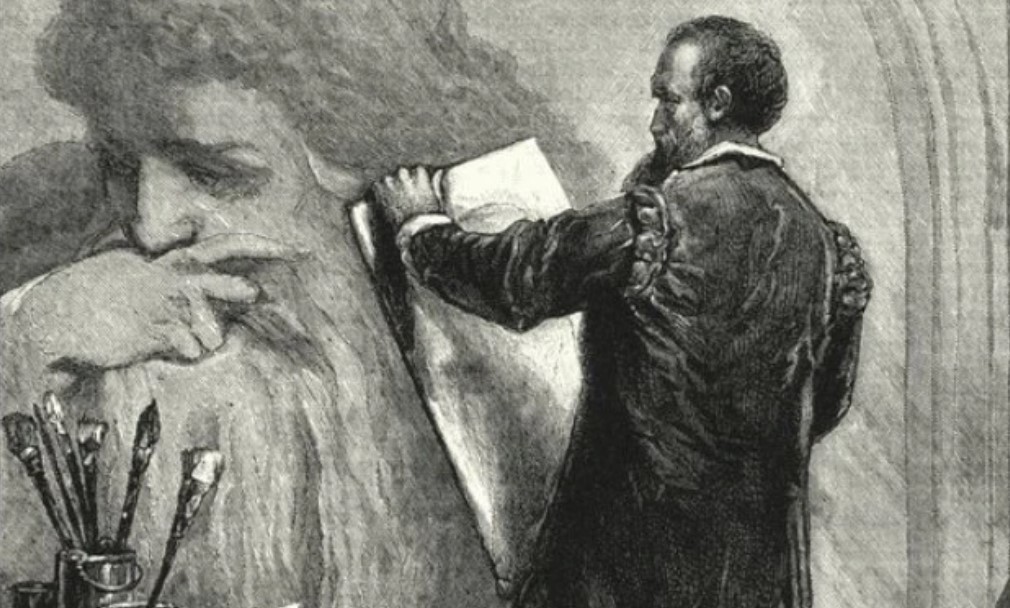
La leggenda delle origini nobili
Per molto tempo si raccontò che la mia famiglia discendesse addirittura dai conti di Canossa. Anche il Vasari lo riportò, e confesso che non mi dispiaceva affatto crederci.
La verità, però, è un’altra.
Quell’idea nacque nel 1520, quando il conte Alessandro di Canossa mi scrisse da Bianello chiamandomi “parente onorando”. Da quella lettera prese forma l’equivoco che mi legava a un presunto antenato, Simone di Canossa, che sarebbe stato podestà di Firenze.
Ma nessun Simone di Canossa ricoprì mai quell’incarico nella città tra il XII e il XIV secolo.
Insomma, quella nobile discendenza non esisteva davvero. Eppure non feci molto per smentirla: era una storia che suonava bene e che, lo ammetto, mi piaceva.
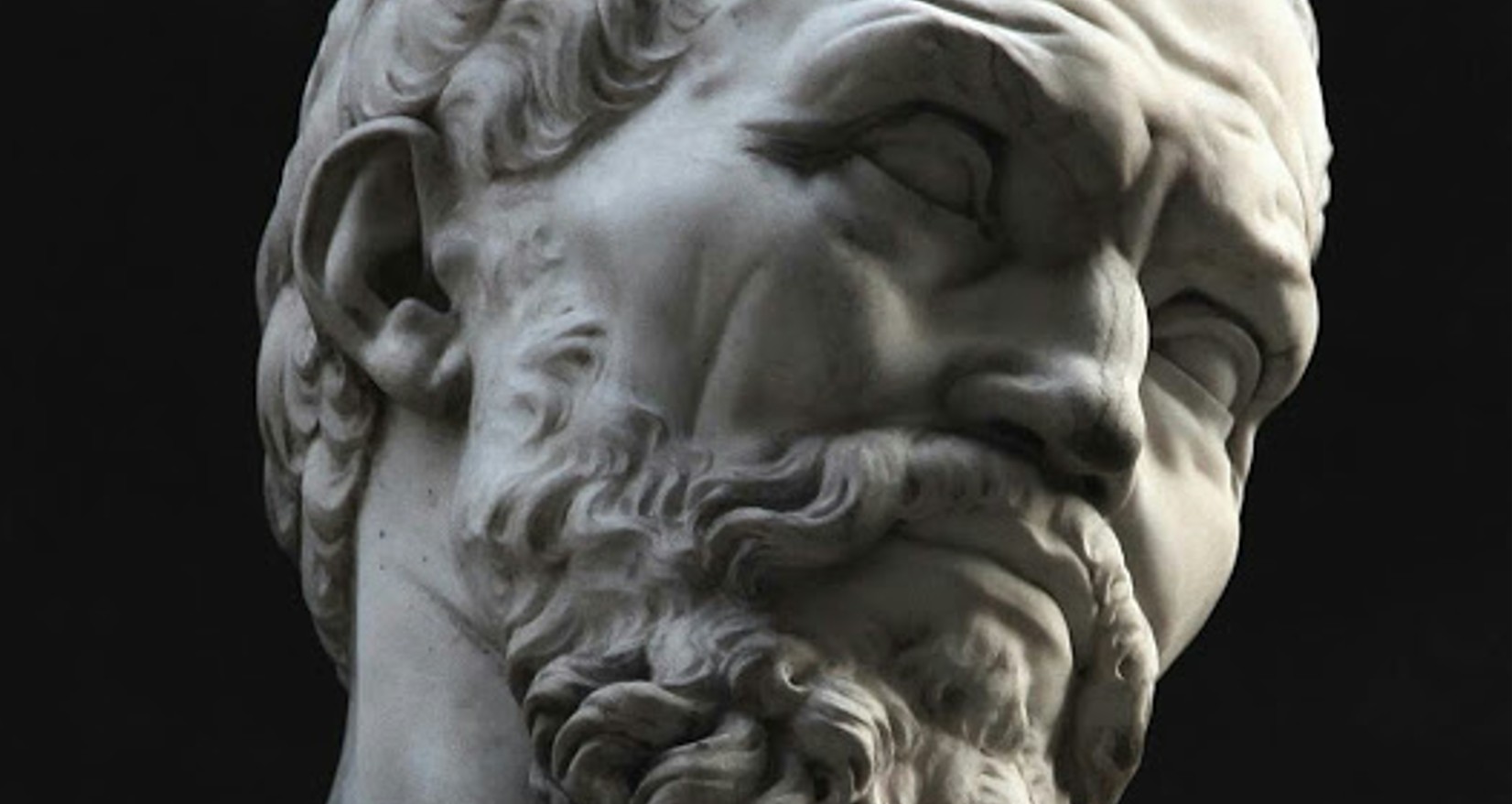
L’infanzia e la scoperta del disegno
Con il tempo la famiglia crebbe e mio padre, che non godeva di grandi ricchezze, cercò di avviare i figli a mestieri più sicuri. Io venni mandato a scuola dal maestro Francesco da Urbino per studiare grammatica.
Ma il mio cuore era altrove.
Ogni momento libero lo passavo a disegnare, spesso di nascosto. Non era una passione ben vista in famiglia: mio padre e i miei parenti consideravano l’arte un’attività poco degna per il nome dei Buonarroti.
Per questo venni spesso rimproverato e talvolta anche punito. Eppure il disegno continuava a chiamarmi. Era una forza più grande di qualsiasi divieto.
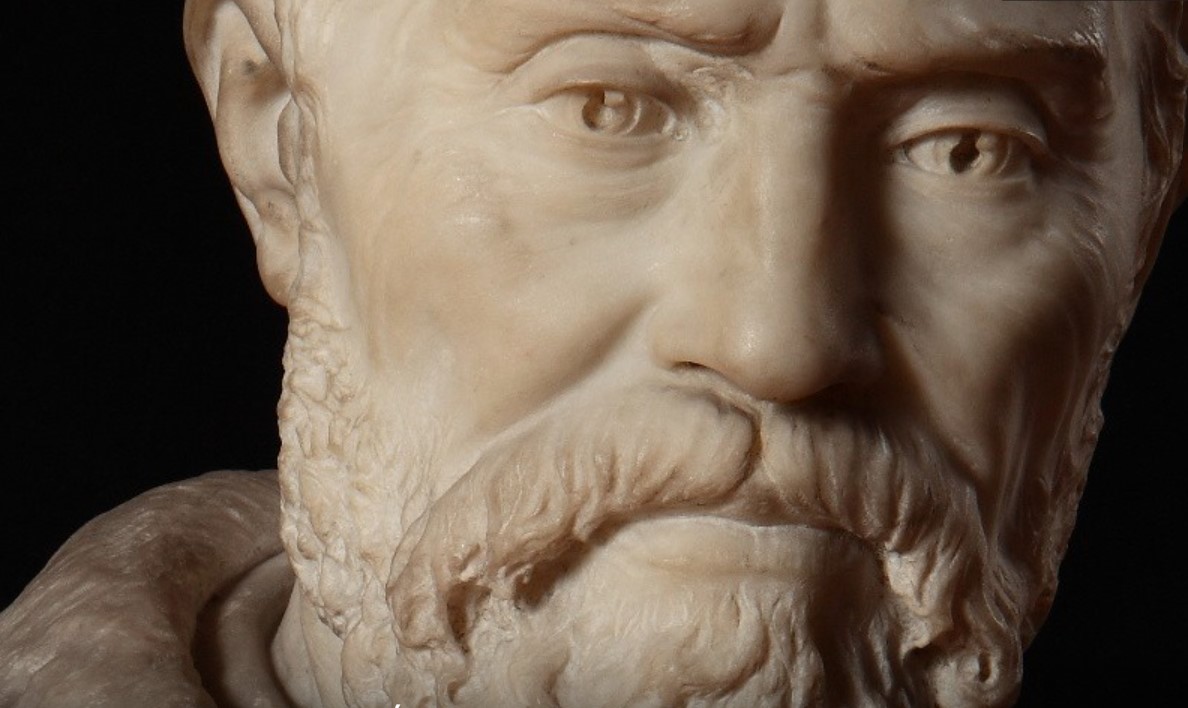
Dal 1475 a oggi: il ricordo di una vita straordinaria
Oggi sono passati più di cinque secoli da quel 6 marzo del 1475. Una semplice nascita in un piccolo paese della Toscana è diventata l’inizio di una storia che il mondo ancora ricorda.
Sono stato, in fondo, un uomo tra gli uomini. Mortale come tutti gli altri.
Eppure mi fu concesso di trasformare il marmo, il colore e la forma in opere che continuano a parlare ai vostri occhi e alla vostra immaginazione.
Come scrisse Giovanni Papini, dei fiorentini antichi ebbi tutte le qualità: l’amore per la bellezza e per la libertà, il desiderio di grandezza e una certa malinconia dell’animo.
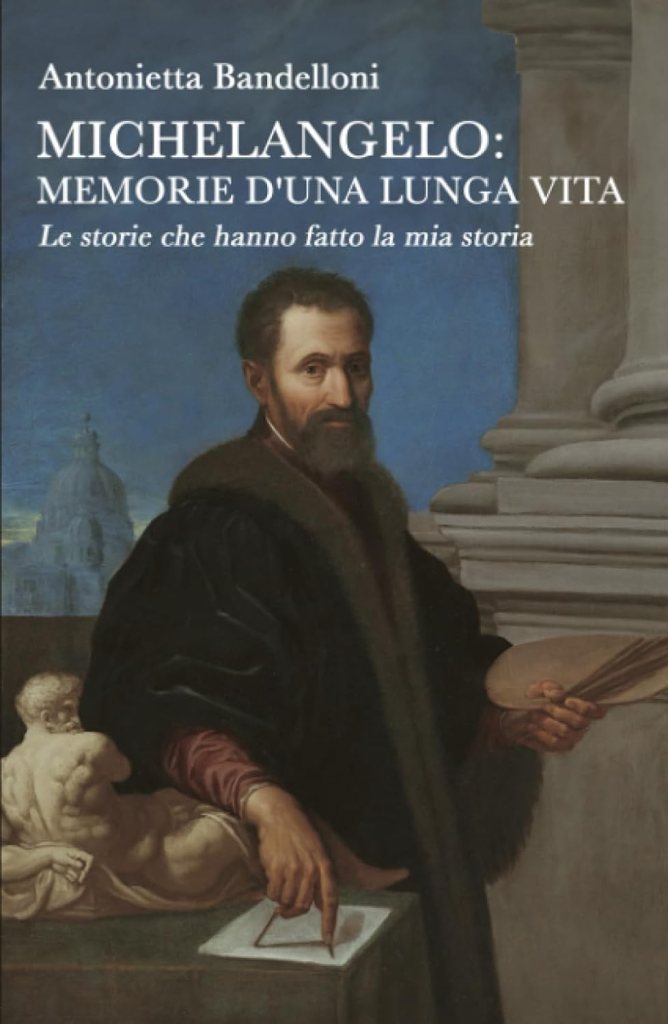
Per oggi, però, vi saluto così: nel giorno del mio compleanno, con un bicchiere di Trebbiano, quattro mandorle e un libro che sto ancora scrivendo e che spero di potervi far leggere presto.
March 6, 1475: The Day of My Birth
I came into the world on March 6, 1475, and today, centuries later, that night continues to be remembered as the beginning of the life of one of the most celebrated artists of the Renaissance.
But before the sculptures, before the frescoes, before the glory, there was simply the birth of a child in a small Tuscan village: me.
The Night of March 6, 1475 in Caprese
I came into the world on the night between March 5 and 6, 1475, in Caprese, in the Casentino region. It was a Sunday, and the air already carried the scent of the arrival of spring.
My mother, Francesca del Miniato del Sera, gave birth to me while my father, Lodovico Buonarroti Simoni, held the office of podestà between Caprese and Chiusi. He had been sent from Florence to administer those lands near Arezzo for a six-month period, beginning in October 1474.
Thus, I was born far from Florence, the city that would later become the center of my life and education.
The story of my birth was also passed down by Giorgio Vasari, who in his famous Lives wrote that I was born “under a fateful and happy star,” almost as if the heavens themselves had foreseen my destiny. According to him, the position of Mercury and Venus in the house of Jupiter heralded that, through art and ingenuity, I would create marvelous works.
At the time, of course, no one could have truly imagined it.
Baptism and the first days of life
Two days after my birth, on March 8th, I was taken to the little church of San Giovanni to be baptized. It was a quick but necessary gesture: in those days, newborns were baptized immediately, because infant mortality was high and parents feared that a child might die without receiving the sacrament.
My father recorded the event precisely in a document that has survived to this day, even recording the names of the witnesses present at the brief ceremony.
It was a world very different from yours, where life often began amidst fears and hopes, and every birth was already a small victory.
The Return to Florence and My Wet Nurse in Settignano
At the end of March 1475, my father’s term as podestà ended. My family returned to Florence, but I did not return with them.
As often happened in families at the time, I was entrusted to a wet nurse. The woman lived in Settignano, a small village not far from the city, famous for its stone quarries and the stonemasons who worked the stone day after day.
My wet nurse was the wife of one of them.
Many years later, I told Giorgio Vasari, even with a smile, that perhaps my talent for sculpture was born right there. I told him that if I had any talent, I owed it to the fine air of those lands and to my wet nurse’s milk, along with the chisels and mallet with which they carved figures.
It was a joke, of course. But deep down, in that place filled with stone and hands that sculpted it, something of my destiny truly took shape.
The Legend of Noble Origins
For a long time, it was rumored that my family even descended from the Counts of Canossa. Vasari even reported it, and I confess I wasn’t at all afraid to believe it.
The truth, however, is different.
That idea arose in 1520, when Count Alessandro di Canossa wrote to me from Bianello, calling me an “honorable relative.” From that letter arose the misunderstanding that linked me to a supposed ancestor, Simone di Canossa, who was supposedly Podestà of Florence.
But no Simone di Canossa ever held that office in the city between the 12th and 14th centuries.
In short, that noble lineage didn’t really exist. Yet I didn’t do much to disprove it: it was a story that sounded good and, I admit, I liked it.
Childhood and the Discovery of Drawing
Over time, the family grew, and my father, who was not very wealthy, tried to train his children in safer professions. I was sent to school by Maestro Francesco da Urbino to study grammar.
But my heart was elsewhere.
I spent every free moment drawing, often in secret. It was not a popular passion in the family: my father and my relatives considered art an activity unworthy of the Buonarroti name.
For this, I was often scolded and sometimes even punished. Yet drawing continued to call me. It was a force greater than any prohibition.
From 1475 to today: the memory of an extraordinary life
Today, more than five centuries have passed since that March 6, 1475. A simple birth in a small Tuscan village became the beginning of a story that the world still remembers.
I was, after all, a man among men. Mortal like all others.
Yet I was granted the privilege of transforming marble, color, and form into works that continue to speak to your eyes and your imagination.
As Giovanni Papini wrote, I possessed all the qualities of the ancient Florentines: a love of beauty and freedom, a desire for grandeur, and a certain melancholy of the soul.
For today, however, I bid you farewell: on my birthday, with a glass of Trebbiano, four almonds, and a book I’m still writing and which I hope to share with you soon.

Sostienici – Support Us
Se questo blog ti piace e ti appassiona, puoi aiutarci a farlo crescere sempre più sostenendoci in modo concreto condividendo i post, seguendo le pagine social e con un contributo che ci aiuta ad andare avanti con il nostro lavoro di divulgazione. . ENGLISH: If you like and are passionate about this blog, you can help us make it grow more and more by supporting us in a concrete way by sharing posts, following social pages and with a contribution that helps us to move forward with our dissemination work.
10,00 €
Articoli
Condividi:


Questo sono io





sostienici

Sostienici – Support Us
Se questo blog ti piace e ti appassiona, puoi aiutarci a farlo crescere sempre più sostenendoci in modo concreto condividendo i post, seguendo le pagine social e con un contributo che ci aiuta ad andare avanti con il nostro lavoro di divulgazione. . ENGLISH: If you like and are passionate about this blog, you can help us make it grow more and more by supporting us in a concrete way by sharing posts, following social pages and with a contribution that helps us to move forward with our dissemination work.
€10,00


