
Incredibile nei Paesi Bassi: trovate 35 acqueforti originali di Rembrandt in un cassetto di famiglia
Trentacinque acqueforti originali di Rembrandt sono state ritrovate in un semplice cassetto di un’abitazione privata a Zutphen, nei Paesi Bassi orientali. Le opere, conservate per decenni in una cartella di famiglia, sono state identificate come autentiche dalla Museum Het Rembrandthuis di Amsterdam, dopo che la proprietaria Charlotte Meyer ha chiesto una verifica durante la pandemia.
Il nonno le aveva acquistate tra il 1900 e il 1920 per pochi fiorini, in un’epoca in cui le stampe antiche non erano considerate investimenti di rilievo. Allora nessuno immaginava che quelle incisioni potessero acquisire un valore storico e di mercato così significativo.
Perché le acqueforti di Rembrandt valgono sempre di più
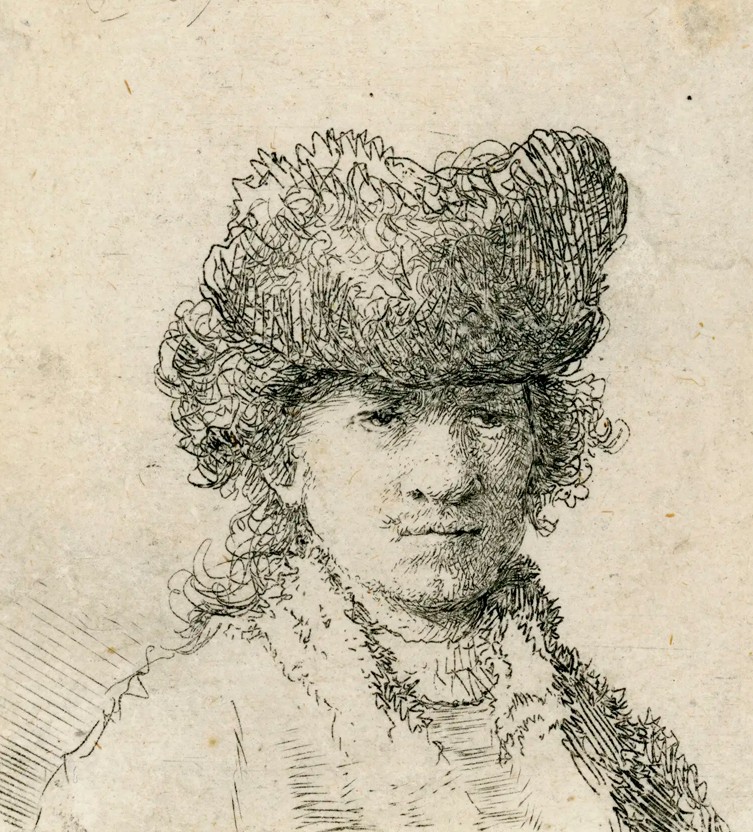
La riscoperta riaccende l’attenzione su un aspetto spesso sottovalutato della produzione rembrandtiana: l’incisione come forma d’arte autonoma. Rembrandt utilizzava l’acquaforte non solo per riprodurre immagini, ma come laboratorio sperimentale. Attraverso morsure successive, variazioni di inchiostrazione e tirature differenti, riusciva a ottenere effetti di luce e profondità paragonabili alla pittura.
Opere come l’“Autoritratto con berretto di pelliccia” del 1630 dimostrano come il maestro olandese sapesse trasformare il segno inciso in un mezzo capace di straordinaria intensità psicologica.
Record milionari e mercato in fermento
Il ritrovamento arriva in un momento di forte crescita per il mercato delle opere su carta. Tra il 2023 e il 2025 Christie’s ha disperso a Londra la collezione di stampe rembrandtiane di Sam Josefowitz, con risultati sorprendenti. Nel dicembre 2025 l’acquaforte “Arnout Tholinx, Inspector” ha raggiunto 4,2 milioni di dollari, stabilendo il record per una stampa di un Old Master.
Parallelamente, da Sotheby’s il disegno “Giovane leone in riposo” è stato venduto per 17,9 milioni di dollari, confermando il crescente interesse dei collezionisti per le opere su carta. Tuttavia, il mercato resta segmentato: molte incisioni si attestano ancora sotto i 50.000 dollari, con differenze determinate da rarità, qualità dell’impressione e stato di conservazione.
Dal cassetto al museo: la mostra che accende i riflettori
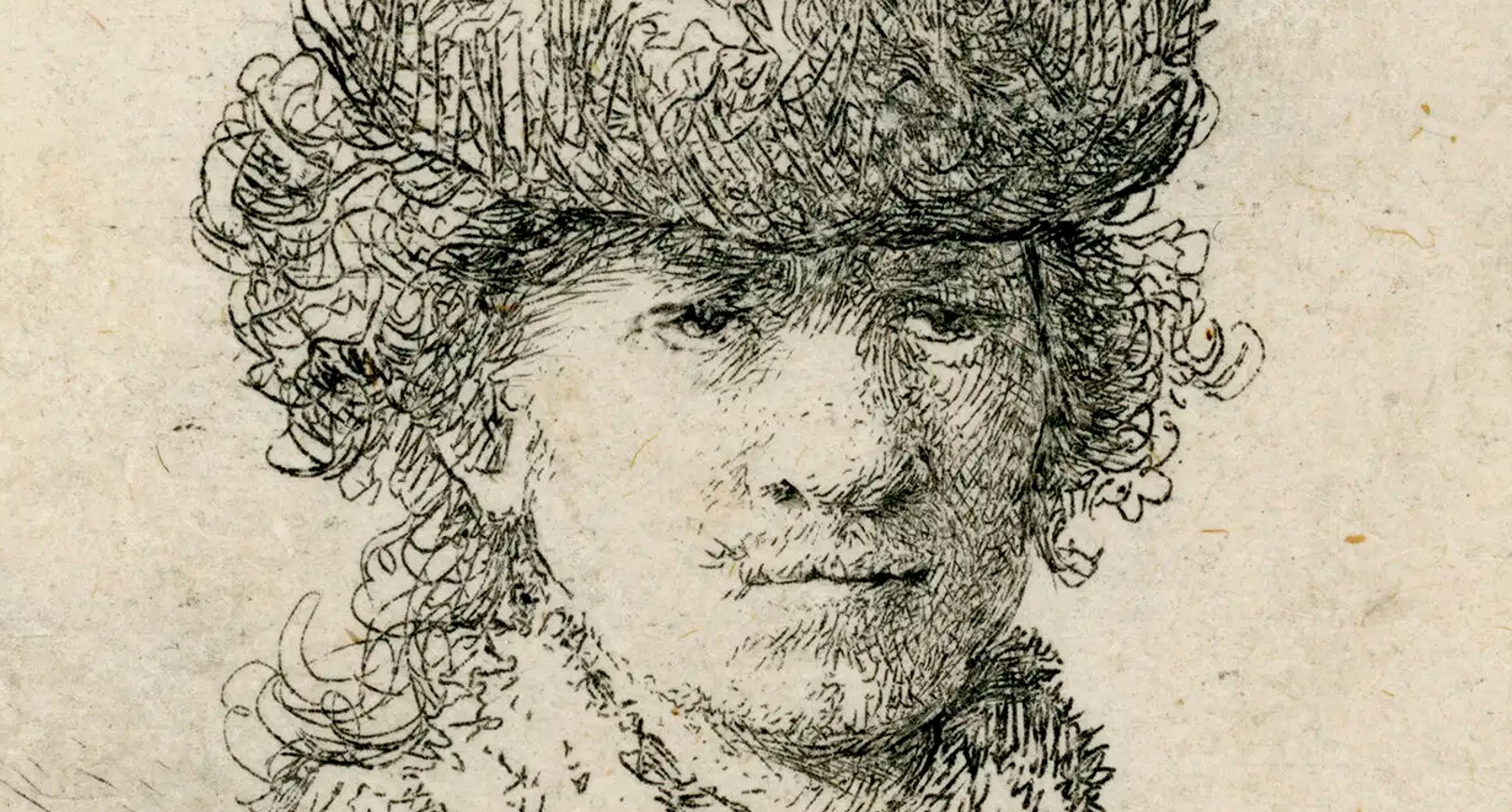
Le 35 acqueforti saranno esposte dal 21 marzo allo Stedelijk Museum Zutphen nella mostra “From Dark to Light”. L’esposizione presenterà anche opere di predecessori, contemporanei e seguaci di Rembrandt, offrendo un contesto storico più ampio.
Al di là del valore economico – che la proprietaria ha scelto di non rendere pubblico – la scoperta racconta una verità affascinante: nelle case europee potrebbero celarsi ancora patrimoni artistici inesplorati. E mentre il Novecento ha consacrato il dipinto unico come vertice assoluto del valore, oggi la stampa antica sembra tornare protagonista, riscoperta per la sua complessità tecnica e la sua forza narrativa.
Quella che sembrava una semplice cartella dimenticata si è trasformata in una delle notizie artistiche più sorprendenti degli ultimi anni. E potrebbe non essere l’ultima.
Per il momento il sempre vostro Michelangelo Buonarroti vi saluta dandovi appuntamento ai prossimi post e sui social.
Incredible discovery in the Netherlands: 35 original etchings by Rembrandt van Rijn found in a family drawer
Thirty-five original etchings by Rembrandt were discovered in a simple drawer in a private home in Zutphen, in the eastern Netherlands. The works, stored for decades in a family folder, were identified as authentic by the Museum Het Rembrandthuis in Amsterdam after owner Charlotte Meyer requested an inspection during the pandemic.
His grandfather had purchased them between 1900 and 1920 for a few guilders, at a time when old master prints were not considered significant investments. Back then, no one imagined that these engravings could acquire such significant historical and market value.
Why Rembrandt’s etchings are increasingly valuable
The rediscovery rekindles attention on an often overlooked aspect of Rembrandt’s work: etching as an art form in its own right. Rembrandt used etching not only to reproduce images, but also as an experimental laboratory. Through successive bites, variations in inking, and different print runs, he achieved effects of light and depth comparable to painting.
Works such as “Self-Portrait with a Fur Cap” from 1630 demonstrate how the Dutch master transformed the engraved mark into a medium capable of extraordinary psychological intensity.
Million-Dollar Records and a Booming Market
The find comes at a time of strong growth for the market for works on paper. Between 2023 and 2025, Christie’s dispersed Sam Josefowitz’s collection of Rembrandt prints in London, with surprising results. In December 2025, the etching “Arnout Tholinx, Inspector” fetched $4.2 million, setting a record for an Old Master print.
Meanwhile, the drawing “Young Lion at Rest” sold for $17.9 million at Sotheby’s, confirming collectors’ growing interest in works on paper. However, the market remains segmented: many etchings still fetch under $50,000, with differences determined by rarity, print quality, and condition.
From Drawer to Museum: The Exhibition Shifts the Spotlight
The 35 etchings will be on display starting March 21st at the Stedelijk Museum Zutphen in the exhibition “From Dark to Light.” The show will also feature works by Rembrandt’s predecessors, contemporaries, and followers, offering a broader historical context.
Beyond its economic value—which the owner has chosen not to disclose—the discovery reveals a fascinating truth: unexplored artistic treasures may still be hidden in European homes. And while the twentieth century established the unique painting as the pinnacle of value, today the old master print seems to be making a comeback, rediscovered for its technical complexity and narrative power.
What seemed like a simple, forgotten portfolio has become one of the most surprising artistic news stories of recent years. And it may not be the last.
For now, yours truly, Michelangelo Buonarroti bids farewell and invites you to join him in future posts and on social media.

Sostienici – Support Us
Se questo blog ti piace e ti appassiona, puoi aiutarci a farlo crescere sempre più sostenendoci in modo concreto condividendo i post, seguendo le pagine social e con un contributo che ci aiuta ad andare avanti con il nostro lavoro di divulgazione. . ENGLISH: If you like and are passionate about this blog, you can help us make it grow more and more by supporting us in a concrete way by sharing posts, following social pages and with a contribution that helps us to move forward with our dissemination work.
10,00 €
Articoli
Condividi:


Questo sono io





sostienici

Sostienici – Support Us
Se questo blog ti piace e ti appassiona, puoi aiutarci a farlo crescere sempre più sostenendoci in modo concreto condividendo i post, seguendo le pagine social e con un contributo che ci aiuta ad andare avanti con il nostro lavoro di divulgazione. . ENGLISH: If you like and are passionate about this blog, you can help us make it grow more and more by supporting us in a concrete way by sharing posts, following social pages and with a contribution that helps us to move forward with our dissemination work.
€10,00


