
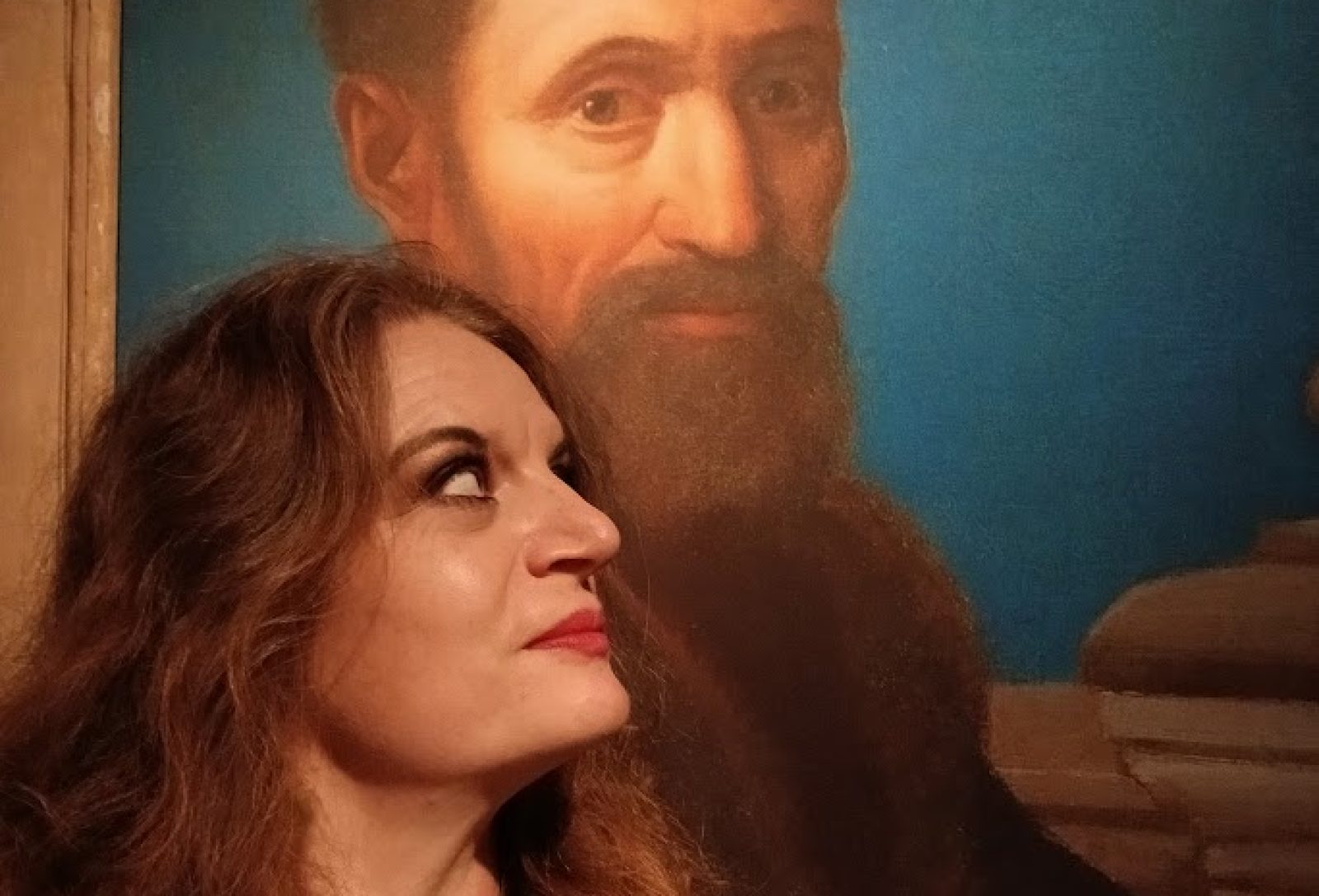
9 gennaio 1839, la nascita di Cézanne e l’inizio di una nuova visione artistica
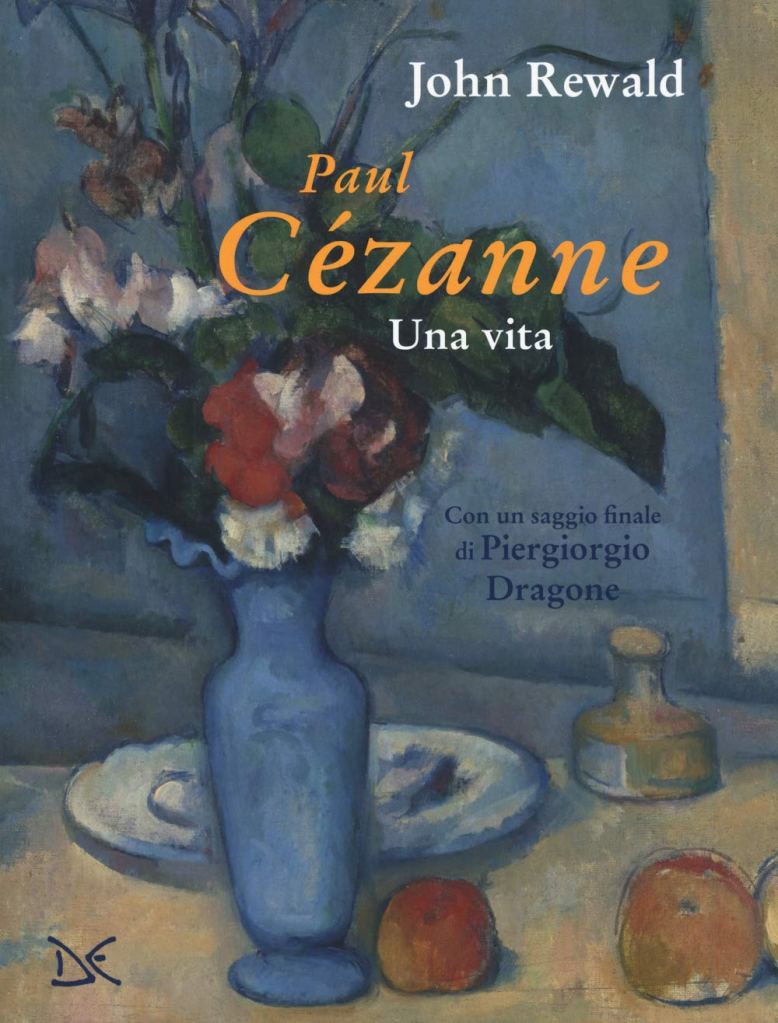
Il 9 gennaio 1839, ad Aix-en-Provence, nasceva Paul Cézanne. Spesso definito il ponte tra Impressionismo e Cubismo, Cézanne ha cambiato per sempre il modo di guardare la realtà, aprendo la strada alle avanguardie del Novecento.
Le radici provenzali e un carattere fuori dagli schemi
Cézanne cresce in Provenza, una terra che diventerà la vera protagonista della sua pittura. I paesaggi assolati, le colline, i colori intensi del Sud della Francia entrano profondamente nel suo sguardo artistico. Il rapporto con il padre, banchiere severo e inizialmente contrario alla carriera artistica del figlio, contribuisce a forgiare un carattere introverso, ostinato e profondamente indipendente.
Questa tensione personale si riflette anche nella sua arte, lontana dalle mode e spesso incomprensa dai contemporanei.
Da Parigi all’Impressionismo: un rapporto complesso
Negli anni giovanili Cézanne si trasferisce a Parigi, dove entra in contatto con gli Impressionisti, in particolare con Camille Pissarro.
Pur condividendo con loro l’interesse per la luce e la pittura dal vero, Cézanne non si riconosce mai del tutto nel movimento. Il suo obiettivo non è catturare l’istante, ma dare solidità alle forme, costruendo l’immagine attraverso colore e struttura.
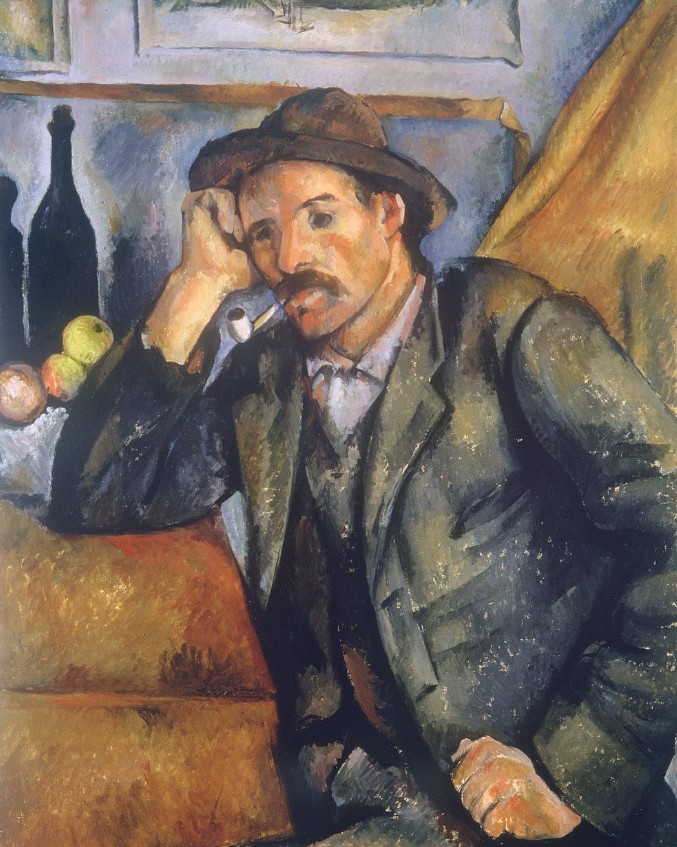
Celebre la sua affermazione secondo cui voleva “fare dell’Impressionismo qualcosa di solido e duraturo come l’arte dei musei”.
La rivoluzione dello sguardo: forma, colore e struttura
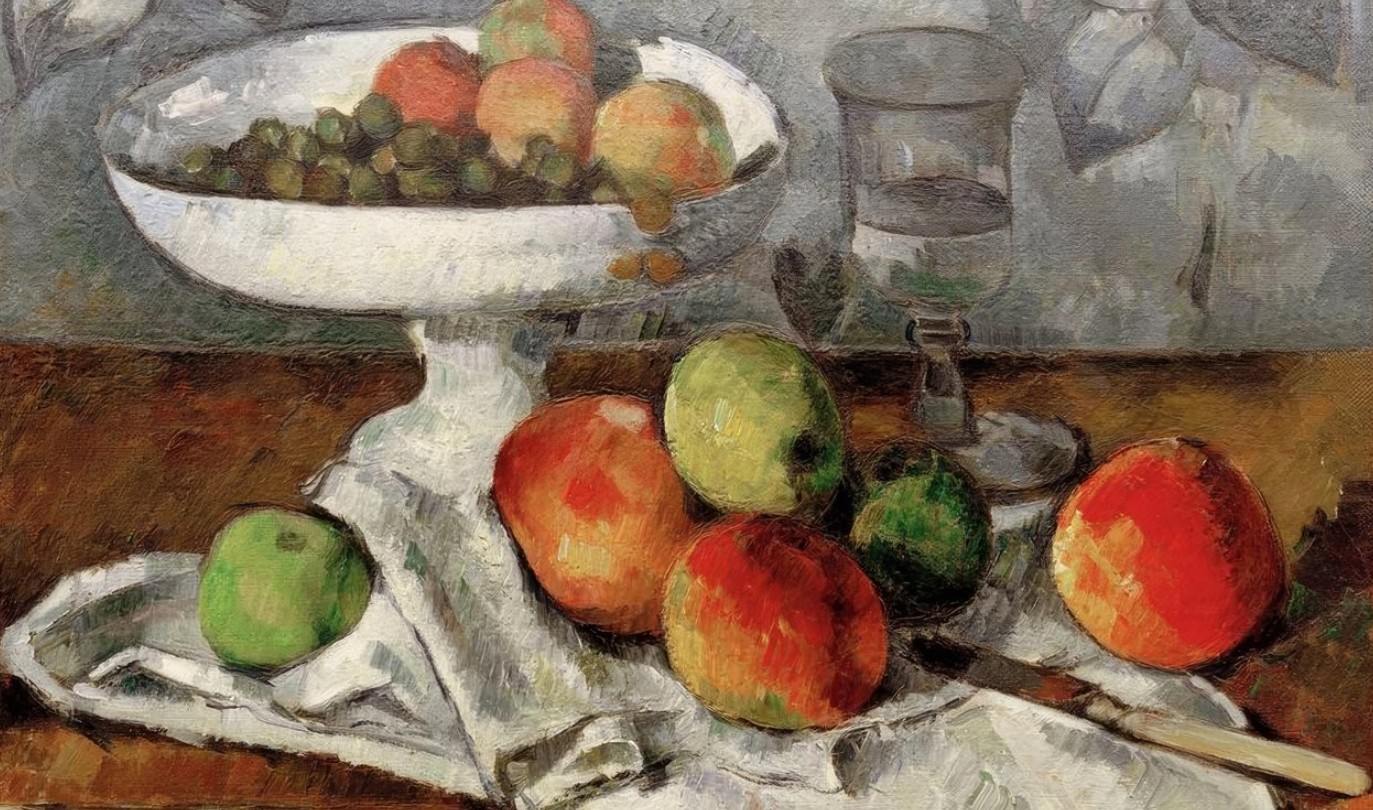
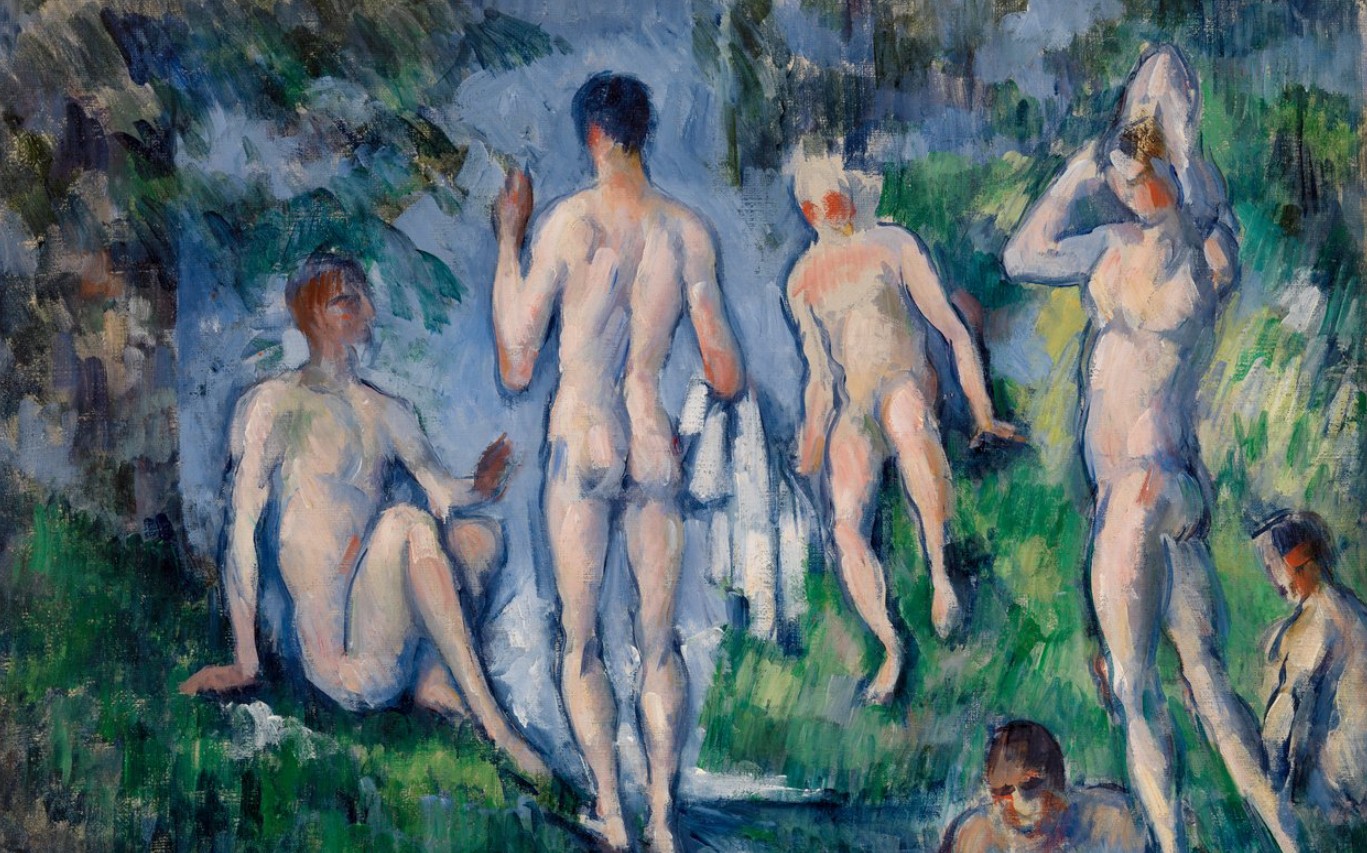
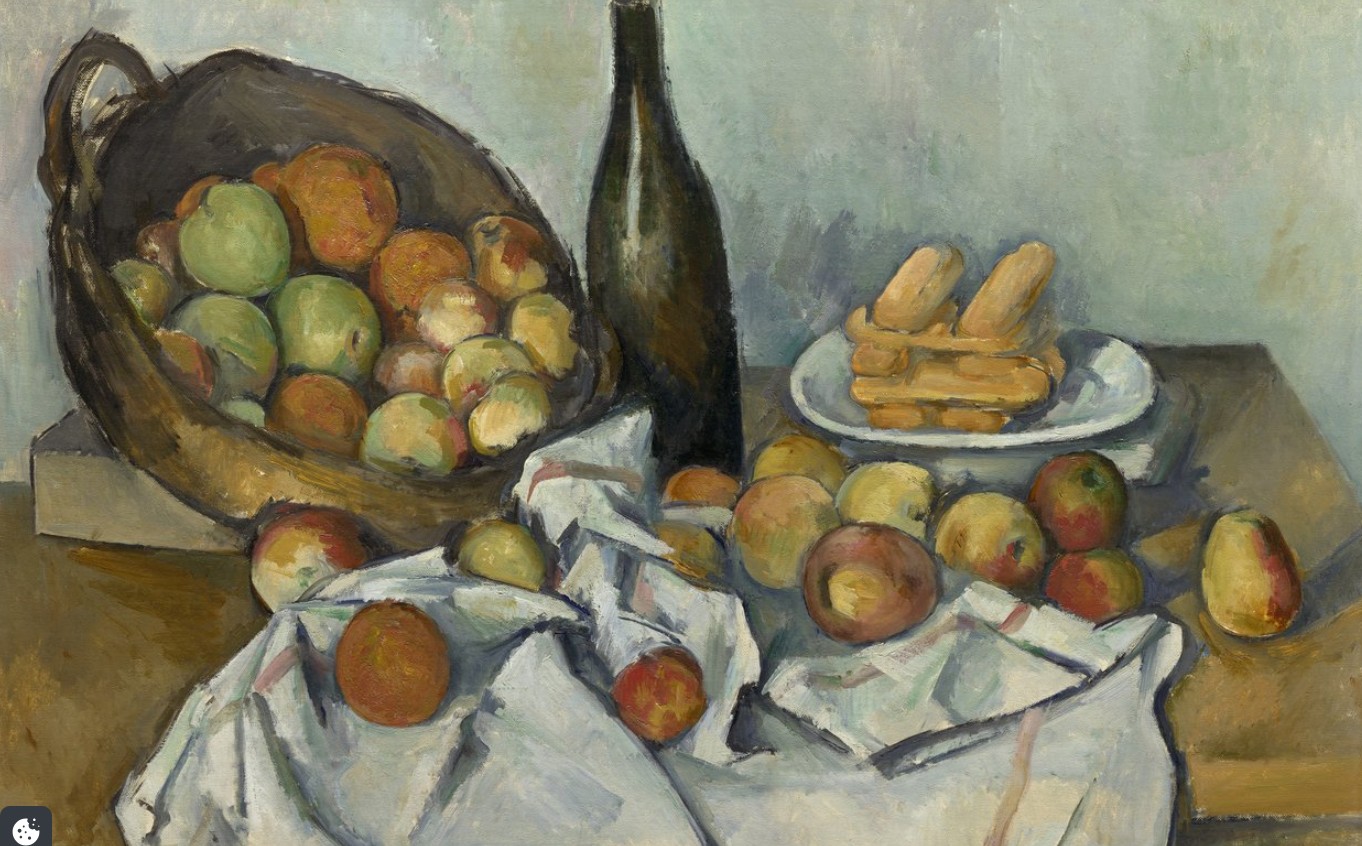
La grande innovazione di Cézanne sta nel modo in cui scompone la realtà in volumi essenziali. Mele, montagne, corpi umani e nature morte vengono ridotti a cilindri, coni e sfere, anticipando una visione che influenzerà profondamente artisti come Picasso e Braque.
Il colore non è più solo decorazione, ma diventa strumento costruttivo. Pennellate dense e ritmate definiscono lo spazio, creando una pittura che sembra quasi scolpita.
La Montagna Sainte-Victoire, un’ossessione creativa
Tra i soggetti più iconici della sua produzione spicca la Montagne Sainte-Victoire, dipinta decine di volte da diverse angolazioni e in differenti momenti della giornata. Non si tratta di una semplice ripetizione, ma di una ricerca continua, quasi scientifica, sul rapporto tra percezione e realtà.
Attraverso questa montagna, Cézanne esplora il tempo, la luce e la forma, trasformando un paesaggio reale in un laboratorio pittorico senza fine.
Un genio riconosciuto troppo tardi
Durante la sua vita Cézanne vende pochissimo e viene spesso deriso dalla critica. Solo negli ultimi anni arriva un timido riconoscimento, mentre il vero successo esplode dopo la sua morte, nel 1906.
Oggi è considerato uno dei padri dell’arte moderna, studiato e celebrato nei musei di tutto il mondo.
La sua lezione è chiara: l’arte non deve imitare la realtà, ma reinterpretarla attraverso uno sguardo personale e profondo.
A più di un secolo dalla sua scomparsa, Paul Cézanne la sua ricerca lenta, ostinata e rigorosa rappresenta un antidoto alla velocità dell’immagine moderna e invita a guardare il mondo con maggiore attenzione.
Per il momento il sempre vostro Michelangelo Buonarroti vi saluta dandovi appuntamento ai prossimi post e sui social.
January 9, 1839, the birth of Cézanne and the beginning of a new artistic vision
Paul Cézanne was born on January 9, 1839, in Aix-en-Provence. Often called the bridge between Impressionism and Cubism, Cézanne forever changed the way we look at reality, paving the way for the 20th-century avant-garde.
Provençal Roots and an Unconventional Character
Cézanne grew up in Provence, a land that would become the true protagonist of his painting. The sunny landscapes, the hills, and the intense colors of Southern France deeply influenced his artistic vision. His relationship with his father, a strict banker who was initially opposed to his son’s artistic career, helped shape his introverted, stubborn, and profoundly independent character.
This personal tension is also reflected in his art, which was far from fashion and often misunderstood by his contemporaries.
From Paris to Impressionism: A Complex Relationship
In his youth, Cézanne moved to Paris, where he came into contact with the Impressionists, particularly Camille Pissarro.
Although he shared their interest in light and painting from life, Cézanne never fully recognized himself in movement. His goal was not to capture the moment, but to give solidity to forms, constructing the image through color and structure.
He famously stated that he wanted to “make Impressionism something solid and lasting like the art of museums.”
The Revolution of the Gaze: Form, Color, and Structure
Cézanne’s great innovation lies in the way he breaks down reality into essential volumes. Apples, mountains, human bodies, and still lifes were reduced to cylinders, cones, and spheres, anticipating a vision that would profoundly influence artists like Picasso and Braque.
Color was no longer merely decoration, but became a constructive tool. Dense, rhythmic brushstrokes define the space, creating a painting that seems almost sculpted.
The Montagne Sainte-Victoire, a creative obsession
Among the most iconic subjects of his work is the Montagne Sainte-Victoire, painted dozens of times from different angles and at different times of the day. It is not a simple repetition, but a continuous, almost scientific, investigation into the relationship between perception and reality.
Through this mountain, Cézanne explores time, light, and form, transforming a real landscape into an endless pictorial laboratory.
A genius recognized too late
During his lifetime, Cézanne sold very little and was often derided by critics. Only in his later years did he receive timid recognition, while true success exploded after his death in 1906.
Today, he is considered one of the fathers of modern art, studied and celebrated in museums around the world.
His lesson is clear: art should not imitate reality, but reinterpret it through a personal and profound gaze.
More than a century after his death, Paul Cézanne’s slow, obstinate, and rigorous research represents an antidote to the speed of modern imagery and invites us to look at the world more attentively.
For now, yours truly, Michelangelo Buonarroti bids you farewell, and we look forward to seeing you in future posts and on social media.

Sostienici – Support Us
Se questo blog ti piace e ti appassiona, puoi aiutarci a farlo crescere sempre più sostenendoci in modo concreto condividendo i post, seguendo le pagine social e con un contributo che ci aiuta ad andare avanti con il nostro lavoro di divulgazione. . ENGLISH: If you like and are passionate about this blog, you can help us make it grow more and more by supporting us in a concrete way by sharing posts, following social pages and with a contribution that helps us to move forward with our dissemination work.
10,00 €
Condividi:


Questo sono io





sostienici

Sostienici – Support Us
Se questo blog ti piace e ti appassiona, puoi aiutarci a farlo crescere sempre più sostenendoci in modo concreto condividendo i post, seguendo le pagine social e con un contributo che ci aiuta ad andare avanti con il nostro lavoro di divulgazione. . ENGLISH: If you like and are passionate about this blog, you can help us make it grow more and more by supporting us in a concrete way by sharing posts, following social pages and with a contribution that helps us to move forward with our dissemination work.
€10,00


