

L’Adorazione dei Pastori di Anton Raphael Mengs
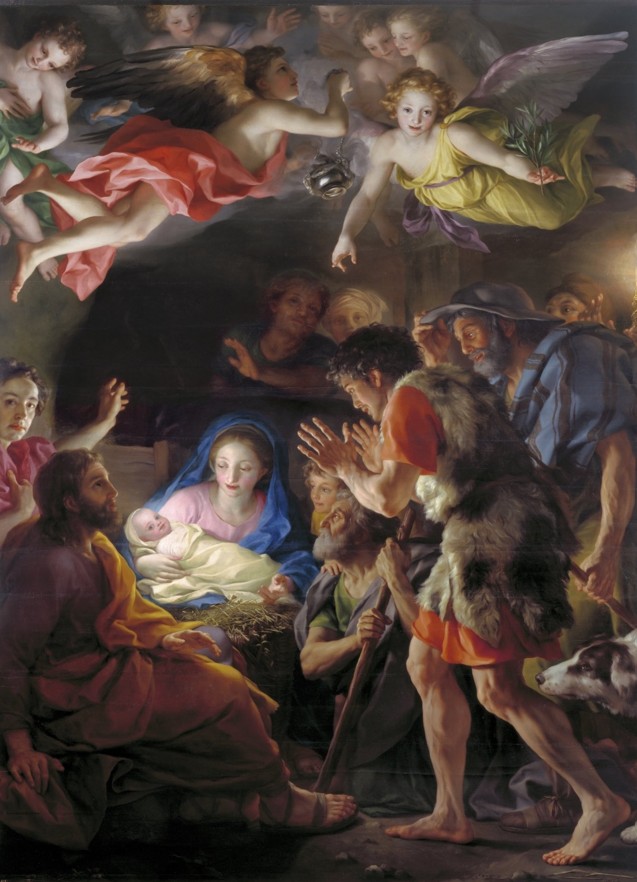
L’Adorazione dei Pastori di Anton Raphael Mengs, realizzata nel 1770, è una delle più celebri opere di soggetto natalizio del XVIII secolo. Conservata presso il Museo del Prado di Madrid, questa composizione rappresenta un punto di incontro tra tradizione iconografica cristiana, ricerca luministica e ideali neoclassici.
Il dipinto raffigura uno degli episodi più significativi della Natività di Cristo: l’arrivo dei pastori alla grotta di Betlemme per adorare il Bambino appena nato, come narrato nel Vangelo di Luca.
Anton Raphael Mengs e il Neoclassicismo
Anton Raphael Mengs (1728–1779) è considerato uno dei principali protagonisti del Neoclassicismo europeo. Pittore, teorico dell’arte e intellettuale cosmopolita, Mengs operò tra Roma, Dresda e Madrid, promuovendo un ritorno all’armonia, alla chiarezza formale e all’equilibrio dell’arte classica.
La Adorazione dei Pastori appartiene alla sua fase matura e riflette pienamente il suo ideale artistico: unire la bellezza ideale dell’antico alla profondità spirituale del soggetto religioso.
Descrizione dell’opera
La composizione
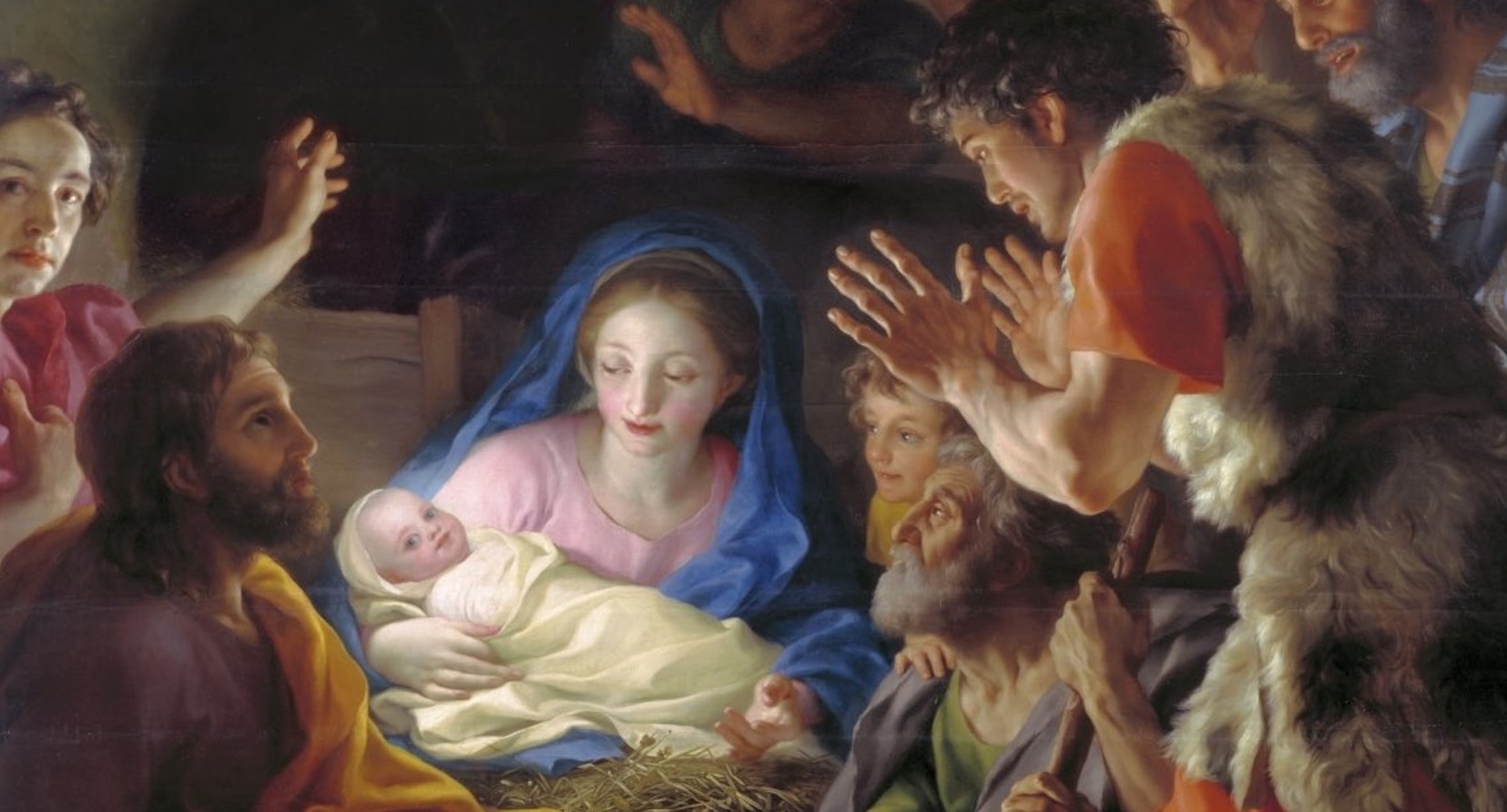
La scena è ambientata in un contesto notturno, all’interno della grotta della Natività. Al centro della composizione si trova Gesù Bambino, fulcro visivo e simbolico dell’intera opera. Maria è raffigurata in atteggiamento raccolto e materno, con uno sguardo carico di dolcezza mentre San Giuseppe appare in posizione laterale, silenzioso e protettivo.
I pastori, disposti attorno alla Sacra Famiglia, esprimono stupore, devozione e umiltà attraverso gesti naturali ed espressioni intense
La disposizione delle figure segue un equilibrio classico, con una struttura armoniosa che guida lo sguardo verso il centro sacro della scena.

Il ruolo della luce nella Adorazione dei Pastori
Uno degli elementi più significativi dell’opera è l’uso della luce simbolica. Il Bambino Gesù è rappresentato come fonte luminosa primaria, da cui si irradia una luce calda che illumina i volti dei personaggi e dissolve l’oscurità circostante.
Questo espediente iconografico richiama la tradizione pittorica di Correggio ed enfatizza il significato teologico di Cristo come Luce del mondo creando un forte coinvolgimento emotivo nello spettatore
Angeli e dimensione divina
Nella parte superiore della composizione compaiono angeli tra le nubi, simbolo della dimensione celeste che osserva e celebra l’evento della nascita di Cristo. La loro presenza rafforza il legame tra cielo e terra e sottolinea la portata universale dell’evento rappresentato.
Un dettaglio iconografico: l’autoritratto di Mengs
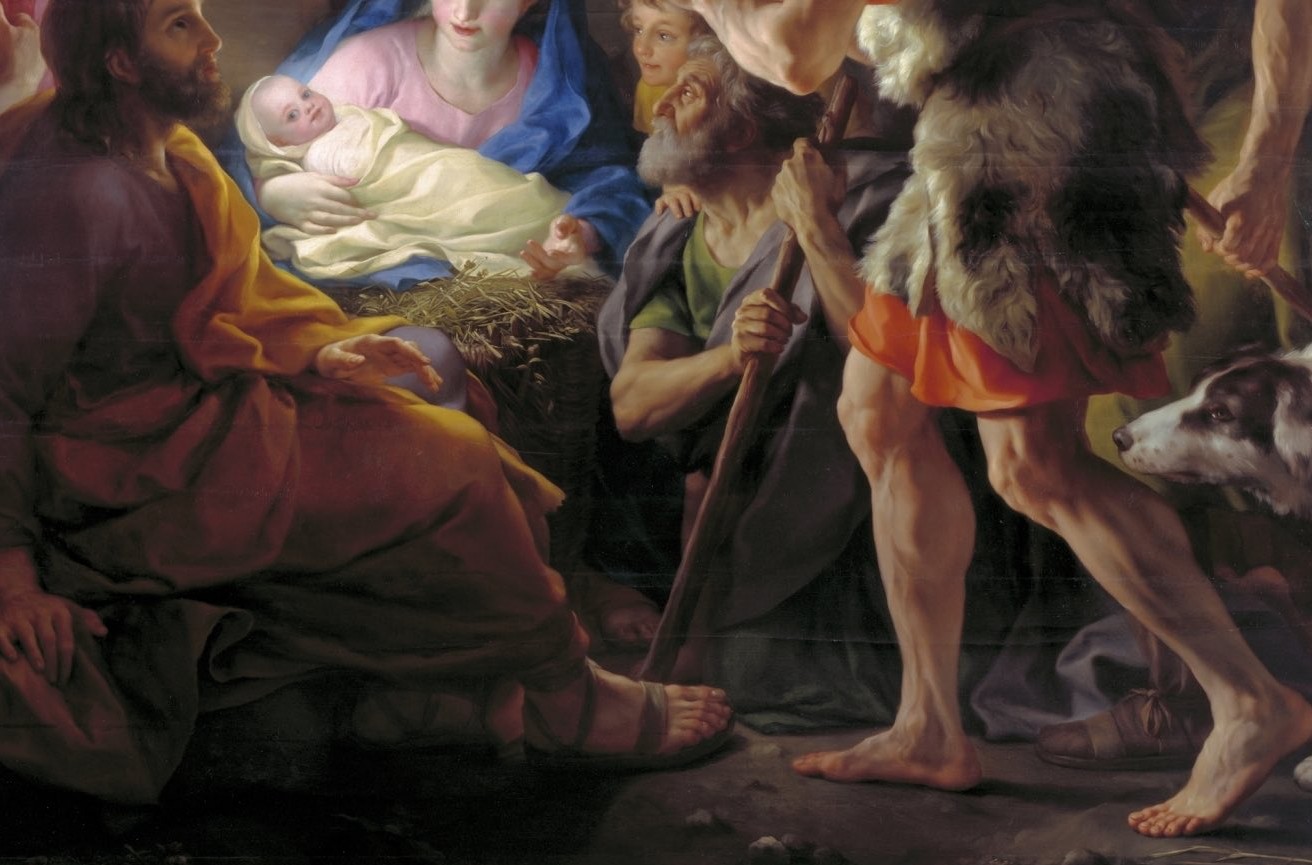
Un aspetto di particolare interesse è la presenza di un autoritratto dell’artista tra i personaggi laterali. Mengs si raffigura mentre indica il Bambino, coinvolgendo direttamente lo spettatore nella scena e dichiarando il proprio ruolo di testimone del mistero sacro.
Questo elemento sottolinea il valore dell’arte come strumento di contemplazione e mediazione spirituale.
Per il momento il sempre vostro Michelangelo Buonarroti vi saluta dandovi appuntamento ai prossimi post e sui social.
The Adoration of the Shepherds by Anton Raphael Mengs
The Adoration of the Shepherds by Anton Raphael Mengs, painted in 1770, is one of the most famous Christmas works of the 18th century. Housed at the Prado Museum in Madrid, this composition represents a meeting point between Christian iconographic tradition, explorations of light, and neoclassical ideals.
The painting depicts one of the most significant episodes of the Nativity of Christ: the arrival of the shepherds at the cave in Bethlehem to adore the newborn Child, as narrated in the Gospel of Luke.
Anton Raphael Mengs and Neoclassicism
Anton Raphael Mengs (1728–1779) is considered one of the leading figures of European Neoclassicism. A painter, art theorist, and cosmopolitan intellectual, Mengs worked between Rome, Dresden, and Madrid, promoting a return to the harmony, formal clarity, and balance of classical art.
The Adoration of the Shepherds belongs to his mature period and fully reflects his artistic ideal: combining the ideal beauty of antiquity with the spiritual depth of the religious subject.
Description of the Work
The Composition
The scene is set in a nocturnal setting, inside the Grotto of the Nativity. At the center of the composition is the Baby Jesus, the visual and symbolic fulcrum of the entire work. Mary is depicted in a recollected, maternal pose, her gaze filled with tenderness, while Saint Joseph stands to the side, silent and protective.
The shepherds, arranged around the Holy Family, express wonder, devotion, and humility through natural gestures and intense expressions.
The arrangement of the figures follows a classical balance, with a harmonious structure that draws the gaze toward the sacred center of the scene.
The Role of Light in the Adoration of the Shepherds
One of the most significant elements of the work is the use of symbolic light. The Baby Jesus is depicted as the primary source of light, radiating a warm light that illuminates the faces of the figures and dissolves the surrounding darkness.
This iconographic device recalls Correggio’s pictorial tradition and emphasizes the theological significance of Christ as the Light of the World, creating a strong emotional connection in the viewer.
Angels and the Divine Dimension
In the upper part of the composition, angels appear among the clouds, symbolizing the celestial dimension that observes and celebrates the birth of Christ. Their presence strengthens the connection between heaven and earth and underscores the universal significance of the event depicted.
An iconographic detail: Mengs’s self-portrait
A particularly interesting aspect is the presence of a self-portrait of the artist among the figures on the sides. Mengs depicts himself pointing to the Child, directly involving the viewer in the scene and declaring his role as a witness to the sacred mystery.
This element emphasizes the value of art as a tool for contemplation and spiritual mediation.
For now, Michelangelo Buonarroti bids you farewell and invites you to join him in future posts and on social media.

Sostienici – Support Us
Se questo blog ti piace e ti appassiona, puoi aiutarci a farlo crescere sempre più sostenendoci in modo concreto condividendo i post, seguendo le pagine social e con un contributo che ci aiuta ad andare avanti con il nostro lavoro di divulgazione. . ENGLISH: If you like and are passionate about this blog, you can help us make it grow more and more by supporting us in a concrete way by sharing posts, following social pages and with a contribution that helps us to move forward with our dissemination work.
10,00 €
Articoli
Condividi:


Questo sono io





sostienici

Sostienici – Support Us
Se questo blog ti piace e ti appassiona, puoi aiutarci a farlo crescere sempre più sostenendoci in modo concreto condividendo i post, seguendo le pagine social e con un contributo che ci aiuta ad andare avanti con il nostro lavoro di divulgazione. . ENGLISH: If you like and are passionate about this blog, you can help us make it grow more and more by supporting us in a concrete way by sharing posts, following social pages and with a contribution that helps us to move forward with our dissemination work.
€10,00


La luce che proviene da questi dipinti mi lascia sempre senza parole, semplicemente unica!! 👏👏👏👍👍👍👍👍👍
"Mi piace"Piace a 2 people
davvero straordinaria e affascinante
"Mi piace"Piace a 1 persona