

La Sacra Culla di Gesù Bambino in Santa Maria Maggiore, Roma
La Basilica di Santa Maria Maggiore custodisce una delle reliquie considerate più sacre per il mondo della cristianità: la Sacra Culla, frammenti delle assi di legno con cui era stata realizzata la mangiatoia dove era stato deposto Gesù Bambino. O perlomeno così si narra.
Fin dall’alto Medioevo la basilica è considerata la “Betlemme dell’Occidente”, e dal pontificato di papa Teodoro (642–649), originario di Gerusalemme, viene annoverata anche come Sancta Maria “ad Praesepem”, proprio per il legame con la mangiatoia del Bambino Gesù.
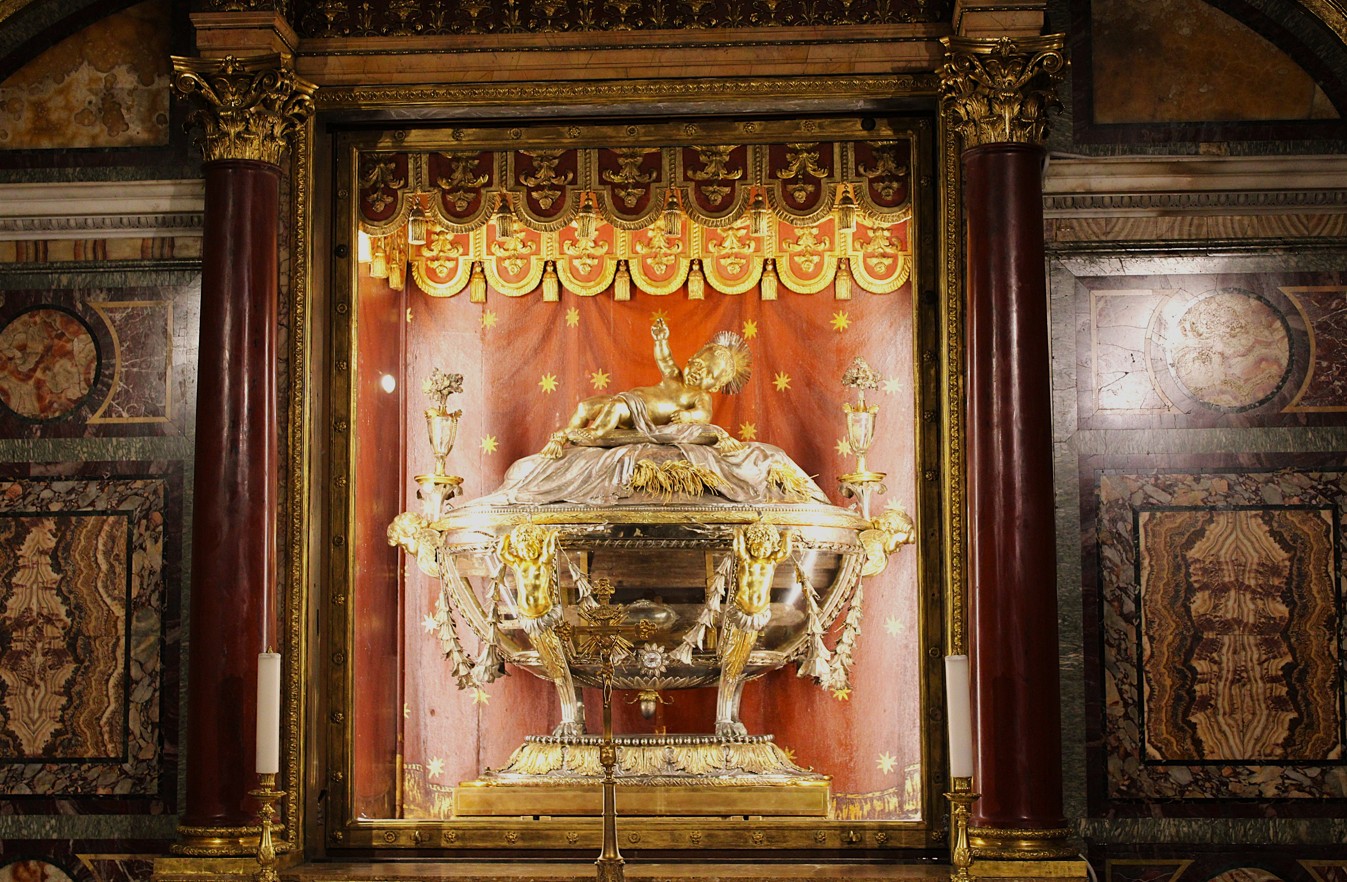
La reliquia è costituita da cinque sottili asticelle di legno di sicomoro (ficus sycomorus), identificate dalla tradizione come parte della mangiatoia venerata a Betlemme.
Recenti studi scientifici recenti hanno confermato che il legno risale al I secolo, rendendo le assicelle compatibili con il tempo della nascita di Cristo.
Dal 1802 sono custodite in un raffinato reliquiario in cristallo di rocca, progettato da Giuseppe Valadier e modellato a forma di culla.
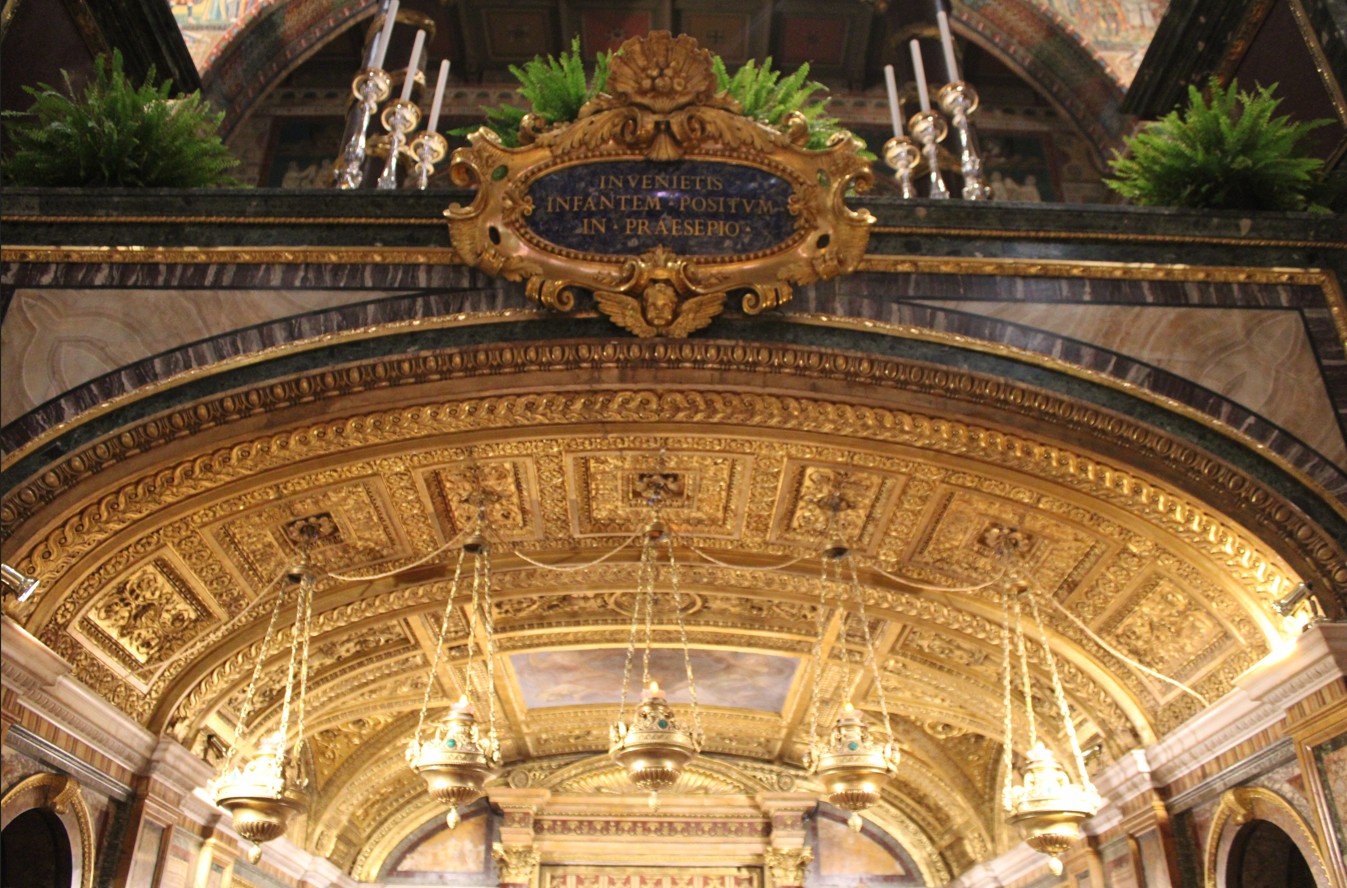
La Confessio ottocentesca di Virginio Vespignani (1861–1864)
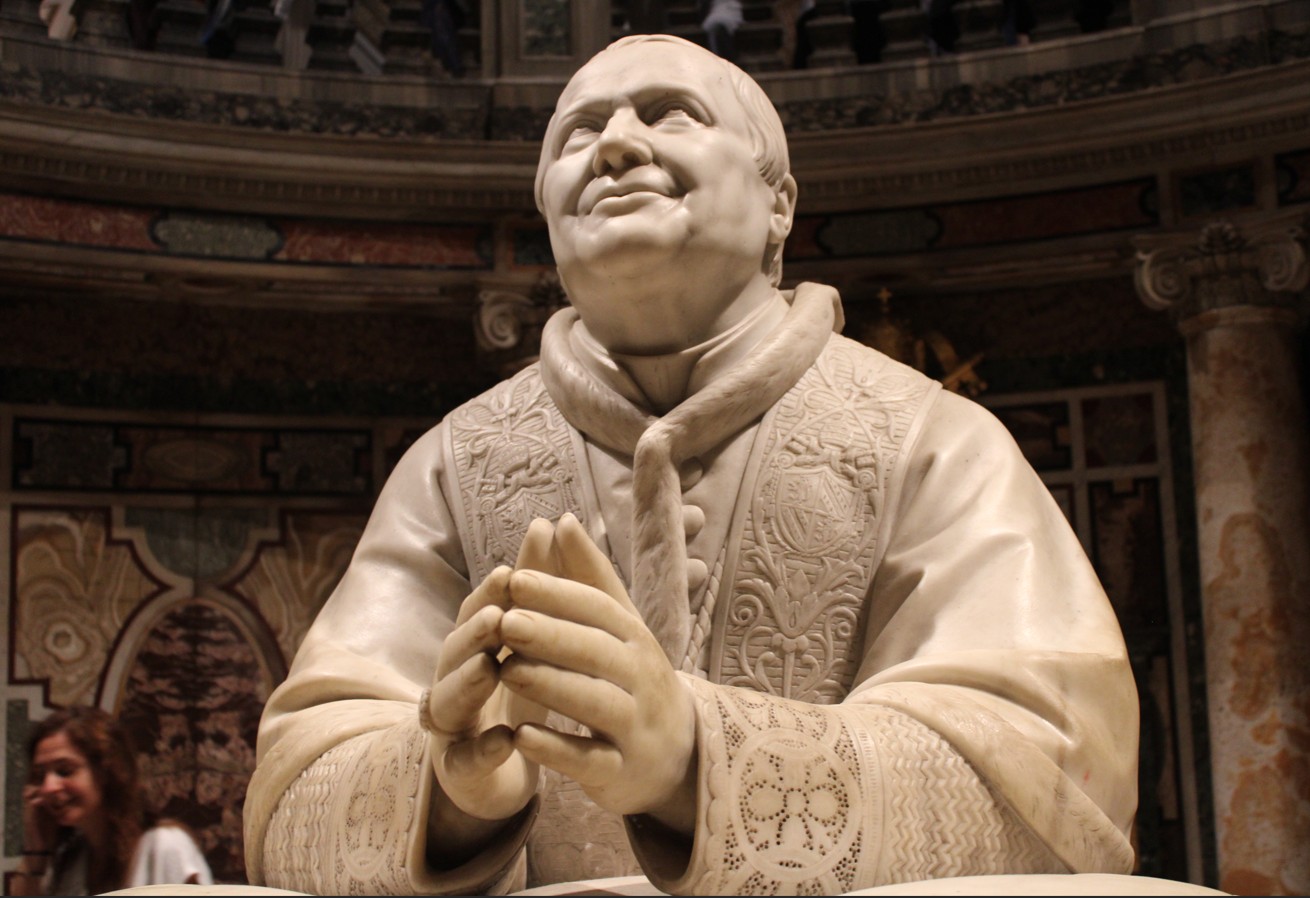
Il luogo in cui è collocata la Sacra Culla è la Confessio, un ambiente sotterraneo collocato al di sotto dell’altare papale in Santa Maria Maggiore, a Roma.
Venne progettata tra il 1861 e il 1864 dall’architetto romano Virginio Vespignani su richiesta di Papa Pio IX che voleva dare un maggior risalto alla reliquia.
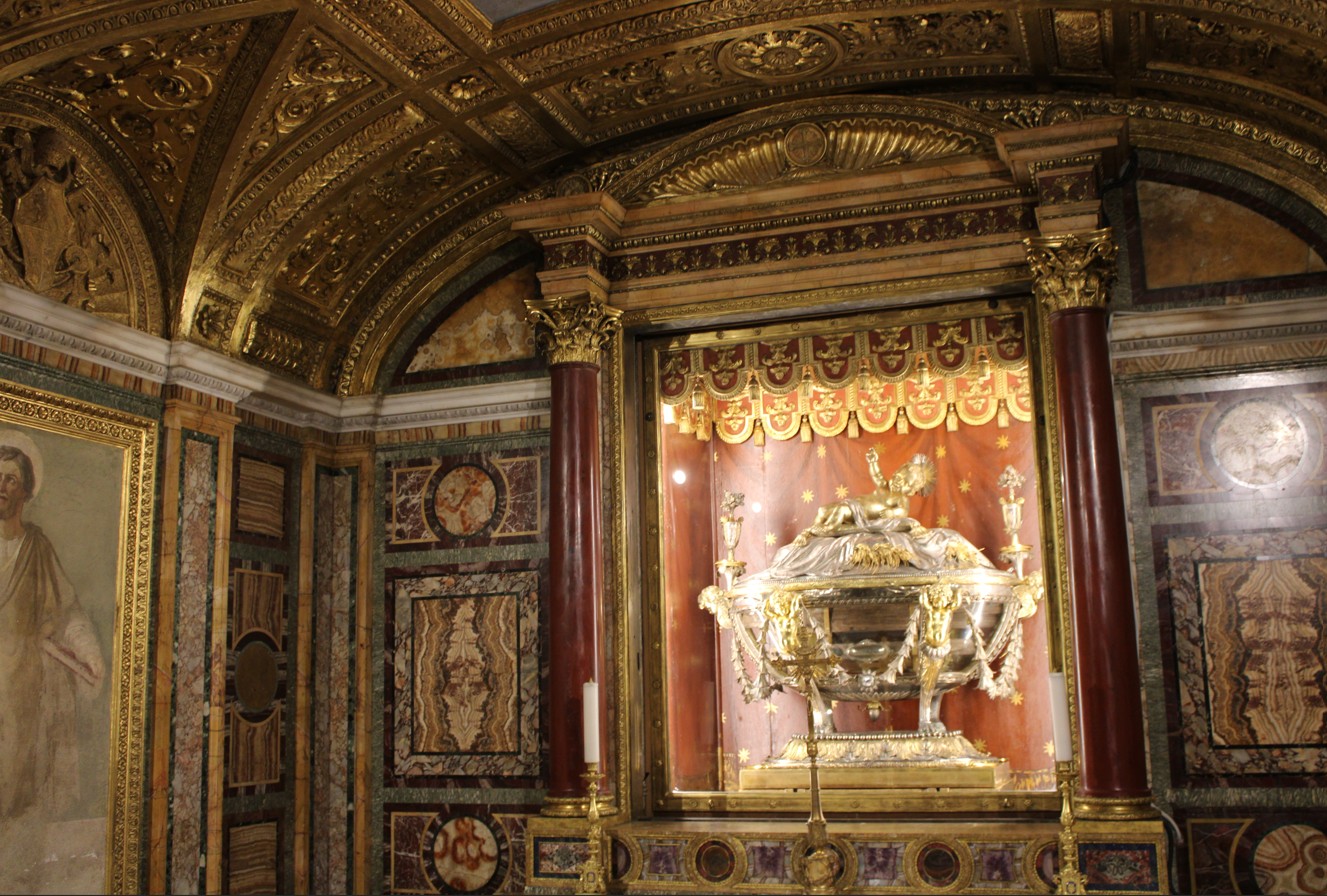

Vespignani concepì la Confessio come una “cripta della Natività”, capace di evocare la grotta di Betlemme attraverso un linguaggio architettonico ottocentesco che fonde monumentalità, ricchezza decorativa e forte valenza simbolica.
L’architetto utilizzò circa settanta tipi diversi di marmo, provenienti in gran parte dagli scavi archeologici coevi condotti a Roma e a Ostia: una scelta significativa, che unisce idealmente la memoria della Roma pagana alla nascita della Roma cristiana.
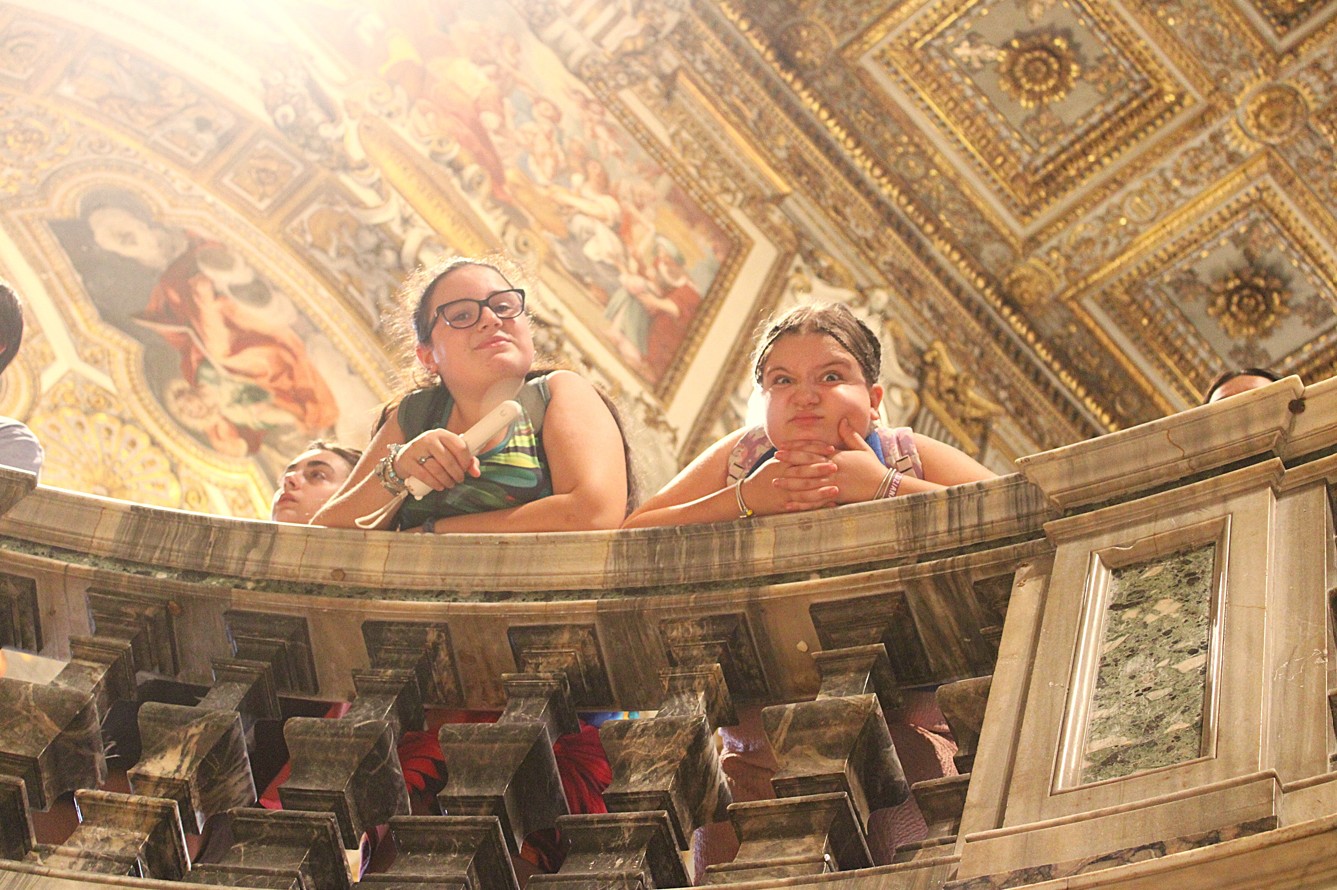
La scala che conduce al reliquiario, fiancheggiata da balaustre riccamente scolpite, guida il fedele in un percorso di discesa simbolica, quasi un pellegrinaggio interiore verso il mistero dell’Incarnazione.
L’illuminazione, studiata per concentrare lo sguardo sul reliquiario di Valadier collocato al centro, rafforza l’idea della culla come fulcro teologico e visivo dell’intero spazio.
Per il momento il sempre vostro Michelangelo Buonarroti vi saluta dandovi appuntamento ai prossimi post e sui social.
The Holy Cradle of the Baby Jesus in Santa Maria Maggiore, Rome
The Basilica of Santa Maria Maggiore houses one of the most sacred relics in Christianity: the Holy Cradle, fragments of the wooden planks used to make the manger where the Baby Jesus was laid. Or so it is said.
Since the early Middle Ages, the basilica has been considered the “Bethlehem of the West,” and since the pontificate of Pope Theodore (642–649), a native of Jerusalem, it has also been known as Sancta Maria “ad Praesepem,” precisely because of its connection to the manger of the Baby Jesus.
The relic consists of five thin slats of sycamore wood (ficus sycomorus), traditionally identified as part of the manger venerated in Bethlehem.
Recent scientific studies have confirmed that the wood dates back to the first century, making the slats compatible with the time of Christ’s birth.
Since 1802, they have been kept in an elegant rock crystal reliquary, designed by Giuseppe Valadier and shaped like a cradle.
The 19th-century Confessio by Virginio Vespignani (1861–1864)
The Holy Cradle is housed in the Confessio, an underground space located beneath the papal altar in Santa Maria Maggiore, Rome.
It was designed between 1861 and 1864 by Roman architect Virginio Vespignani at the request of Pope Pius IX, who wanted to give greater prominence to the relic.
Vespignani conceived the Confessio as a “crypt of the Nativity,” evoking the cave of Bethlehem through a 19th-century architectural language that blends monumentality, decorative richness, and strong symbolic value.
The architect used approximately seventy different types of marble, mostly from contemporary archaeological excavations in Rome and Ostia: a significant choice, ideally uniting the memory of pagan Rome with the birth of Christian Rome.
The staircase leading to the reliquary, flanked by richly carved balustrades, guides the faithful on a symbolic descent, almost an interior pilgrimage toward the mystery of the Incarnation.
The lighting, designed to focus the gaze on Valadier’s reliquary placed in the center, reinforces the idea of the cradle as the theological and visual fulcrum of the entire space.
For now, yours truly, Michelangelo Buonarroti bids you farewell and invites you to join him in future posts and on social media.

Sostienici – Support Us
Se questo blog ti piace e ti appassiona, puoi aiutarci a farlo crescere sempre più sostenendoci in modo concreto condividendo i post, seguendo le pagine social e con un contributo che ci aiuta ad andare avanti con il nostro lavoro di divulgazione. . ENGLISH: If you like and are passionate about this blog, you can help us make it grow more and more by supporting us in a concrete way by sharing posts, following social pages and with a contribution that helps us to move forward with our dissemination work.
10,00 €
Condividi:


Questo sono io





sostienici

Sostienici – Support Us
Se questo blog ti piace e ti appassiona, puoi aiutarci a farlo crescere sempre più sostenendoci in modo concreto condividendo i post, seguendo le pagine social e con un contributo che ci aiuta ad andare avanti con il nostro lavoro di divulgazione. . ENGLISH: If you like and are passionate about this blog, you can help us make it grow more and more by supporting us in a concrete way by sharing posts, following social pages and with a contribution that helps us to move forward with our dissemination work.
€10,00


