
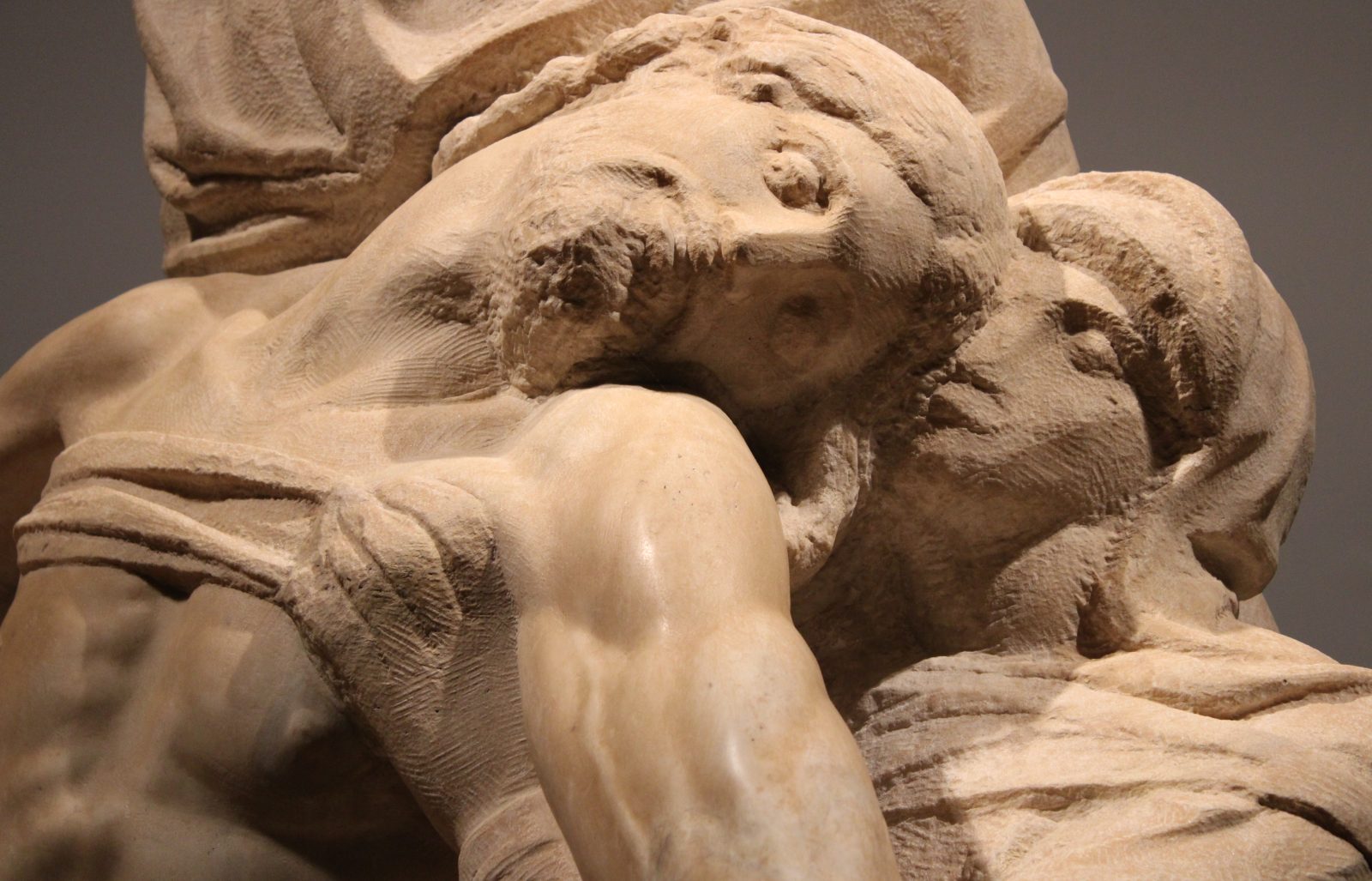
Il Museo del Presepio di Dalmine
Varcare la soglia del Museo del Presepio di Dalmine significa entrare in un luogo sospeso nel tempo, dove la storia, l’arte e la spiritualità si intrecciano in un’unica grande narrazione.
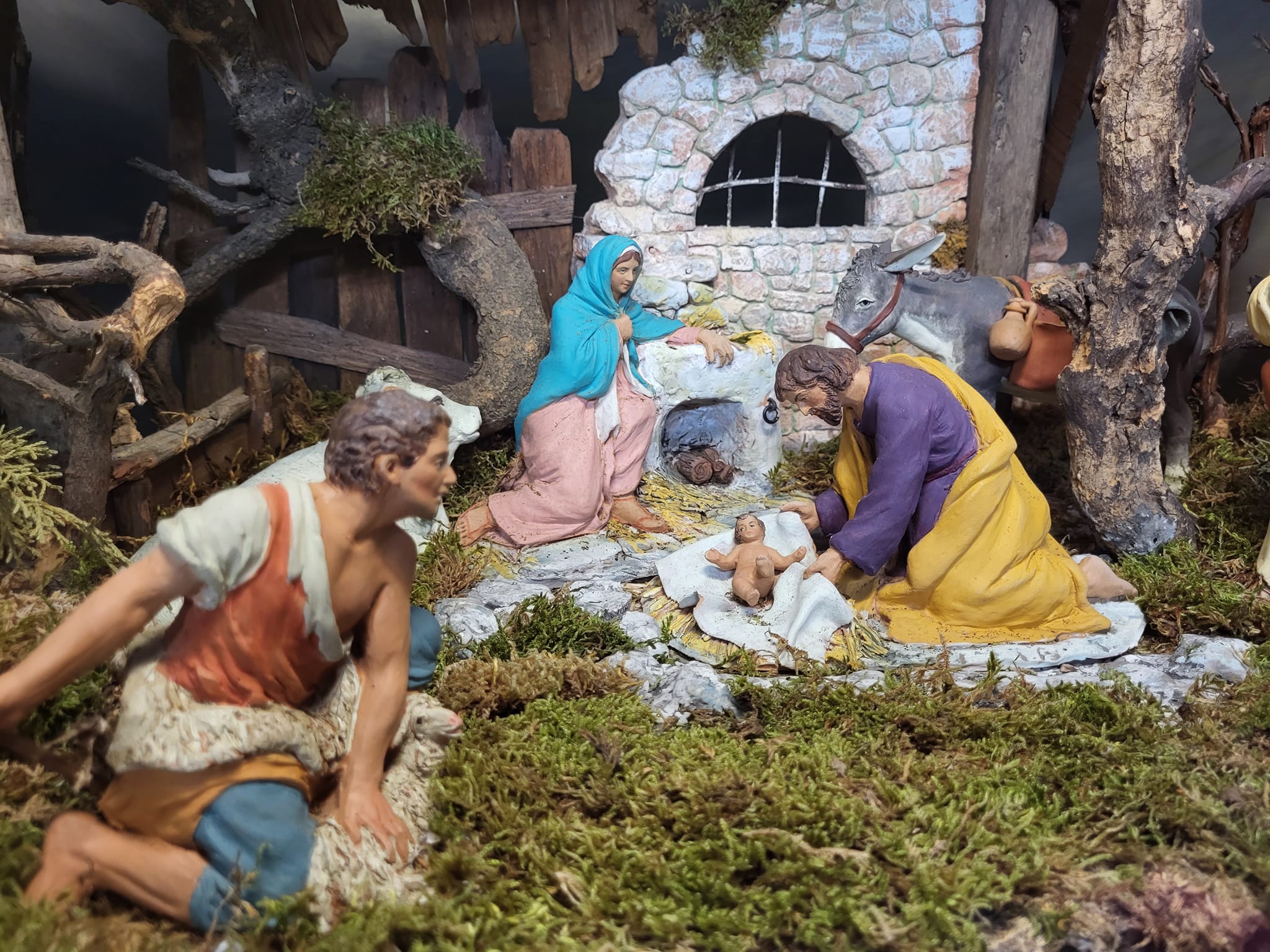
Sono oltre 900 i presepi custoditi che assieme danno via a un viaggio spirituale artistico che attraversa luoghi ed epoche. Si perché la narrazione della Natività cambia a seconda del paese che la accoglie e in base al tempo in cui viene rappresentata.
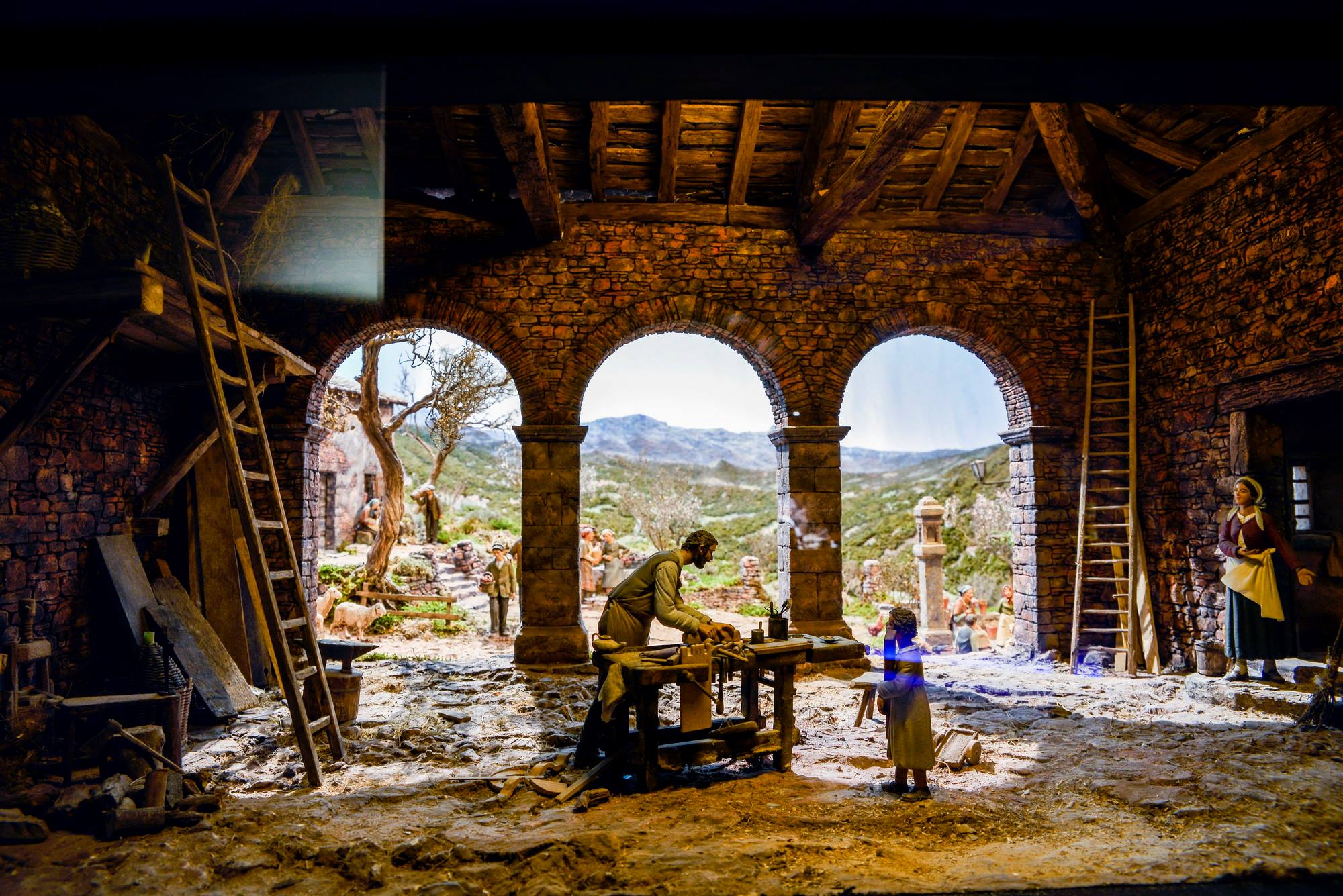
Presepi di epoche differenti
Le opere più antiche arrivano direttamente dal Settecento ma ci sono mirabili pezzi anche dell’Ottocento e dal primo Novecento. La sapienza degli artigiani che hanno dato forma di volta in volta agli abiti, ai personaggi, agli sfondi e ai protagonisti in legno, terracotta, gesso, stoffa e carta trovano nei presepi esposti la massima espressione del loro talento.
Ci sono straordinari presepi napoletani dal fasto barocco, figure genovesi scolpite con rara precisione, ambientazioni bergamasche immerse nella quotidianità di antiche botteghe. Insomma, ogni pezzo è una finestra aperta su un mondo che narra la stessa storia ma il centinaia di modi differenti.
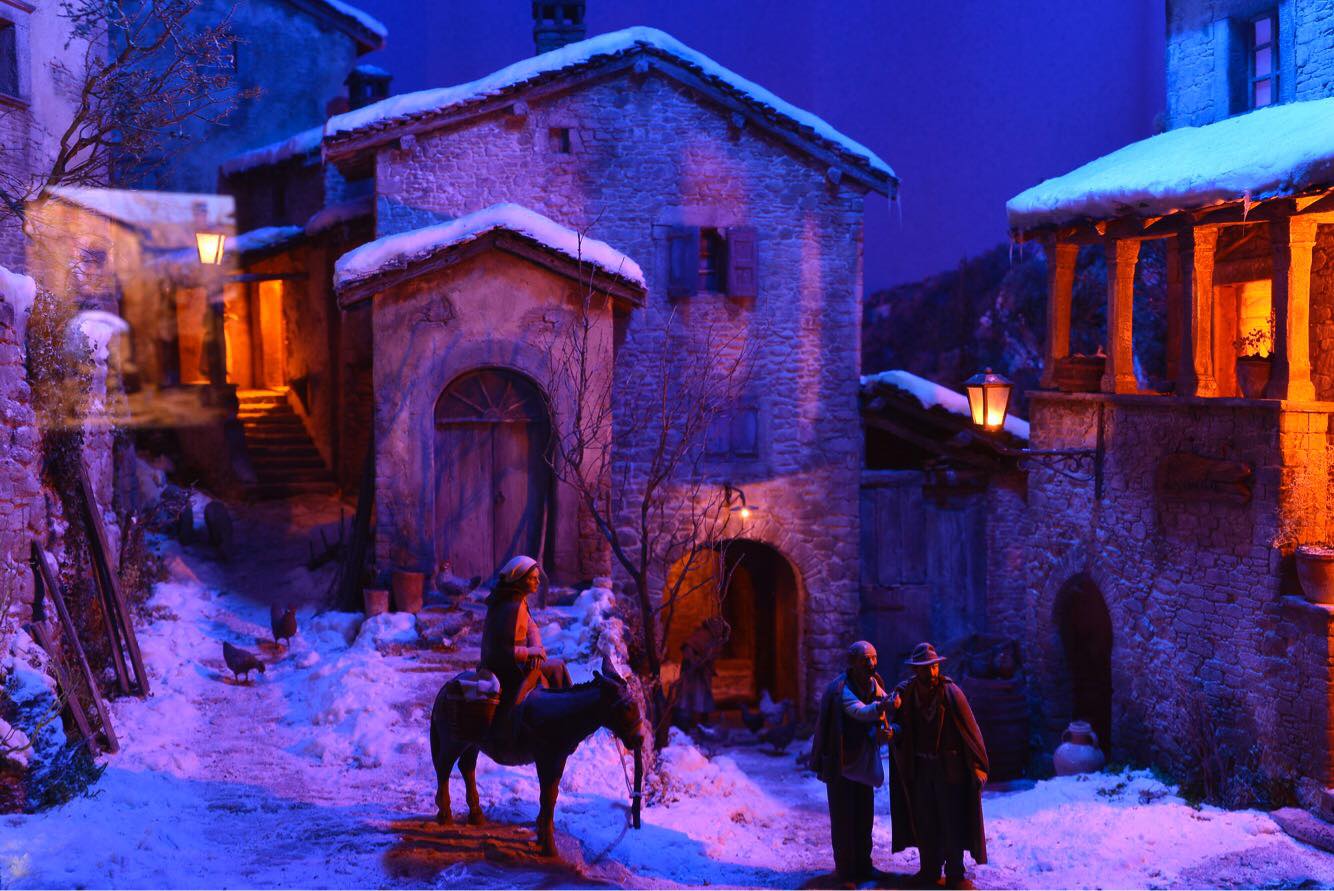
Presepi dal mondo
Accanto a pezzi storici dell’arte presepiale napoletana nota e celebrata in tutto il mondo, il museo accoglie creazioni moderne di artigiani siciliani, pugliesi, sardi, liguri e trentini ma non solo.
Sono esposti presepi che parlano altre lingue: legni africani, ceramiche sudamericane, tessuti asiatici, immagini venute da Oceania e Australia.
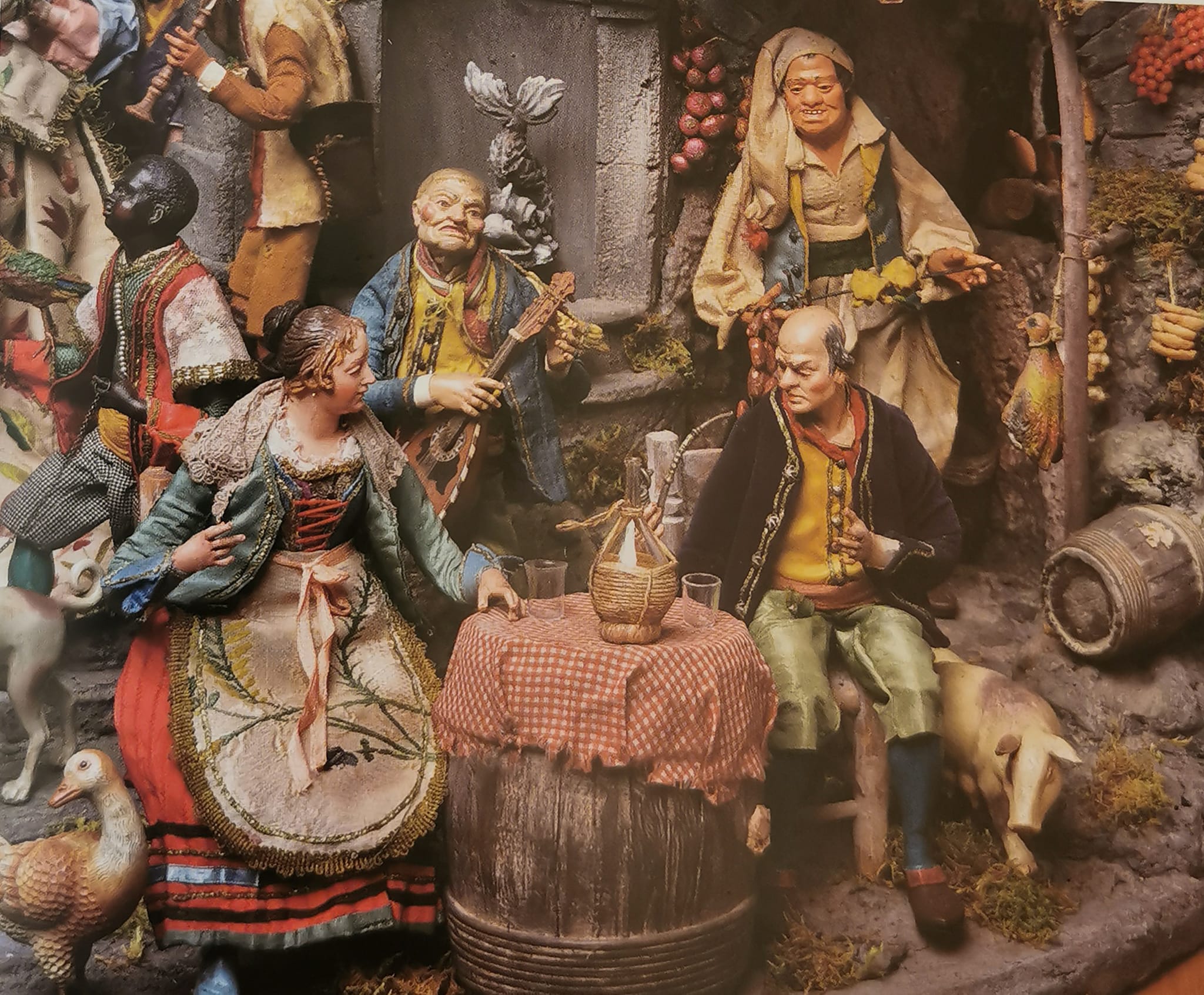
L’origine della parola Presepio
Vi siete mai chiesti cosa significhi la parola ‘Presepio’? Forse si ma mi piace ricordarlo ogni volta che ne ho l’occasione.
L’etimologia di presepio deriva dal latino praesepium, la greppia o il luogo che accoglie. Quella parola già fece la sua comparsa nelle catacombe paleocristiane, dove la Natività appariva incisa nelle pietre, come un segno di speranza e luce.
La visione di Don Giacomo: il Museo del Presepe
A rendere possibile tutto questo fu l’intuizione poetica di Don Giacomo Piazzoli. Dove un tempo c’erano una stalla e un fienile, ebbe la lungimiranza di dar forma a un museo del presepe. Era il 1975 quando quel suo quel sogno prese forma, e ancora oggi continua a crescere, alimentato dalla passione di chi crede che il presepio non sia solo un oggetto d’arte, ma un racconto universale.
Museo del Presepe, Via Pesenti 48 – Dalmine (Bergamo)
Orari
NOVEMBRE – GENNAIO
• Lunedì – Sabato: 14.30 – 18.00
• Domenica: 14.30 – 19.00
FEBBRAIO – OTTOBRE
• Giovedì – Domenica: 14.30 – 18.00
Biglietti
• Intero: 6,00 €
• Ridotto: 4,00 € (under 18, studenti, soci AIAP e Touring Club Italiano)
• Biglietto famiglia: 15,00 € (genitori + figli minori, minimo 4 persone)
• Ingresso gratuito per bambini fino a 5 anni, persone con disabilità, religiosi e accompagnatori dei gruppi.
Per il momento il sempre vostro Michelangelo Buonarroti vi saluta dandovi appuntamento ai prossimi post e sui social.
The Dalmine Nativity Scene Museum
Crossing the threshold of the Dalmine Nativity Scene Museum means entering a place suspended in time, where history, art, and spirituality intertwine in a single, grand narrative. Over 900 nativity scenes are housed here, offering a spiritual and artistic journey through time and space. Yes, because the narrative of the Nativity changes depending on the town that hosts it and the time in which it is performed.
Nativity Scenes from Different Eras
The oldest works date directly from the 18th century, but there are also wonderful pieces from the 19th and early 20th centuries. The skill of the artisans who have shaped the clothing, characters, backdrops, and protagonists in wood, terracotta, plaster, fabric, and paper finds the highest expression of their talent in the nativity scenes on display.
There are extraordinary Neapolitan nativity scenes with baroque splendor, Genoese figures sculpted with rare precision, Bergamo settings immersed in the daily life of ancient workshops. In short, each piece is a window onto a world that tells the same story, but in hundreds of different ways.
Nativity Scenes from Around the World
Alongside historic pieces of Neapolitan nativity art, renowned and celebrated throughout the world, the museum houses modern creations by artisans from Sicily, Puglia, Sardinia, Liguria, and Trentino, among others.
Nativity scenes that speak other languages are on display: African woods, South American ceramics, Asian fabrics, images from Oceania and Australia.
The Origin of the Word Presepio
Have you ever wondered what the word “Presepio” means? Perhaps you have, but I like to remember it every time I have the chance. The etymology of presepio comes from the Latin praesepium, meaning “manger” or “place that welcomes.” That word already appeared in the early Christian catacombs, where the Nativity was carved into the stones, a sign of hope and light.
Don Giacomo’s Vision: The Nativity Scene Museum
What made all this possible was the poetic intuition of Don Giacomo Piazzoli. Where once there were a stable and a barn, he had the foresight to create a Nativity Scene Museum. It was 1975 when his dream took shape, and it continues to grow today, fueled by the passion of those who believe that the Nativity scene is not just an object of art, but a universal story.
Nativity Scene Museum, Via Pesenti 48 – Dalmine (Bergamo)
Hours
NOVEMBER – JANUARY
- Monday – Saturday: 2:30 PM – 6:00 PM
- Sunday: 2:30 PM – 7:00 PM
FEBRUARY – OCTOBER
- Thursday – Sunday: 2:30 PM – 6:00 PM
Tickets
- Full price: €6.00
- Reduced price: €4.00 (under 18, students, AIAP and Touring Club Italiano members)
- Family ticket: €15.00 (parents + minor children, minimum 4 people)
- Free admission for children up to 5 years old, disabled visitors, religious leaders, and group chaperones.
For now, yours truly, Michelangelo Buonarroti, bids farewell and says he’ll see you in future posts and on social media.

Sostienici – Support Us
Se questo blog ti piace e ti appassiona, puoi aiutarci a farlo crescere sempre più sostenendoci in modo concreto condividendo i post, seguendo le pagine social e con un contributo che ci aiuta ad andare avanti con il nostro lavoro di divulgazione. . ENGLISH: If you like and are passionate about this blog, you can help us make it grow more and more by supporting us in a concrete way by sharing posts, following social pages and with a contribution that helps us to move forward with our dissemination work.
10,00 €
Condividi:


Questo sono io





sostienici

Sostienici – Support Us
Se questo blog ti piace e ti appassiona, puoi aiutarci a farlo crescere sempre più sostenendoci in modo concreto condividendo i post, seguendo le pagine social e con un contributo che ci aiuta ad andare avanti con il nostro lavoro di divulgazione. . ENGLISH: If you like and are passionate about this blog, you can help us make it grow more and more by supporting us in a concrete way by sharing posts, following social pages and with a contribution that helps us to move forward with our dissemination work.
€10,00


