
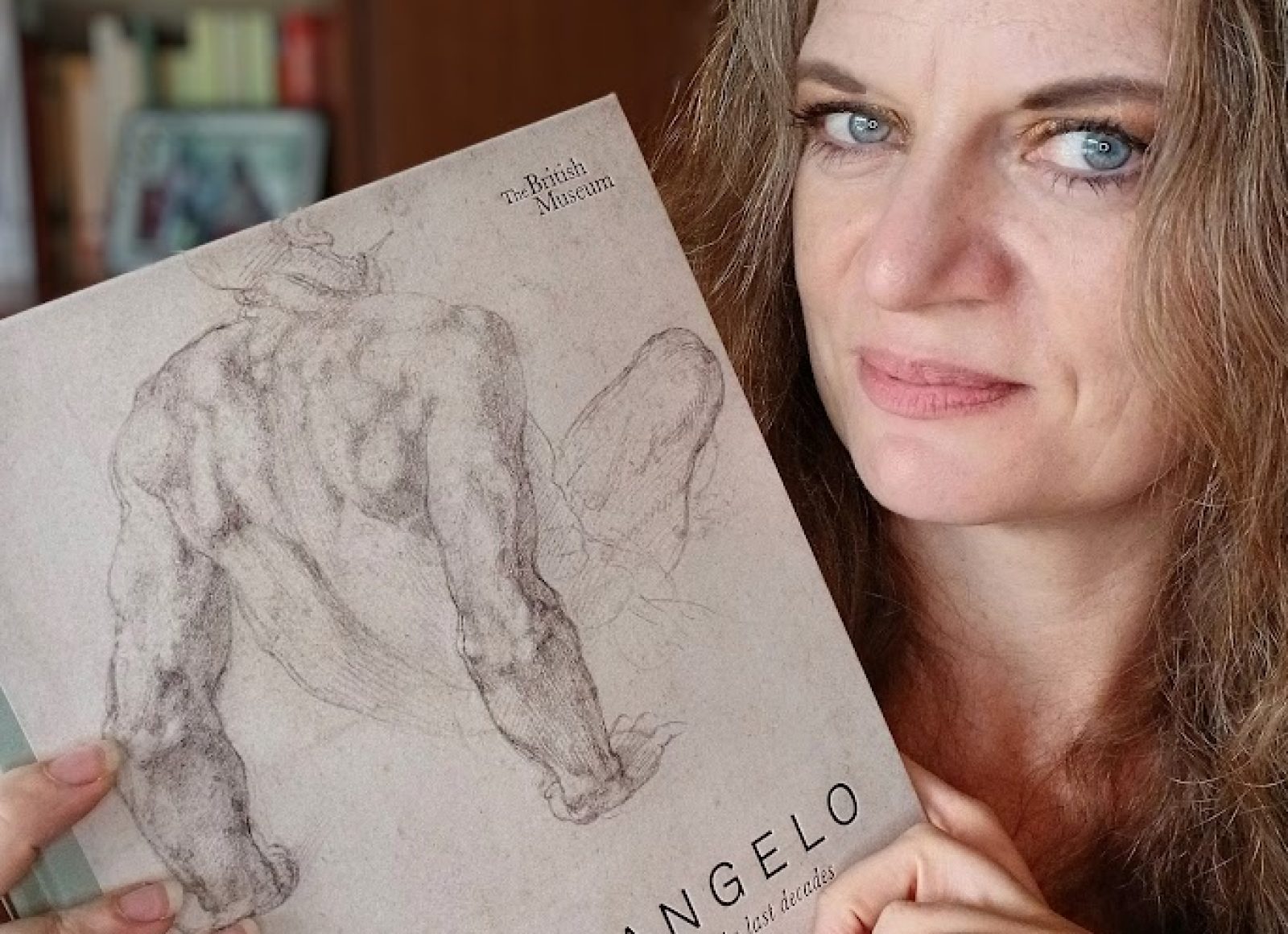
Il Ritratto dell’Artista: Pontormo, Tiziano, Hayez, Tintoretto e tanti altri in mostra a Forlì
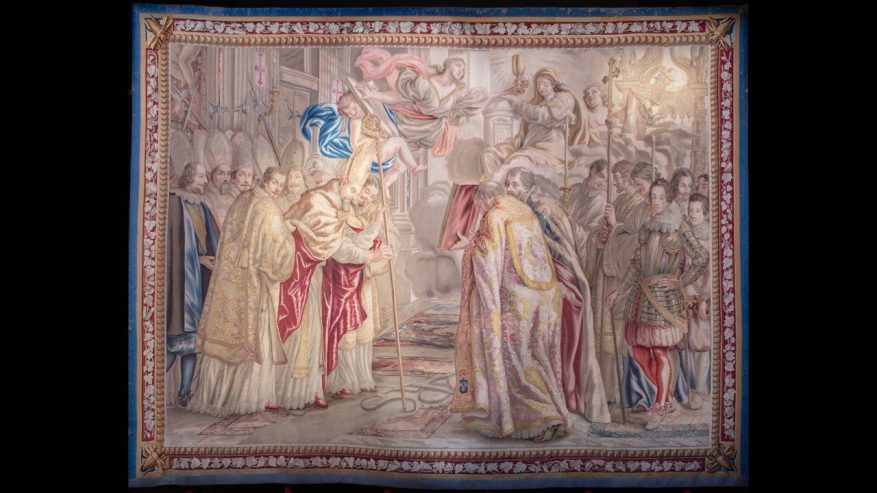
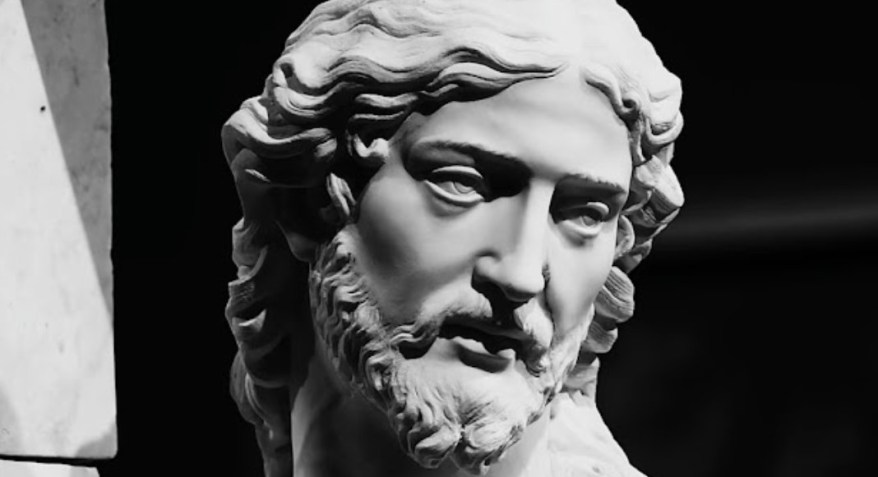
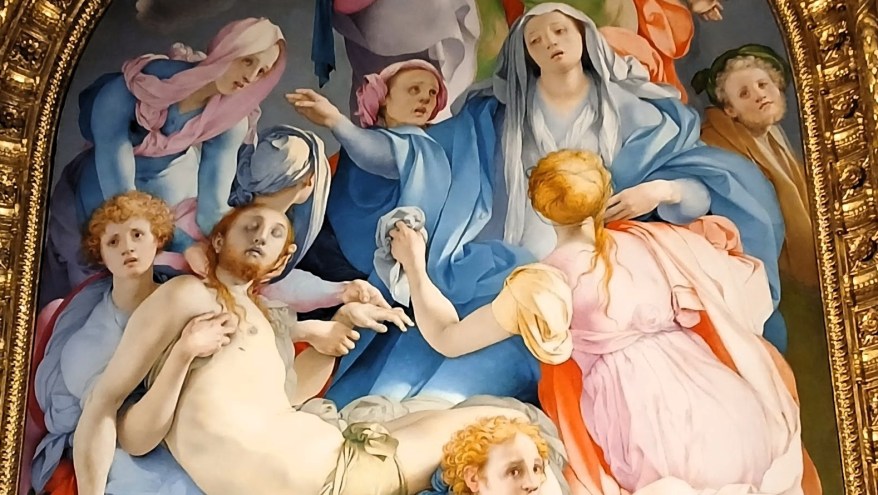
Bellini, Tintoretto, Barocci, Pontormo, Parmigianino, Rembrandt, Tiziano e Hayez,: sono questi alcuni dei nomi che saranno presenti nella grande mostra ‘Il Ritratto dell’Artista. Nello specchio di Narciso. Il volto, la maschera, il selfie‘ che aprirà al pubblico il 22 febbraio 2025 ai Musei di San Domenico Forlì.
L’esposizione avrà la curatela di Cristina Acidini, Fernando Mazzocca, Francesco Parisi e Paola Refice e sarà realizzata dalla Fondazione Cassa dei Risparmi di Forlì e il Museo Civico San Domenico.
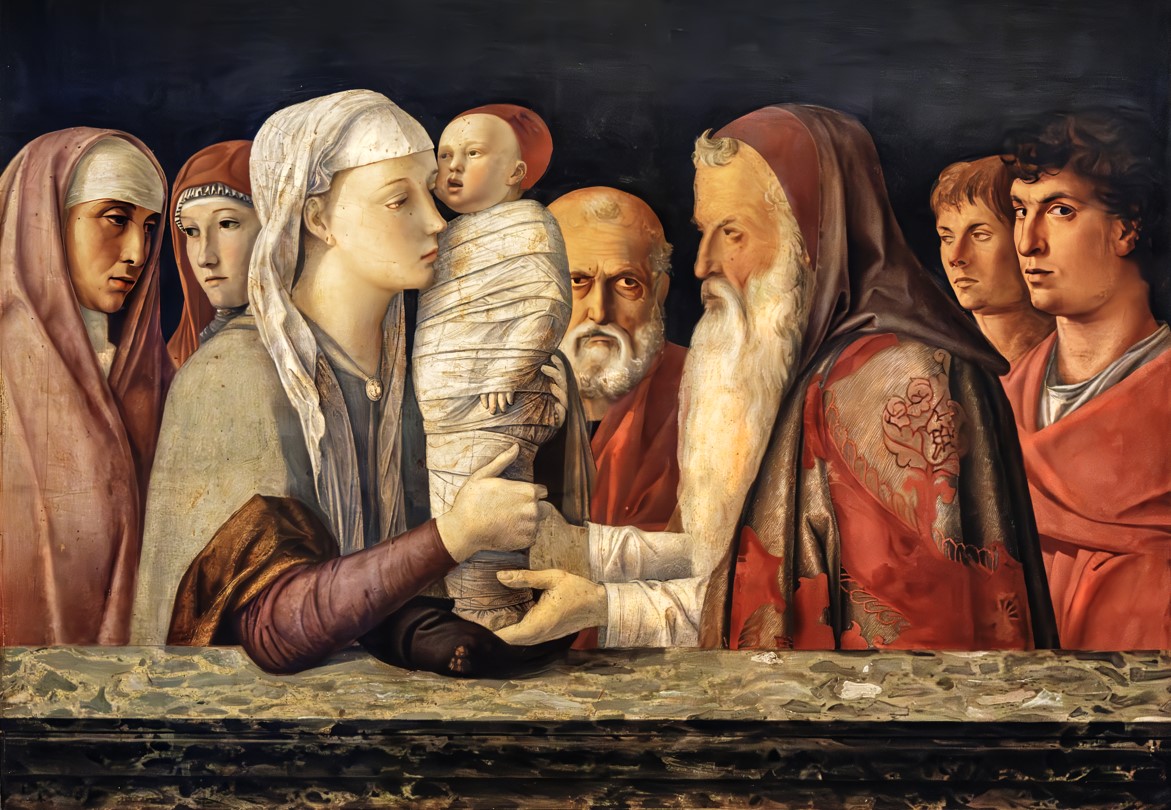
“Il primo è stato Narciso, che guardandosi nello specchio dell’acqua ha conosciuto il proprio volto. Il primo autoritratto – dice Gianfranco Brunelli, Direttore delle Grandi Mostre del Museo Civico San Domenico – poi è arrivato il selfie. Nei secoli, ritrarre il proprio volto, la propria immagine è stato, per ogni artista , una sfida, un tributo, un messaggio, una proiezione, un esercizio di analisi profonda che mostra le aspirazioni ideali e le espressioni emotive, ma che rivela anche la maestria e il talento. Poi serve uno specchio. Timore, prudenza o desiderio, persino bramosia di guardarsi. Allegoria di vizi e virtù“.
Il ritratto dell’artista è un autografo esistenziale. Segno, traccia, memoria, riflesso da tradurre in un’immagine definitiva, giocata nel tempo, contro il tempo, oltre il tempo. Nell’autoritratto il pittore si sdoppia nel duplice ruolo di modello e di artista. L’occhio si posa sull’immagine riflessa per ritrarsi e l’immagine ritratta è un alter da sé ed è un sé. Spesso ne viene fuori una maschera. Personaggio più che persona. Per molti artisti è così, dal Quattrocento al Novecento.
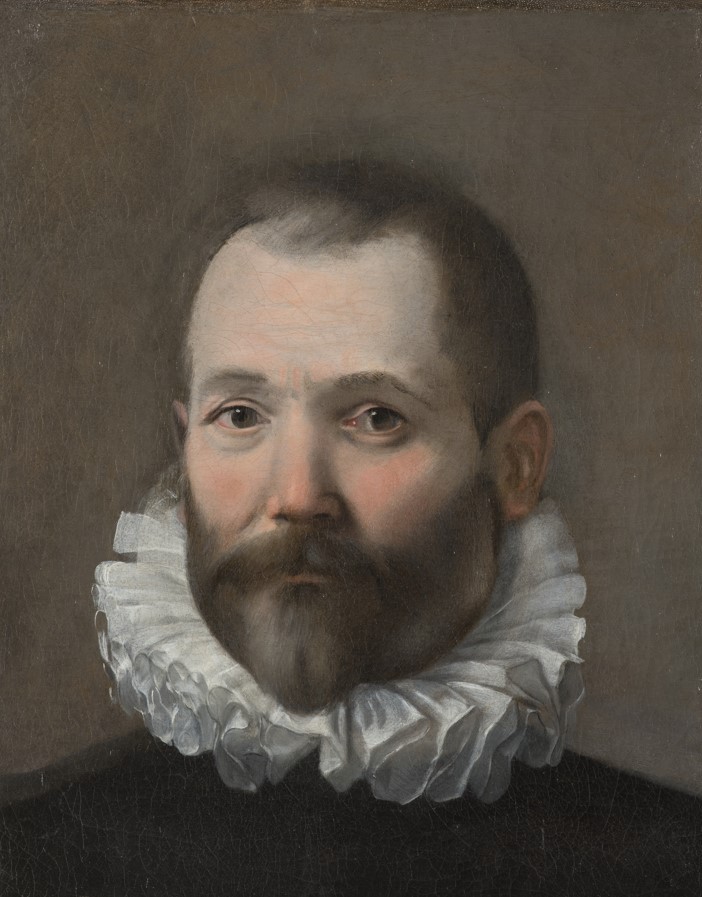
L’artista figura tra gli uomini illustri, si fa metafora, protagonista e immagine del proprio tempo. L’artista recita, si mette in mezzo, sbuca da una sua opera che parla d’altro: in mezzo a un racconto mitologico, a una storia sacra, a un evento storico.
Ciò che rende così affascinante e quasi irrinunciabile l’autoritratto agli occhi degli artisti è la sua capacità di sostituirsi interamente alla persona di cui è copia.
L’immagine funziona da doppio del soggetto, come nel mito di Narciso ripreso da tutta la storia della pittura e della letteratura fino ad approdare, nel Novecento, alla psicoanalisi freudiana.
Il Ritratto dell’Artista: Nello specchio di Narciso si pone dunque come una storia in immagini offrendo una visione affascinante e articolata di uno dei temi più universali e significativi nell’arte.
Da Febbraio 2025 ai Musei di San Domenico a Forlì. Per il momento il sempre vostro Michelangelo Buonarroti vi saluta dandovi appuntamento ai prossimi post e sui social.
The Portrait of the Artist: Pontormo, Titian, Hayez, Tintoretto and many others on display in Forlì
Bellini, Tintoretto, Barocci, Pontormo, Parmigianino, Rembrandt, Titian and Hayez: these are some of the names that will be present in the great exhibition ‘The Portrait of the Artist. In the Mirror of Narcissus. The Face, the Mask, the Selfie‘ which will open to the public on February 22, 2025 at the Museums of San Domenico Forlì.
The exhibition will be curated by Cristina Acidini, Fernando Mazzocca, Francesco Parisi and Paola Refice and will be created by the Fondazione Cassa dei Risparmi di Forlì and the Museo Civico San Domenico.
“The first was Narcissus, who, looking at himself in the mirror of the water, recognized his own face. The first self-portrait – says Gianfranco Brunelli, Director of the Major Exhibitions of the Museo Civico San Domenico – then came the selfie. Over the centuries, portraying one’s own face, one’s own image has been, for every artist, a challenge, a tribute, a message, a projection, an exercise in deep analysis that shows ideal aspirations and emotional expressions, but also reveals mastery and talent. Then you need a mirror. Fear, caution or desire, even longing to look at yourself. Allegory of vices and virtues”.
The artist’s portrait is an existential autograph. Sign, trace, memory, reflection to be translated into a definitive image, played out in time, against time, beyond time. In the self-portrait the painter splits into the dual role of model and artist. The eye rests on the reflected image to portray itself and the portrayed image is an alter from itself and is a self. Often a mask emerges. Character rather than person. For many artists it is like this, from the fifteenth to the twentieth century.
The artist figures among illustrious men, becomes a metaphor, protagonist and image of his own time. The artist recites, gets in the way, emerges from one of his works that speaks of something else: in the middle of a mythological tale, a sacred story, a historical event.
What makes the self-portrait so fascinating and almost indispensable in the eyes of artists is its ability to completely replace the person of whom it is a copy.
The image functions as a double of the subject, as in the myth of Narcissus taken up by the entire history of painting and literature until arriving, in the twentieth century, at Freudian psychoanalysis.
The Portrait of the Artist: In the Mirror of Narcissus is therefore presented as a story in images offering a fascinating and articulated vision of one of the most universal and significant themes in art.
From February 2025 at the Museums of San Domenico in Forlì. For the moment, the always your Michelangelo Buonarroti bids you farewell, making an appointment with you in the next posts and on social media.

Sostienici – Support Us
Se questo blog ti piace e ti appassiona, puoi aiutarci a farlo crescere sempre più sostenendoci in modo concreto condividendo i post, seguendo le pagine social e con un contributo che ci aiuta ad andare avanti con il nostro lavoro di divulgazione. . ENGLISH: If you like and are passionate about this blog, you can help us make it grow more and more by supporting us in a concrete way by sharing posts, following social pages and with a contribution that helps us to move forward with our dissemination work.
10,00 €
Articoli
Condividi:


Questo sono io





sostienici

Sostienici – Support Us
Se questo blog ti piace e ti appassiona, puoi aiutarci a farlo crescere sempre più sostenendoci in modo concreto condividendo i post, seguendo le pagine social e con un contributo che ci aiuta ad andare avanti con il nostro lavoro di divulgazione. . ENGLISH: If you like and are passionate about this blog, you can help us make it grow more and more by supporting us in a concrete way by sharing posts, following social pages and with a contribution that helps us to move forward with our dissemination work.
€10,00


