
La Scultura del giorno: il Bambino con l’Uccellino dell’Argenti
La tenerezza con cui il bambino guarda l’uccellino che si è posato sulla sua mano è un pezzo di bravura dello scultore Argenti, nato a Varese il 27 marzo del 1845.
Antonio Argenti fu un artista molo apprezzato del suo tempo, oggi quasi dimenticato però dal grande pubblico.
Suo padre Marcantonio e suo fratello Giosuè erano a loro volta scultori e fin da piccolo frequentò i laboratori in cui nascevano opere scultoree di tutto rispetto.
L’artista trascorse tutta l’infanzia a Viggù, una terra di scalpellini. Approfondì le sue conoscenze del mondo dell’arte che aveva appreso fino al momento all’Accademia di Brera e fu un promettente allievo di Pietro Magni.


L’Argenti nel corso degli anni divenne particolarmente abile nel riprodurre le emozioni nei volti che scolpiva e nel realizzare dettagli raffinatissimi.
Particolarmente noto per riuscire a ritrarre con estremo realismo i bambini, tra le sue opere più note vale la pena menzionare ‘il Riposino’ in cui dimostrò tutta la sua conoscenza degli atteggiamenti tipici dei bambini.
Nella scultura del Bambino con l’Uccellino, scolpì un bambino di tre anni circa, abbigliato con una camiciola bordata di trina che gli scivola dalla spalla.

La veste si solleva dal fondo creando una piega che la movimenta in maniera deliziosa. Sulla mano destra del bimbo si è posato un uccellino che sta imparando a volare. Il parallelismo della giovane età con quella ancor più giovane dell’uccellino è lampante.
Probabilmente lo ha raccolto da terra e lo guarda teneramente, nella speranza che riesca a spiccare il volo di lì a poco.
Il bambino porta al petto una medaglia con una M in evidenza. Potrebbe essere la M della Madonna o magari quella del committente ignoto che richiese questo lavoro. L’opera appartiene a una collezione privata.
Per il momento il sempre vostro Michelangelo Buonarroti vi saluta dandovi appuntamento ai prossimi post e sui social.
Sculpture of the day: Argenti’s Child with a Bird
The tenderness with which the child looks at the bird that has landed on his hand is a piece of skill by the sculptor Argenti, born in Varese on March 27, 1845.
Antonio Aregenti was a highly appreciated artist of his time, but today almost forgotten by the general public.
His father Marcantonio and his brother Giosuè were also sculptors and from an early age he frequented the workshops where highly respected sculptures were created. He spent his entire childhood in Viggù, a land of stonecutters. He deepened his knowledge of the world of art that he had learned up to that point at the Brera Academy and was a promising student of Pietro Magni.
Over the years, Argenti became particularly skilled in reproducing emotions in the faces he sculpted and in creating very refined details.
Particularly known for being able to portray children with extreme realism, among his most famous works it is worth mentioning ‘Il Riposino’ in which he demonstrated all his knowledge of the typical behaviors of children.
In the sculpture of the Child with the Bird, he sculpted a child of about three years old, dressed in a shirt trimmed with lace that slips from his shoulder.
The dress rises from the bottom creating a fold that moves it in a delightful way. On the child’s right hand has landed a little bird that is learning to fly. The parallelism of the young age with the even younger age of the bird is clear.
He probably picked it up from the ground and looks at it tenderly, in the hope that it will be able to take flight soon.
The child wears a medal with a prominent M on his chest. It could be the M of the Madonna or perhaps that of the unknown client who requested this work. The work belongs to a private collection.
For now, yours ever Michelangelo Buonarroti bids you farewell, making an appointment to see you in the next posts and on social med

Sostienici – Support Us
Se questo blog ti piace e ti appassiona, puoi aiutarci a farlo crescere sempre più sostenendoci in modo concreto condividendo i post, seguendo le pagine social e con un contributo che ci aiuta ad andare avanti con il nostro lavoro di divulgazione. . ENGLISH: If you like and are passionate about this blog, you can help us make it grow more and more by supporting us in a concrete way by sharing posts, following social pages and with a contribution that helps us to move forward with our dissemination work.
10,00 €
-
Festival La Versiliana 2026: tra musica, teatro e grandi narrazioni
Dal 17 luglio al 23 agosto 2026, la pineta di Marina di Pietrasanta ospiterà la 47ª edizione del Festival La Versiliana. Una kermesse aperta a tutti nella quale linguaggi diversi dialogano tra loro in un equilibrio tra tradizione e contemporaneità.
-
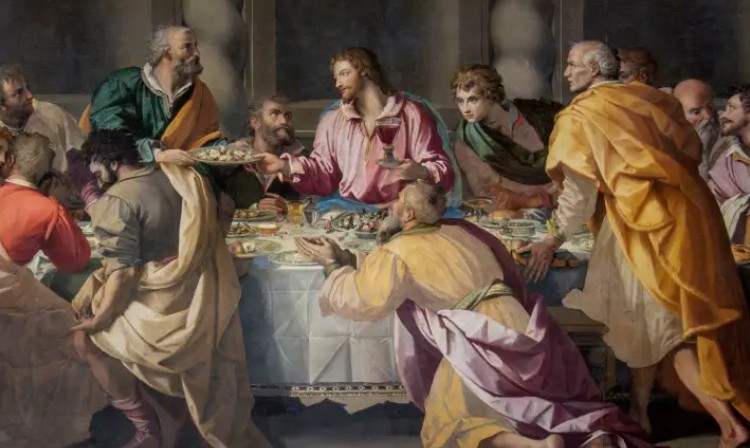
Giovedì Santo: l’Ultima Cena di Allori che pochi conoscono a Firenze
🇮🇹Nel cuore di Museo di Santa Maria Novella, a Firenze, si conserva una delle interpretazioni più affascinanti e meno note dell’Ultima Cena: quella realizzata da Alessandro Allori nel 1584… 🇬🇧In the heart of the Santa Maria Novella Museum in Florence, one of the most fascinating and least-known interpretations of the Last Supper is preserved: the…
-
Cenacolo di Leonardo: i dettagli che raccontano il tradimento
🇮🇹Nel Cenacolo di Leonardo da Vinci, custodito a Santa Maria delle Grazie, Cristo annuncia il tradimento e il tempo si ferma… 🇬🇧In Leonardo da Vinci’s Last Supper, housed in Santa Maria delle Grazie, Christ announces the betrayal and time stands still…
Condividi:


Questo sono io





sostienici

Sostienici – Support Us
Se questo blog ti piace e ti appassiona, puoi aiutarci a farlo crescere sempre più sostenendoci in modo concreto condividendo i post, seguendo le pagine social e con un contributo che ci aiuta ad andare avanti con il nostro lavoro di divulgazione. . ENGLISH: If you like and are passionate about this blog, you can help us make it grow more and more by supporting us in a concrete way by sharing posts, following social pages and with a contribution that helps us to move forward with our dissemination work.
€10,00


