

28 ottobre 1886: l’inaugurazione della Statua della Libertà
Il 28 ottobre 1886 fu inaugurato uno dei monumenti più iconici e riconosciuti al mondo: la Statua della Libertà, un’opera francese donata agli Stati Uniti per suggellare l’unione ideale tra le due nazioni.
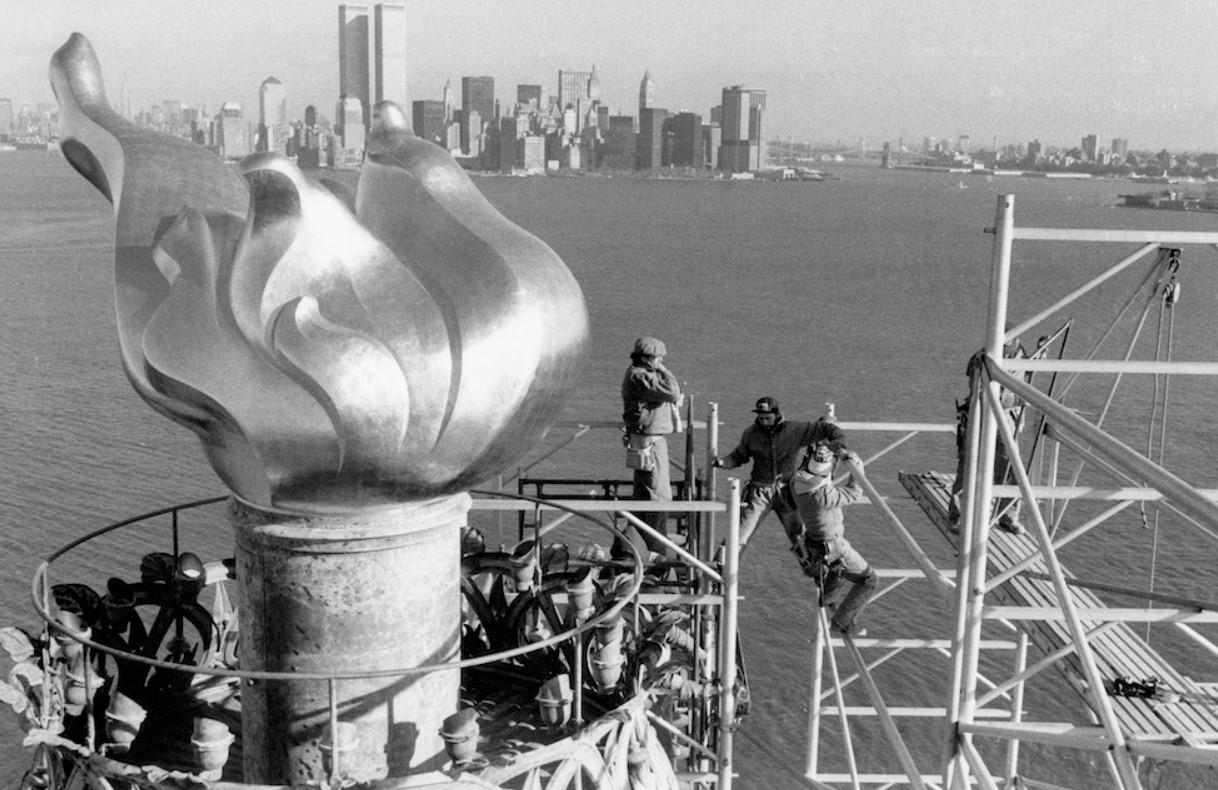
Alta da terra 93 metri e senza piedistallo 46, è collocata al centro della baia di New York, sulla Liberty Island e si riesce a vedere a 40 chilometri di distanza.
Un dono dalla Francia agli Stati Uniti
Ideata dallo scultore alsaziano Frédéric Auguste Bartholdi e realizzata con l’ingegneristico contributo di Gustave Eiffel, la statua fu un regalo della Francia agli Stati Uniti per celebrare il centenario della loro indipendenza. Un gesto simbolico che sottolineava i forti legami tra le due nazioni e i valori condivisi di libertà e democrazia.
L’idea della realizzazione di quest’opera fu del politico francese Edouard Laboulaye. Nel 1856, mentre cenava nella sua dimora a Versailles, propose ai commensali di realizzare una grande opera da donare agli Stati Uniti.

Un simbolo universale
La Statua della Libertà, con la sua posa maestosa e la fiaccola alzata verso il cielo, è diventata nel corso del tempo un simbolo universale di libertà, accoglienza e speranza.
Per milioni di immigrati che arrivavano a New York, la statua era la prima cosa che vedevano della nuova terra e rappresentava il simbolo di una nuova vita.

Il suo nome
Il suo vero nome non è Statua della Libertà ma Liberty Enlightening the World, cioè ‘la libertà che illumina il mondo‘. Con la mano sinistra regge il libro con le leggi americane sopra il quale è stata incisa la data del 4 luglio 1776 mentre nella destra levata verso il cielo sostiene la fiaccola d’oro che simboleggia il fuoco della libertà.
La non originalità dell’opera
C’è poco da fare: Bartholdi per realizzare la Statua della Libertà si ispirò, e nemmeno poco, alla Libertà della Poesia di Pio Fedi. La scultura in marmo realizzata dall’artista come monumento funebre in onore di Giovan Battista Niccolini, poeta, drammaturgo e patriota morto nel 1861.

Il modello in gesso fu ultimato nel 1872 e la scultura fu inaugurata nel 1883, alla presenza di un gran numero di persone, politici e intellettuali che apprezzavano le idee risorgimentali del Niccolini più che il lavoro di Fedi.
Mentre nella scultura di Fedi l’opera simboleggia la libertà del pensiero individuale, in Bartholdi il significato fu traslato sulla libertà della nazione americana. In entrambi i caso al centro della scena rimane la personificazione della libertà.
Come fu realizzata
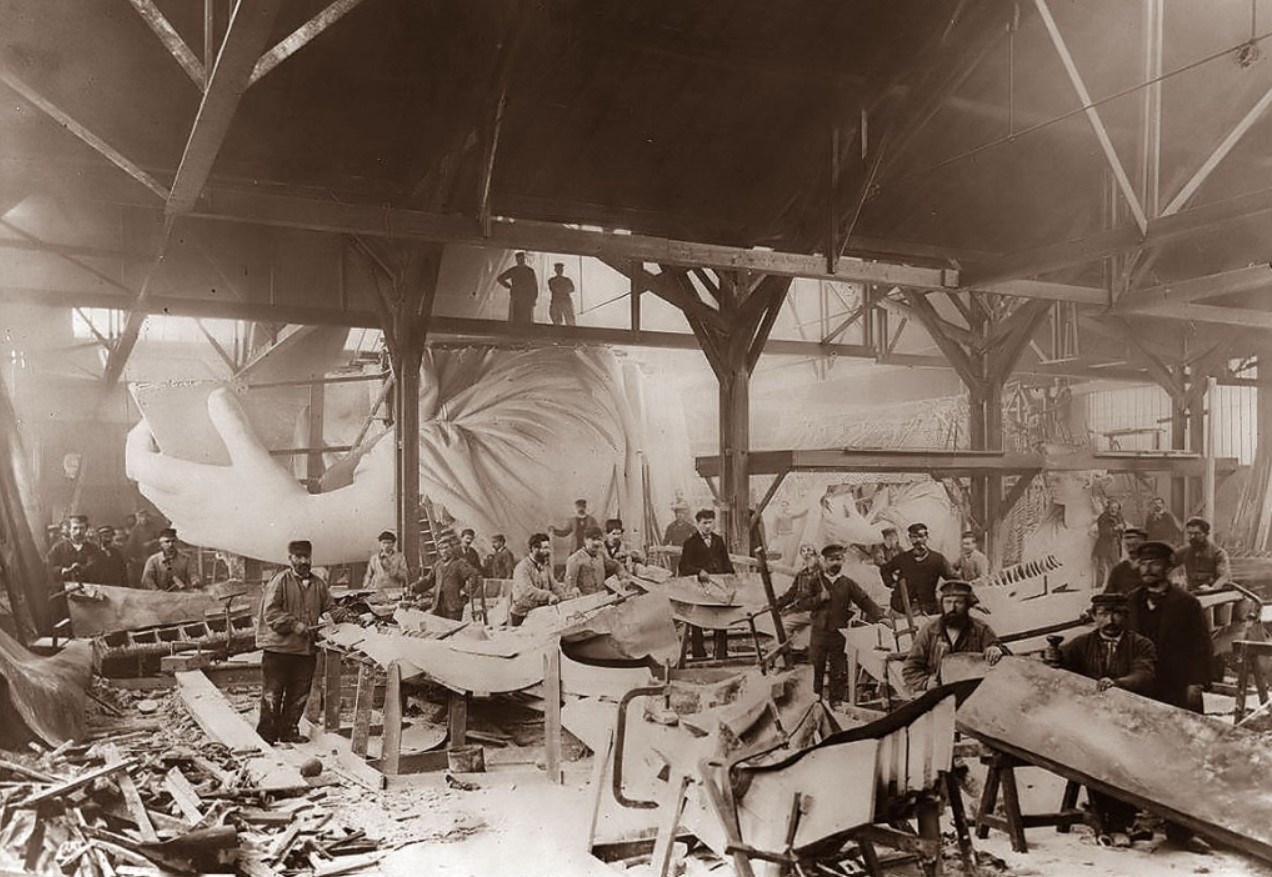
Gustave Eiffel suggerì di realizzare l’opera mediante una struttura portante struttura reticolare. Lo scheletro portante della Statua della Libertà fu formato da travi e colonne collegate al rivestimento esterno quest’ultimo realizzati da 300 lastre di rame battuto a mano, tenute assieme con dei rivetti.
Proprio l’utilizzo dei rivetti consente una libertà di movimento tra le diverse parti che compongono l’opera, in modo tale che con le dilatazioni del materiale e i restringimenti dovuti al caldo e al freddo, non si venissero a creare delle tensioni importanti che a lungo andare avrebbero portato a delle rotture.

Il trasporto dalla Francia a New York
Dopo dieci anni di lavori, il 4 luglio del 1884, l’opera fu ultimata e consegnata solo simbolicamente agli Stati Uniti.
Successivamente fu smontata in blocchi numerati e sistemata in 214 casse. Fu la marina militare francese con la fregata Isère a occuparsi del trasporto di tutto quel materiale e furono necessarie numerose traversate per consegnare ogni cassa al destinatario.

Solo due anni dopo, il 28 ottobre del 1886, l’opera fu finalmente inaugurata. I due anni di tempo che trascorsero dall’arrivo del materiale all’inaugurazione furono necessari sia per rimontare l’opera che per la realizzazione del piedistallo.
Per il momento il vostro Michelangelo Buonarroti vi saluta dandovi appuntamento ai prossimi post e sui social.
©Tutti i diritti sono riservati

October 28, 1886: the inauguration of the Statue of Liberty
On October 28, 1886, one of the most iconic and recognized monuments in the world was inaugurated: the Statue of Liberty, a French work donated to the United States to seal a sort of ideal union between the two nations.
93 meters high from the ground and 46 meters without a pedestal, it is located in the center of New York Bay, on Liberty Island and can be seen from 40 kilometers away.
A gift from France to the United States
Designed by the Alsatian sculptor Frédéric Auguste Bartholdi and created with the engineering contribution of Gustave Eiffel, the statue was a gift from France to the United States to celebrate the centenary of their independence. A symbolic gesture that underlined the strong ties between the two nations and the shared values of freedom and democracy.
The idea for the creation of this work was that of the French politician Edouard Laboulaye. In 1856, while dining at his home in Versailles, he proposed to his guests to create a great work to donate to the United States.
A universal symbol
The Statue of Liberty, with its majestic pose and the torch raised towards the sky, has become over time a universal symbol of freedom, welcome and hope. For millions of immigrants arriving in New York, the statue was the first image they saw and represented a lifeline and an invitation to build a new life.
Its name
Her real name is not the Statue of Liberty but Liberty Enlightening the World, that is ‘the liberty that illuminates the world‘. With her left hand she holds the book with the American laws on which the date of July 4, 1776 has been engraved, while in her right hand raised towards the sky she supports the golden torch that symbolizes the fire of freedom.
The non-originality of the work
There is little to do: Bartholdi was inspired, and not a little, to create the Statue of Liberty by Pio Fedi, Liberty of Poetry. The marble sculpture created by the artist as a funerary monument in honor of Giovan Battista Niccolini, a poet, playwright and patriot who died in 1861.
The plaster model was completed in 1872 and the sculpture was inaugurated in 1883, in the presence of a large number of people, politicians and intellectuals who appreciated Niccolini’s Risorgimento ideas more than Fedi’s work.
While in Fedi’s sculpture the work symbolizes the freedom of individual thought, in Bartholdi the meaning was transferred to the freedom of the American nation. In both cases, the personification of freedom remains at the center of the scene.
How it was created
Gustave Eiffel suggested creating the work using a load-bearing structure with a reticular structure. The supporting skeleton of the Statue of Liberty was formed by beams and columns connected to the external cladding, the latter made of 300 sheets of hand-beaten copper, held together with rivets.
The use of rivets allows freedom of movement between the different parts that make up the work, so that with the expansion of the material and the constriction due to heat and cold, significant tensions were not created that in the long run would have led to breakages.
Transport from France to New York
After ten years of work, on July 4, 1884, the work was completed and delivered only symbolically to the United States.
Subsequently, it was dismantled into numbered blocks and placed in 214 crates. It was the French Navy with the frigate Isère that took care of the transport of all that material and numerous crossings were necessary to deliver each crate to the recipient.
Only two years later, on October 28, 1886, the work was finally inaugurated. The two years that passed from the arrival of the material to the inauguration were necessary both to reassemble the work and to create the pedestal.
For the moment, your Michelangelo Buonarroti bids you farewell, making an appointment with you in the next posts and on social media.
©All rights reserved

Sostienici – Support Us
Se questo blog ti piace e ti appassiona, puoi aiutarci a farlo crescere sempre più sostenendoci in modo concreto condividendo i post, seguendo le pagine social e con un contributo che ci aiuta ad andare avanti con il nostro lavoro di divulgazione. . ENGLISH: If you like and are passionate about this blog, you can help us make it grow more and more by supporting us in a concrete way by sharing posts, following social pages and with a contribution that helps us to move forward with our dissemination work.
10,00 €
-
Restauro tappeti d’arte a Pietrasanta: tradizione e segreti di un laboratorio centenario
🇮🇹Il fascino dei tappeti d’arte prende vita a Pietrasanta. Venite con me nel laboratorio di “Restauro Tappeti d’Arte” di Orna Bachar e Benedetto Bumaguin, dove ogni tappeto antico è una vera opera d’arte… 🇬🇧The charm of artistic carpets comes to life in Pietrasanta. Come with me to Orna Bachar and Benedetto Bumaguin’s “Artistic Carpet Restoration”…
-
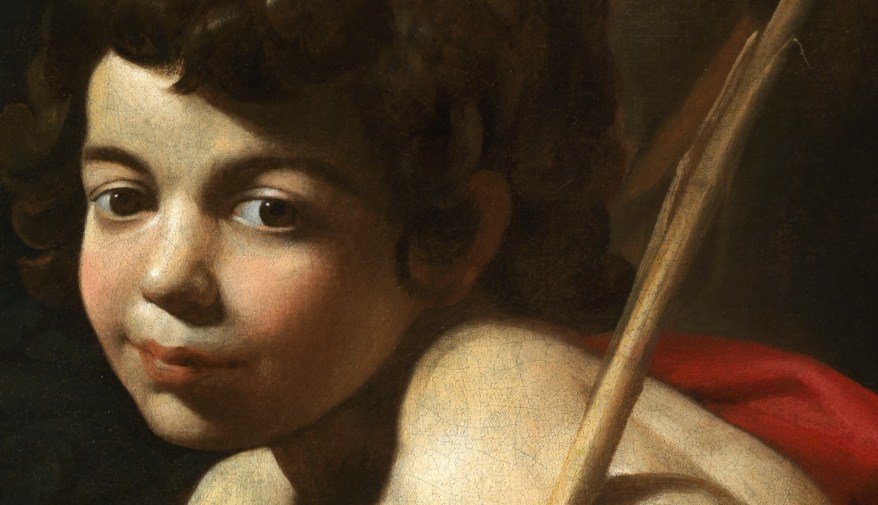
Battistello Caracciolo e il suo San Giovannino: il capolavoro che rivela l’eredità di Caravaggio
🇮🇹Per anni attribuito al Caravaggio, il San Giovannino del Caracciolo rivela invece la sensibilità unica di Battistello: un equilibrio perfetto tra realismo e dolcezza, tra inquietudine e grazia… 🇬🇧For years attributed to Caravaggio, Caracciolo’s Saint John the Baptist instead reveals Battistello’s unique sensitivity: a perfect balance between realism and sweetness, between restlessness and grace…
-
La fine dell’originalità: perché oggi tutta l’arte sembra già vista
🇮🇹La sensazione è sempre la stessa: guardiamo un quadro, una scultura o un’installazione e pensiamo “L’ho già visto da qualche parte”. Ma è davvero la fine dell’originalità? … 🇬🇧The feeling is always the same: we look at a painting, a sculpture, or an installation and think, “I’ve seen this before.” But is this really the…
Condividi:


Questo sono io





sostienici

Sostienici – Support Us
Se questo blog ti piace e ti appassiona, puoi aiutarci a farlo crescere sempre più sostenendoci in modo concreto condividendo i post, seguendo le pagine social e con un contributo che ci aiuta ad andare avanti con il nostro lavoro di divulgazione. . ENGLISH: If you like and are passionate about this blog, you can help us make it grow more and more by supporting us in a concrete way by sharing posts, following social pages and with a contribution that helps us to move forward with our dissemination work.
€10,00


