
Itinerari di carta: atlanti, mappe e diari in mostra all’Archivio di Stato di Firenze
L’Archivio di Stato di Firenze propone la mostra “Itinerari di carta. Atlanti, mappe, diari dal XVI al XVIII secolo“, un evento che si inserisce nell’ambito delle Giornate Europee del Patrimonio 2024.
L’esposizione si concentra sugli scambi commerciali e culturali intessuti tra la Toscana e altre nazioni europee, approfondendo in modo particolare la storia delle cartografie e dei documenti storici dal XVI al XVIII secolo.
Le opere esposte
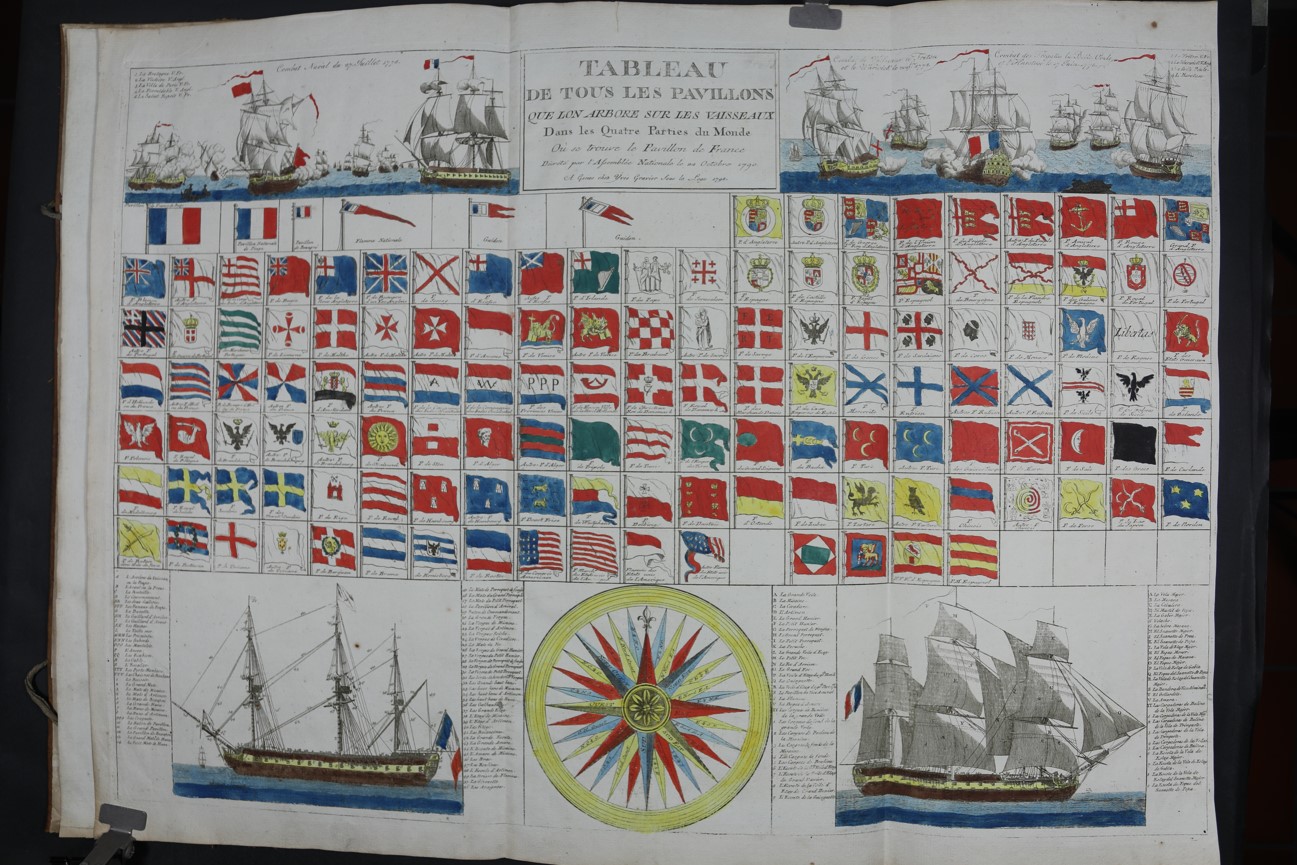
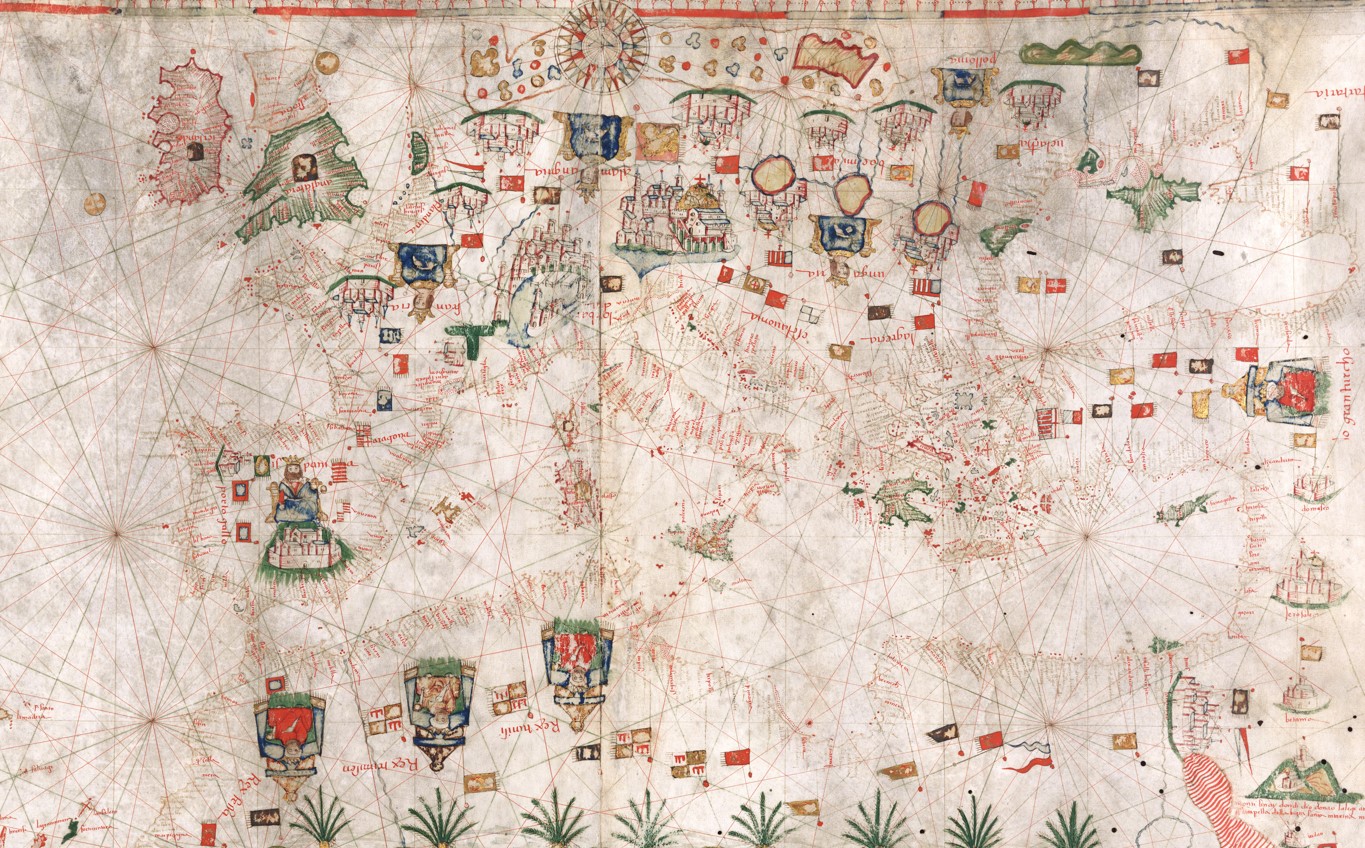
Tra le opere esposte si trovano alcune delle più importanti carte nautiche, che non solo rappresentano l’arte cartografica del tempo, ma offrono anche informazioni pratiche come le distanze e la localizzazione dei porti.
È presente anche l’Arcano del mare di Robert Dudley, pubblicato per la prima volta a Firenze nel 1646: un’opera fondamentale che fornisce strumenti utili alla navigazione. Inoltre, un atlante del 1802, con indicazioni raccolte da Giuseppe Roux e Jacques-Nicolas Bellin, arricchisce la mostra con risorse preziose riguardanti viaggi e scoperte.
Un elemento saliente dell’esposizione è una mappa del Giappone, risalente alla storica ambasceria Tenshō, avvenuta tra il 1582 ed il 1590. Si tratta di una testimonianza della comunicazione e dei contatti tra culture diverse. Inoltre, si può ammirare una misteriosa mappa di Pechino, recentemente ritrovata, che è stata soggetta a un restauro significativo per recuperarne la planarità e preservare i dettagli originali.
Le testimonianze degli scambi con il Vicino e Medio Oriente sono rappresentate dal Diploma del Gran Turco, un documento che consentiva ai mercanti fiorentini di navigare nelle acque dell’Impero Ottomano, evidenziando l’importanza delle relazioni tra stato e commercio in quell’epoca. Altri documenti chiave, come i Diplomi Arabi, offrono una visione delle stabili relazioni commerciali tra Firenze e l’Egitto, grazie a lettere ed editti che risalgono tra il 1422 ed il 1509.
Non mancano diari e relazioni di viaggio che illustrano le esperienze di coloro che hanno intrapreso percorsi in terre lontane, spesso corredati da disegni descrittivi delle meraviglie incontrate lungo il cammino. Questi racconti non solo documentano il viaggio fisico, ma anche le interazioni culturali e le influenze reciproche.

L’evento sarà anche l’occasione per lanciare un nuovo progetto Art bonus per il restauro di cabrei, quella particolare tipologia documentaria che rappresenta dettagliatamente il paesaggio urbano e agrario del XVIII secolo. Questi documenti, esemplari per le loro rappresentazioni cartografiche acquerellate, offrono uno sguardo unico sulla formazione del territorio toscano.
Segnatevi le date: dal 27 settembre al 31 ottobre 2024 “Itinerari di carta. Atlanti, mappe, diari dal XVI al XVIII secolo” all’Archivio di Stato a Firenze.
Per il momento il sempre vostro Michelangelo Buonarroti vi saluta dandovi appuntamento ai prossimi post e sui social.
Paper Itineraries: Atlases, Maps and Diaries on Display at the State Archives of Florence
The State Archives of Florence is presenting the exhibition “Paper Itineraries. Atlases, Maps, Diaries from the 16th to the 18th Century”, an event that is part of the European Heritage Days 2024.
The exhibition focuses on the commercial and cultural exchanges between Tuscany and other European nations, particularly delving into the history of cartography and historical documents from the 16th to the 18th century.
The Works on Display
The works on display include some of the most important nautical charts, which not only represent the cartographic art of the time, but also offer practical information such as distances and the location of ports.
Also present is Robert Dudley’s Arcanum del mare, published for the first time in Florence in 1646: a fundamental work that provides useful tools for navigation. Furthermore, an atlas from 1802, with indications collected by Giuseppe Roux and Jacques-Nicolas Bellin, enriches the exhibition with precious resources regarding travels and discoveries.
A highlight of the exhibition is a map of Japan, dating back to the historic Tenshō embassy, which took place between 1582 and 1590. It is a testimony to the communication and contacts between different cultures. In addition, one can admire a mysterious map of Beijing, recently discovered, which has been subjected to a significant restoration to recover its flatness and preserve the original details.
Evidence of trade with the Near and Middle East is represented by the Diploma of the Grand Turk, a document that allowed Florentine merchants to navigate the waters of the Ottoman Empire, highlighting the importance of relations between state and trade in that era. Other key documents, such as the Arab Diplomas, offer a vision of the stable commercial relations between Florence and Egypt, thanks to letters and edicts dating between 1422 and 1509.
There is no shortage of diaries and travel reports that illustrate the experiences of those who have undertaken journeys in distant lands, often accompanied by descriptive drawings of the wonders encountered along the way. These accounts not only document the physical journey, but also the cultural interactions and mutual influences.
The event will also be the occasion to launch a new Art bonus project for the restoration of cabrei, that particular type of documentary that represents in detail the urban and agricultural landscape of the 18th century. These documents, exemplary for their watercolor cartographic representations, offer a unique look at the formation of the Tuscan territory.
Save the dates: from September 27 to October 31, 2024 “Paper itineraries. Atlases, maps, diaries from the 16th to the 18th century” at the State Archives in Florence.
For now, yours ever Michelangelo Buonarroti bids you farewell, making an appointment to see you in the next posts and on social media.

Sostienici – Support Us
Se questo blog ti piace e ti appassiona, puoi aiutarci a farlo crescere sempre più sostenendoci in modo concreto condividendo i post, seguendo le pagine social e con un contributo che ci aiuta ad andare avanti con il nostro lavoro di divulgazione. . ENGLISH: If you like and are passionate about this blog, you can help us make it grow more and more by supporting us in a concrete way by sharing posts, following social pages and with a contribution that helps us to move forward with our dissemination work.
10,00 €
-
Quel sorriso del violinista felice di Gerrit van Honthorst
🇮🇹Un brindisi, un sorriso, una luce che taglia il buio. Conoscete il dipinto del violinista felice con un bicchiere di vino (1624) di Gerrit van Honthorst?… 🇬🇧A toast, a smile, a light that cuts through the darkness. Are you familiar with the painting of the Happy Violinist with a Glass of Wine (1624) by Gerrit…
-
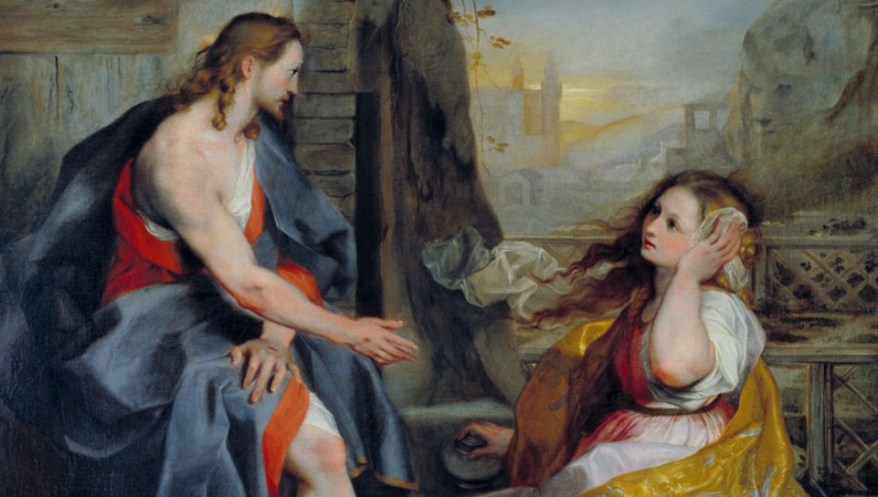
Noli me tangere di Federico Barocci: il capolavoro agli Uffizi che racconta l’incontro più emozionante dopo la Resurrezione
🇮🇹Nel Noli me tangere di Federico Barocci Maria Maddalena riconosce Cristo risorto e prova a toccarlo. Ma lui la ferma… 🇬🇧In Federico Barocci’s Noli Me Tangere, Mary Magdalene recognizes the risen Christ and tries to touch him. But he stops her…
-
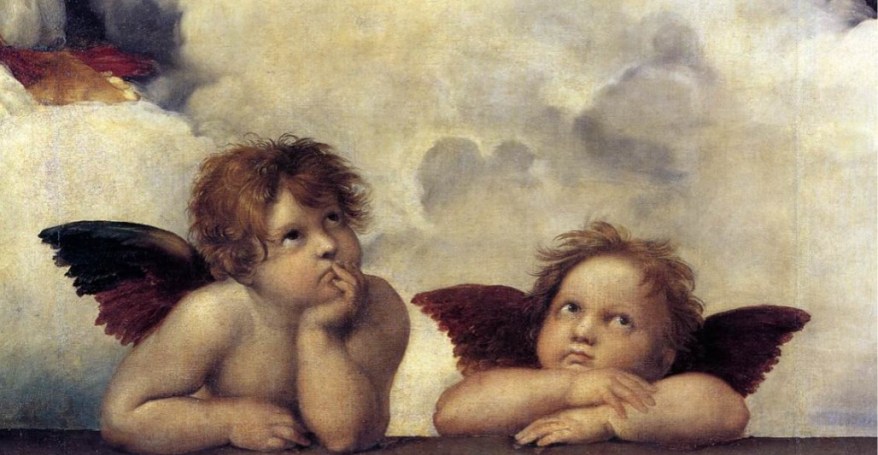
6 aprile 1520: la morte di Raffaello Sanzio e la nascita di un mito immortale
🇮🇹“Qui giace Raffaello: da lui, quando visse, la natura temette d’essere vinta, ora che egli è morto, teme di morire”. Il 6 aprile 1520 Raffaello morì a soli 37 anni… 🇬🇧“Here lies Raphael: when he lived, nature feared to be conquered by him, now that he is dead, she fears to die.” On April 6,…
Condividi:


Questo sono io





sostienici

Sostienici – Support Us
Se questo blog ti piace e ti appassiona, puoi aiutarci a farlo crescere sempre più sostenendoci in modo concreto condividendo i post, seguendo le pagine social e con un contributo che ci aiuta ad andare avanti con il nostro lavoro di divulgazione. . ENGLISH: If you like and are passionate about this blog, you can help us make it grow more and more by supporting us in a concrete way by sharing posts, following social pages and with a contribution that helps us to move forward with our dissemination work.
€10,00


