

Il Dipinto del giorno: l’Ofelia di Millais e la vera storia tragica che cela
Il dipinto del giorno che vi propongo oggi è Ofelia di John Everett Millias, appartenente alla Tate Britain di Londra. Per realizzare quest’opera l’artista scelse come modella Elizabeth Siddal il cui destino si legò in modo tragico e indissolubile a quello dell’Ofelia narrata da Shakespeare.
Quest’opera a olio su tela realizzata fra il 1851 e il 1852 è uno dei massimi capolavori del movimento preraffaellita ma non tutti sanno che quelle pennellate celano una tragica storia che va al di là di quella raccontata dal drammaturgo inglese nell’Amleto.
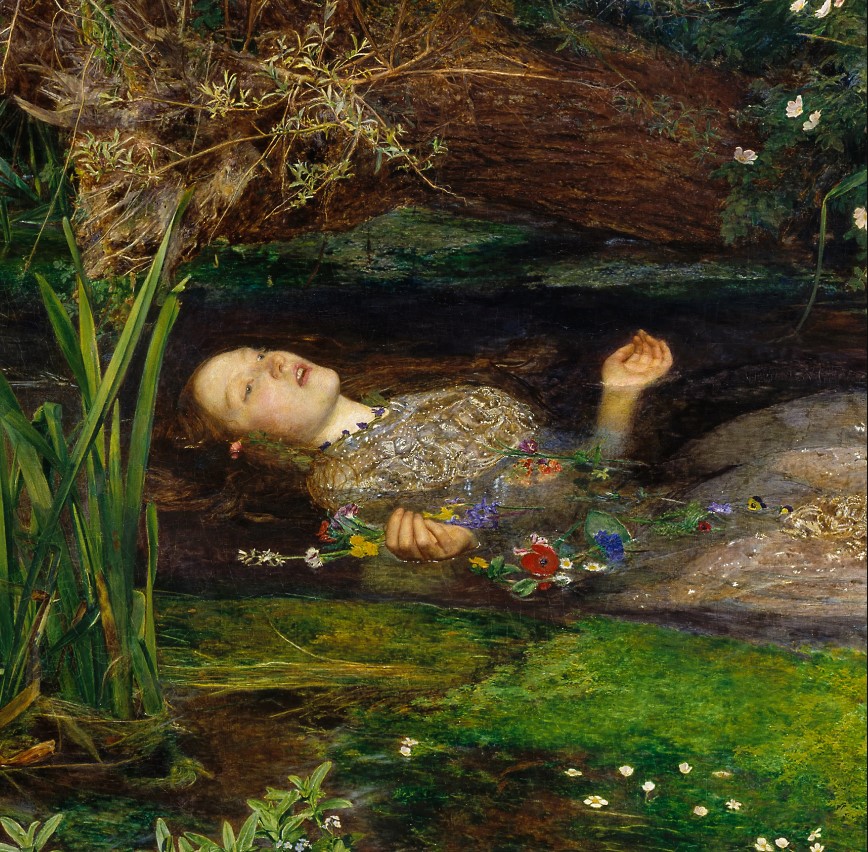
Nel testo teatrale, la figlia di Polonio, dopo essere stata rifiutata dall’amatissimo Amleto e dopo la morte del padre, verrà condotta dalla follia verso una morte crudele, annegando in un fiume.
Come accennato prima, per dipingere Ofelia, Millais volle trascorrere ore e ore nella campagna inglese per studiarne dal vero ogni minimo dettaglio: fiori, erbe, luci e colori.
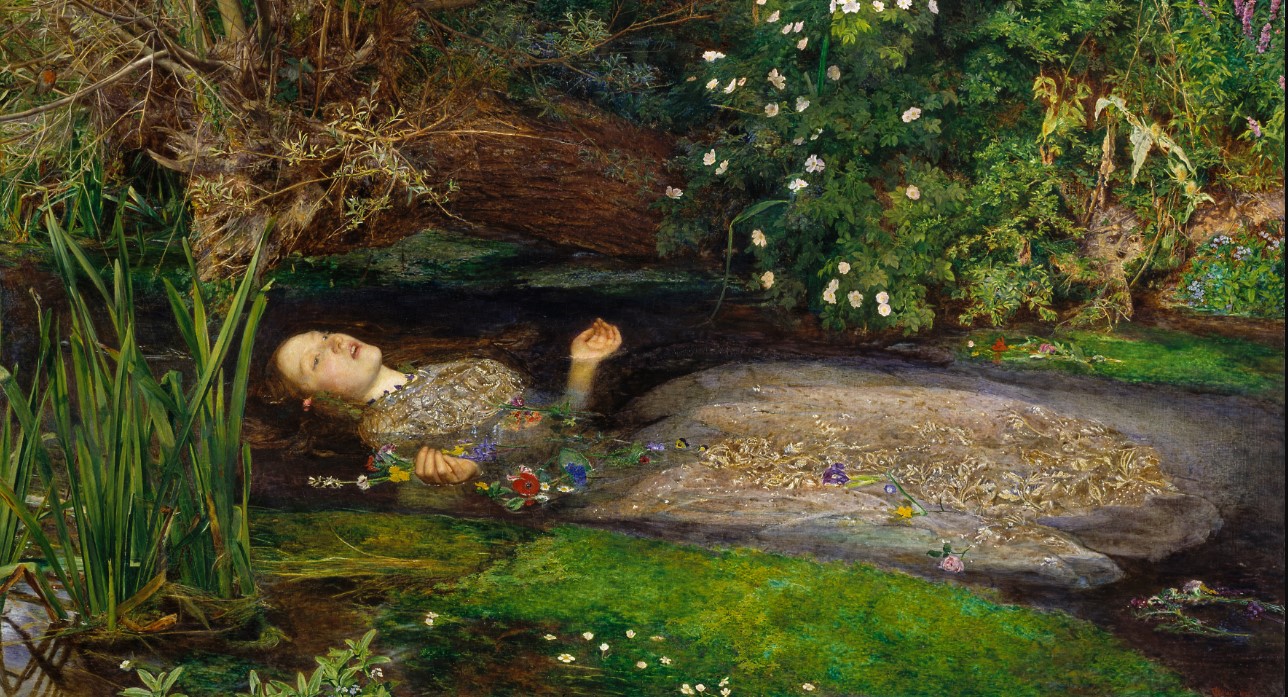
Scelse come modella la giovanissima Elizabeth Siddal, a sua volta pittrice e anche poetessa. Posò per l’artista ore e ore immersa nell’acqua di una vasca da bagno riscaldata solo con delle candele. Le sessioni di posa venivano fatte presso il suo appartamento che si trovava al numero 7 di Gower Street di Londra.
La Siddal si ammalò di bronchite e il padre chiese all’artista un indennizzo di cinquanta sterline per rimborsare perlomeno le spese mediche necessarie per far guarire la giovane. Millais pagò ma oramai la salute di Elizabeth non sarebbe stata più la stessa.

La modella, con la pelle diafana e i lunghi capelli rossi, fu notata anche da altri artisti come Daniel gabriel Rossetti e Jhon Ruskin. Ne apprezzavano sì l’aspetto ma anche le sue raffinate doti artistiche. Rossetti e la giovane Siddal ben presto si innamorarono ma dato che lei era di umili origini, l’artista più volte rinviò le nozze.
Quel continuo rimandare il matrimonio sottopose Elizabeth Siddal a un carico emotivo per lei, già incline alla malinconia, insostenibile.
A minare ulteriormente la psiche della donna fu la perdita del suo unico figlio durante il parto. Elizabeth Siddal non sopravvisse a lungo a quel tragico evento e assunse intenzionalmente per uccidersi una dose enorme di laudano.
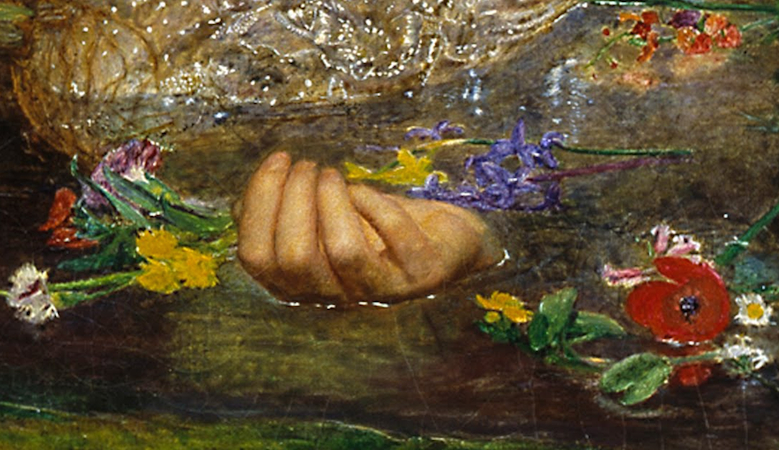
I destini di Ofelia e della Siddal si fusero in un tutt’uno, per sempre.
«C’è un salice che cresce storto sul ruscello e specchia le sue foglie canute nella vitrea corrente; laggiù lei [Ofelia] intrecciava ghirlande fantastiche di ranuncoli, di ortiche, di margherite, e lunghi fiori color porpora cui i pastori sboccati danno un nome più indecente, ma che le nostre illibate fanciulle chiamano dita di morto.
Amleto, atto IV, scena VII Shakespeare
Lì, sui rami pendenti mentre s’arrampicava per appendere le sue coroncine, un ramoscello maligno si spezzò, e giù caddero i suoi verdi trofei e lei stessa nel piangente ruscello.
Le sue vesti si gonfiarono, e come una sirena per un poco la sorressero, mentre cantava brani di canzoni antiche, come una ignara del suo stesso rischio, o come una creatura nata e formata per quell’elemento. Ma non poté durare a lungo, finché le sue vesti, pesanti dal loro imbeversi, trassero la povera infelice dalle sue melodie alla morte fangosa.»
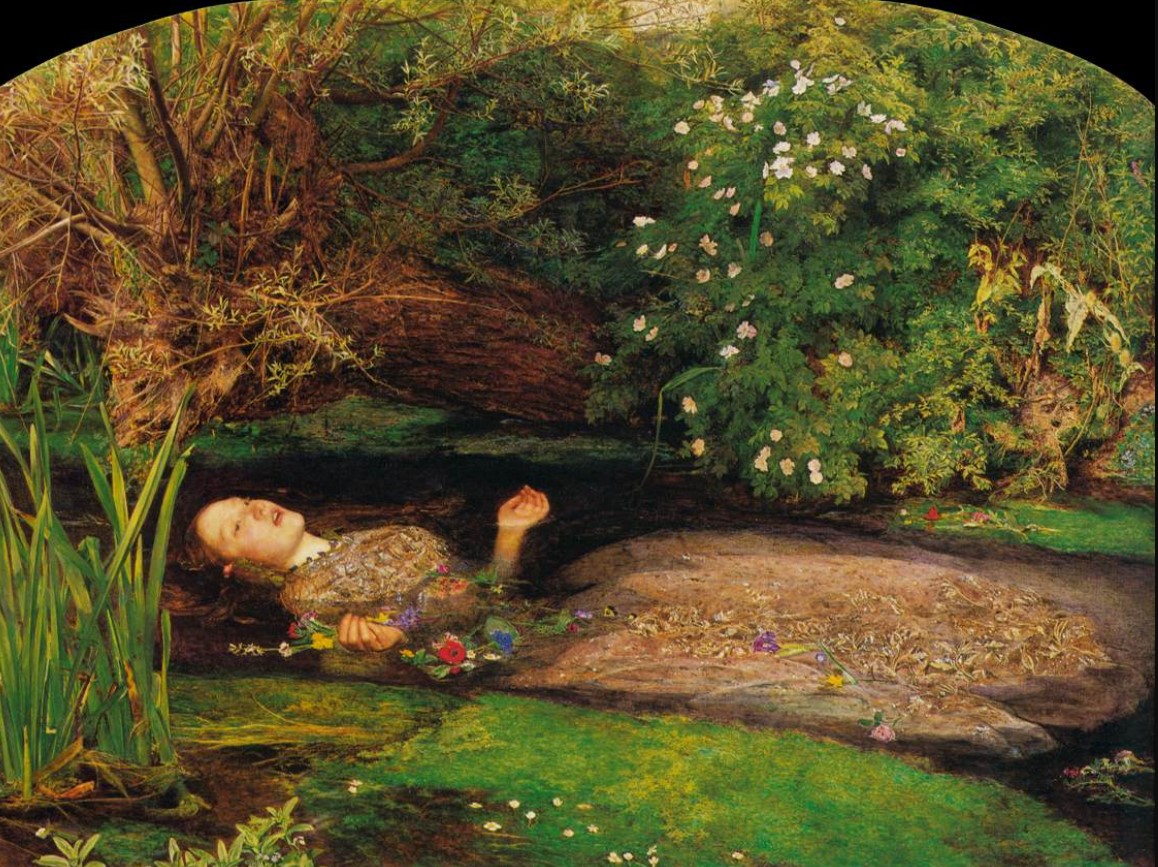
Le sembianze della giovane Elizabeth Siddal rimasero immortalate per sempre nel dipinto di Millais che senza saperlo, fu premonitore del suo stesso destino. Di lei esistono altri tanti disegni e dipinti che realizzò suo marito Rossetti.
Per il momento il sempre vostro Michelangelo Buonarroti vi saluta dandovi appuntamento ai prossimi post e sui social.
The Painting of the Day: Millais’ Ophelia and the true tragic story it hides
The painting of the day that I propose to you today is Ophelia by John Everett Millias, belonging to the Tate Britain in London. To create this work, the artist chose Elizabeth Siddal as his model, whose fate was linked in a tragic and inextricable way to that of Ophelia narrated by Shakespeare.
This oil on canvas work created between 1851 and 1852 is one of the greatest masterpieces of the Pre-Raphaelite movement but not everyone knows that those brushstrokes hide a tragic story that goes beyond that told by the English playwright in Hamlet.
In the play, Polonius’ daughter, after being rejected by her beloved Hamlet and after the death of her father, will be driven by madness towards a cruel death, drowning in a river.
As mentioned before, to paint Ophelia, Millais wanted to spend hours and hours in the English countryside to study every detail from life: flowers, herbs, lights and colors.
He chose as his model the very young Elizabeth Siddal, herself a painter and also a poet. She posed for the artist for hours and hours immersed in the water of a bathtub heated only with candles. The posing sessions were done at his apartment which was located at 7 Gower Street in London.
Siddal fell ill with bronchitis and her father asked the artist for compensation of fifty pounds to reimburse at least the medical expenses necessary for the young woman to recover. Millais paid but Elizabeth’s health would never be the same again.
The model, with pale skin and long red hair, was also noticed by other artists such as Daniel Gabriel Rossetti and Jhon Ruskin. They appreciated her appearance but also her refined artistic skills. Rossetti and the young Siddal soon fell in love with her but since she was of humble origins, the artist postponed the wedding several times.
That continuous postponement of her wedding subjected Elizabeth Siddal to an emotional burden that was unsustainable for her, already prone to melancholy.
Further undermining the woman’s psyche was the loss of her only child during her birth. Elizabeth Siddal did not long survive that tragic event and she intentionally took a huge dose of laudanum to kill herself.
The destinies of Ophelia and Siddal merged into one, forever.
«There is a willow that grows crookedly on the stream and reflects its hoary leaves in the glassy current; down there she [Ophelia] wove fantastic garlands of buttercups, nettles, daisies, and long purple flowers to which foul-mouthed shepherds give a more indecent name, but which our chaste girls call death’s fingers.
Hamlet, act IV, scene VII Shakespeare
There, on the hanging branches as she climbed to hang her chaplets, an evil twig broke, and down fell her green trophies and herself into the weeping stream.
Her clothes swelled, and like a mermaid they supported her for a while, while she sang passages of ancient songs, like one unaware of her own risk, or like a creature born and formed for that element. But she could not last long, until her clothes, heavy from their soaking, dragged her poor wretch from her melodies to muddy death.”
The features of the young Elizabeth Siddal remained immortalized forever in Millais’ painting which, without knowing it, was a premonitor of her own destiny. There are many other drawings and paintings of her that her husband Rossetti made.
For the moment, your always Michelangelo Buonarroti greets you and will meet you in the next posts and on social media.

Sostienici – Support Us
Se questo blog ti piace e ti appassiona, puoi aiutarci a farlo crescere sempre più sostenendoci in modo concreto condividendo i post, seguendo le pagine social e con un contributo che ci aiuta ad andare avanti con il nostro lavoro di divulgazione. . ENGLISH: If you like and are passionate about this blog, you can help us make it grow more and more by supporting us in a concrete way by sharing posts, following social pages and with a contribution that helps us to move forward with our dissemination work.
8,00 €
-

Ad Assisi i fiori diventano un Cantico di Pace: l’infiorata di 120 metri quadrati dedicata a San Francesco
🇮🇹Ad Assisi 150 infioratori di Spello hanno creato un’infiorata di 120 mq dedicata a San Francesco. L’opera, ispirata al Cantico delle Creature, è visibile fino al 4 ottobre… 🇬🇧In Assisi, 150 flower artists from Spello created a 120-square-meter floral carpet dedicated to Saint Francis. The artwork, inspired by the *Canticle of the Creatures*, is on…
-
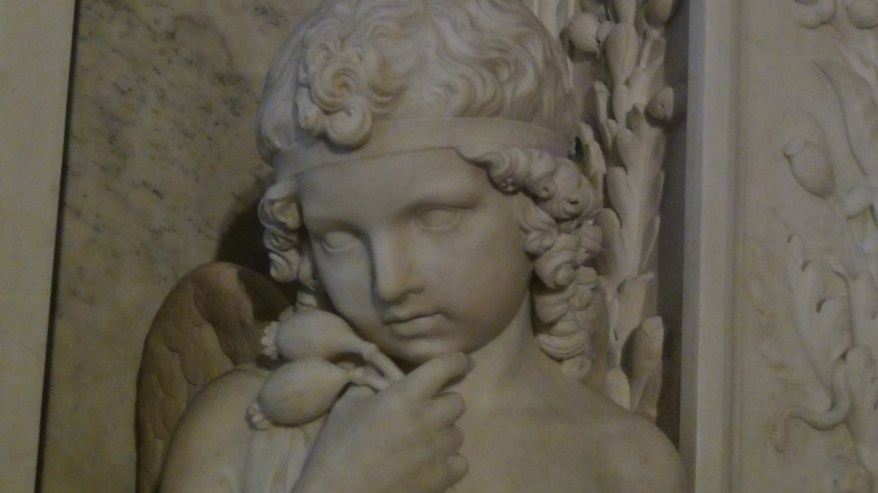
Louise d’Albany e Vittorio Alfieri: il sepolcro in Santa Croce, i due angeli e la storia di un amore eterno
🇮🇹A Santa Croce, il sepolcro di Louise di Stolberg-Gedern, compagna di Alfieri. Chi lo realizzò, chi lo commissionò e il simbolismo dei due angeli… 🇬🇧At Santa Croce lies the tomb of Louise of Stolberg-Gedern, Alfieri’s companion. The story of its creation and commission, and the symbolism of the two angels…
-

San Francesco, i capolavori dei Carracci e di Guercino raccontano il Santo: grande mostra a Bologna
🇮🇹Dal 2 ottobre 2026 al 10 gennaio 2027 la Pinacoteca di Bologna ospita la mostra su san Francesco tra Cinquecento e Seicento, con opere dei Carracci, Reni e Guercino… 🇬🇧From October 2, 2026, to January 10, 2027, the Pinacoteca di Bologna is hosting an exhibition on Saint Francis spanning the 16th and 17th centuries, featuring…
Condividi:


Questo sono io





sostienici

Sostienici – Support Us
Se questo blog ti piace e ti appassiona, puoi aiutarci a farlo crescere sempre più sostenendoci in modo concreto condividendo i post, seguendo le pagine social e con un contributo che ci aiuta ad andare avanti con il nostro lavoro di divulgazione. . ENGLISH: If you like and are passionate about this blog, you can help us make it grow more and more by supporting us in a concrete way by sharing posts, following social pages and with a contribution that helps us to move forward with our dissemination work.
€10,00


Bellissimo e straziante, adoro i preraffaelliti
"Mi piace"Piace a 1 persona
fra meno di due settimane ci sarà la grande mostra dedicata proprio ai preraffaelliti a Forlì :-*
"Mi piace"Piace a 1 persona