

La Scultura del giorno: Teseo sul Minotauro di Canova
La scultura del giorno che vi propongo oggi è Teseo sul Minotauro realizzata dal grande Antonio Canova fra il 1781 e il 1783.
L’artista scolpì Teseo, personaggio della mitologia greca, seduto trionfalmente sul Minotauro ormai vinto. In mano ancora tiene la clava con la quale ha sconfitto il figliolo del Toro di Creta e di Pasifae, regina di Creta.
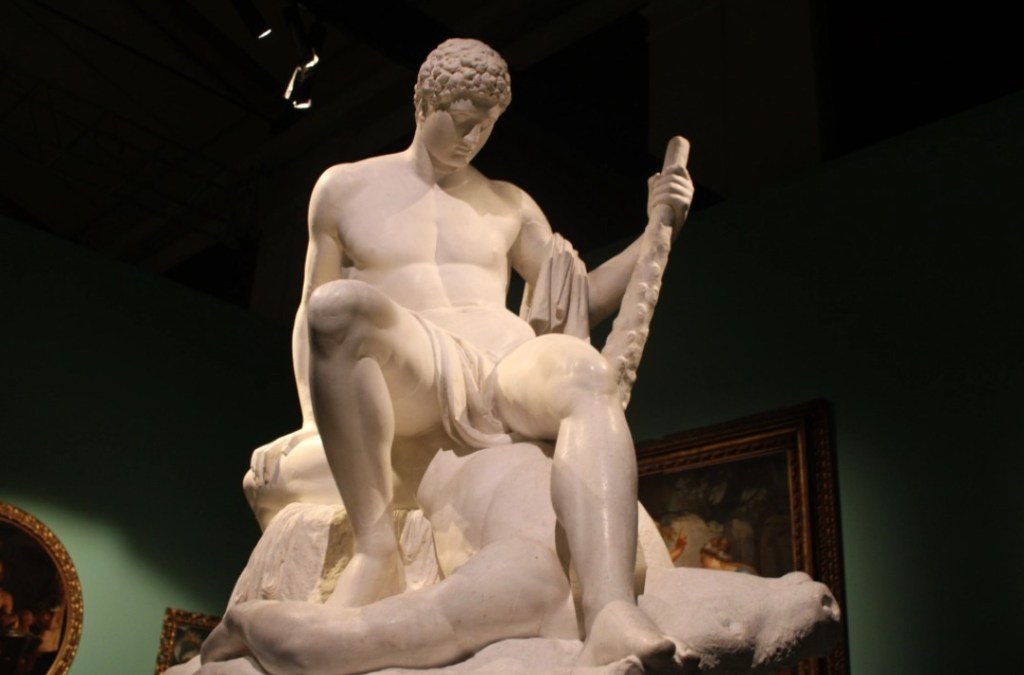
La storia di Teseo e del Minotauro è raccontata da Ovidio nelle sue Metamorfosi. L’eroe greco Teseo che, grazie all’aiuto del filo di Arianna, riesce a entrare senza perdersi nel Labirinto di Cnosso
Trova il mostruoso Teseo e lo uccide. L’artista scelse di riprodurre non la lotta fra i due protagonisti ma il momento successivo alla vittoria dell’eroe. Non c’è più rabbia o tensione ma solo un animo oramai quieto che sa di aver portato a compimento con successo la propria missione.
E’ la vittoria della ragione sull’irrazionalità che ci rende bestiali.

Nella scultura di Canova, il Minotauro proteso in avanti mostra il suo corpo da uomo e la testa da toro in posizione poco naturale, privi di qualsiasi alito vitale.
Teseo e il Minotauro costituisce il primo gruppo scultoreo in cui l’artista volle abbinare gli studi della natura compiuti a quelli fatti sulle antichità classiche presenti a Roma.
Fu l’opera che di fatto diede una svolta al modo di scolpire di Canova ma anche all’arte italiana.

Il cambiamento di stile è evidente se si confronta la sua opera precedente di Dedalo e Icaro caratterizzati dalla naturalezza delle espressioni e dei gesti a quello molto più idealizzato ed eroico del Teseo che si contrappone allo sconfitto Minotauro.
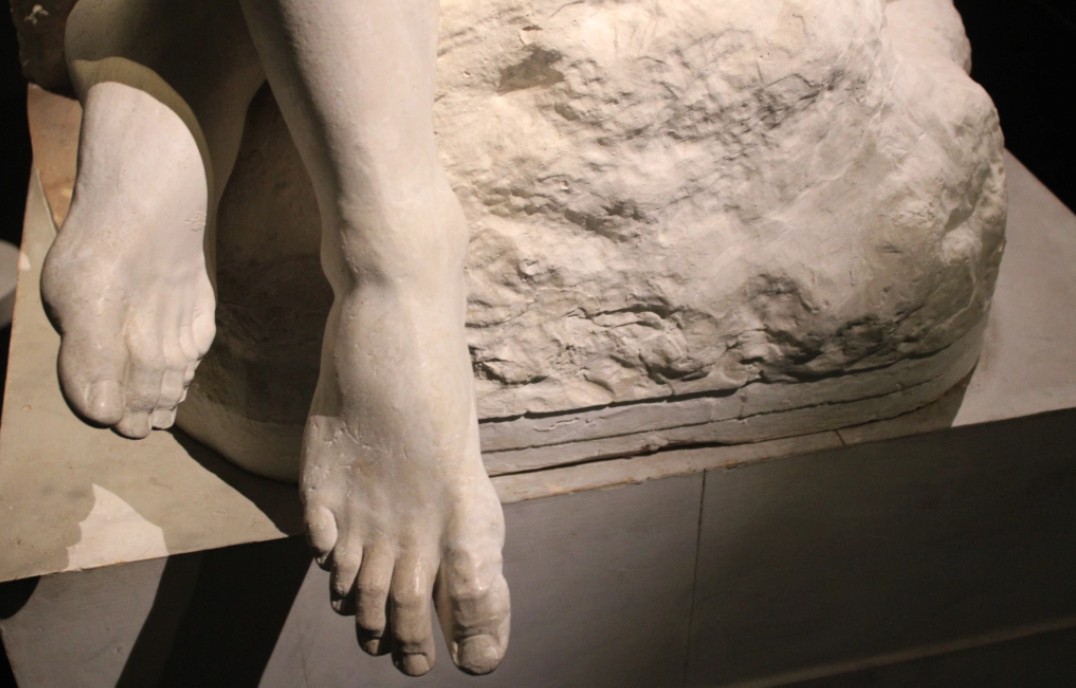
Canova realizzò la scultura su commissione dell’ambasciatore veneto a Roma, Girolamo Zulian, in marmo fra il 1781 e il 1783.
Il gesso che precedette la realizzazione in marmo oggi si trova al Museo Gypsoteca Canova di Possagno mentre la scultura in marmo dal 1962 è ubicata presso il Victoria and Albert Museum di Londra.

Per il momento il vostro Michelangelo Buonarroti vi saluta dandovi appuntamento ai prossimi post e sui social.

Sculpture of the day: Theseus on the Minotaur by Canova
The sculpture of the day that I propose to you today is Theseus on the Minotaur created by the great Antonio Canova between 1781 and 1783.
The artist sculpted Theseus, a character from Greek mythology, sitting triumphantly on the now vanquished Minotaur. In his hand he still holds the club with which he defeated the son of the Cretan Bull and Pasiphae, queen of Crete.
The story of Theseus and the Minotaur is told by Ovid in his Metamorphoses. The Greek hero Theseus who, thanks to the help of Ariadne’s thread, manages to enter the Labyrinth of Knossos without getting lost
He finds the monstrous Theseus and kills him. The artist chose to reproduce not the fight between the two protagonists but the moment following the hero’s victory. There is no longer anger or tension but only a now calm soul that knows it has successfully completed its mission.
It is the victory of reason over irrationality that makes us beastly.
In Canova’s sculpture, the Minotaur leaning forward shows his man’s body and bull’s head in an unnatural position, devoid of any vital breath.
Theseus and the Minotaur constitutes the first sculptural group in which the artist wanted to combine the studies of nature carried out with those made on the classical antiquities present in Rome. It was the work that actually gave a turning point to Canova’s way of sculpting but also to Italian art.
The change in style is evident if we compare his previous work of Daedalus and Icarus characterized by the naturalness of expressions and gestures to the much more idealized and heroic one of Theseus who contrasts with the defeated Minotaur.
Canova created the sculpture commissioned by the Venetian ambassador to Rome, Girolamo Zulian, in marble between 1781 and 1783. The plaster that preceded the creation in marble is today found in the Gypsoteca Canova Museum in Possagno while the marble sculpture has been located at the Victoria and Albert Museum in London.
For the moment, your Michelangelo Buonarroti greets you and will meet you in future posts and on social media.

Sostienici – Support Us
Se questo blog ti piace e ti appassiona, puoi aiutarci a farlo crescere sempre più sostenendoci in modo concreto condividendo i post, seguendo le pagine social e con un contributo che ci aiuta ad andare avanti con il nostro lavoro di divulgazione. . ENGLISH: If you like and are passionate about this blog, you can help us make it grow more and more by supporting us in a concrete way by sharing posts, following social pages and with a contribution that helps us to move forward with our dissemination work.
10,00 €
-
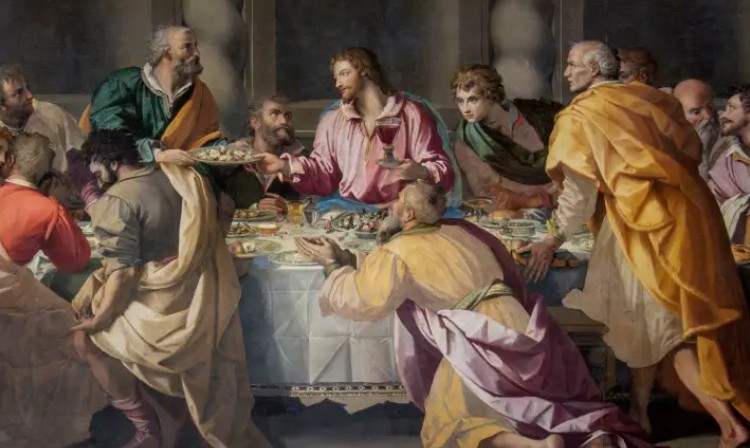
Giovedì Santo: l’Ultima Cena di Allori che pochi conoscono a Firenze
🇮🇹Nel cuore di Museo di Santa Maria Novella, a Firenze, si conserva una delle interpretazioni più affascinanti e meno note dell’Ultima Cena: quella realizzata da Alessandro Allori nel 1584… 🇬🇧In the heart of the Santa Maria Novella Museum in Florence, one of the most fascinating and least-known interpretations of the Last Supper is preserved: the…
-
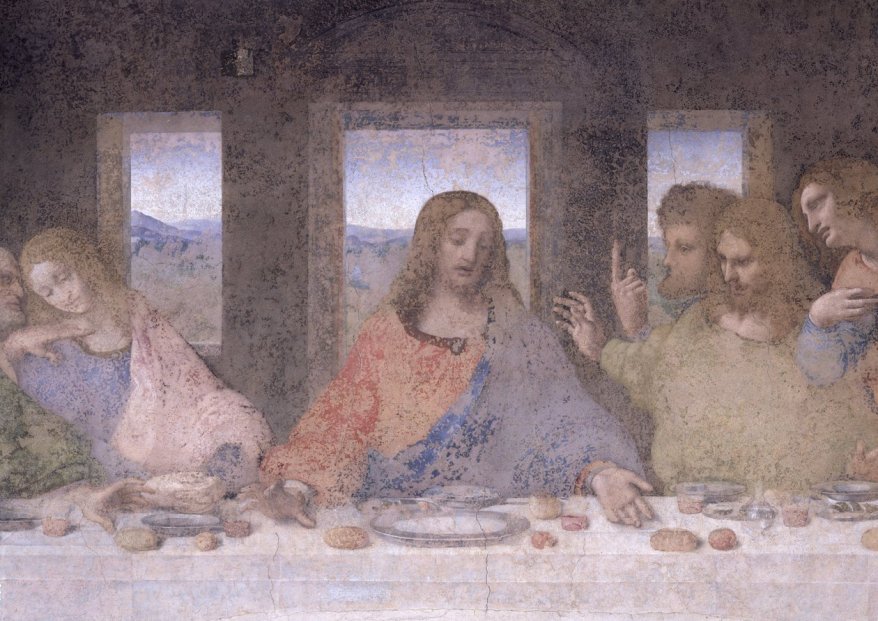
Cenacolo di Leonardo: i dettagli che raccontano il tradimento
🇮🇹Nel Cenacolo di Leonardo da Vinci, custodito a Santa Maria delle Grazie, Cristo annuncia il tradimento e il tempo si ferma… 🇬🇧In Leonardo da Vinci’s Last Supper, housed in Santa Maria delle Grazie, Christ announces the betrayal and time stands still…
-
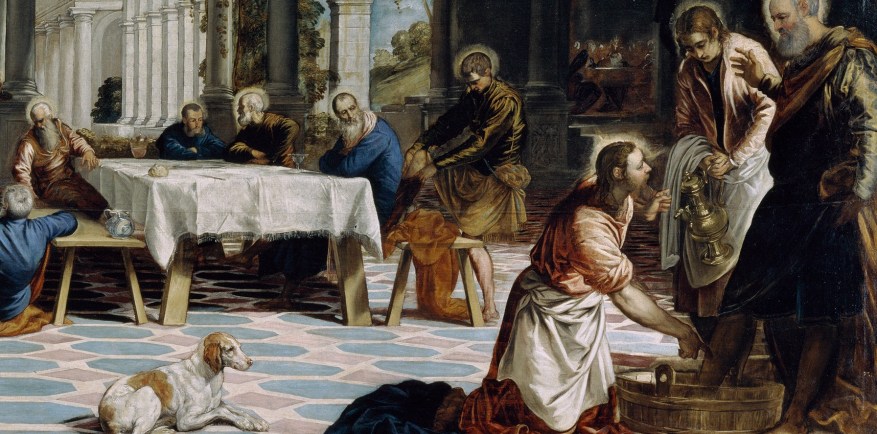
La Lavanda dei Piedi di Tintoretto: Il Capolavoro Veneziano al Prado
🇮🇹Tra i capolavori più affascinanti del Rinascimento veneziano, “La Lavanda dei Piedi” di Jacopo Tintoretto rappresenta un perfetto equilibrio tra spiritualità, innovazione compositiva e straordinaria forza narrativa… 🇬🇧Among the most fascinating masterpieces of the Venetian Renaissance, Jacopo Tintoretto’s “The Washing of the Feet” represents a perfect balance between spirituality, compositional innovation, and extraordinary narrative force…
Condividi:


Questo sono io





sostienici

Sostienici – Support Us
Se questo blog ti piace e ti appassiona, puoi aiutarci a farlo crescere sempre più sostenendoci in modo concreto condividendo i post, seguendo le pagine social e con un contributo che ci aiuta ad andare avanti con il nostro lavoro di divulgazione. . ENGLISH: If you like and are passionate about this blog, you can help us make it grow more and more by supporting us in a concrete way by sharing posts, following social pages and with a contribution that helps us to move forward with our dissemination work.
€10,00


1 commento »