

Museo Stibbert: lasciatevi sorprendere dalle sue incredibili collezioni
Se siete alla ricerca di un luogo insolito da visitare a Firenze e che possa letteralmente sorprendervi, non lasciatevi sfuggire l’occasione di visitare il Museo Stibbert.
Ubicato al di fuori dei circuiti turistici del centro solitamente affollati, la casa museo fortemente voluta dallo stesso proprietario Federick Stibbert (Firenze, 9 novembre 1838 – Firenze, 10 aprile 1906) è custodita la ricchissima e variegata collezione che è riuscito a mettere assieme durante tutto il corso della sua vita, disposta secondo un allestimento che sortisce un grande impatto emotivo.

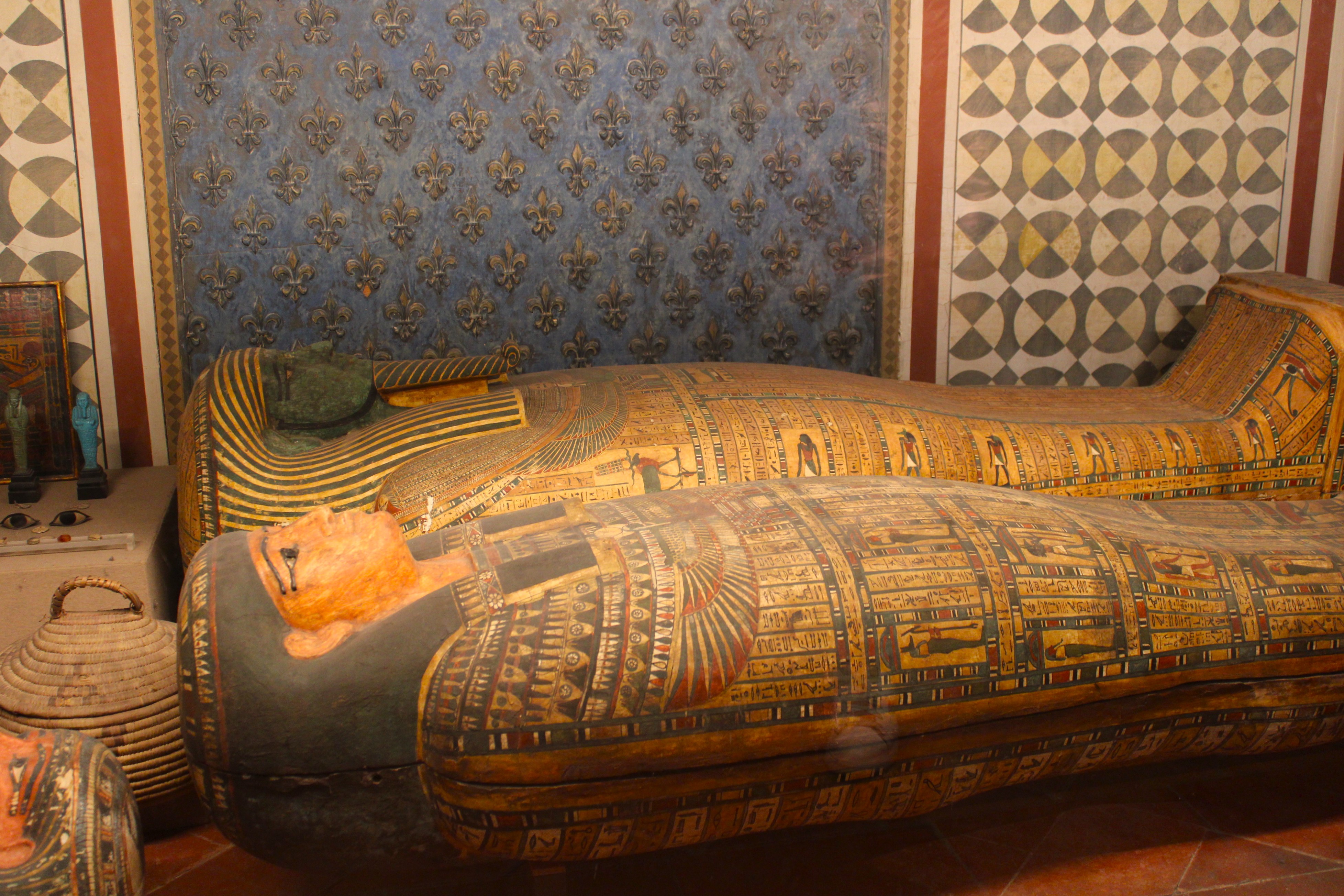
Celeberrime sono le raccolte di armi e armature, di arte giapponese e di arte islamica ma, all’interno del percorso espositivo, sono presenti anche preziosissimi arredi porcellane e molti altri oggetti, dipinti e fin’anche orologi tutt’oggi funzionanti.

Il Museo Stibbert testimonia la lungimiranza di chi lo realizzò e un concentrato di tutti quei capisaldi tipici ottocenteschi come l’esaltazione dell’arte, la passione imprescindibile per l’esotico e l’interesse per il passato.
Ubicata alle pendici dei colli di Firenze, la villa che Stibbert possedeva fu trasformata poco a poco in un castello dall’aspetto neogotico per accogliere le sue collezioni.
La parte più alta dell’edificio custodisce i ricchi appartamenti privati di famiglia, arredati secondo il suo personale gusto senza però perdere di vista riferimenti di volta in volta neorinascimentali nel grande salone da ballo, tipicamente rococò per i diversi salottini come quello che custodisce la spinetta e in stile impero per le sontuose camere da letto.

C’è da dire che la camera da letto meno appariscente che ci sia è proprio quella di Frederick Stibbert, arredata in maniera sobria e quasi minimal se si paragona agli altri ambienti. D’altro canto Frederick non trascorreva molto tempo nell’edificio ed era più spesso le volte che si trovava all’estero che a Firenze.
Preferiva dunque spendere i suoi moltissimi danari nell’arricchimento delle collezioni invece che sperperarlo per decorare camera sua che poco frequentava.

Assai singolare è invece l’arredamento della camera della madre con quel grande letto a barca in radica che molto somiglia a un sarcofago antico, circondato da affreschi con numerosi uomini privi di vesti o comunque che fanno sfoggio di muscoli e forza bruta. Non è da escludere che in precedenza gli affreschi fossero coperti da arazzi che ne impedissero la vista alla pudica signora.

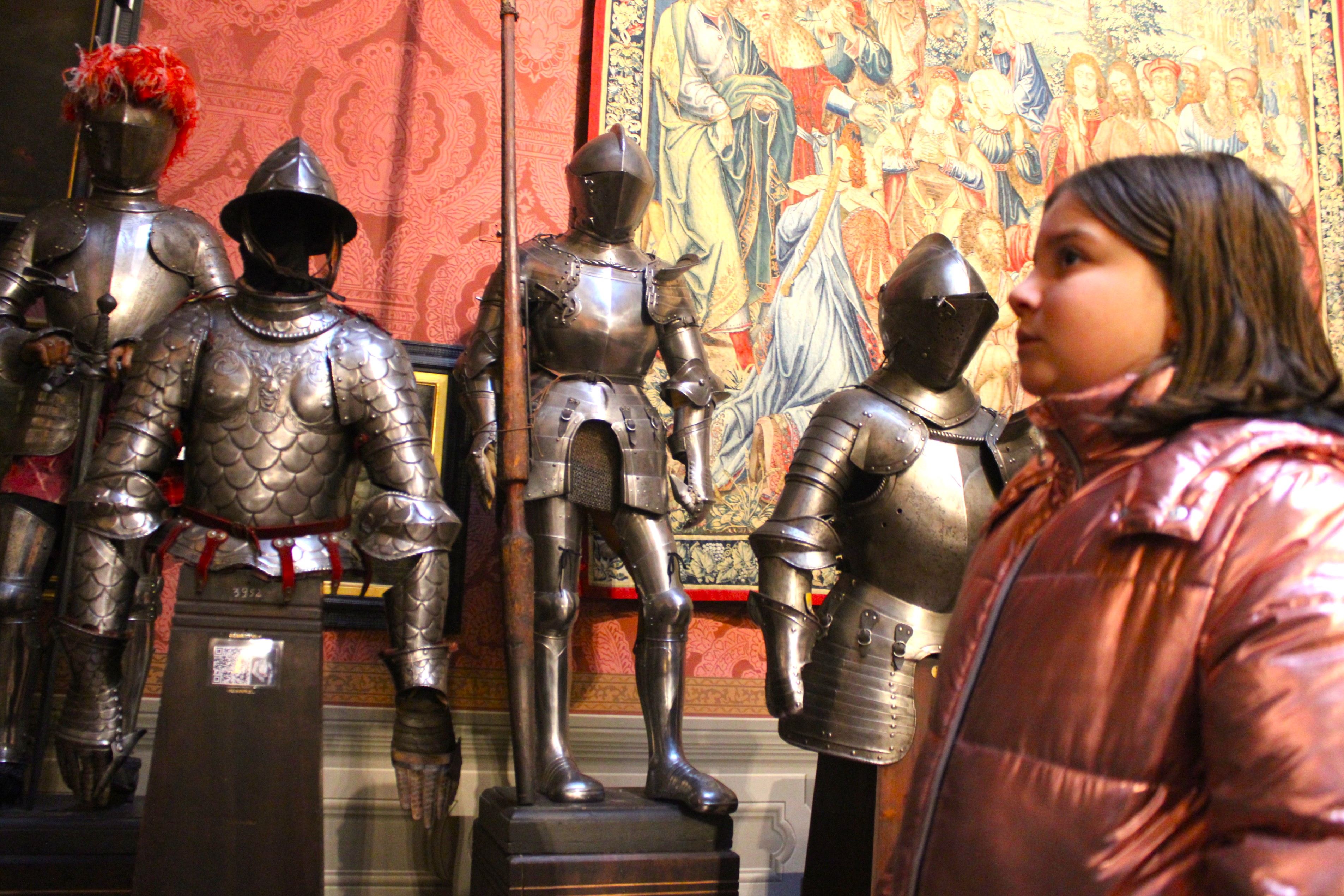
Sono tanti i punti di forza del Museo Stibbert e uno di questi è senza dubbio la grande collezione di armi e armature. All’interno del grande salone creato appositamente per accogliere una cavalcata di 14 cavalieri cinquecenteschi, abbigliati con armature originali italiane, tedesche e francesi.
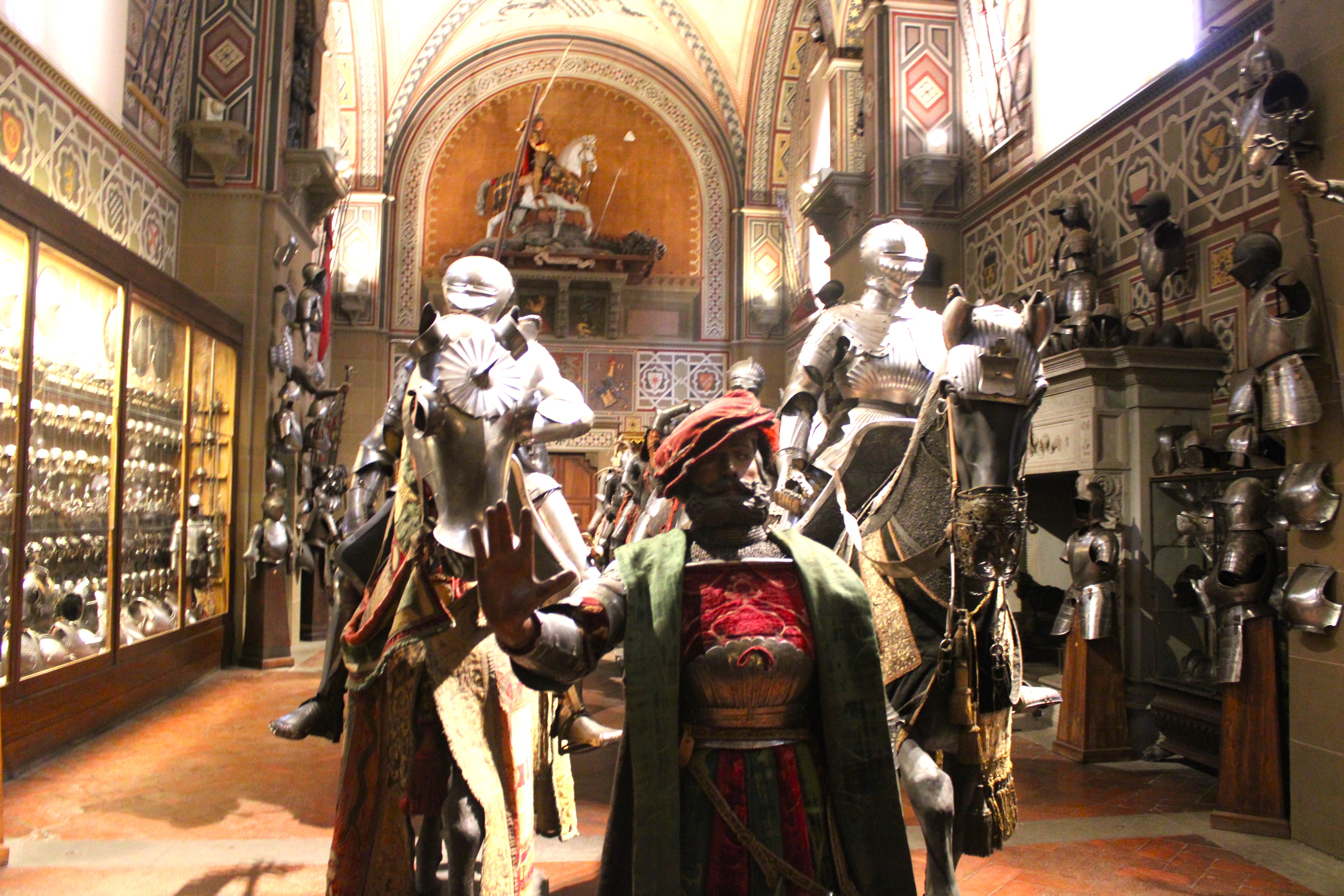
Le armature indossate dai cavalli e dei cavalieri rendono bene l’idea di quanto fosse faticoso non solo mentalmente ma soprattutto fisicamente andare a combattere con quel carico addosso che impediva di effettuare movimenti agili. Tanto erano pesanti i cavalieri armati che molto spesso per salire a cavallo dovevano essere aiutati da più di una persona.
Se poi venivano disarcionati erano spacciati: senza cavallo diventavano assai vulnerabili vista la loro scarsa mobilità e tantomeno potevano darsi alla fuga a piedi così appesantiti.

Erano invece molto più leggere le armature islamiche, pensate per essere più agili nei movimenti e consentire ai cavalli di essere caricati con meno peso. Anche le loro spade avevano fogge diverse ed erano molto più sottili rispetto a quelle europee.
Importantissima è la collezione di armature giapponesi: è considerata la più grande e importante al mondo al di fuori del Giappone. Oltre alle armature e alle bardature dei cavalli, la collezione giapponese include costumi, lacche, lampadari e altri preziosi oggetti di uso comune.

Ogni ambiente del Museo Stibbert sembra sia appositamente studiato per stupire l’avventore. Basta pensare al primo ambiente che si incontra durante la visita: la Sala della malachite.
E’ chiamata così per la presenza del caminetto e del grande tavolo realizzati proprio con questo minerale di rame color verde smeraldo sormontato dalle ninfe in bronzo dorato che Stibbert proveniente dalla Villa Demidoff.
Le pareti delle sale presentano di volta in volta decorazioni incredibili: dagli affreschi ai grandi arazzi, dalle quadrerie fino alla tappezzeria in cuoio seicentesco completamente dipinto che Stibbert adoperò per coprire affreschi che non riteneva consoni al suo gusto.

Passando da uno spazio all’altro ci si trova al cospetto di alcuni capi di abbigliamento assai singolari e unici come l’abito completo che Napoleone Bonaparte adoperò al momento dell’incoronazione in qualità di re d’Italia il 26 maggio 1805 nel Duomo di Milano.

Il Museo Stibbert è circondato da un grande parco, realizzato secondo lo stile eclettico del suo proprietario. Insomma, se andate a Firenze e volete visitare un luogo straordinario che possa emozionarvi e al contempo sorprendervi, questo museo fa proprio al caso vostro.

Per il momento il vostro Michelangelo Buonarroti vi saluta dandovi appuntamento ai prossimi post e lasciandovi i recapiti di riferimento del museo di cui vi ho raccontato.

Museo Stibbert
Via Federigo Stibbert, 26 – 50134 Firenze
Apertura al pubblico
Lun – Mer 10:00 – 14:00
Ven – Dom 10:00 – 18:00
La biglietteria chiude un’ora prima
Giovedì chiuso
Tel. Biglietteria 055 475520
Tel. Direzione 055 486049
email
biglietteria@museostibbert.it
direzione@museostibbert.it



Sostienici – Support Us
Se questo blog ti piace e ti appassiona, puoi aiutarci a farlo crescere sempre più sostenendoci in modo concreto condividendo i post, seguendo le pagine social e con un contributo che ci aiuta ad andare avanti con il nostro lavoro di divulgazione. . ENGLISH: If you like and are passionate about this blog, you can help us make it grow more and more by supporting us in a concrete way by sharing posts, following social pages and with a contribution that helps us to move forward with our dissemination work.
8,00 €
Stibbert Museum: let yourself be surprised by its incredible collections
If you are looking for an unusual place to visit in Florence that can literally surprise you, don’t miss the opportunity to visit the Stibbert Museum.
Located outside the usually crowded tourist circuits of the centre, the house museum strongly desired by the owner Federick Stibbert himself houses the very rich collection that he managed to put together throughout his life, arranged according to an arrangement that has a great impact emotional.
The collection of weapons and armour, Japanese and Islamic art is very famous, but within the exhibition itinerary there are also very precious furnishings, porcelains and many other objects, paintings and even clocks which are still working today.
The Stibbert Museum testifies to the foresight of those who created it and a concentration of all those typical nineteenth-century cornerstones such as the exaltation of art, the essential passion for the exotic and the interest in the past. Located on the slopes of the hills of Florence, the villa that Stibbert owned was gradually transformed into a neo-Gothic castle to house his collections.
The highest part of the building houses the family’s rich private apartments, furnished according to his personal taste without losing sight of neo-Renaissance references from time to time in the large ballroom, typically Rococo for the various sitting rooms such as the one housing the spinet and in Empire style for the sumptuous bedrooms.
It must be said that the least flashy bedroom there is is precisely that of Frederick Stibbert, furnished in a sober and almost minimal way when compared to the other rooms. On the other hand, Frederick did not spend much time in the building and he was abroad more often than in Florence. He therefore preferred to spend his large amounts of money on enriching the collections rather than squandering it on decorating his room which he rarely frequented.
However, the furnishings of the mother’s room are very singular with that large briar sleigh bed which very much resembles an ancient sarcophagus, surrounded by frescoes with numerous men without clothes or in any case showing off muscles and brute strength. It cannot be ruled out that previously the frescoes were covered by tapestries which prevented the modest lady from seeing them.
There are many strong points of the Stibbert Museum and one of these is undoubtedly the large collection of weapons and armour. Inside the large hall created specifically to accommodate a cavalcade of 14 sixteenth-century knights, dressed in original Italian, German and French armour. The armor worn by the horses and riders gives a good idea of how tiring it was not only mentally but above all physically to go into battle with that load on you which prevented you from carrying out agile movements. The armed knights were so heavy that very often they had to be helped by more than one person to get on their horses. If they were then thrown off their horses they were done for: without horses they became very vulnerable given their poor mobility and even less could they escape on such heavy feet.
The collection of Japanese weapons is very important: it is considered the largest and most important in the world outside Japan. In addition to armor and horse harnesses, the Japanese collection includes costumes, lacquerware, chandeliers and other precious everyday objects.
Every room in the Stibbert Museum seems to be specifically designed to amaze the visitor. Just think of the first room you encounter during your visit: the Malachite Room. It is so called due to the presence of the fireplace and the large table made with this emerald green copper mineral surmounted by the gilded bronze nymphs that Stibbert came from the Villa Demidoff.
The walls of the rooms present from time to time incredible decorations: from frescoes to large tapestries, from picture galleries to the completely painted seventeenth-century leather upholstery that Stibbert used to cover frescoes that he did not consider suited to his taste.
Going from room to room you find yourself in the presence of some very singular and unique items of clothing such as the complete dress that Napoleon Bonaparte used at the time of his coronation as king of Italy on 26 May 1805 in the Milan Cathedral.
The Stibbert Museum is surrounded by a large park, created in the eclectic style of its owner. In short, if you go to Florence and want to visit an extraordinary place that can excite you and surprise you at the same time, this museum is right for you.
For the moment, your Michelangelo Buonarroti greets you, meeting you in the next posts and leaving you the contact details of the museum I told you about.
Sostienici – Support Us
Se questo blog ti piace e ti appassiona, puoi aiutarci a farlo crescere sempre più sostenendoci in modo concreto condividendo i post, seguendo le pagine social e con un contributo che ci aiuta ad andare avanti con il nostro lavoro di divulgazione. . ENGLISH: If you like and are passionate about this blog, you can help us make it grow more and more by supporting us in a concrete way by sharing posts, following social pages and with a contribution that helps us to move forward with our dissemination work.
8,00 €
-
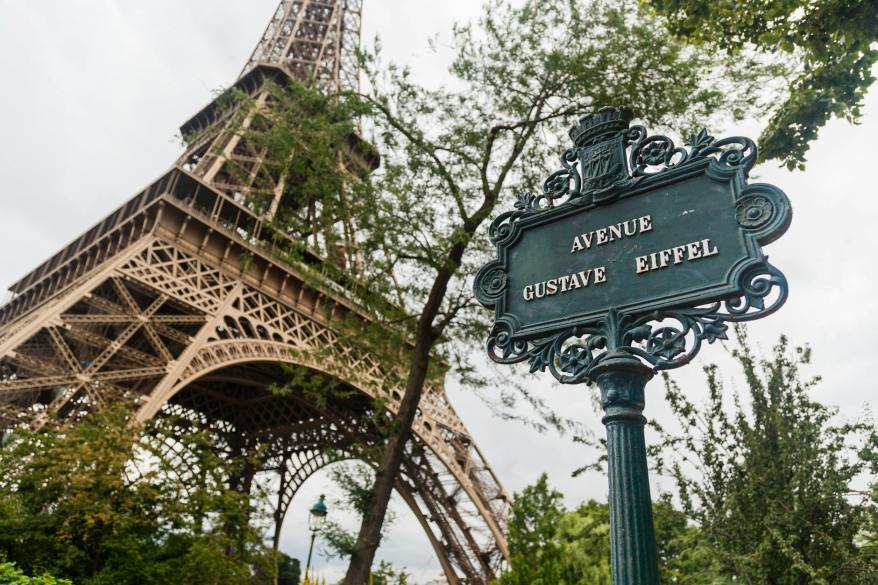
31 marzo 1889: inaugurata la Torre Eiffel tra critiche feroci e un destino inaspettato
🇮🇹Il 31 marzo 1889 segna una data destinata a cambiare per sempre il volto di Parigi e dell’immaginario collettivo globale: viene inaugurata la Torre Eiffel, l’opera più audace e discussa del suo tempo… 🇬🇧March 31, 1889 marks a date destined to change the face of Paris and the global collective imagination forever: the Eiffel Tower,…
-

Sodoma in mostra a Torino: il Rinascimento al Museo Accorsi-Ometto
🇮🇹Al Museo di Arti Decorative Accorsi-Ometto arriva una mostra dedicata al Sodoma: oltre 50 opere, alcune mai viste prima, raccontano la formazione dell’artista e il suo dialogo con maestri come Pinturicchio… 🇬🇧An exhibition dedicated to Sodoma arrives at the Accorsi-Ometto Museum of Decorative Arts: over 50 works, some never before seen, recount the artist’s development…
-
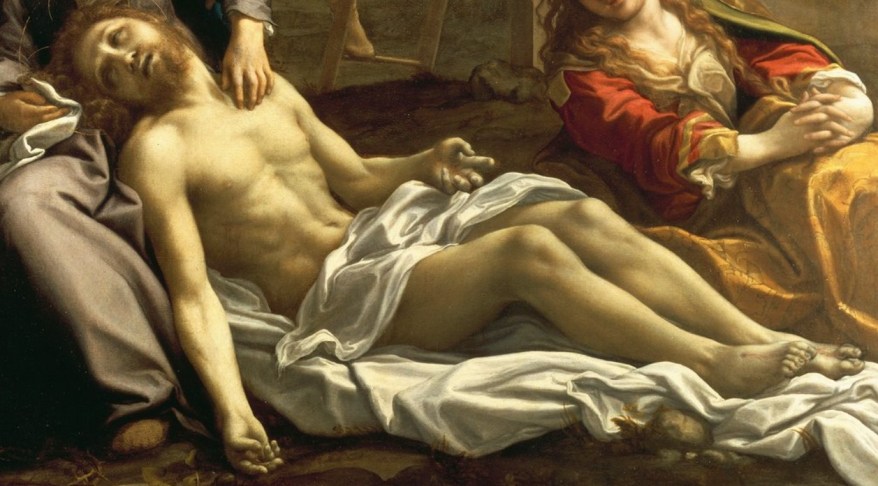
Il Compianto sul Cristo morto di Correggio: pathos e devozione
🇮🇹Con l’inizio della Settimana Santa, vi propongo il Compianto sul Cristo morto di Antonio Allegri, più noto come il Correggio: uno dei vertici assoluti della pittura emiliana del Cinquecento… 🇬🇧With the beginning of Holy Week, I propose the Lamentation over the Dead Christ by Antonio Allegri, better known as Correggio: one of the absolute peaks…
Condividi:


Questo sono io





sostienici

Sostienici – Support Us
Se questo blog ti piace e ti appassiona, puoi aiutarci a farlo crescere sempre più sostenendoci in modo concreto condividendo i post, seguendo le pagine social e con un contributo che ci aiuta ad andare avanti con il nostro lavoro di divulgazione. . ENGLISH: If you like and are passionate about this blog, you can help us make it grow more and more by supporting us in a concrete way by sharing posts, following social pages and with a contribution that helps us to move forward with our dissemination work.
€10,00


