

La Scultura del giorno: la Creazione di Adamo di Bayer
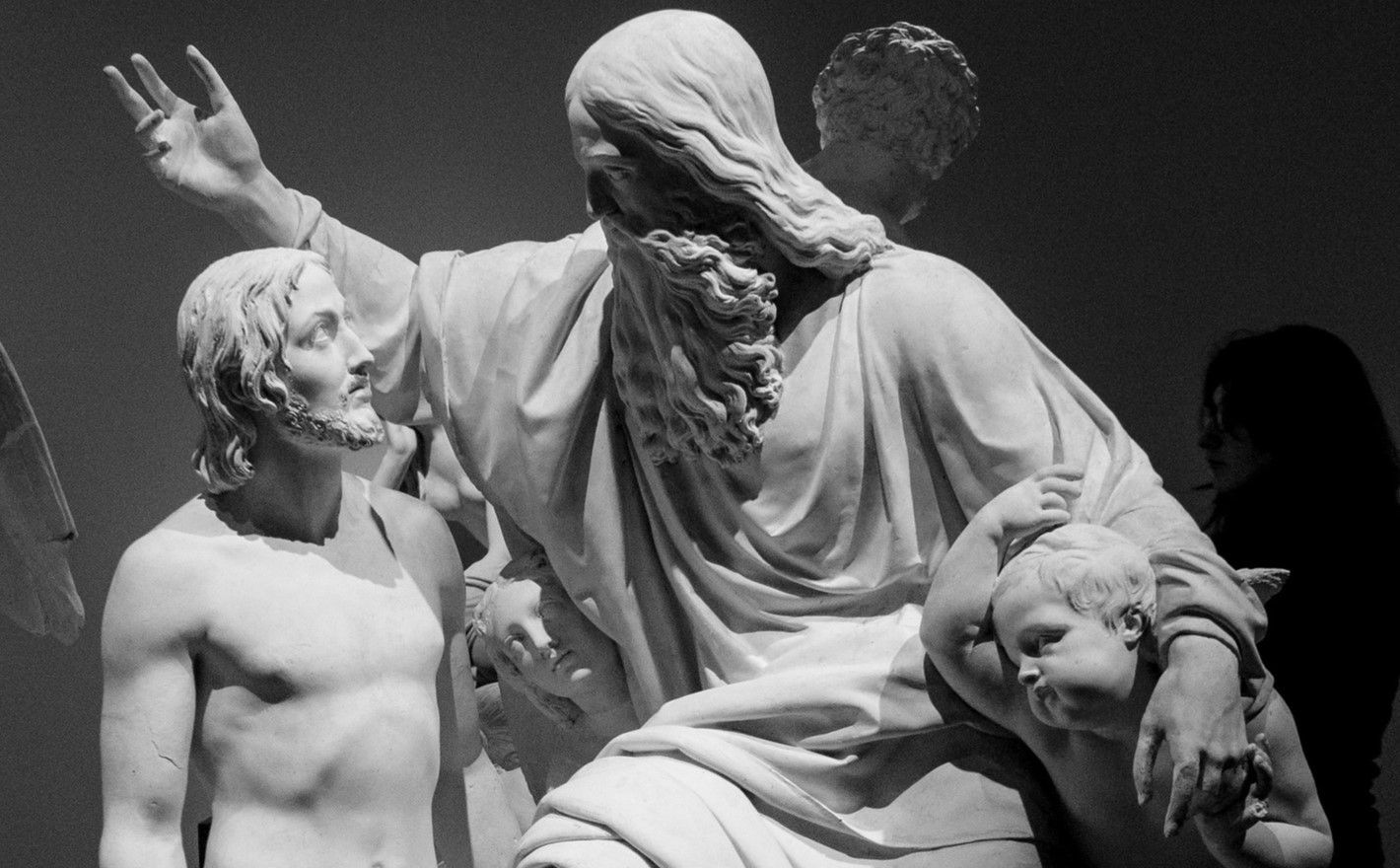
La scultura del giorno che vi propongo oggi è la Creazione di Adamo realizzata da Giuseppe Bayer nel 1845, oggi custodita nei depositi dell’Accademia di Brera.
È il modello in gesso che poi non fu trasposto in marmo, realizzato dall’artista per il concorso di prima classe per l’Accademia di Brera.
Il soggetto da raffigurare era stato imposto dall’Accademia stessa che però poi lasciava i giovani artisti decidere come realizzarlo e quale momento della Creazione di Adamo raffigurare.
Solo l’opera presentata da Bayer superò l’esame della commissione.
La figura maestosa del Creatore molto ben panneggiata abbinata ad Adamo coperto con la sola foglia di fico, che si solleva leggermente sui piedi in attesa di ricevere il soffio vitale, sorprese piacevolmente chi si trovò a dover giudicare quel lavoro.
Dio fa la sua comparsa sulla scena appoggiando i piedi su di una nuvola e accompagnato da un angioletto e una figura femminile interpretabile come la Madre Chiesa.
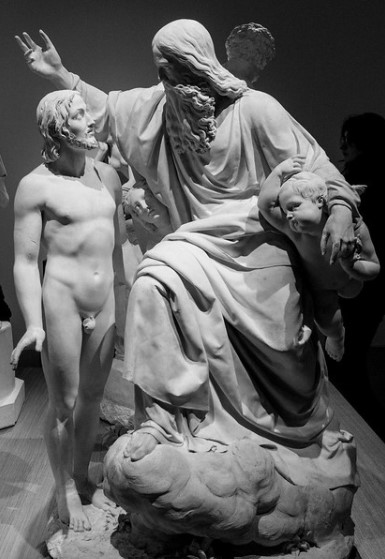
In questa composizione sono riscontrabili gli echi della Creazione di Adamo che affrescai nella volta della Cappella Sistina. Osservate proprio il modo con il quale i due accompagnatori del Creatore vengono raffigurati da Giuseppe Bayer.
Bayer nacque a Milano nel 1816 e fu allievo di Benedetto Cacciari, titolare della cattedra di scultura all’Accademia di Brera, succeduto a Pompeo Marchesi, suo suocero. Di Cacciari bayer divenne anche uno dei più attivi e abili collaboratori con il passare degli anni.

Il modello in gesso della Creazione di Adamo gli fece conquistare il primo premio per la scultura nel 1845. Fu acquistato dall’Accademia di Brera e poi depositato nel 1902 alla Galleria di Arte Moderna di Milano dove tutt’oggi è custodito.
Per il momento il vostro Michelangelo Buonarroti vi saluta dandovi appuntamento ai prossimi post e sui social.


Sostienici – Support Us
Se questo blog ti piace e ti appassiona, puoi aiutarci a farlo crescere sempre più sostenendoci in modo concreto condividendo i post, seguendo le pagine social e con un contributo che ci aiuta ad andare avanti con il nostro lavoro di divulgazione. . ENGLISH: If you like and are passionate about this blog, you can help us make it grow more and more by supporting us in a concrete way by sharing posts, following social pages and with a contribution that helps us to move forward with our dissemination work.
8,00 €
Sculpture of the day: Bayer’s Creation of Adam
The sculpture of the day that I propose to you today is the Creation of Adam created by Giuseppe Bayer in 1845, today kept in the storage rooms of the Brera Academy.
It is the plaster model that was not later transposed into marble, created by the artist for the first class competition for the Brera Academy.
The subject to be depicted was imposed by the Academy itself, which however then left the young artists to decide how to create it and which moment of the Creation of Adam to depict.
Only the work presented by Bayer passed the examination of the commission. The majestic figure of the Creator, very well draped, combined with Adam covered only with the fig leaf, who raises himself slightly on his feet waiting to receive the breath of life, pleasantly surprised those who found themselves having to judge that work.
God makes his appearance on the scene, resting his feet on a cloud and accompanied by a little angel and a female figure that can be interpreted as Mother Church.
In this composition we can find echoes of the Creation of Adam which I frescoed in the vault of the Sistine Chapel. Just observe the way in which the two companions of the Creator are depicted by Giuseppe Bayer.
Bayer was born in Milan in 1816 and was a pupil of Benedetto Cacciari, holder of the chair of sculpture at the Brera Academy, who succeeded Pompeo Marchesi, his father-in-law. Bayer also became one of Cacciari’s most active and skilled collaborators over the years.
The plaster model of the Creation of Adam won him the first prize for sculpture in 1845. It was purchased by the Brera Academy and then deposited in 1902 at the Gallery of Modern Art in Milan where it is still kept today.
For the moment, your Michelangelo Buonarroti greets you and will meet you in future posts and on social media.
Sostienici – Support Us
Se questo blog ti piace e ti appassiona, puoi aiutarci a farlo crescere sempre più sostenendoci in modo concreto condividendo i post, seguendo le pagine social e con un contributo che ci aiuta ad andare avanti con il nostro lavoro di divulgazione. . ENGLISH: If you like and are passionate about this blog, you can help us make it grow more and more by supporting us in a concrete way by sharing posts, following social pages and with a contribution that helps us to move forward with our dissemination work.
8,00 €
-
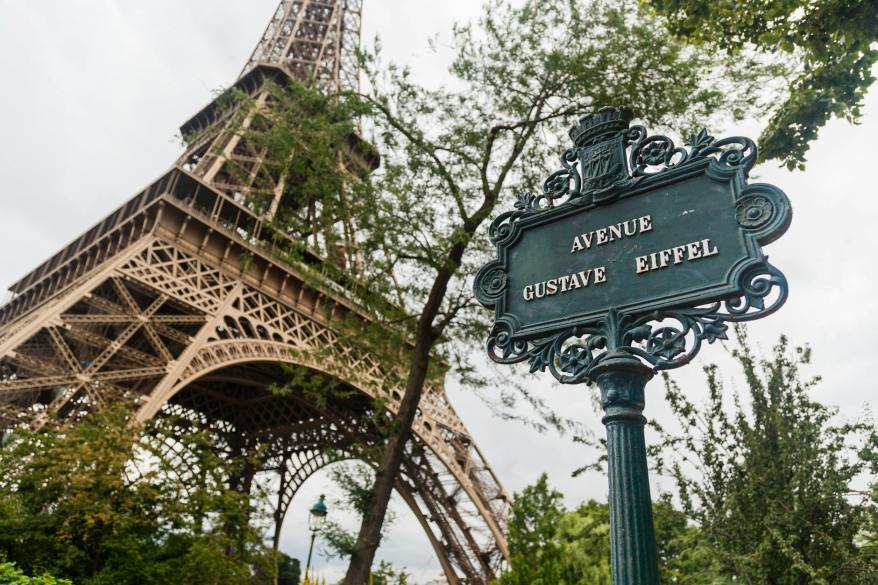
31 marzo 1889: inaugurata la Torre Eiffel tra critiche feroci e un destino inaspettato
🇮🇹Il 31 marzo 1889 segna una data destinata a cambiare per sempre il volto di Parigi e dell’immaginario collettivo globale: viene inaugurata la Torre Eiffel, l’opera più audace e discussa del suo tempo… 🇬🇧March 31, 1889 marks a date destined to change the face of Paris and the global collective imagination forever: the Eiffel Tower,…
-
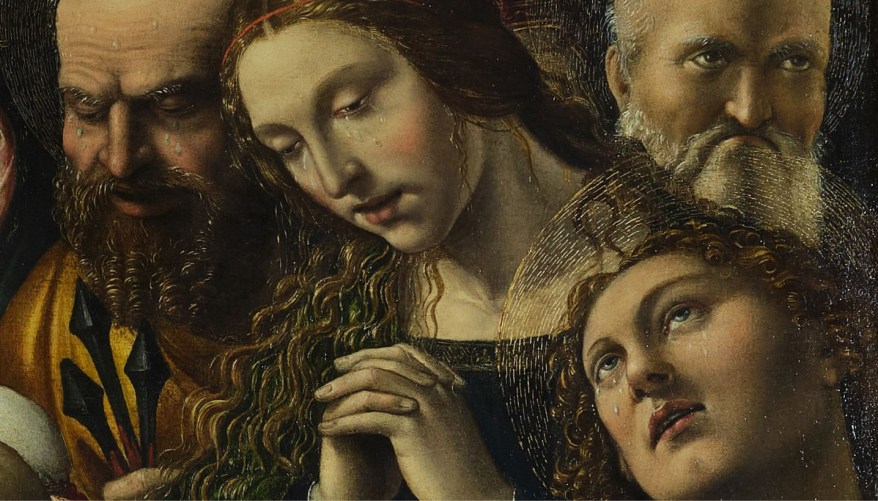
Sodoma in mostra a Torino: il Rinascimento al Museo Accorsi-Ometto
🇮🇹Al Museo di Arti Decorative Accorsi-Ometto arriva una mostra dedicata al Sodoma: oltre 50 opere, alcune mai viste prima, raccontano la formazione dell’artista e il suo dialogo con maestri come Pinturicchio… 🇬🇧An exhibition dedicated to Sodoma arrives at the Accorsi-Ometto Museum of Decorative Arts: over 50 works, some never before seen, recount the artist’s development…
-
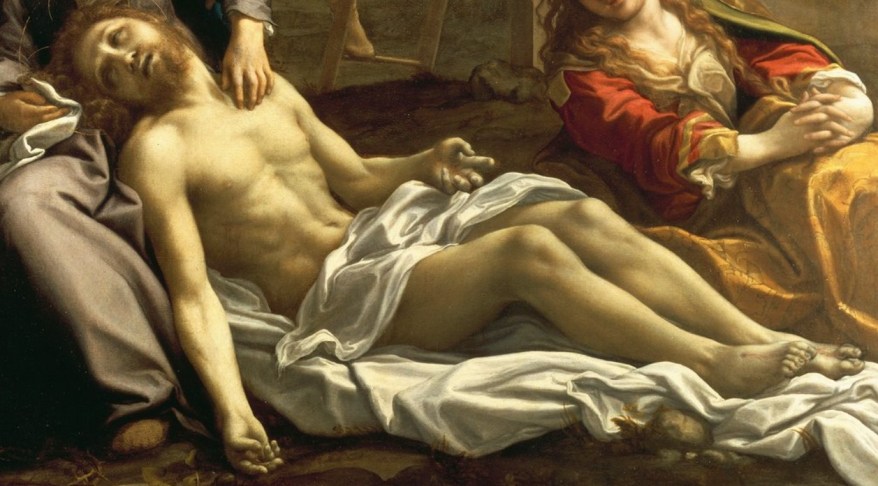
Il Compianto sul Cristo morto di Correggio: pathos e devozione
🇮🇹Con l’inizio della Settimana Santa, vi propongo il Compianto sul Cristo morto di Antonio Allegri, più noto come il Correggio: uno dei vertici assoluti della pittura emiliana del Cinquecento… 🇬🇧With the beginning of Holy Week, I propose the Lamentation over the Dead Christ by Antonio Allegri, better known as Correggio: one of the absolute peaks…
Condividi:


Questo sono io





sostienici

Sostienici – Support Us
Se questo blog ti piace e ti appassiona, puoi aiutarci a farlo crescere sempre più sostenendoci in modo concreto condividendo i post, seguendo le pagine social e con un contributo che ci aiuta ad andare avanti con il nostro lavoro di divulgazione. . ENGLISH: If you like and are passionate about this blog, you can help us make it grow more and more by supporting us in a concrete way by sharing posts, following social pages and with a contribution that helps us to move forward with our dissemination work.
€10,00


