

22 febbraio: Festa della Cattedra di San Pietro
Il 22 febbraio per la chiesa Cattolica è la giornata dedicata alla Festa della Cattedra di San Pietro. Durante questa ricorrenza viene posta particolare attenzione alla memoria della missione affidata da Cristo a San Pietro.
Così spiega il Messale Romano: “con il simbolo della cattedra pone in rilievo la missione di maestro e di pastore conferita da Cristo a Pietro, da lui costituito, nella sua persona e in quella dei successori, principio e fondamento visibile dell’unità della Chiesa”.

E’ il momento fondante della Chiesa, quando Gesù disse al suo apostolo “Tu sei Pietro e su questa pietra edificherò la mia Chiesa”
Ma cos’è la cattedra di San Pietro?
Letteralmente è il seggio del papa e quello dei vescovi. Si trova nelle chiese madri delle diocesi che prendono per questo il nome di cattedrali e sono il simbolo dell’autorità del vescovo e del suo magistero.
Papa Alessandro VII commissionò nel 1656 al Bernini la grande cattedra in bronzo che avrebbe dovuto contenere la reliquia della cattedra di San Pietro anche se, oramai è ampliamente dimostrato, sia un’opera Carolingia realizzata probabilmente poco prima dell’875 che niente ha a che fare con l’apostolo.

La Cattedra e la Gloria furono inaugurate nel 1666 e, quando il pontefice le vide, cadde in ginocchio stupefatto di tanta magnificenza, iniziando a pregare. La stessa cosa era successa anni prima a papa Paolo III farnese all’inaugurazione del Giudizio Universale che avevo affrescato nella parete dell’altare della Cappella Sistina
Fatto sta che qualche mese più tardi riuscì a tornare e nel 1666, vennero inaugurate la Cattedra e la Gloria di San Pietro. Il papa cadde in ginocchio stupefatto e iniziò a pregare: un po’ come fece papa Paolo III vedendo il Giudizio Universale terminato.

Per il momento il vostro Michelangelo Buonarroti vi saluta dandovi appuntamento ai prossimi post e sui social.
February 22: Feast of the Chair of St. Peter
February 22 for the Catholic Church is the day dedicated to the Feast of the Chair of St. Peter. During this anniversary, particular attention is paid to the memory of the mission entrusted by Christ to Saint Peter.
Thus explains the Roman Missal: “with the symbol of the chair, it highlights the mission of teacher and pastor conferred by Christ on Peter, constituted by him, in his person and in that of his successors, the principle and visible foundation of the unity of the Church ”.
It is the founding moment of the Church, when Jesus said to his apostle “You are Peter and on this rock I will build my Church”
But what is the chair of St. Peter?
It is literally the seat of the pope and that of the bishops. It is found in the mother churches of the dioceses which for this reason take the name of cathedrals and are the symbol of the authority of the bishop and of his magisterium.
In 1656 Pope Alexander VII commissioned from Bernini the large bronze chair which was supposed to contain the relic of the chair of St. Peter even if, by now it is amply demonstrated, it is a Carolingian work probably created shortly before 875 and has nothing to do with with the apostle.
The Chair and the Glory were inaugurated in 1666 and, when the pontiff saw them, he fell on his knees amazed by such magnificence, starting to pray. The same thing had happened years earlier to Pope Paul III Farnese at the inauguration of the Last Judgment that I had frescoed on the altar wall of the Sistine Chapel
The fact is that a few months later he managed to return and in 1666, the Chair and the Glory of St. Peter were inaugurated. The pope fell to his knees in amazement and began to pray: a bit like Pope Paul III did when he saw the Last Judgment finished.
For the moment, your Michelangelo Buonarroti greets you by making an appointment for the next posts and on social media.

Sostienici – Support Us
Se questo blog ti piace e ti appassiona, puoi aiutarci a farlo crescere sempre più sostenendoci in modo concreto condividendo i post, seguendo le pagine social e con un contributo che ci aiuta ad andare avanti con il nostro lavoro di divulgazione. . ENGLISH: If you like and are passionate about this blog, you can help us make it grow more and more by supporting us in a concrete way by sharing posts, following social pages and with a contribution that helps us to move forward with our dissemination work.
5,00 €
-
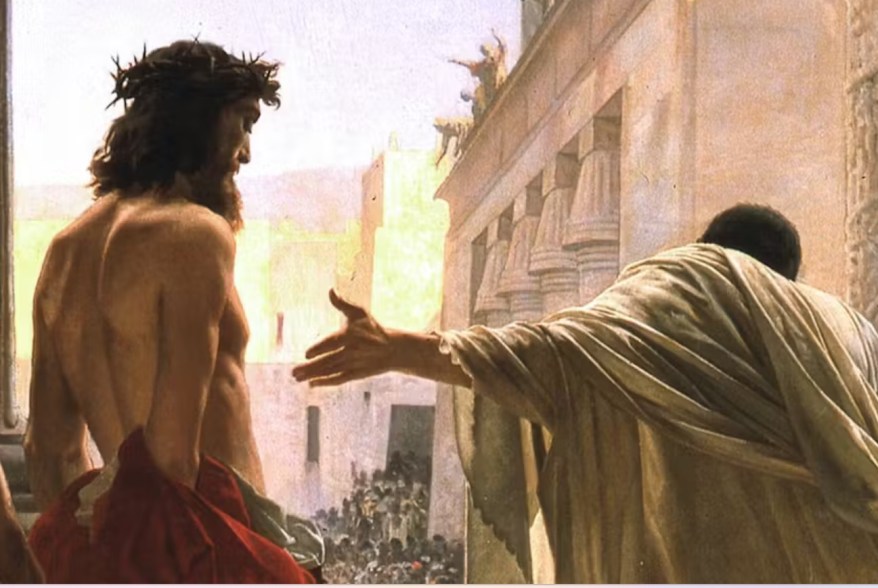
Venerdì Santo: gli “Ecce Homo” più intensi della storia dell’arte
🇮🇹Ecce Homo. Da Antonello da Messina a Tintoretto, fino al sorprendente capolavoro di Antonio Ciseri, questo soggetto ha attraversato i secoli raccontando dolore, umanità e coscienza… 🇬🇧Ecce Homo. From Antonello da Messina to Tintoretto, to Antonio Ciseri’s astonishing masterpiece, this subject has spanned the centuries, recounting pain, humanity, and conscience…
-
Attacco hacker agli Uffizi: rubati dati sensibili, mappe e codici di sicurezza
🇮🇹Attacco hacker alle Gallerie degli Uffizi: rubati dati sensibili, mappe e sistemi di sicurezza. A rischio opere, archivi e cybersicurezza del patrimonio artistico… 🇬🇧Hacker attack on the Uffizi Galleries: sensitive data, maps, and security systems stolen. Works of art, archives, and the cybersecurity of the artistic heritage are at risk…
-
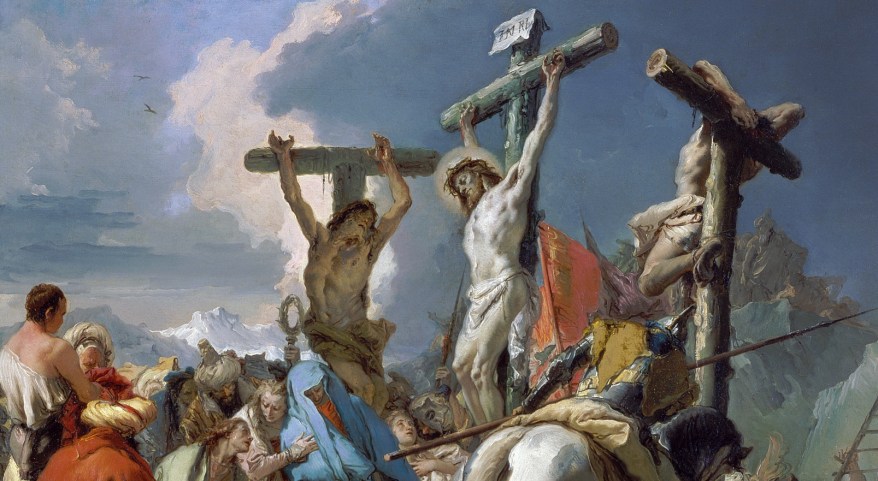
Venerdì Santo: la Crocifissione secondo Tiepolo
🇮🇹Nel giorno del Venerdì Santo, c’è un’opera che riesce ancora a scuotere lo sguardo. La Crocifissione di Giambattista Tiepolo non è come le altre: niente simmetrie perfette, niente distanza. Qui si entra dentro la scena, da un punto di vista obliquo, tra movimento, tensione e umanità… 🇬🇧On Good Friday, there’s a work that still manages…
Condividi:


Questo sono io





sostienici

Sostienici – Support Us
Se questo blog ti piace e ti appassiona, puoi aiutarci a farlo crescere sempre più sostenendoci in modo concreto condividendo i post, seguendo le pagine social e con un contributo che ci aiuta ad andare avanti con il nostro lavoro di divulgazione. . ENGLISH: If you like and are passionate about this blog, you can help us make it grow more and more by supporting us in a concrete way by sharing posts, following social pages and with a contribution that helps us to move forward with our dissemination work.
€10,00


1 commento »