

Quel mio Ercole scomparso in terra francese
Questa che vi sto per raccontare è la storia della scultura dell’Ercole in marmo di Carrara andò nel corso dei secoli in Francia.
Com’è possibile che di un colosso di più di due metri d’altezza non sia rimasta traccia se non nei documenti dell’epoca? Non ve lo so dire ma certo è che quell’opera mi costò come tutte le altre fatica, sudore e complicazioni a non finire.
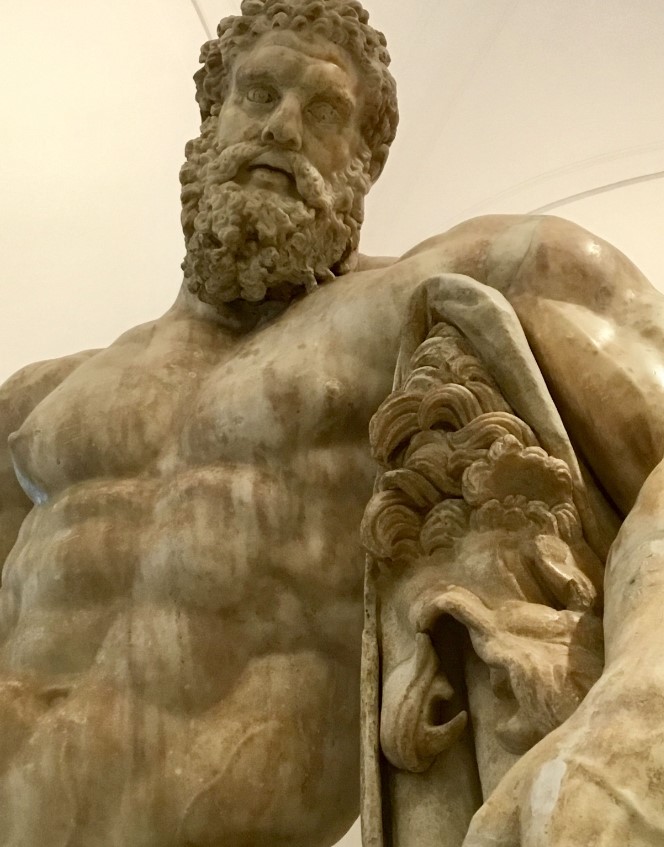
Non tutti gli esperti che conoscono me e le mie opere a menadito sono concordi sul fatto che scolpissi proprio in casa del mi babbo quell’Ercole. Vi ricordate quando morì Lorenzo dei Medici, il Magnifico?
Era il 1492 e persi il mio protettore: Me ne ritornai per un po’ di tempo a casa del mi babbo Lodovico fino a quando, il 20 Gennaio del 1494, giornata dedicata a San Sebastiano martire, su Firenze scese uno spesso manto di neve.
Faceva un freddo tremendo e Piero de’ Medici, il diretto successore del Magnifico, mi richiamò a Palazzo Medici Riccardi per scolpire per lui e la sua corte un Ercole di neve.
Quell’Ercole effimero stupì tutti e poco dopo me ne fu commissionato uno in marmo. E’ ipotizzabile pensare che fu proprio Piero de’ Medici ad affidarmi quel lavoro dopo aver ammirato cosa fui capace di fare con della neve.
In tal caso l’opera avrebbe preso vita scalpellata dopo scalpellata nel Giardino di San Marco dove poco prima imparai l’arte della scultura sotto la supervisione di Bertoldo di Giovanni.
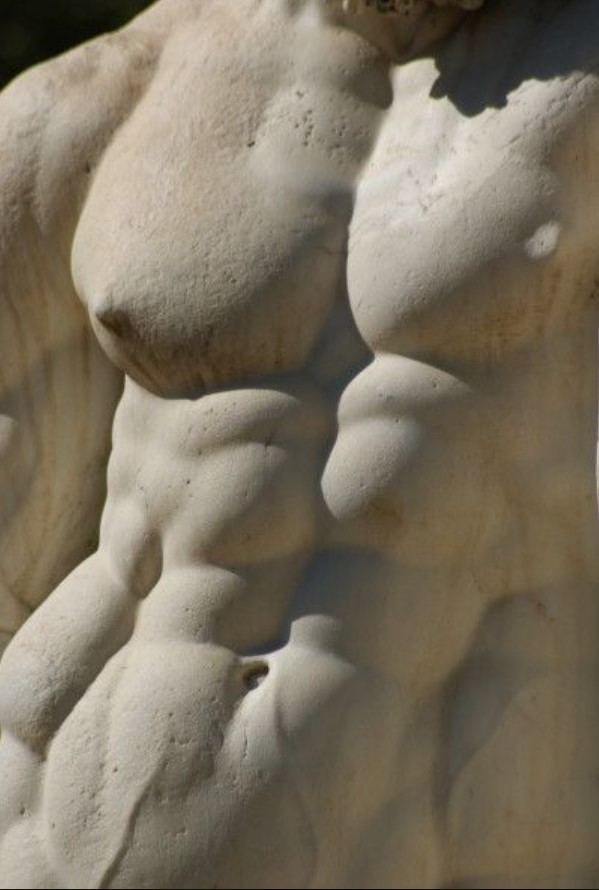
Abbiate pazienza ma son passati così tanti anni e di documenti su quest’opera ce ne son così pochi che risalire per filo e per segno a ogni dettaglio è cosa impossibile.
Il blocco di marmo che iniziai a lavorare per quest’opera era alto ben quattro braccia cioè, per la precisione, due metri e trentatré centimetri. Riuscite a immaginarvi la potenza che riuscii a tirar fuori in un Ercole di quelle dimensioni? Chissà se avesse qualche vaga somiglianza con l’Ercole Farnese.
La scultura terminata fu venduta ad Alfonso di Filippo Strozzi e successivamente donata da Filippo Strozzi il Giovane. Successivamente, nel 1529, arrivò nelle mani di Francesco I re di Francia, per interessamento di Giovan Battista della Palla.
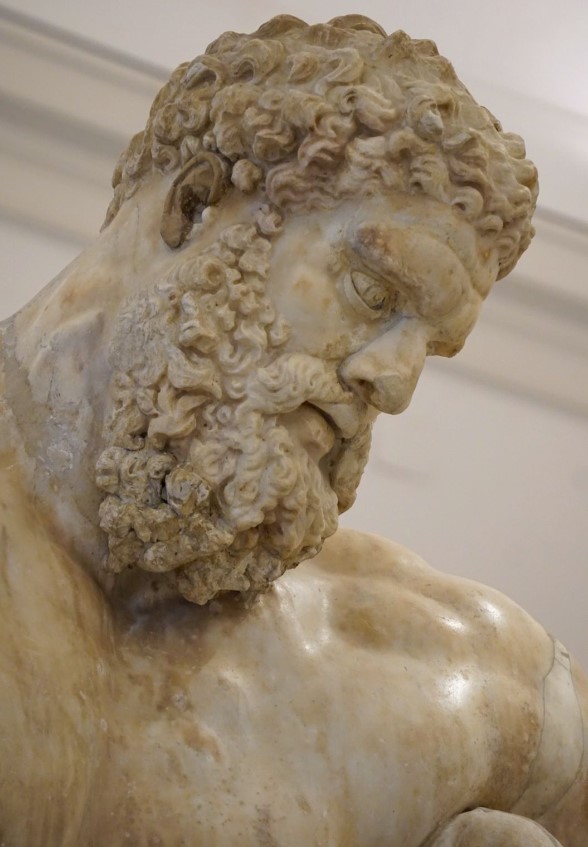
Nel 1725 però se ne perse ogni traccia e non è dato sapere che fine abbia fatto né che aspetto avesse con certezza. Ogni volta che un’opera del genere scompare nel nulla se ne va un pezzo di storia dell’artista che l’ha realizzata e a lungo andare non ne rimane che qualche ricordo sparso nei documenti.
Secondo voi che fine può aver fatto quella colossale opera?
Per il momento il sempre vostro Michelangelo Buonarroti vi saluta dandovi appuntamento ai prossimi racconti.
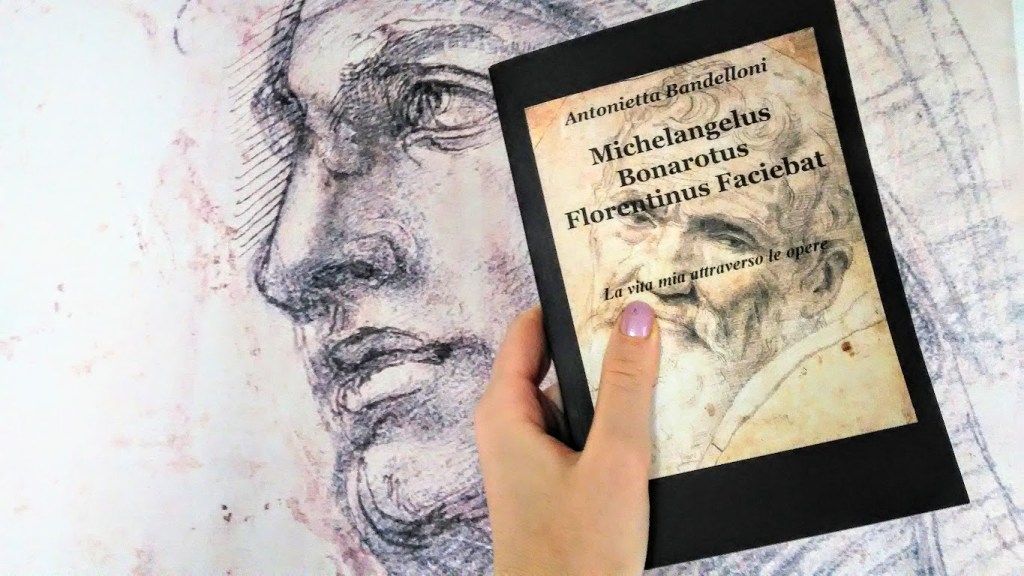
My Hercules disappeared on French soil
What I’m about to tell you is the story of the Hercules sculpture in Carrara marble that went to France over the centuries. How is it possible that no trace of a colossus of more than two meters has remained except in the documents of the time? I can’t tell you but it is certain that that work cost me like all the other effort, sweat and complications to no end.
Not all the experts who know me and my works by heart agree on the fact that I sculpted that Hercules right in my father’s house. Do you remember when Lorenzo dei Medici, the Magnificent, died?
It was 1492 and I lost my protector: I went back for a while to my father Lodovico’s house until, on 20 January 1494, the day dedicated to the martyr San Sebastiano, a thick blanket of snow descended on Florence.
It was bitterly cold and Piero de’ Medici, the direct successor of the Magnifico, called me back to the Palazzo Medici Riccardi to sculpt a snow Hercules for him and his court.
That ephemeral Hercules amazed everyone and shortly after I was commissioned a marble one. It is conceivable that it was Piero de’ Medici himself who entrusted me with that job after having admired what I was capable of doing with snow.
In that case the work would have come to life chiseled after chiseled in the Garden of San Marco where shortly before I learned the art of sculpture under the supervision of Bertoldo di Giovanni.
Have patience but so many years have passed and there are so few documents on this work that it is impossible to go back to every detail.
The block of marble that I began to work on for this work was no less than four arm lengths, that is, to be precise, two meters and thirty-three centimetres. Can you imagine the power I was able to squeeze out in a Hercules that size? Who knows if it had some vague resemblance to the Farnese Hercules.
The finished sculpture was sold to Alfonso di Filippo Strozzi and subsequently donated by Filippo Strozzi the Younger. Subsequently, in 1529, it came into the hands of Francis I, King of France, through the interest of Giovan Battista della Palla.
In 1700 the Hercules was sent to France and placed in the Gardens of the superb Palace of Fointainbleu.
However, only a few years later, in 1725, all traces of it were lost and it is not known what happened to it or what it looked like with certainty. Every time such a work disappears into thin air, a piece of history of the artist who created it is gone and in the long run, only a few memories scattered in the documents remain.
In your opinion, what happened to that colossal work?
For the moment your always Michelangelo Buonarroti greets you giving you an appointment for the next stories.

Sostienici – Support Us
Se questo blog ti piace e ti appassiona, puoi aiutarci a farlo crescere sempre più sostenendoci in modo concreto condividendo i post, seguendo le pagine social e con un contributo che ci aiuta ad andare avanti con il nostro lavoro di divulgazione. . ENGLISH: If you like and are passionate about this blog, you can help us make it grow more and more by supporting us in a concrete way by sharing posts, following social pages and with a contribution that helps us to move forward with our dissemination work.
10,00 €
-
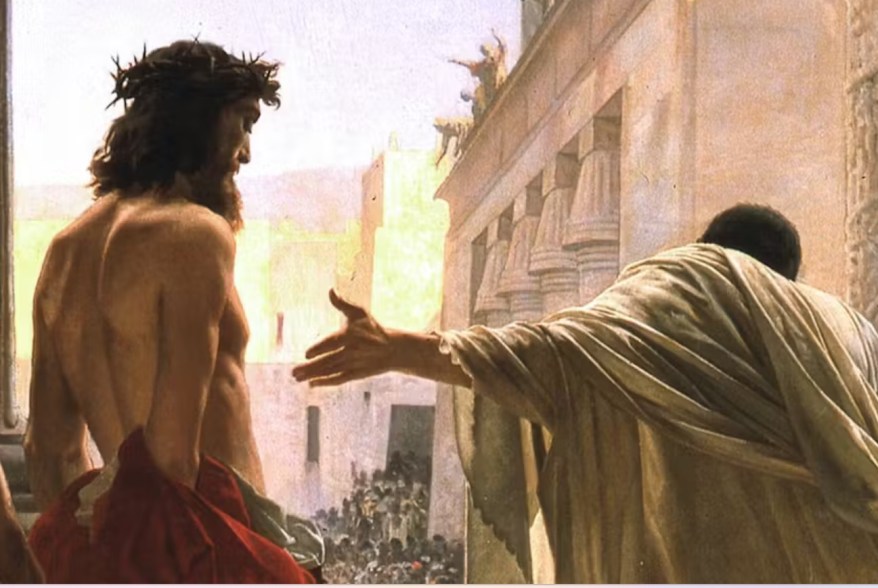
Venerdì Santo: gli “Ecce Homo” più intensi della storia dell’arte
🇮🇹Ecce Homo. Da Antonello da Messina a Tintoretto, fino al sorprendente capolavoro di Antonio Ciseri, questo soggetto ha attraversato i secoli raccontando dolore, umanità e coscienza… 🇬🇧Ecce Homo. From Antonello da Messina to Tintoretto, to Antonio Ciseri’s astonishing masterpiece, this subject has spanned the centuries, recounting pain, humanity, and conscience…
-
Attacco hacker agli Uffizi: rubati dati sensibili, mappe e codici di sicurezza
🇮🇹Attacco hacker alle Gallerie degli Uffizi: rubati dati sensibili, mappe e sistemi di sicurezza. A rischio opere, archivi e cybersicurezza del patrimonio artistico… 🇬🇧Hacker attack on the Uffizi Galleries: sensitive data, maps, and security systems stolen. Works of art, archives, and the cybersecurity of the artistic heritage are at risk…
-
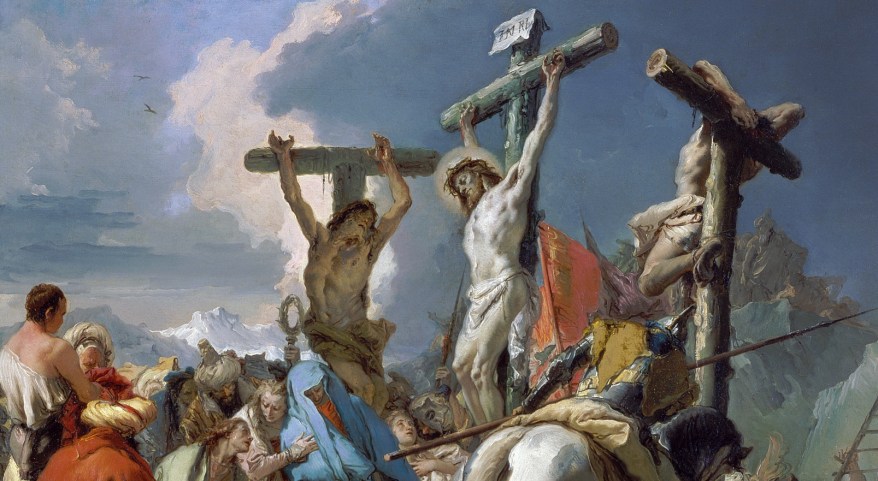
Venerdì Santo: la Crocifissione secondo Tiepolo
🇮🇹Nel giorno del Venerdì Santo, c’è un’opera che riesce ancora a scuotere lo sguardo. La Crocifissione di Giambattista Tiepolo non è come le altre: niente simmetrie perfette, niente distanza. Qui si entra dentro la scena, da un punto di vista obliquo, tra movimento, tensione e umanità… 🇬🇧On Good Friday, there’s a work that still manages…
Condividi:


Questo sono io





sostienici

Sostienici – Support Us
Se questo blog ti piace e ti appassiona, puoi aiutarci a farlo crescere sempre più sostenendoci in modo concreto condividendo i post, seguendo le pagine social e con un contributo che ci aiuta ad andare avanti con il nostro lavoro di divulgazione. . ENGLISH: If you like and are passionate about this blog, you can help us make it grow more and more by supporting us in a concrete way by sharing posts, following social pages and with a contribution that helps us to move forward with our dissemination work.
€10,00


1 commento »