
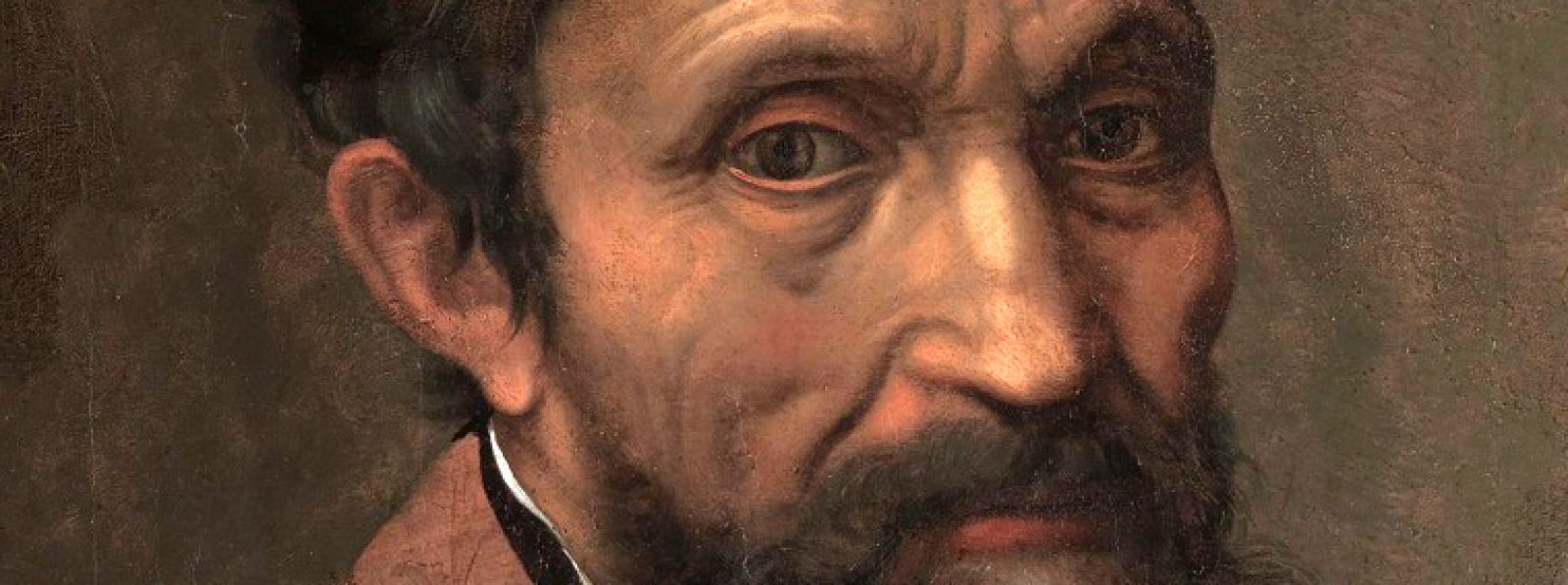
Il Giudizio Universale fra grazia e dannazione
Nessun architettura è presente nel Giudizio Universale che si propone all’osservatore come un’apertura sulla parete dell’altare che mostra l’Ultimo Giorno del mondo.
Le figure hanno proporzioni diverse. Il Cristo domina la scena con la sua imponenza ma se lo guardate bene vi accorgerete che non è la il personaggio più grande che affrescai. I Santi che lo circondano sono un po’ alti di lui ma posizionati a debita distanza non fanno percepire immediatamente questa differenza di dimensioni.

Mentre nella parte sinistra gli eletti ascendono al cielo aiutati da caritatevoli angeli o sospinti da forza divina, alla destra di chi osserva ma sinistra del Cristo, i dannati vengono respinti e presi a pugni da figure angeliche meno pietose.
Fra i dannati volli raffigurare i simboli dei vizi capitali come l’avarizia, l’accidia e la lussuria.
Vi sono gli scorti che paiono di rilievo, e con la unione la morbidezza, e la finezza nelle parti delle dolcezze da lui dipinte mostrano veramente come hanno da essere le pitture fatte da’ buoni e veri pittori; e vedesi nei contorni delle cose, girate da lui per una via che da altri che da lui non potrebbono esser fatte, il vero giudizio e la vera dannazione e ressurressione.»
Giorgio Vasari

Il Giudizio Universale fu svelato al mondo da papa Paolo III Farnese il giorno d’Ognissanti del 1541 e fin dai primissimi istanti suscitò assieme lodi e critiche.
Meno di tre settimane dopo Nino Sermini offre un accorato resoconto delle reazioni che suscitò il mio Giudizio al cardinale Ercole Gonzaga scrivendogli in una lettera datata 19 novembre:
“Io non trovo nissuno a cui basti l’animo di ritirare così in furia quello che nuovamente ha dipinto Michelagnolo per essere opera grande e difficile, essendovi più di cinque cento figure et di sorte che a ritrarne solamente una credo metta pensiero agli dipintori. Ancor che l’opera fosse di quella bellezza che po pensare V. Ill. S., non manca in ogni modo chi la danna; gli r. mi Chietini sono gli primi che dicono non star bene gli inudi in simil luogo, che mostrano le cose loro, benché ancora a questo ha avuto grand. ma consideratione, che a pena a dieci di tanto numero si vede dishonestà. [ … ] con tutto questo vedrò d’havere almeno uno schizzo acciò che V. S. IlL possa vedere il compartimento che ha fatto [ … ] et sarà opera, quando la vedrà, assai diversa di quello che essa si pensa, perché si conosce che tutto il suo sforzo ha messo in fare figure bizzarre et in atti diversi [ … ].»
Per mostrare al cardinale Gonzaga quale aspetto potesse avere la mia opera, il Sermini promette che si prodigherà nell’ottenere almeno uno schizzo complessivo del Giudizio.
Per il momento il vostro Michelangelo Buonarroti vi saluta dandovi appuntamenti ai prossimi post e sui social.

The Last Judgment between grace and damnation
No architecture is present in the Last Judgment which is presented to the observer as an opening on the wall of the altar showing the Last Day of the world.
The figures have different proportions. Christ dominates the scene with his grandeur but if you look closely you will notice that he is not the largest figure I frescoed. The Saints who surround him are a little taller than him but positioned at a safe distance they do not immediately perceive this difference in size.
While on the left side the elect ascend to heaven helped by charitable angels or pushed by divine force, on the right of the observer but left of Christ, the damned are rejected and punched by less pitiful angelic figures.
Among the damned I wanted to depict the symbols of the deadly sins such as avarice, sloth and lust.
“There are men foreshortened who seem to be in relief, and with the union of softness and finesse in the parts of the sweetness painted by him, they really show how the paintings made by real painters should be; and it can be seen in the outlines of the things, rotated by him in a way that by others than by him could not be done, true judgment and true damnation and resurrection.”
Giorgio Vasari
The Last Judgment was unveiled to the world by Pope Paul III Farnese on All Saints Day in 1541 and from the earliest moments it aroused both praise and criticism.
Less than three weeks later Nino Sermini offers a heartfelt account of the reactions that my Judgment aroused in Cardinal Ercole Gonzaga, writing to him in a letter dated November 19:
“I can’t find anyone who has the courage to withdraw in such a fury what Michelagnolo has painted again as a large and difficult work, there being more than five hundred figures and of a sort that I believe puts the painters to mind in portraying just one. Even if the work was of that beauty that I can think V. Ill. S., in any case there is no lack of those who condemn it; the r. I Chietini are the first who say that people do not feel good in such a place, that they show their things, although they still had great interest in this. but consideration, that hardly ten of such a number shows dishonesty. [ … ] with all this I will see to have at least one sketch so that Your Lordship IlL can see the compartment that you have made [ … ] and it will be a work, when you see it, very different from what you think, because it is known that all your effort has been put into making figures bizzarre et in diverse acts [ … ].“»“
To show Cardinal Gonzaga what my work might look like, Sermini promises that he will do his utmost to obtain at least an overall sketch of the Judgment.
For the moment, your Michelangelo Buonarroti greets you by giving you appointments in the next posts and on social networks.

Sostienici – Support Us
Se questo blog ti piace e ti appassiona, puoi aiutarci a farlo crescere sempre più sostenendoci in modo concreto condividendo i post, seguendo le pagine social e con un contributo che ci aiuta ad andare avanti con il nostro lavoro di divulgazione. . ENGLISH: If you like and are passionate about this blog, you can help us make it grow more and more by supporting us in a concrete way by sharing posts, following social pages and with a contribution that helps us to move forward with our dissemination work.
5,00 €
-
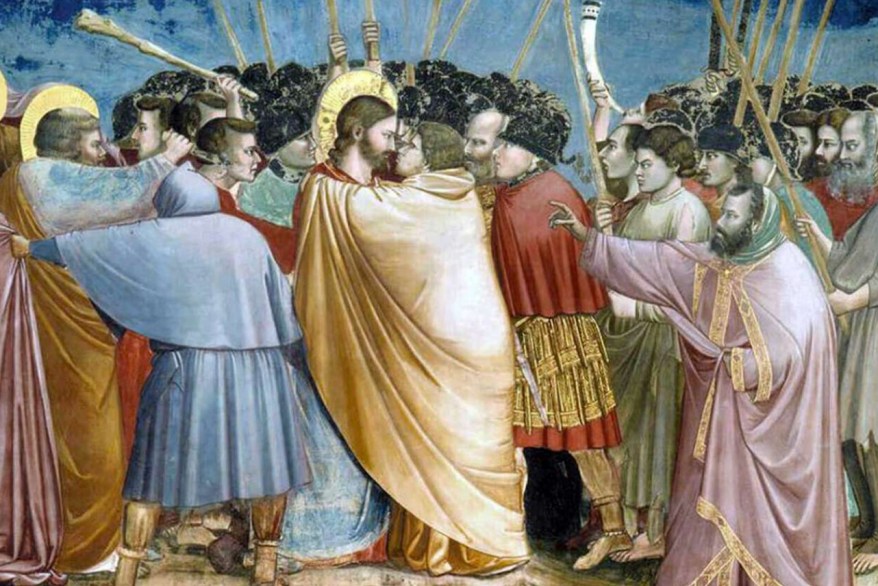
Mercoledì Santo: il giorno del tradimento di Giuda affrescato da Giotto
🇮🇹Il Mercoledì Santo è il giorno del silenzio, della riflessione e del tradimento. È il momento in cui Giuda sceglie di vendere Gesù per trenta denari, segnando uno dei passaggi più dolorosi della Settimana Santa…. 🇬🇧Holy Wednesday is a day of silence, reflection, and betrayal. ✝It is the moment when Judas chooses to sell Jesus…
-
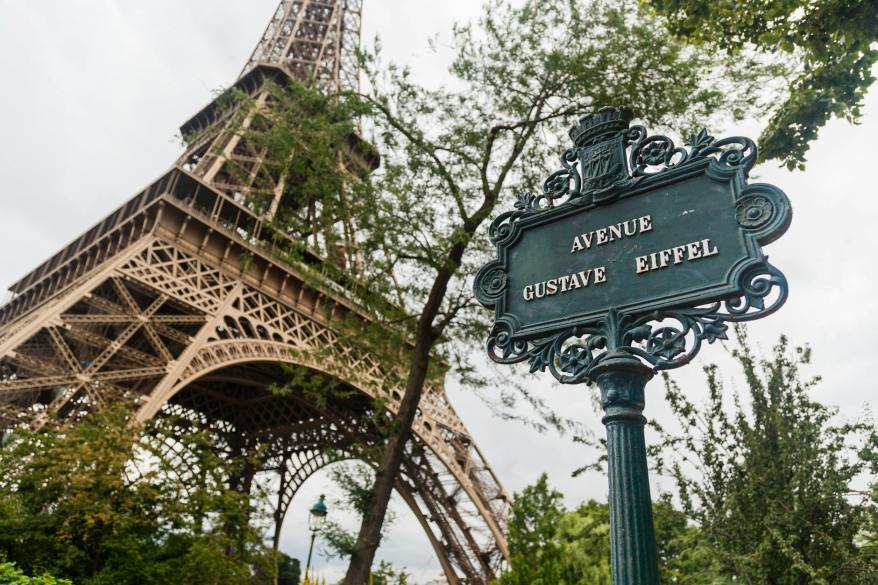
31 marzo 1889: inaugurata la Torre Eiffel tra critiche feroci e un destino inaspettato
🇮🇹Il 31 marzo 1889 segna una data destinata a cambiare per sempre il volto di Parigi e dell’immaginario collettivo globale: viene inaugurata la Torre Eiffel, l’opera più audace e discussa del suo tempo… 🇬🇧March 31, 1889 marks a date destined to change the face of Paris and the global collective imagination forever: the Eiffel Tower,…
-
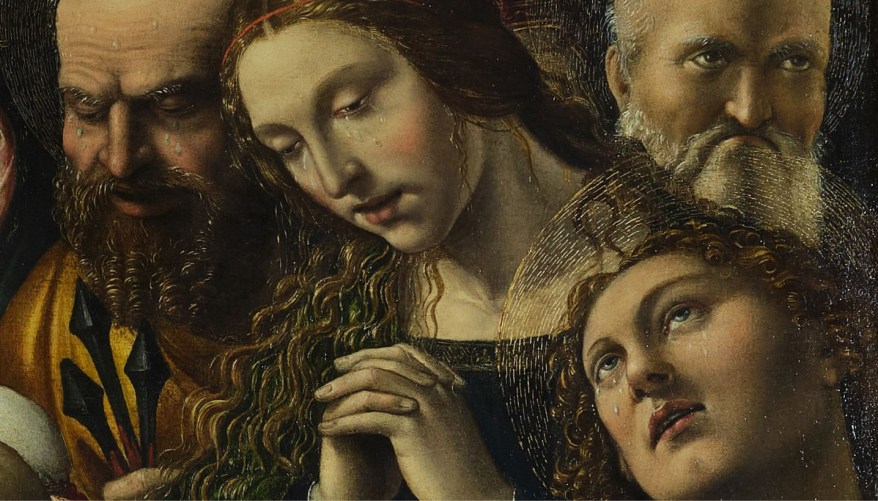
Sodoma in mostra a Torino: il Rinascimento al Museo Accorsi-Ometto
🇮🇹Al Museo di Arti Decorative Accorsi-Ometto arriva una mostra dedicata al Sodoma: oltre 50 opere, alcune mai viste prima, raccontano la formazione dell’artista e il suo dialogo con maestri come Pinturicchio… 🇬🇧An exhibition dedicated to Sodoma arrives at the Accorsi-Ometto Museum of Decorative Arts: over 50 works, some never before seen, recount the artist’s development…
Condividi:


Questo sono io





sostienici

Sostienici – Support Us
Se questo blog ti piace e ti appassiona, puoi aiutarci a farlo crescere sempre più sostenendoci in modo concreto condividendo i post, seguendo le pagine social e con un contributo che ci aiuta ad andare avanti con il nostro lavoro di divulgazione. . ENGLISH: If you like and are passionate about this blog, you can help us make it grow more and more by supporting us in a concrete way by sharing posts, following social pages and with a contribution that helps us to move forward with our dissemination work.
€10,00


