
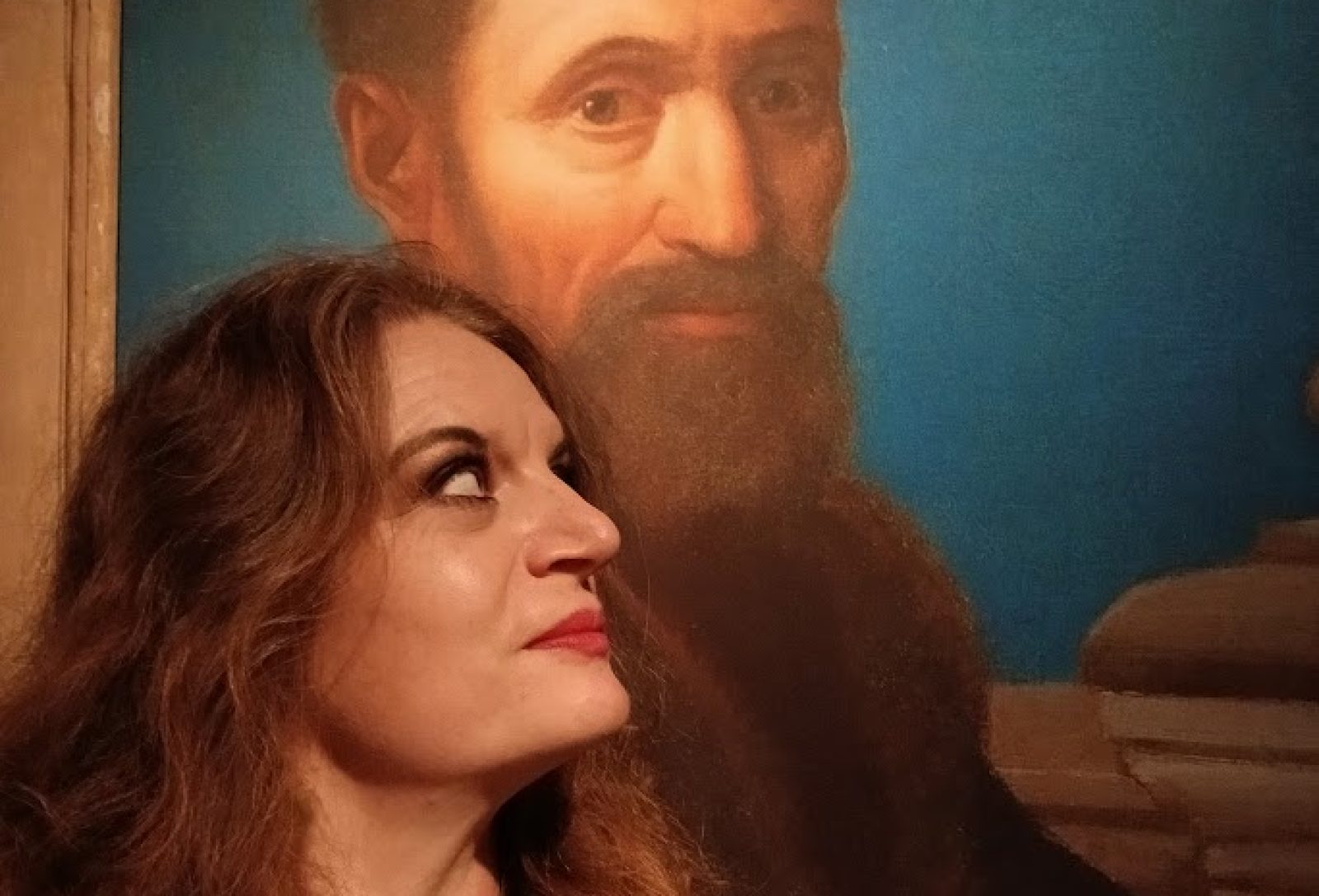
Ecco perché la Sistina fu a lungo studiata dagli artisti francesi
La Cappella Sistina e in particolare i miei affreschi della volta e del Giudizio universale, furono a lungo studiati dai giovani artisti francesi.
Dietro questo fatto c’è una ragione specifica. Sedetevi comodi che ve la racconto per filo e per segno.
Quasi tutti gli artisti che arrivavano a Roma seguendo la moda del Gran Tour, nonostante le molteplici difficoltà raccontate da diverse testimonianze nel reperire i permessi per lavorare nella Cappella Magna del pontefice, fino alla metà dell’Ottocento studiarono e copiarono i miei affreschi sistini sebbene molti di loro avessero modi totalmente diversi di intendere l’arte e di dipingere dal mio.

A Roma in quel medesimo periodo arrivarono tanti giovani artisti francesi talentuosi per studiare e perfezionarsi presso l’Accademia di Villa Medici. Diversi di loro erano i vincitori del Prix de Roma che gli consentiva di vincere una borsa di studio per studiare nella Città Eterna, a diretto contatto con le opere dei grandi artisti rinascimentali, del Barocco e non solo.
Fra i vari saggi che venivano richiesti agli studenti c’era proprio l’esercizio sui miei affreschi della Cappella Sistina e i loro lavori venivano poi esposti presso L’Ecole des Beaux Arts.
A quel periodo risalgono riproduzioni di parti della Sistina di Coiny, Boncoinran, Morot, Signol e Lenepveu giusto per citarne alcuni. Quegli studi però non erano mai fedeli ma sempre alterati rispetto all’originale.
Da cosa dipendevano quelle differenze talvolta notevoli? Un po’ dalla difficoltà oggettiva che dovevano che quei giovani dovevano affrontare per riprodurre fedelmente miei lavori e un po’ dalle esperienze personali di ciascuno ovvero dal proprio modo di vedere e osservare lavori altrui.
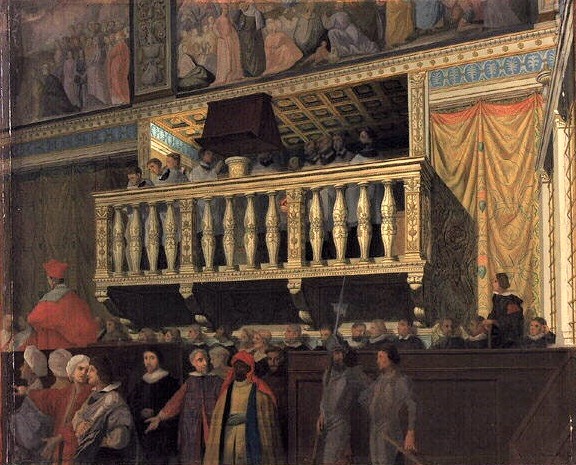
Fra gli artisti più celebri che lavorarono all’interno dei Musei Vaticani ci fu Jean Auguste Dominique Ingres.
Ingrés però preferiva ai miei affreschi quelli delle Stanze e delle Logge di Raffaello. Nonostante ciò dipinse opere all’interno della Sistina non con l’intento di studiare e copiare miei lavoro ma per riprodurre su tela le cerimonie che tanto lo affascinavano come per esempio quelle che avevano luogo durante la Settimana Santa.
Per il momento il vostro Michelangelo Buonarroti vi saluta dandovi appuntamento ai prossimi post e sui social.
That is why the Sistine Chapel was long studied by French artists
The Sistine Chapel and especially my frescoes of the vault and of the Last Judgment, were long studied by young French artists.
There is a very specific reason behind this fact. Sit back and I’ll tell you all about it.
Almost all the artists who arrived in Rome following the fashion of the Grand Tour, despite the multiple difficulties recounted by various testimonies in obtaining permits to work in the pontiff’s Cappella Magna, studied and copied my Sistine frescoes until the mid-nineteenth century, despite many of them had totally different ways of understanding art and painting from mine.
In that same period, many talented young French artists arrived in Rome to study and perfect themselves at the Villa Medici Academy. Several of them were winners of the Prix de Roma which allowed them to win a scholarship that allowed them to study in Rome, in direct contact with the works of the great Renaissance, Baroque and other artists.
Among the various essays that students were asked to do was the exercise on my frescoes in the Sistine Chapel and their works were then exhibited at the Ecole des Beaux Arts.
Reproductions of parts of the Sistine Chapel by Coiny, Boncoinran, Morot, Signol and Lenepveu date from that period. Those reproductions, however, were never faithful but always altered from the original.
What did those notable differences depend on? A little from the objective difficulty they had to face in order to faithfully reproduce my works and a little from the personal experiences of each one or from their own way of seeing and observing other people’s works.
Jean Auguste Dominique Ingres was one of the most famous artists who worked inside the Vatican Museums, but he preferred those of Raphael’s Rooms and Loggias to my frescoes. He also painted works inside the Sistine but not with the intention of studying and copying my work but to reproduce on canvas the ceremonies that so fascinated him such as those that took place during Holy Week.
For the moment, your Michelangelo Buonarroti greets you by making an appointment for the next posts and on social media.

Sostienici – Support Us
Se questo blog ti piace e ti appassiona, puoi aiutarci a farlo crescere sempre più sostenendoci in modo concreto condividendo i post, seguendo le pagine social e con un contributo che ci aiuta ad andare avanti con il nostro lavoro di divulgazione. . ENGLISH: If you like and are passionate about this blog, you can help us make it grow more and more by supporting us in a concrete way by sharing posts, following social pages and with a contribution that helps us to move forward with our dissemination work.
5,00 €
-
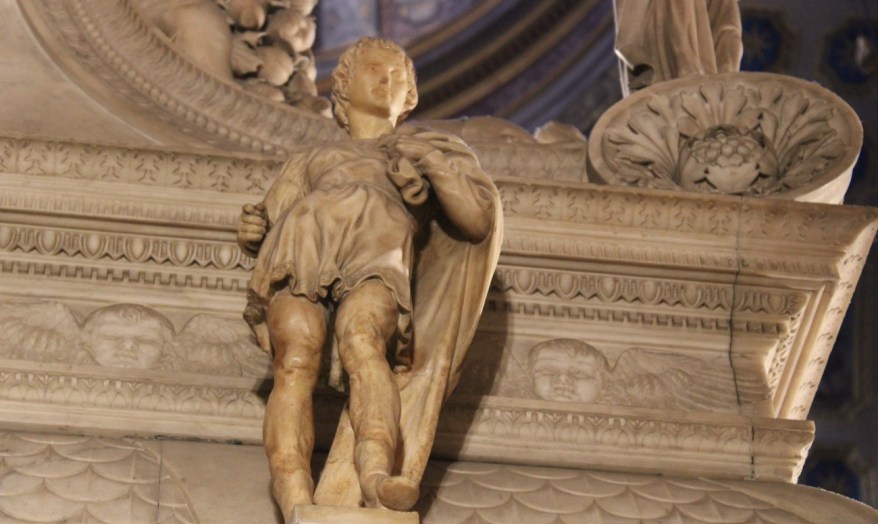
Il mio primo soggiorno a Bologna e l’incontro con Giovan Francesco Aldrovandi
🇮🇹Fuggii da Firenze a soli 19 anni. Senza certezze, senza protezioni. Solo con il mio talento. A Bologna trovai rifugio nella casa di Giovan Francesco Aldrovandi… 🇬🇧I fled Florence at just 19. Without certainties, without protection. Only with my talent. In Bologna, I found refuge in the home of Giovan Francesco Aldrovandi…
-
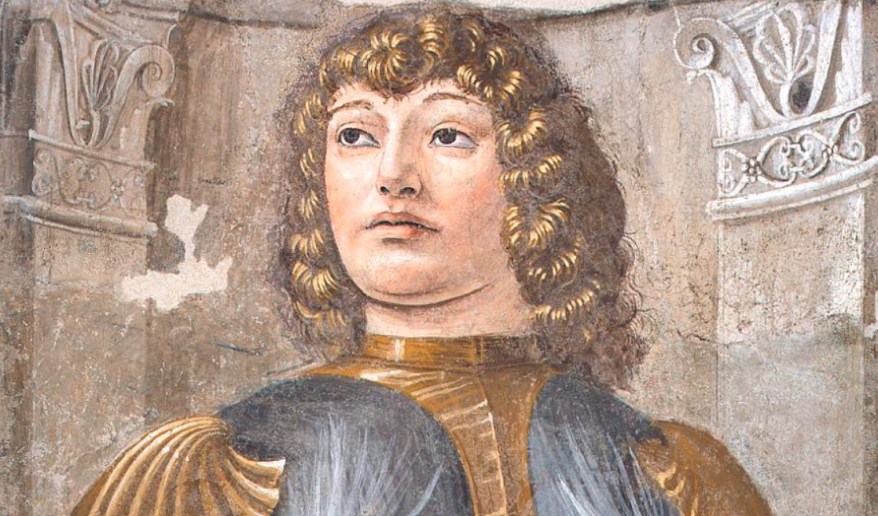
11 aprile 1514: muore Donato Bramante, il genio della scala elicoidale
🇮🇹Era l’11 aprile 1514 quando Donato Bramante morì a Roma. La sua scomparsa non cancellò però le tensioni, le rivalità e i giudizi contrastanti che avevano accompagnato tutta la sua carriera… 🇬🇧It was April 11, 1514, when Donato Bramante died in Rome. His passing, however, did not erase the tensions, rivalries, and conflicting opinions that…
-
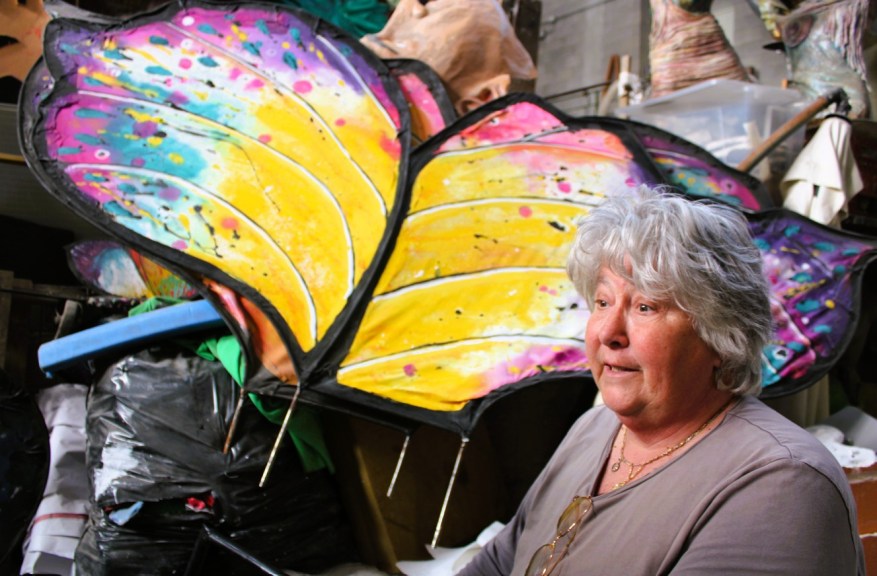
Dentro l’hangar 12 del Carnevale di Viareggio: dove la cartapesta prende vita con Marzia Etna
🇮🇹Ho incontrato Marzia Etna, maestra carrista da 40 anni: mentre racconta, le brillano gli occhi. E capisci subito una cosa: questo non è solo un lavoro, è vita tra carta a calco, ferro e sogni… 🇬🇧I met Marzia Etna, a master float builder for 40 years: her eyes sparkle as she talks. And you immediately…
Condividi:


Questo sono io





sostienici

Sostienici – Support Us
Se questo blog ti piace e ti appassiona, puoi aiutarci a farlo crescere sempre più sostenendoci in modo concreto condividendo i post, seguendo le pagine social e con un contributo che ci aiuta ad andare avanti con il nostro lavoro di divulgazione. . ENGLISH: If you like and are passionate about this blog, you can help us make it grow more and more by supporting us in a concrete way by sharing posts, following social pages and with a contribution that helps us to move forward with our dissemination work.
€10,00


