
Le Opere del Natale: l’Adorazione dei Pastori del Ghirlandaio
L’Opera del Natale che vi propongo oggi è l’Adorazione dei Pastori, dipinta da Domenico Ghirlandaio nel 1487 per la Cappella Sassetti della Basilica di Santa Trinita a Firenze.
In questa scena si vede Maria in primo piano inginocchiata su un prato in fiore in adorazione di suo Figlio, appoggiato direttamente sopra il suo ampio mantello. Il sarcofago romano è stato trasformato in una mangiatoia per il bue e l’asinello, animali che raffigurano rispettivamente gli ebrei e i pagani.
San Giuseppe guarda in lontananza il corteo che sta arrivando mentre sulla destra si vedono tre pastori. In particolare, il pastore che indica con la mano sinistra il Bambino portando l’altra al petto, è Domenico Ghirlandaio che volle in questo modo includersi nel dipinto.

L’Adorazione dei Pastori è la pala d’altare che completa il ciclo di affreschi della cappella che furono commissionati all’artista da Francesco Sassetti. La pala è affiancata dai due committenti, moglie e marito, inginocchiati in preghiera. Ogni singola figura dipinta dal Ghirlandaio ha una sua simbologia e non è mai frutto del caso o un puro estetismo.
Osservate per esempio la sella per gli asini e il baroccio che il Ghirlandaio dipinse sulla sinistra della composizione, appoggiandoli a terra. Alludono al viaggio che Giuseppe e Maria stavano facendo per il censimento mentre i tre sassi che si notano in primo piano sono un riferimento diretto alla famiglia Sassetti che aveva commissionato gli affreschi e la pala d’altare per la propria cappella.
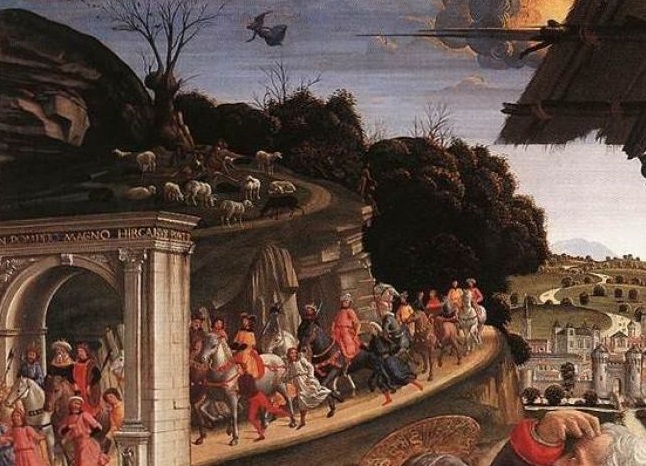
Immancabile il cardellino sopra una mattonella situata fra il sasso grezzo e i due mattoni che simboleggia la Passione di Cristo. Sul fondo del dipinto si vede il corteo dei re Magi che sembra si stiano lasciando l’era pagana alle spalle andando incontro a quella cristiana appena venuta al mondo con il Dio fattosi uomo.

Alle spalle di San Giuseppe si innalza una colona sopra la quale si legge il numero romano la data MCCCCLXXXV, ovvero 1485, anno in cui Domenico Girlandaio dipinse proprio questa pala.
Insolita è la presenza in questa scena di un sarcofago che riporta la profezia pronunciata da Fulvio: da un sarcofago contenenti il corpo di un uomo sorgerà un dio. E’ l’anticipazione del sacrificio e della Resurrezione del Bambino appena venuto al mondo.
Nella cornice della pala d’altare, in alto, si legge la scritta in latino Ipsum quem genuit adoravit Maria cioè Maria adorava colui che aveva generato.
Se vi capiterà di andare a Firenze, non lasciatevi sfuggire l’occasione di andare ad ammirare con i vostri occhi questo capolavoro, ubicato nella Basilica di Santa Trinita a Firenze.
Per il momento il vostro Michelangelo Buonarroti vi saluta dandovi appuntamento ai prossimi post e sui social.
The Works of Christmas: the Adoration of the Shepherds by Ghirlandaio
The Christmas Work that I propose to you today is the Adoration of the Shepherds, painted by Domenico Ghirlandaio in 1487 for the Sassetti Chapel of the Basilica of Santa Trinita in Florence.
In this scene Mary is seen in the foreground kneeling on a flowery meadow in adoration of her Son, leaning directly over her flowing cloak. The Roman sarcophagus was transformed into a manger for the ox and the donkey, animals that represent Jews and pagans respectively.
St. Joseph watches the procession that is arriving in the distance while three shepherds can be seen on the right. In particular, the shepherd who indicates the Child with his left hand bringing the other to his chest is Domenico Ghirlandaio who wanted to be included in the work in this way.
The Adoration of the Shepherds is the altarpiece that completes the cycle of frescoes in the chapel which were commissioned from the artist by Francesco Sassetti. The altarpiece is flanked by the two patrons, wife and husband, kneeling in prayer. Every single figure painted by Ghirlandaio has its own symbology and is never the result of chance or pure aestheticism.
Observe, for example, the saddle for the donkeys and the baroccio that Ghirlandaio painted on the left of the composition, placing them on the ground. They allude to the journey that Giuseppe and Maria were making for the census while the three stones that can be seen in the foreground are a direct reference to the Sassetti family who had commissioned the frescoes and the altarpiece for their chapel.
Unmissable is the goldfinch on a tile located between the rough stone and the two bricks that symbolizes the Passion of Christ. At the bottom of the painting you can see the procession of the Magi who seem to be leaving the pagan era behind, going towards the Christian one who has just come into the world with the God made man.
Behind San Giuseoppe stands a column above which we read the Roman numeral the date MCCCCLXXXV, or 1485, the year in which Domenico Girlandaio painted this very altarpiece.
Unusual is the presence in this scene of a sarcophagus which reports the prophecy pronounced by Fulvio: a god will rise from a sarcophagus containing the body of a man. It is the anticipation of the sacrifice and Resurrection of the Child who has just come into the world.
In the frame of the altarpiece, at the top, we read the Latin inscription Ipsum quem genuit adoravit Maria, that is, Mary adored the one she had generated.
If you happen to go to Florence, don’t miss the opportunity to go and admire this masterpiece with your own eyes, located in the Basilica of Santa Trinita in Florence.
For the moment, your Michelangelo Buonarroti greets you by making an appointment for the next posts and on social media.

Sostienici – Support Us
Se questo blog ti piace e ti appassiona, puoi aiutarci a farlo crescere sempre più sostenendoci in modo concreto condividendo i post, seguendo le pagine social e con un contributo che ci aiuta ad andare avanti con il nostro lavoro di divulgazione. . ENGLISH: If you like and are passionate about this blog, you can help us make it grow more and more by supporting us in a concrete way by sharing posts, following social pages and with a contribution that helps us to move forward with our dissemination work.
5,00 €
-
Mercoledì Santo: il giorno del tradimento di Giuda affrescato da Giotto
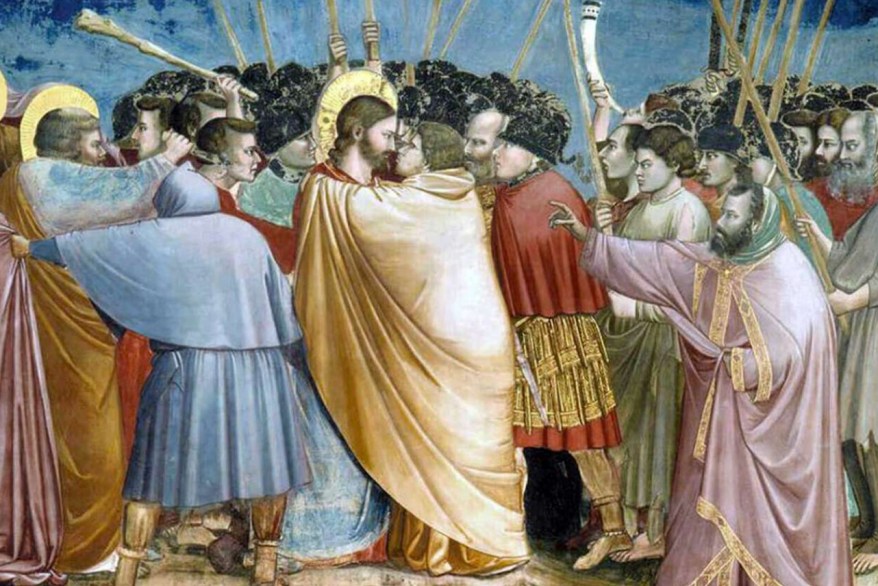
🇮🇹Il Mercoledì Santo è il giorno del silenzio, della riflessione e del tradimento. È il momento in cui Giuda sceglie di vendere Gesù per trenta denari, segnando uno dei passaggi più dolorosi della Settimana Santa…. 🇬🇧Holy Wednesday is a day of silence, reflection, and betrayal. ✝It is the moment when Judas chooses to sell Jesus…
-
31 marzo 1889: inaugurata la Torre Eiffel tra critiche feroci e un destino inaspettato
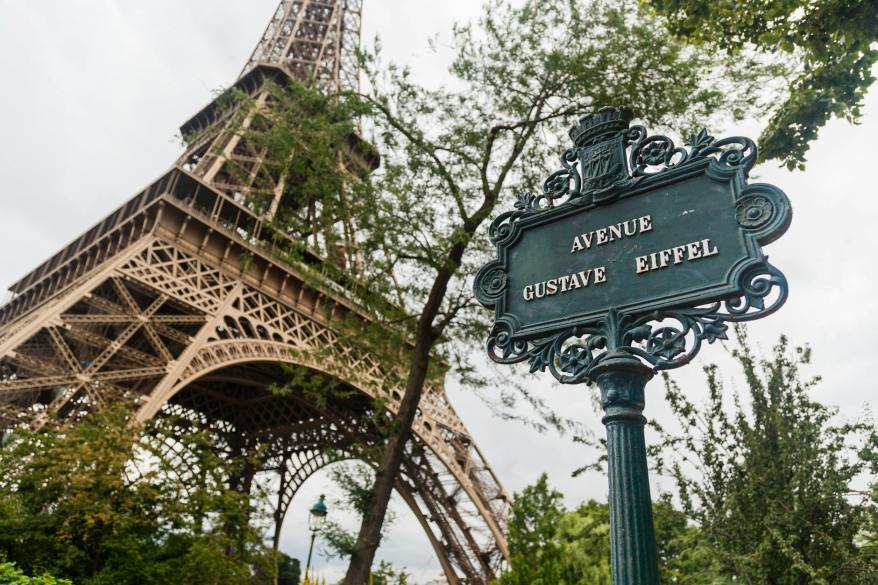
🇮🇹Il 31 marzo 1889 segna una data destinata a cambiare per sempre il volto di Parigi e dell’immaginario collettivo globale: viene inaugurata la Torre Eiffel, l’opera più audace e discussa del suo tempo… 🇬🇧March 31, 1889 marks a date destined to change the face of Paris and the global collective imagination forever: the Eiffel Tower,…
-
Sodoma in mostra a Torino: il Rinascimento al Museo Accorsi-Ometto
🇮🇹Al Museo di Arti Decorative Accorsi-Ometto arriva una mostra dedicata al Sodoma: oltre 50 opere, alcune mai viste prima, raccontano la formazione dell’artista e il suo dialogo con maestri come Pinturicchio… 🇬🇧An exhibition dedicated to Sodoma arrives at the Accorsi-Ometto Museum of Decorative Arts: over 50 works, some never before seen, recount the artist’s development…
Condividi:


Questo sono io





sostienici

Sostienici – Support Us
Se questo blog ti piace e ti appassiona, puoi aiutarci a farlo crescere sempre più sostenendoci in modo concreto condividendo i post, seguendo le pagine social e con un contributo che ci aiuta ad andare avanti con il nostro lavoro di divulgazione. . ENGLISH: If you like and are passionate about this blog, you can help us make it grow more and more by supporting us in a concrete way by sharing posts, following social pages and with a contribution that helps us to move forward with our dissemination work.
€10,00


opere semplicemente straordinarie!! Tanti Auguri di buon Natale 🎄🎄🎄🎄🎄🎄🎄👏👏👍😉
"Mi piace""Mi piace"
Buon Natale, Maestro ! ❤️🌟🎄
"Mi piace""Mi piace"