
Le Opere del Natale: l’Adorazione dei Pastori di Matthias Stomer
L’Opera del Natale che vi propongo oggi è un olio su tela di Matthias Stomer che raffigura l’Adorazione dei Pastori. Un dipinto a lume di notte che fu realizzato dal pittore originario dei Paesi Bassi.
Stomer è uno dei numerosi artisti arrivati a Roma nel Seicento dal nord Europa per ammirare da vicino le opere del Caravaggio dopo aver imparato i primi rudimenti forse da Van Honthorst.
Stomer trascorse un primo periodo nella città eterna per poi trasferirsi a Napoli dal 1633 fino al 1639 e poi in Sicilia, rimanendo lì fino a metà del secolo.
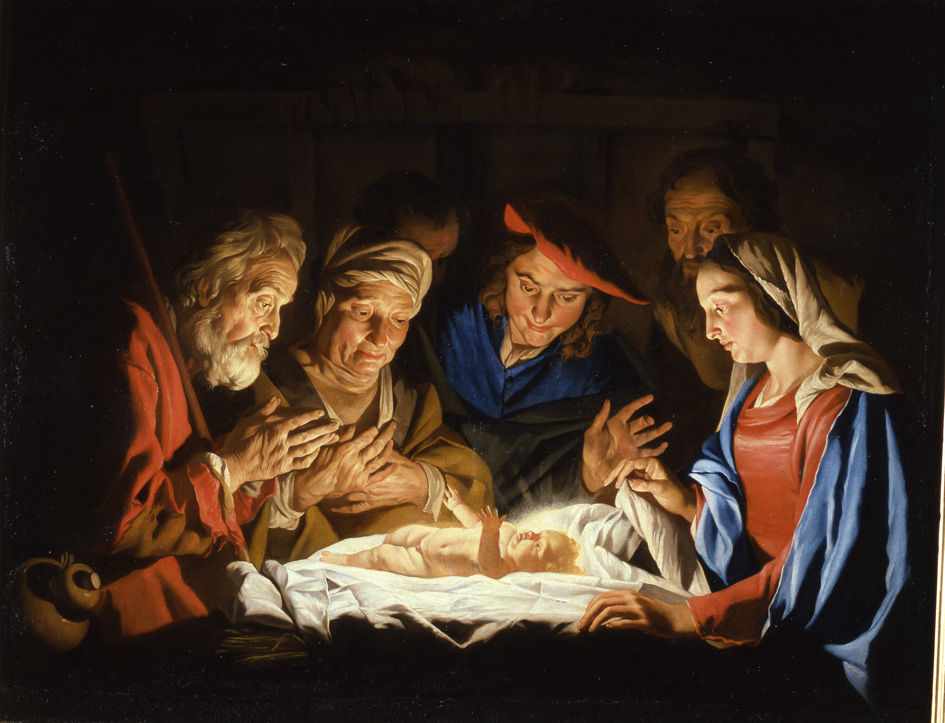
Esistono ben otto versioni differenti dell’Adorazione dei Pastori dipinte da Stomer e questa che vi propongo è quella che si trova al Museo di Palazzo Madama di Torino.
La luce entra nella scena con la nascita di Gesù Bambino: è lui la lucerna della salvezza per gli uomini sulla terra ed è lui che irradia un potentissimo bagliore capace di squarciare il buio della notte.
La Madonna guarda assorta suo Figlio e con la mano destra solleva un lembo di lenzuolo con l’intento di coprirlo. Giuseppe si trova in secondo piano, parzialmente coperto da Maria. Le fisionomie di tutti i personaggi presenti sono prese direttamente dalla vita quotidiana.
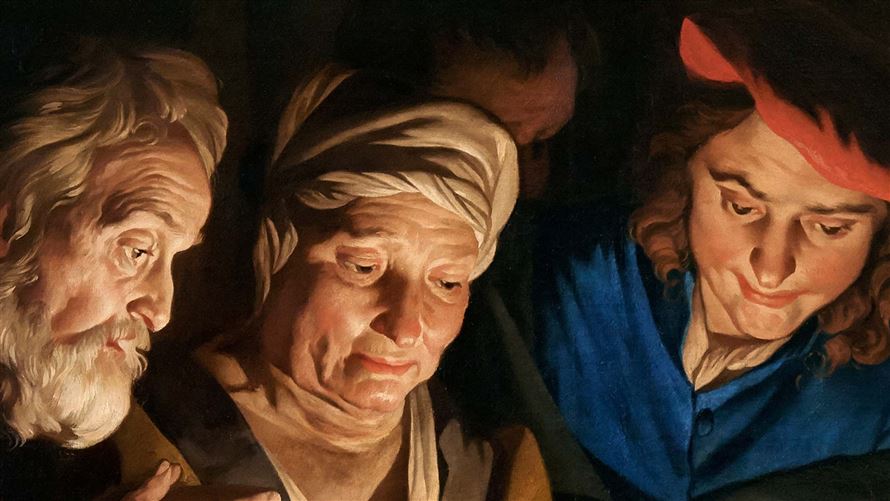
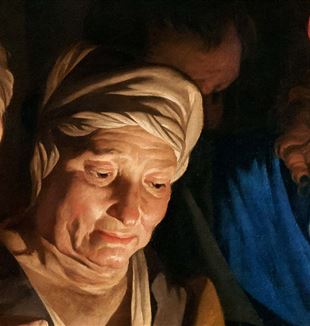
Non sono volti idealizzati ma erano quelli che probabilmente il pittore Stomer aveva conosciuto in strada, imparando dal Caravaggio a ritrarre persone vere senza stravolgere i loro tratti ed evitando di renderli più poetici di quelli che realmente erano.
Le mani dei personaggi sono bene in evidenza e sembra creino una sorta di corona di adorazione attorno a Gesù Bambino. Anche in questo caso sono mani di lavoratori, mani consumate dal tempo e dalla fatica.
Per il momento il vostro Michelangelo Buonarroti vi saluta dandovi appuntamento ai prossimi post e sui social.

The Works of Christmas: Adoration of the Shepherds by Matthias Stomer
The Work of Christmas that I propose to you today is an oil painting on canvas by Matthias Stomer that depicts the Adoration of the Shepherds. A night light painting that was made by the painter from the Netherlands.
Stomer is one of the many artists who came to Rome in the seventeenth century from northern Europe to admire the works of Caravaggio up close after having learned the rudiments perhaps from Van Honthorst.
After spending a period in the Eternal City, Stomer first moved to Naples from 1633 until 1639 and then went to Sicily, remaining there until the middle of the century.
There are eight different versions of the Adoration of the Shepherds painted by Stomer and this one that I propose is the one found in the Museum of Palazzo Madama in Turin.
The light enters the scene with the birth of the Child Jesus: he is the lamp of salvation for men on earth and it is he who radiates a very powerful glow capable of piercing the darkness of the night.
Our Lady looks absorbed at her Son of her and with her right hand raises a piece of sheet with the intention of covering it. Joseph is in the background, partially covered by Mary. The faces of all the characters present are taken directly from everyday life. They are not idealized faces but they were those that probably the painter Stomer had met on the street, learning from Caravaggio to portray real people without distorting their features and avoiding making them more poetic than they really were.
The hands of the characters are well highlighted and seem to create a sort of crown of adoration around the Child Jesus. Also in this case they are the hands of workers, hands consumed by time and effort.
For the moment, your Michelangelo Buonarroti greets you by giving you an appointment at the next posts and on social networks.

Sostienici – Support Us
Se questo blog ti piace e ti appassiona, puoi aiutarci a farlo crescere sempre più sostenendoci in modo concreto condividendo i post, seguendo le pagine social e con un contributo che ci aiuta ad andare avanti con il nostro lavoro di divulgazione. . ENGLISH: If you like and are passionate about this blog, you can help us make it grow more and more by supporting us in a concrete way by sharing posts, following social pages and with a contribution that helps us to move forward with our dissemination work.
5,00 €
-
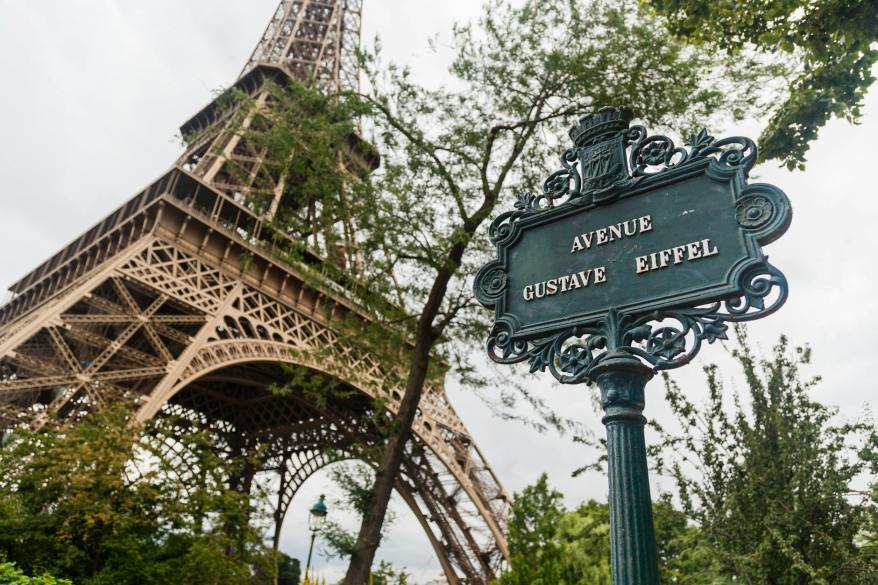
31 marzo 1889: inaugurata la Torre Eiffel tra critiche feroci e un destino inaspettato
🇮🇹Il 31 marzo 1889 segna una data destinata a cambiare per sempre il volto di Parigi e dell’immaginario collettivo globale: viene inaugurata la Torre Eiffel, l’opera più audace e discussa del suo tempo… 🇬🇧March 31, 1889 marks a date destined to change the face of Paris and the global collective imagination forever: the Eiffel Tower,…
-
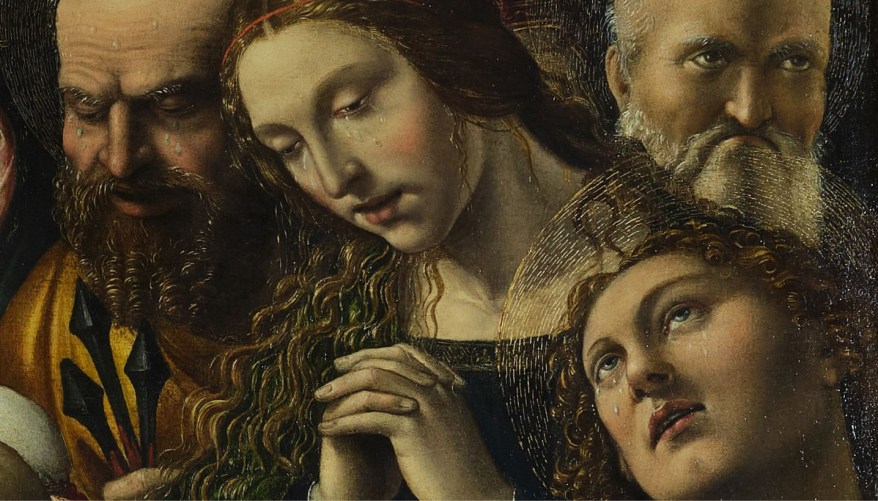
Sodoma in mostra a Torino: il Rinascimento al Museo Accorsi-Ometto
🇮🇹Al Museo di Arti Decorative Accorsi-Ometto arriva una mostra dedicata al Sodoma: oltre 50 opere, alcune mai viste prima, raccontano la formazione dell’artista e il suo dialogo con maestri come Pinturicchio… 🇬🇧An exhibition dedicated to Sodoma arrives at the Accorsi-Ometto Museum of Decorative Arts: over 50 works, some never before seen, recount the artist’s development…
-
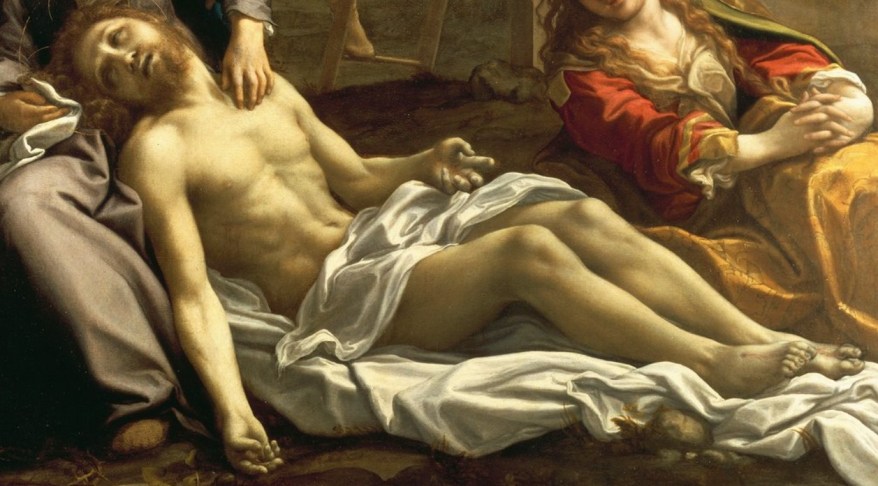
Il Compianto sul Cristo morto di Correggio: pathos e devozione
🇮🇹Con l’inizio della Settimana Santa, vi propongo il Compianto sul Cristo morto di Antonio Allegri, più noto come il Correggio: uno dei vertici assoluti della pittura emiliana del Cinquecento… 🇬🇧With the beginning of Holy Week, I propose the Lamentation over the Dead Christ by Antonio Allegri, better known as Correggio: one of the absolute peaks…
Condividi:


Questo sono io





sostienici

Sostienici – Support Us
Se questo blog ti piace e ti appassiona, puoi aiutarci a farlo crescere sempre più sostenendoci in modo concreto condividendo i post, seguendo le pagine social e con un contributo che ci aiuta ad andare avanti con il nostro lavoro di divulgazione. . ENGLISH: If you like and are passionate about this blog, you can help us make it grow more and more by supporting us in a concrete way by sharing posts, following social pages and with a contribution that helps us to move forward with our dissemination work.
€10,00


