

Cittadino di Roma
Lo sapete che ero anche cittadino di Roma? Ebbene sì.
Come sapete nacqui in quel di Caprese il lontano 6 marzo del 1475. La mia famiglia s’era trasferita lì da Firenze perché il mi babbo qualche mese prima era stato nominato podestà di Caprese e Chiusi: un incarico che durava sei mesi.
Come diventai dunque pure cittadino di Roma? Ora ve lo racconto perbenino.
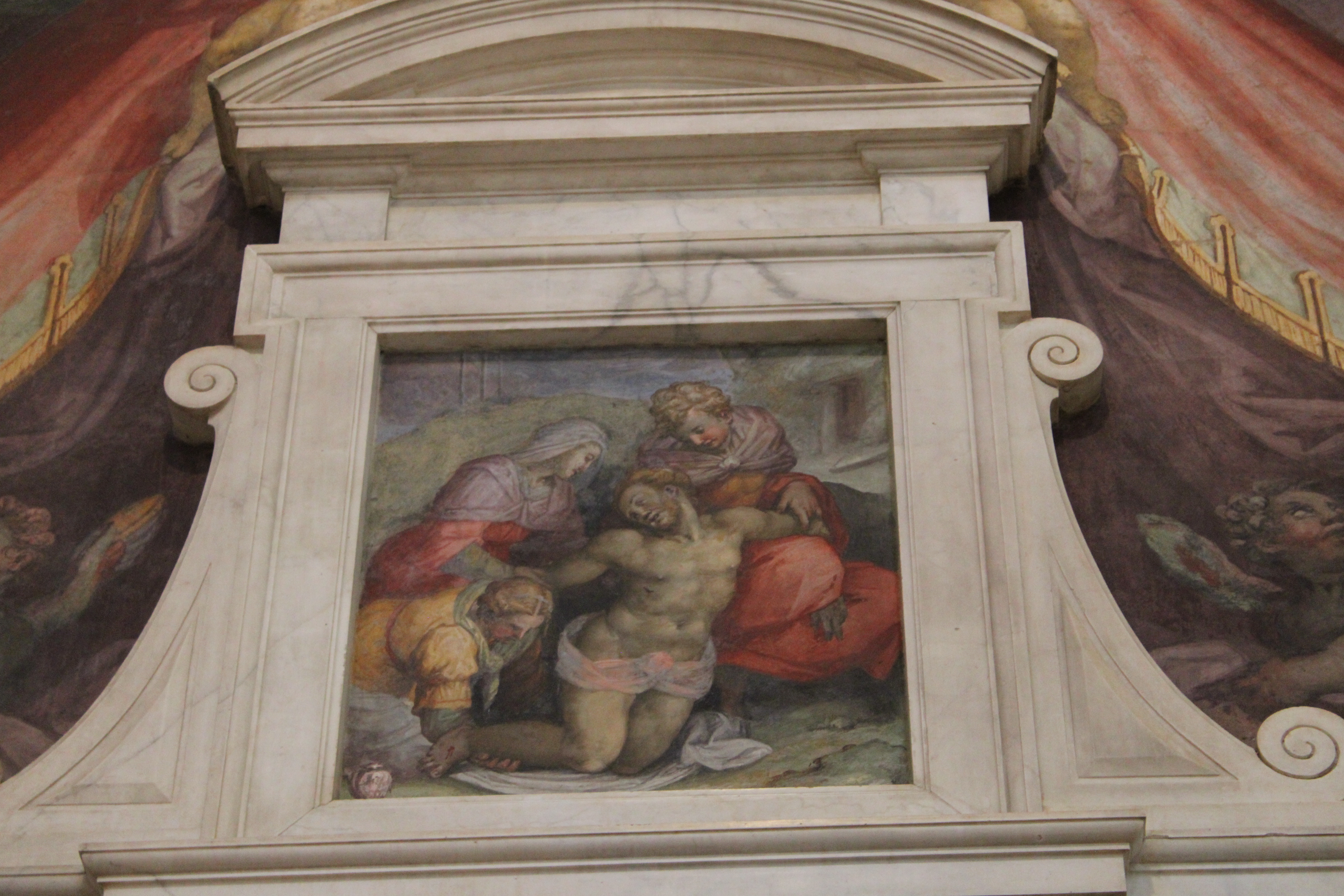
Nel 1534 partii per l’ultima volta da Firenze alla volta di Roma. Probabilmente in quel momento non ero consapevole che quella sarebbe stata l’ultima volta che avrei visto la mia città ma così fu. Non tornai più se non da morto stecchito.
Da quel momento in poi iniziai a essere insignito di diversi titoli nella città eterna. Un anno dopo, nel 1535, fui nominato Supremo Architetto, scultore e pittore del Palazzo Apostolico mentre il primo giorno di gennaio del 1549, papa Paolo III Farnese mi nominò Commissario Superiore e Architetto di San Pietro, un’importante carica che poi mi fu confermata anche dai suoi successori.
In mezzo a queste due nomine, nel 1537, venni insignito con la qualifica di cittadino di Roma. In effetti, come accennato prima, poi da lì non mi mossi più o meglio, qualche volta uscii pure da Roma ma per spostamenti non troppo lunghi come quella volta che provai a dirigermi alla volta di Loreto nell’ottobre del 1556, ma poi dovetti arrendermi.
E’ vero che ero in là con gli anni ma la sveltezza delle gambe ancora andava di pari passo con quella della mente.
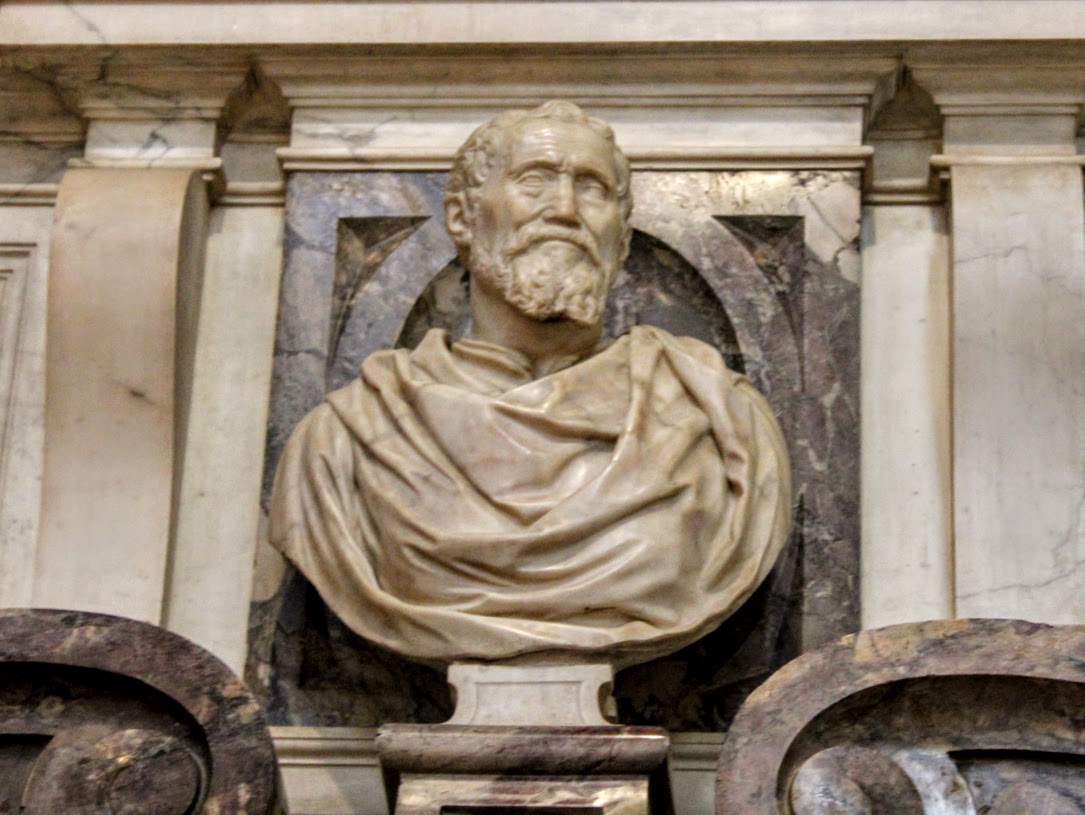
In quel frangente avevo ottantuno anni. In un periodo in cui i lavori per la fabbrica di San Pietro procedevano a rilento, partii in pellegrinaggio. Arrivato a Spoleto mi fermai per riposare: ero assai stanco.
Avrei anche proseguito se non m’avesse raggiunto un messo del papa per dirmi che dovevo tornare indietro. Per non disubbidire tornai a Roma ma mi dispiacque assai non poter raggiungere la meta che m’ero prefissato: ci tenevo parecchio.
Per il momento il vostro Michelangelo Buonarroti vi saluta dandovi appuntamento ai prossimi post e sui social.
Citizen of Rome
Do you know that I was also a citizen of Rome? Well yes.
As you know, I was born in Caprese on March 6, 1475. My family had moved there from Florence because my father had been appointed podestà of Caprese and Chiusi a few months earlier: a post that lasted six months.
How then did I also become a citizen of Rome? Now I’ll tell you about it properly.
In 1534 I left for the last time from Florence to go to Rome. Probably at that moment I was not aware that this would be the last time I would see my city, but it did. I never came back except as a dead man.
From that moment on I began to be awarded various titles in the Eternal City. A year later, in 1535, I was appointed Supreme Architect, sculptor and painter of the Apostolic Palace while on the first day of January 1549, Pope Paul III Farnese appointed me Superior Commissioner and Architect of San Pietro, an important position which was later confirmed to me even by his successors.
In the midst of these two appointments, in 1537, I was awarded the title of citizen of Rome. In fact, as mentioned before, then from there I did not move more or better, sometimes I even went out of Rome but for not too long journeys like that time I tried to head for Loreto in October 1556, but then I had to give up. . It is true that I was over the years but the speed of the legs still went hand in hand with that of the mind.
I was eighty-one at the time. At a time when work on the San Pietro factory was proceeding slowly, I set out on a pilgrimage. When I arrived in Spoleto I stopped to rest: I was very tired. I would also have continued if an envoy of the pope had not reached me to tell me that I had to go back. In order not to disobey, I returned to Rome but I was very sorry not to be able to reach the goal I had set for myself: I was very keen.
For the moment, your Michelangelo Buonarroti greets you by giving you an appointment at the next posts and on social networks.

Sostienici – Support Us
Se questo blog ti piace e ti appassiona, puoi aiutarci a farlo crescere sempre più sostenendoci in modo concreto condividendo i post, seguendo le pagine social e con un contributo che ci aiuta ad andare avanti con il nostro lavoro di divulgazione. . ENGLISH: If you like and are passionate about this blog, you can help us make it grow more and more by supporting us in a concrete way by sharing posts, following social pages and with a contribution that helps us to move forward with our dissemination work.
5,00 €
-
Bernini, Van Dyck e Tintoretto: la primavera 2026 è la stagione dei capolavori
🇮🇹La primavera 2026 in Italia non è mai stata così piena di arte e di scuse perfette per viaggiare. Da Mark Rothko a Firenze, al Barocco spettacolare di Gian Lorenzo Bernini a Roma, fino ai capolavori di Tintoretto in arrivo a La Spezia ma anche Van Dyck a Genova, Leonardo a Torino, Vasari a Roma,…
-
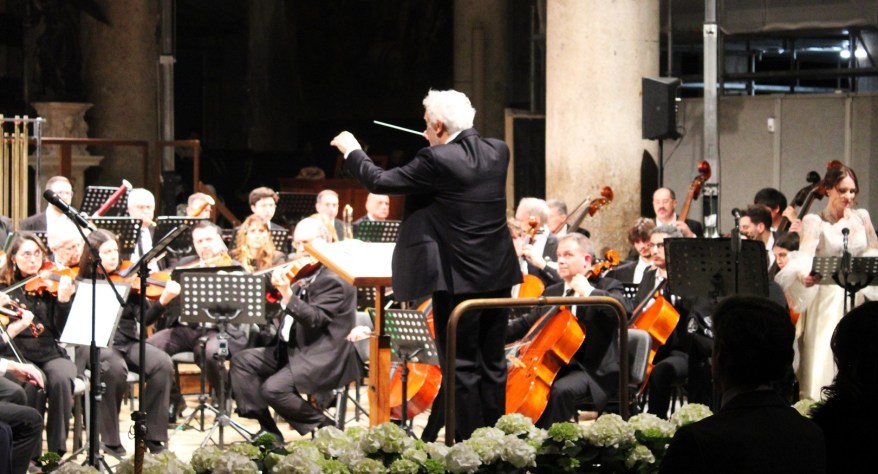
Duomo di Pisa: Piovani ferma il tempo sotto la cupola e commuove 600 spettatori
🇮🇹Sotto la cupola del Duomo di Pisa, 600 persone in silenzio hanno vissuto un’emozione rara. Il concerto di Nicola Piovani è stato molto più di musica: un viaggio tra arte, storia e umanità… 🇬🇧 Beneath the dome of Pisa Cathedral, 600 people silently experienced a rare emotion. Nicola Piovani’s concert was much more than music:…
-
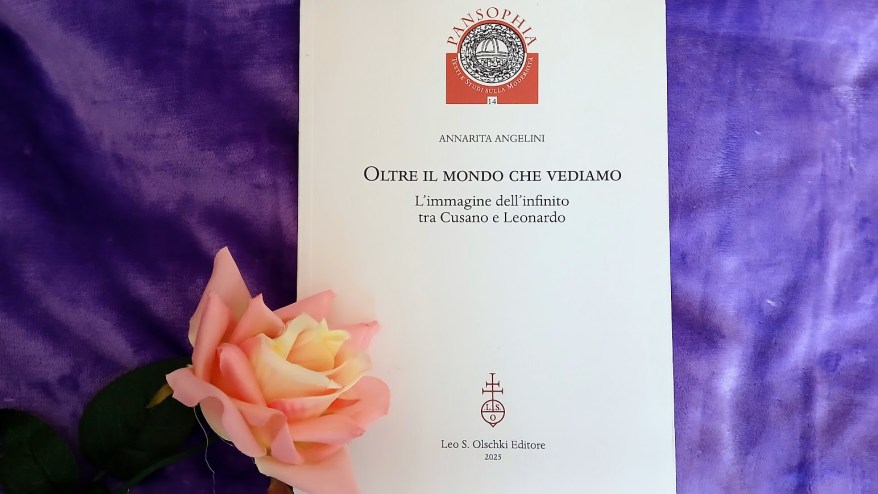
Quando la pittura diventa filosofia: il viaggio nell’infinito di Cusano e Leonardo
Il libro che voglio proporvi oggi è il saggio scritto da Annarita Angelini dal titolo ‘Oltre il mondo che vediamo. L’immagine dell’infinito tra Cusano e Leonardo’, pubblicato da Olschki Editore….
Condividi:


Questo sono io





sostienici

Sostienici – Support Us
Se questo blog ti piace e ti appassiona, puoi aiutarci a farlo crescere sempre più sostenendoci in modo concreto condividendo i post, seguendo le pagine social e con un contributo che ci aiuta ad andare avanti con il nostro lavoro di divulgazione. . ENGLISH: If you like and are passionate about this blog, you can help us make it grow more and more by supporting us in a concrete way by sharing posts, following social pages and with a contribution that helps us to move forward with our dissemination work.
€10,00


