

Cosimo I disarcionato: che abbia inizio il restauro
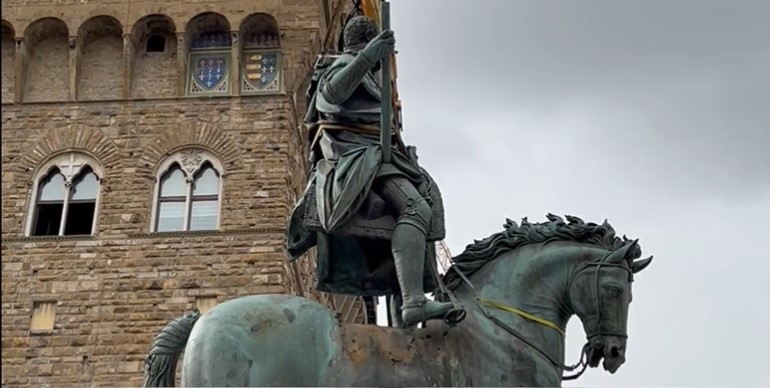
Questa mattina Cosimo I è stato fatto scendere con una gru dal suo nobile destriero che da anni ne sopporta il peso. L’operazione ha richiesto un po’ di tempo per essere portata a termine e l’utilizzo di una gru che dopo aver sollevato il granduca, lo ha posizionato sopra un supporto in legno.
Cavallo e cavaliere sono destinati a tornare assieme dopo il restauro che interesserà entrambi fino a marzo, mese in cui è previsto il termine dei lavori.
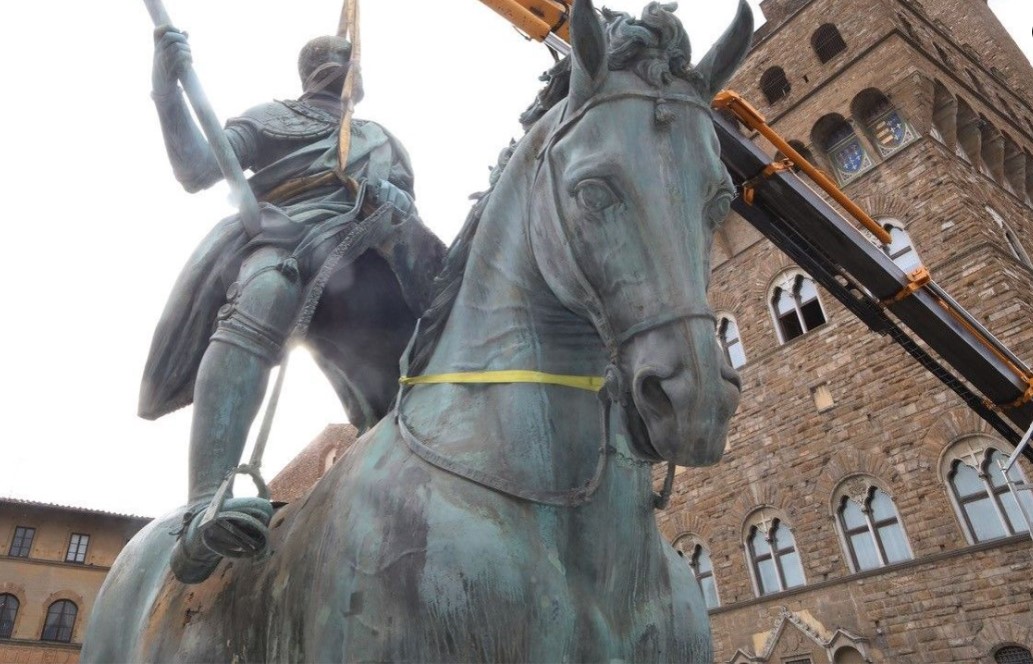
Per realizzare la più grande scultura in bronzo che mai fosse stata ultimata in città affidatagli da il figlio di Cosimo I, il Giambologna dovette creare una fonderia di grandi dimensioni, capace di accogliere tanta maestosità. Prese probabilmente ispirazione dal monumento equestre del Gattamelata di Donatello che si trova a Padova ma anche dalla testa di cavallo ellenistica appartenente alle collezioni medicee, oggi al Museo Archeologico di Firenze.
Per finire l’opera il Giambologna impiegò dodici anni se si considerano anche i bassorilievi con le storie del Granduca posizionate sul basamento. Il cavallo fu realizzato con una sola gittata: impresa assai ardita dal risultato però eccellente.
L’ultima volta che Cosimo I de’ Medici scese da cavallo fu durante la Seconda Guerra Mondiale quando l’opera fu smontata e ricoverata in un luogo più sicuro per evitare che i bombardamenti potessero distruggerla o comunque danneggiarla gravemente.
I lavori saranno seguiti da Maria Maugeri, funzionaria della Soprintendenza Archeologica di Belle Arti e del Paesaggio ed eseguiti dalla Cooperativa Archeologia mediante i restauratori Nicola Salvoli e Stefano Landi con il supporto del Consiglio Nazionale delle Ricerche per quel che riguarda le indagini diagnostiche.
Il restauro dell’opera del Giambologna interesserà anche l’interno del cavallo che al di sotto della sella presenta una cavità. L’intervento sarà finanziato dalla maison fiorentina Salvatore Ferragamo che mediante Art Bonus ha elargito più di un milione di euro.
Per il momento il vostro Michelangelo Buonarroti vi saluta dandovi appuntamento ai prossimi post e sui social.
Cosimo I unsaddled: let the restoration begin
This morning Cosimo I was made to get off with a crane from his noble steed that for years has borne its weight. The operation took some time to complete and the use of a crane which, after lifting the Grand Duke, placed him on a wooden support.
Horse and rider are destined to get back together after the restoration that will affect both until March, the month in which the work is expected to end.
To create the largest bronze sculpture that had ever been completed in the city entrusted to him by the son of Cosimo I, Giambologna had to create a large foundry, capable of accommodating such majesty. He was probably inspired by the equestrian monument of Donatello’s Gattamelata which is located in Padua but also by the Hellenistic horse’s head belonging to the Medici collections, now in the Archaeological Museum of Florence.
Giambologna took twelve years to finish the work if we also consider the bas-reliefs with the stories of the Grand Duke positioned on the base. The horse was made with a single throw: a very daring undertaking but with an excellent result.
The last time Cosimo I de ‘Medici got off his horse was during the Second World War when the work was disassembled and taken to a safer place to prevent the bombing from destroying it or otherwise seriously damaging it.
The work will be supervised by Maria Maugeri, an official of the Archaeological Superintendence of Fine Arts and Landscape and carried out by the Archeology Cooperative through the restorers Nicola Salvoli and Stefano Landi with the support of the National Research Council for what concerns the diagnostic investigations.
The restoration of Giambologna’s work will also affect the inside of the horse which has a cavity under the saddle. The intervention will be financed by the Florentine maison Salvatore Ferragamo which through Art Bonus has donated more than one million euros.
For the moment, your Michelangelo Buonarroti greets you by giving you an appointment at the next posts and on social networks.

Sostienici – Support Us
Se questo blog ti piace e ti appassiona, puoi aiutarci a farlo crescere sempre più sostenendoci in modo concreto condividendo i post, seguendo le pagine social e con un contributo che ci aiuta ad andare avanti con il nostro lavoro di divulgazione. . ENGLISH: If you like and are passionate about this blog, you can help us make it grow more and more by supporting us in a concrete way by sharing posts, following social pages and with a contribution that helps us to move forward with our dissemination work.
5,00 €
-
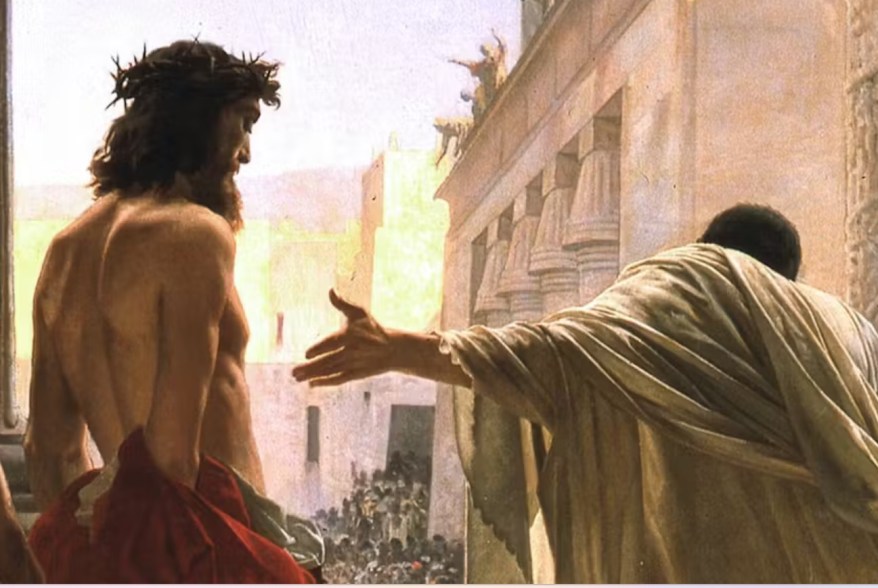
Venerdì Santo: gli “Ecce Homo” più intensi della storia dell’arte
🇮🇹Ecce Homo. Da Antonello da Messina a Tintoretto, fino al sorprendente capolavoro di Antonio Ciseri, questo soggetto ha attraversato i secoli raccontando dolore, umanità e coscienza… 🇬🇧Ecce Homo. From Antonello da Messina to Tintoretto, to Antonio Ciseri’s astonishing masterpiece, this subject has spanned the centuries, recounting pain, humanity, and conscience…
-
Attacco hacker agli Uffizi: rubati dati sensibili, mappe e codici di sicurezza
🇮🇹Attacco hacker alle Gallerie degli Uffizi: rubati dati sensibili, mappe e sistemi di sicurezza. A rischio opere, archivi e cybersicurezza del patrimonio artistico… 🇬🇧Hacker attack on the Uffizi Galleries: sensitive data, maps, and security systems stolen. Works of art, archives, and the cybersecurity of the artistic heritage are at risk…
-
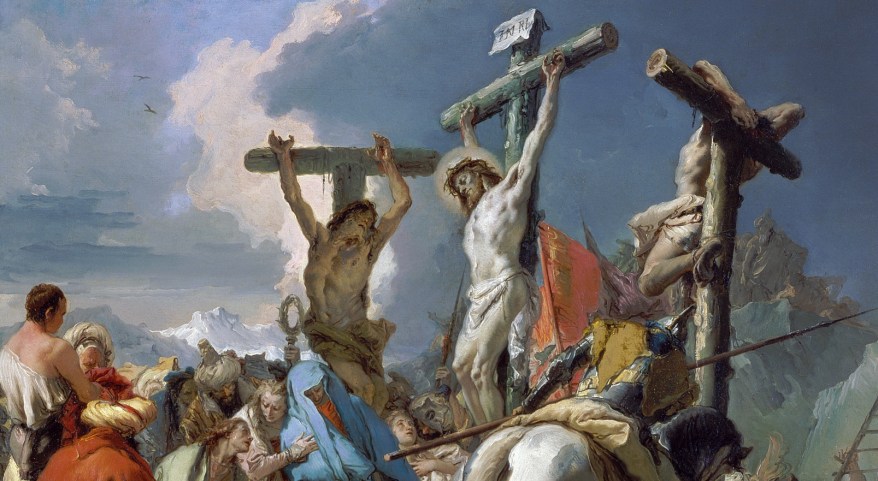
Venerdì Santo: la Crocifissione secondo Tiepolo
🇮🇹Nel giorno del Venerdì Santo, c’è un’opera che riesce ancora a scuotere lo sguardo. La Crocifissione di Giambattista Tiepolo non è come le altre: niente simmetrie perfette, niente distanza. Qui si entra dentro la scena, da un punto di vista obliquo, tra movimento, tensione e umanità… 🇬🇧On Good Friday, there’s a work that still manages…
Condividi:


Questo sono io





sostienici

Sostienici – Support Us
Se questo blog ti piace e ti appassiona, puoi aiutarci a farlo crescere sempre più sostenendoci in modo concreto condividendo i post, seguendo le pagine social e con un contributo che ci aiuta ad andare avanti con il nostro lavoro di divulgazione. . ENGLISH: If you like and are passionate about this blog, you can help us make it grow more and more by supporting us in a concrete way by sharing posts, following social pages and with a contribution that helps us to move forward with our dissemination work.
€10,00


