

Fino ai limiti del possibile: il non finito
Il non finito che caratterizza diverse opere mie fa discutere da secoli. Che sia stato una scelta artistica ben precisa oppure che sia stato un vero e proprio abbandono dei lavori in corso per sopraggiunti impegni, ancora oggi rimane qualcosa di sospeso e che continua a far dibattere.
A seguire vi propongo un’interessante considerazione in merito del celebre storico dell’arte britannico John Pope-Hennessy, scomparso ahimè nel 1994.

Le cause specifiche per l’interruzione del lavoro sono numerose quasi quanto le sculture stesse. A volte lo scultore (io) era scontento del marmo, a volte aveva danneggiato il blocco in un momento di esasperazione ì, a volte era in contrasto con chi gli aveva allogato l’opera, a volte era insofferente del soggetto che doveva rappresentare.
Proprio perché la varietà delle cause apparenti è tanta, dobbiamo vedervi una proiezione della sua indole creativa, l’espressione de suo temperamento di scultore. Michelangelo lavorava fino al limite del possibile più di qualsiasi altro artista. In ognuna delle sue sculture egli si proponeva, fin dall’inizio, un problema artistico, e il suo interesse scemava quando la loro formulazione era giunta a un punto in cui la soluzione non era più passibile di incertezze. La sua passione era il problema, non l’opera compiuta.
Dalle considerazioni di Pope pubblicate nel volume Renaissance and Baroque Sculpture

Up to the limits of the possible: the unfinished
The unfinished character that characterizes several of my works has been debated for centuries. Whether it was a very specific artistic choice or whether it was a real abandonment of the work in progress due to unexpected commitments, something still remains suspended and continues to be debated today.
Below I propose an interesting consideration regarding the famous British art historian John Pope-Hennessy, who died alas in 1994.
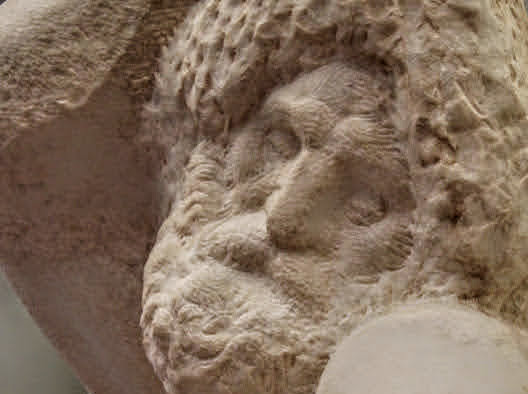
The specific causes for the interruption of the work are almost as numerous as the sculptures themselves. Sometimes the sculptor (me) was unhappy with the marble, sometimes he had damaged the block in a moment of exasperation, sometimes he was in contrast with the person who had entrusted the work to him, sometimes he was intolerant of the subject he had to represent.
Precisely because the variety of apparent causes is so great, we must see in it a projection of his creative nature, the expression of his temperament as a sculptor. Michelangelo worked to the limit of the possible more than any other artist. In each of his sculptures he posed, from the beginning, an artistic problem, and his interest diminished when their formulation had reached a point where the solution was no longer open to uncertainty. His passion was the problem, not the finished work.
Pope’s considerations in the book Renaissance and Baroque Sculpture
For the moment, your Michelangelo Buonarroti greets you by giving you an appointment at the next posts and on social networks.

Sostienici – Support Us
Se questo blog ti piace e ti appassiona, puoi aiutarci a farlo crescere sempre più sostenendoci in modo concreto condividendo i post, seguendo le pagine social e con un contributo che ci aiuta ad andare avanti con il nostro lavoro di divulgazione. . ENGLISH: If you like and are passionate about this blog, you can help us make it grow more and more by supporting us in a concrete way by sharing posts, following social pages and with a contribution that helps us to move forward with our dissemination work.
5,00 €
-

La Natività mistica di Botticelli: il significato nascosto del dipinto più enigmatico del Natale
🇮🇹Angeli danzanti, demoni in fuga e una profezia apocalittica: scopri che cosa si nasconde nella Natività mistica di Sandro Botticelli, il dipinto che trasforma la nascita di Gesù in un messaggio di speranza per un mondo in crisi… 🇬🇧Dancing angels, fleeing demons, and an apocalyptic prophecy: discover what lies hidden in Sandro Botticelli’s *Mystic Nativity*,…
-
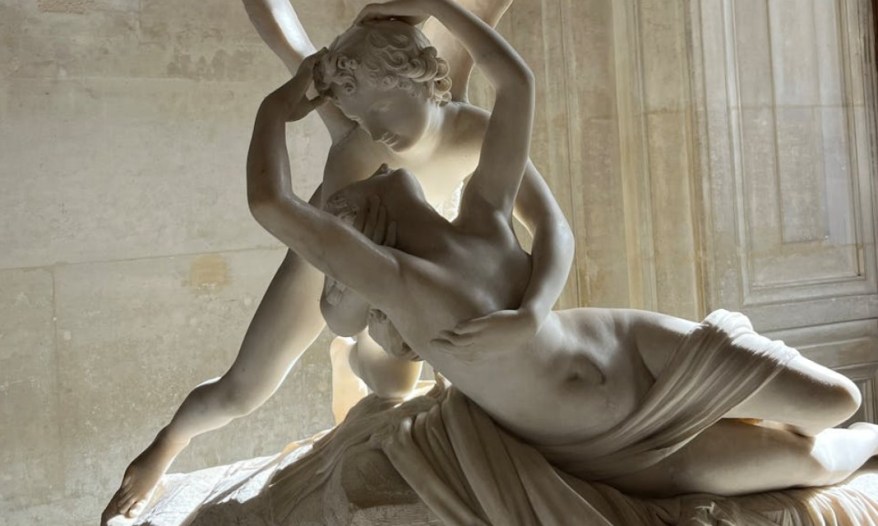
Antonio Canova, 13 ottobre 1822: muore lo scultore che diede vita al marmo
🇮🇹Il 13 ottobre 1822 moriva Antonio Canova. Scopri la vita, i capolavori, il rapporto con Napoleone e la missione per recuperare le opere d’arte italiane… 🇬🇧Antonio Canova died on October 13, 1822. Discover his life, his masterpieces, his relationship with Napoleon, and his mission to recover Italian works of art…
-
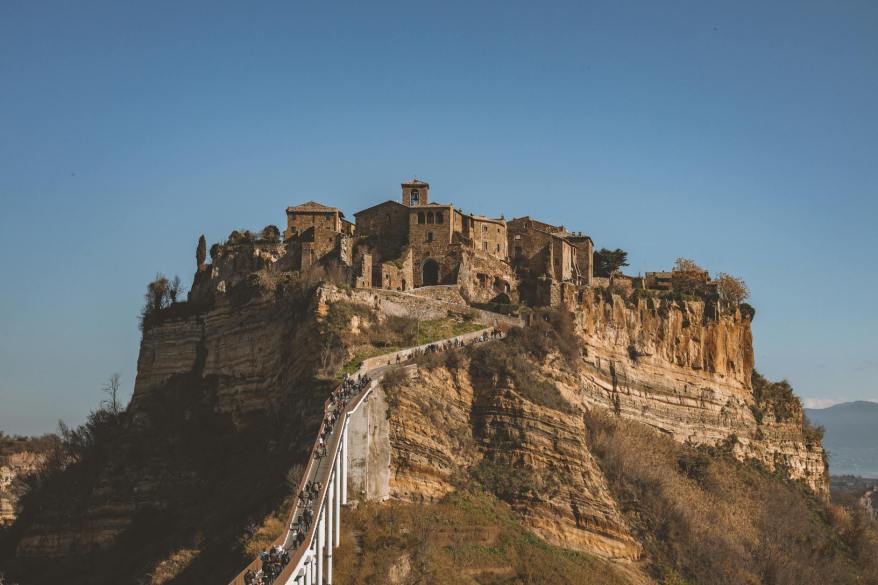
Civita di Bagnoregio e Bolsena Capitale italiana dell’Arte contemporanea 2028
🇮🇹Civita di Bagnoregio e Bolsena sono Capitale italiana dell’Arte contemporanea 2028 con il progetto Arte che viene, arte che va. Ecco cosa prevede… 🇬🇧Civita di Bagnoregio and Bolsena have been named the Italian Capital of Contemporary Art for 2028 with the project *Arte che viene, arte che va* (Art That Comes, Art That Goes). Here…
Condividi:


Questo sono io




sostienici

Sostienici – Support Us
Se questo blog ti piace e ti appassiona, puoi aiutarci a farlo crescere sempre più sostenendoci in modo concreto condividendo i post, seguendo le pagine social e con un contributo che ci aiuta ad andare avanti con il nostro lavoro di divulgazione. . ENGLISH: If you like and are passionate about this blog, you can help us make it grow more and more by supporting us in a concrete way by sharing posts, following social pages and with a contribution that helps us to move forward with our dissemination work.
€10,00


Secondo me interrompeva il lavoro quando si accorgeva che non poteva arrivare alla perfezione che si era proposto, a causa di imperfezioni della pietra o di incidenti capitati mentre lavorava.
"Mi piace""Mi piace"
L’ha ripubblicato su Pittura1arte2disegno3 Community Artistica Culturalee ha commentato:
COMMUNITY ARTISTICA CULTURALE”IL NOSTRO IMMENSO PATRIMONIO ARTISTICO CULTURALE” sempre connesso in ARTE.IT online MAPPARE L’ARTE IN ITALIA: ESORTO A SEGUIRE in connessione con MEWE QUI COMMUNITY ARTISTICA CULTURALE connessa in 6 pagine celebrative EVENTI – *MICHELANGELO ARTISTA DI DIO* MICHELANGELO BUONARROTI 1475+1564 *GENIO DELL’ALTO-RINASCIMENTO ITALIANO UNIVERSALE* e *DANIELE DA VOLTERRA* 1509 VOLTERRA, PISA,TOSCANA +4 APRILE 1566 ROMA,LAZIO *CELEBRAZIONI ANNIVERSARI* Buona navigazione, pittrice artistica @susannagalbarini in Sito aggiornato *PITTURARTISTICA 40° ANNIVERSARIO*
"Mi piace""Mi piace"