
Gli elmi
Gli elmi zoomorfi, con forme assai fantasiose erano tema ricorrente nel disegni, nella pittura e nella scultura del Quattrocento. Basta pensare a quelli più noti di Leonardo da Vinci e dal suo maestro, il Verrocchio.
Sebbene ebbi illustri predecessori nell’arte di rappresentare elmi, più che ai loro preziosi modelli mi lasciai ispirare dall’arte antica.
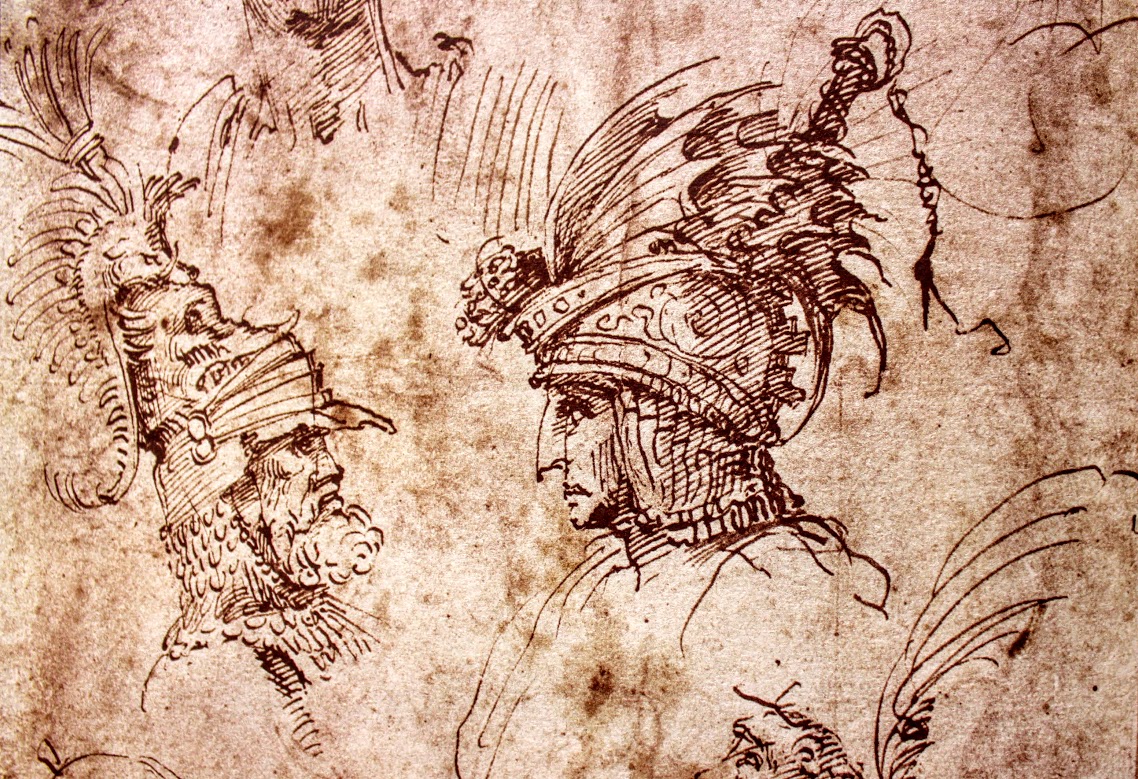
Cimentandomi nella rappresentazione di elmi complessi, presi a modello quelli un po’ più sobri anche se utilizzare la parola sobrietà in un contesto fatto di teste di drago, ali di pipistrello, scimmie e pennacchi pare bizzarro.
Nelle raffigurazioni antiche degli elmi zoomorfi, non erano previsti fronzoli accessori né il lato ironico che invece affrontò Leonardo. Ne è un mirabile esempio la testa di Ades nella necropoli di Tarquinia che vedete a seguire.

Il foglio con gli studi degli elmi che vi propongo era assai noto ai miei contemporanei e alle generazioni immediatamente successive alla mia. Ne esistono infatti numerose copie sparse per mondo come quella conservata a Dublino, nella Galleria Nazionale d’Irlanda.
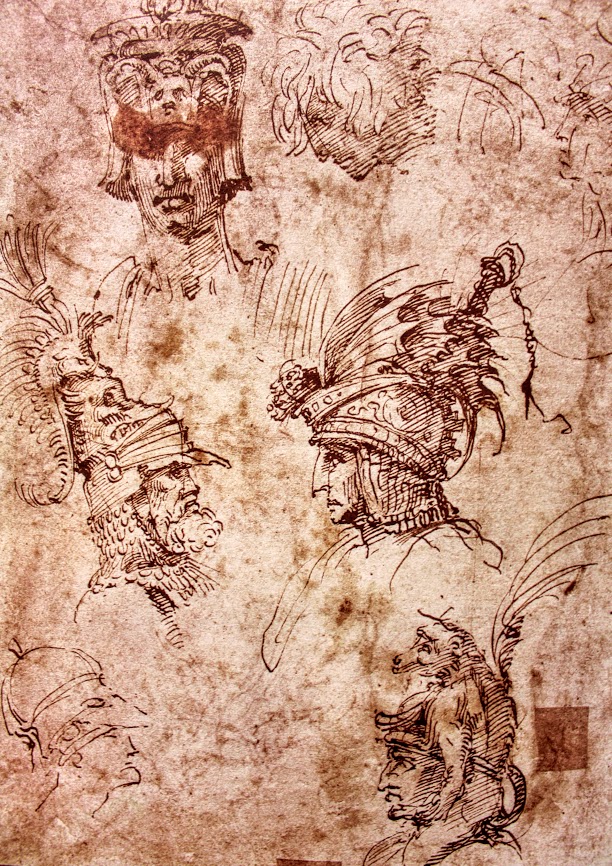
Questi studi di teste ed elmi sono probabilmente da mettere in relazione con la Battaglia di Cascina. Almeno uno dei guerrieri di quel grande gruppo, portava un elmo e questi potrebbero essere gli studi fatti per arrivare alla sua realizzazione.

Il foglio in questione appartiene da lungi alle collezioni del Museo del Louvre.
Il sempre vostro Michelangelo Buonarroti per il momento vi saluta dandovi appuntamento ai prossimi post e sui social.
The helmets
Zoomorphic helmets, with very imaginative shapes, were a recurring theme in drawings, painting and sculpture of the fifteenth century. Just think of the best known ones by Leonardo da Vinci and by his master, Verrocchio.
Although I had illustrious predecessors in the art of representing helmets, I let myself be inspired by ancient art rather than their precious models.
Experimenting with the representation of complex helmets, I took the slightly more sober ones as a model, although using the word sobriety in a context made up of dragon heads, bat wings, monkeys and plumes seems bizarre.
In the ancient depictions of zoomorphic helmets, there were no accessory frills or the ironic side that instead faced Leonardo. An admirable example is the head of Ades in the necropolis of Tarquinia that you see below.
The sheet with the studies of the helmets that I propose to you was well known to my contemporaries and to the generations immediately following mine. In fact, there are numerous copies around the world such as the one preserved in Dublin, in the National Gallery of Ireland.
These studies of heads and helmets are probably related to the Battle of Cascina. At least one of the warriors of that large group wore a helmet and these could be the studies done to arrive at its realization.
The sheet in question belongs long ago to the collections of the Louvre Museum.
Always your Michelangelo Buonarroti greets you for the moment by giving you an appointment to the next posts and on social networks.

Sostienici – Support Us
Se questo blog ti piace e ti appassiona, puoi aiutarci a farlo crescere sempre più sostenendoci in modo concreto condividendo i post, seguendo le pagine social e con un contributo che ci aiuta ad andare avanti con il nostro lavoro di divulgazione. . ENGLISH: If you like and are passionate about this blog, you can help us make it grow more and more by supporting us in a concrete way by sharing posts, following social pages and with a contribution that helps us to move forward with our dissemination work.
5,00 €
Ultime dal blog
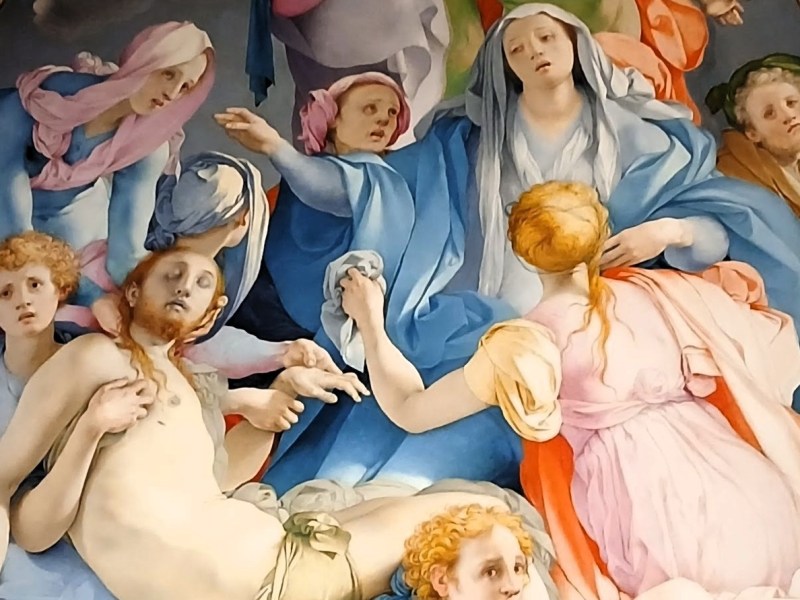
La Deposizione del Pontormo: il capolavoro dell’artista
🇮🇹Ti coinvolge. Ti mette a disagio. Ti costringe a sentire. E’ la Deposizione dalla Croce, dipinta da Jacopo Pontormo tra il 1525 e il 1528 per la Cappella Capponi… 🇬🇧It draws you in. It makes you uncomfortable. It forces you to feel. It’s the Deposition from the Cross, painted by Jacopo Pontormo between 1525 and…
Non chiamatelo Braghettone: il 4 aprile del 1566 muore Daniele da Volterra, l’artista che salvò il Giudizio Universale
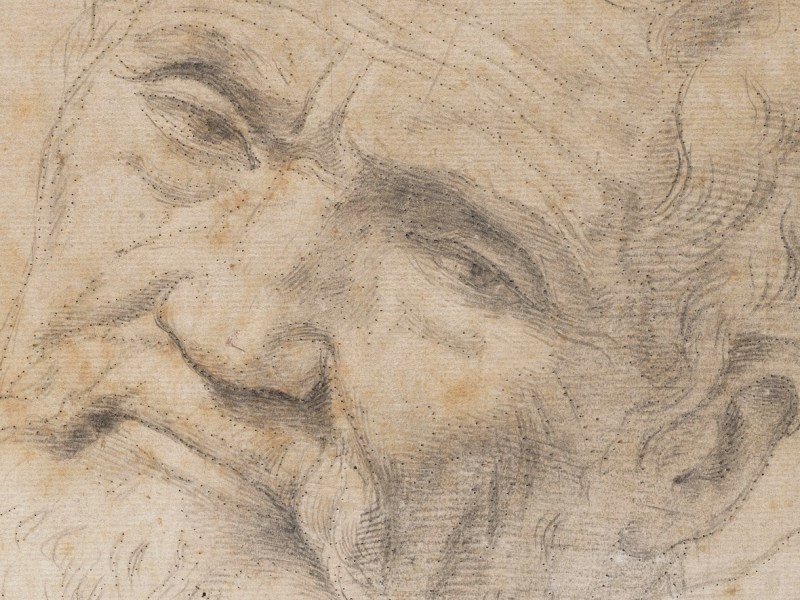
🇮🇹Braghettone? No, molto di più. Il 4 aprile 1566 moriva Daniele da Volterra, il mio allievo più fedele, l’uomo che mi rimase accanto fino all’ultimo respiro e che salvò il mio Giudizio Universale dalla distruzione… 🇬🇧Braghettone? No, much more. On April 4, 1566, Daniele da Volterra died, my most faithful student, the man who remained…
Venerdì Santo: gli “Ecce Homo” più intensi della storia dell’arte
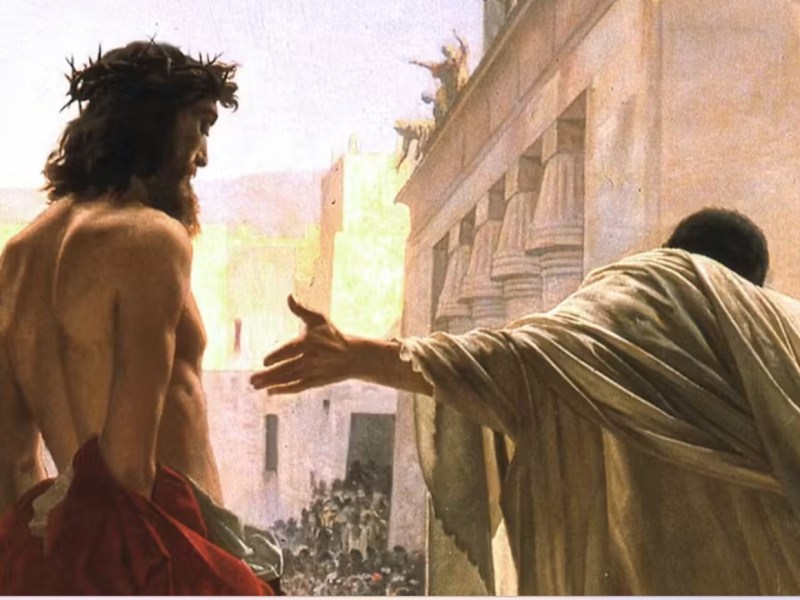
🇮🇹Ecce Homo. Da Antonello da Messina a Tintoretto, fino al sorprendente capolavoro di Antonio Ciseri, questo soggetto ha attraversato i secoli raccontando dolore, umanità e coscienza… 🇬🇧Ecce Homo. From Antonello da Messina to Tintoretto, to Antonio Ciseri’s astonishing masterpiece, this subject has spanned the centuries, recounting pain, humanity, and conscience…
Condividi:


Questo sono io





sostienici

Sostienici – Support Us
Se questo blog ti piace e ti appassiona, puoi aiutarci a farlo crescere sempre più sostenendoci in modo concreto condividendo i post, seguendo le pagine social e con un contributo che ci aiuta ad andare avanti con il nostro lavoro di divulgazione. . ENGLISH: If you like and are passionate about this blog, you can help us make it grow more and more by supporting us in a concrete way by sharing posts, following social pages and with a contribution that helps us to move forward with our dissemination work.
€10,00


