
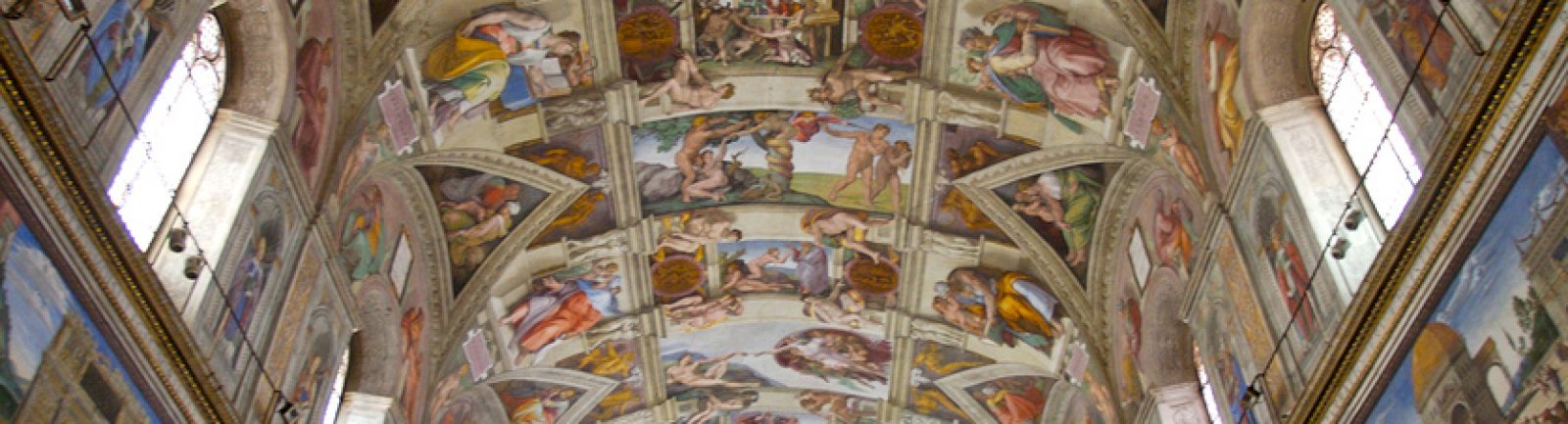
Cappella Sistina: quando non volli aggiungere oro
Dopo quattro anni di lavori alla volta della Sistina, finalmente portai a compimento l’opera.
Papa Giulio II della Rovere non esitò a inaugurarla in grande stile. Fece allestire un banchetto degno di un sovrano rinascimentale invitando un gran numero di prelati e le autorità più in vista dell’epoca.

Era contento sì del gran capolavoro che feci ma doveva sempre dir la sua come se la sua autorità venisse meno senza la sua opinione non richiesta. Voleva aggiungessi più oro per rendere gli affreschi più preziosi. Figuriamoci un po’: avrei dovuto rimontare tutti i ponteggi per arrivare fin lassù ad applicare la foglia d’oro. Dopo anni di tribolazioni mi sarei dovuto rimettere al lavoro come se non avessi avuto altre opere da portare avanti.
E poi perché dopotutto? Per far contento il papa?
Dipinsi umili genti. Non avrebbe avuto gran senso applicare oro in abbondanza attorno a coloro che in vita sempre sprezzarono le ricchezze terrene, accumulando tesori in Paradiso.
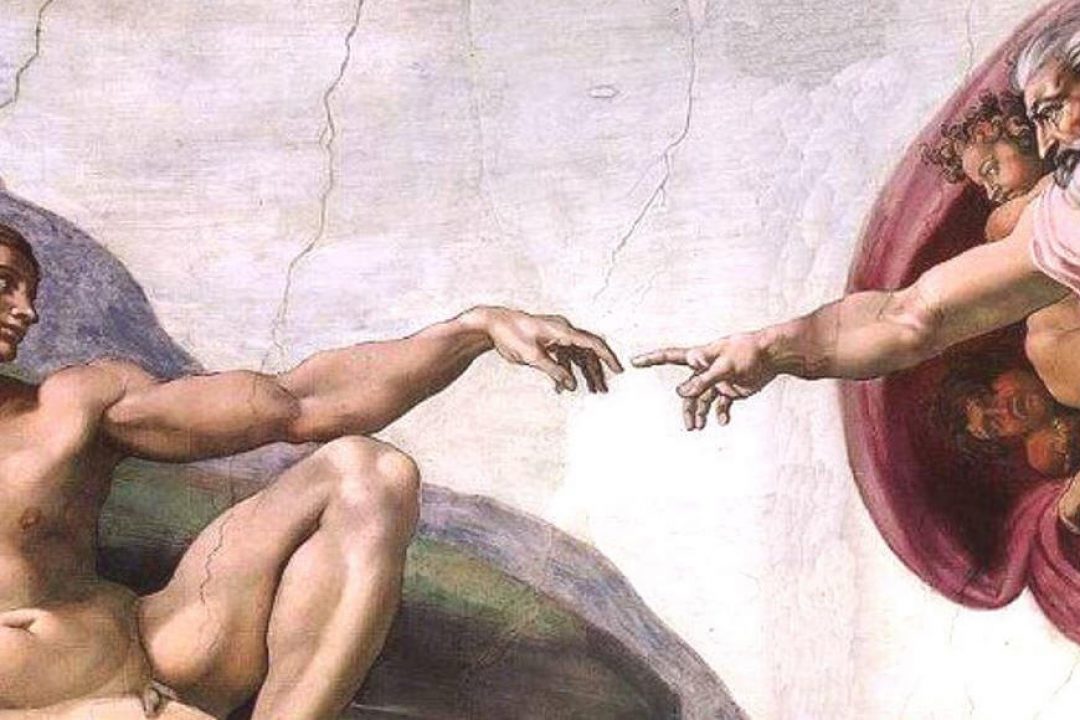
Il Vasari nelle Vite riportò l’accaduto in questi termini: “Il Papa vedendo spesso Michelagnolo gli diceva: “Che la cappella si arrichisca di colori e d’oro, ché l’è povera”. Michelagnolo con domestichezza rispondeva: “Padre Santo, in quel tempo gli uomini non portavano addosso oro, e quegli che son dipinti non furon mai troppo ricchi, ma santi uomini, perch’egli sprezaron le ricchezze”
Per il momento il vostro Michelangelo Buonarroti vi saluta dandovi appuntamento ai prossimi post e sui social
Sistine Chapel: when I didn’t want to add gold
After four years of work on the Sistine Chapel, I finally completed the work.
Pope Julius II della Rovere did not hesitate to inaugurate it in grand style. He had a banquet worthy of a Renaissance ruler prepared by inviting a large number of prelates and the most prominent authorities of the time.
He was happy with the great masterpiece I did but he always had to speak out about him as if his authority failed without his unsolicited opinion. He wanted me to add more gold to make the frescoes more precious. Let alone a little: I would have had to reassemble all the scaffolding to get up there to apply the gold leaf. After years of tribulation I would have had to get back to work as if I had no other works to carry out.
And then why after all? To please the pope?
I painted humble people. He would not have made much sense to apply gold in abundance around those who in life always despised earthly riches, accumulating treasures in Paradise.
Vasari in the Lives reported the incident in these terms: “The Pope, seeing Michelagnolo often said to him:” May the chapel be enriched with colors and gold, so it is poor “. Michelagnolo replied with domesticity: “Holy Father, at that time men did not wear gold and those who are painted were never rich but they were holy men precisely because they despised wealth”
For the moment, your Michelangelo Buonarroti greets you by giving you an appointment at the next posts and on social networks

Sostienici – Support Us
Se questo blog ti piace e ti appassiona, puoi aiutarci a farlo crescere sempre più sostenendoci in modo concreto condividendo i post, seguendo le pagine social e con un contributo che ci aiuta ad andare avanti con il nostro lavoro di divulgazione. . ENGLISH: If you like and are passionate about this blog, you can help us make it grow more and more by supporting us in a concrete way by sharing posts, following social pages and with a contribution that helps us to move forward with our dissemination work.
5,00 €
ULTIMI ARTICOLI
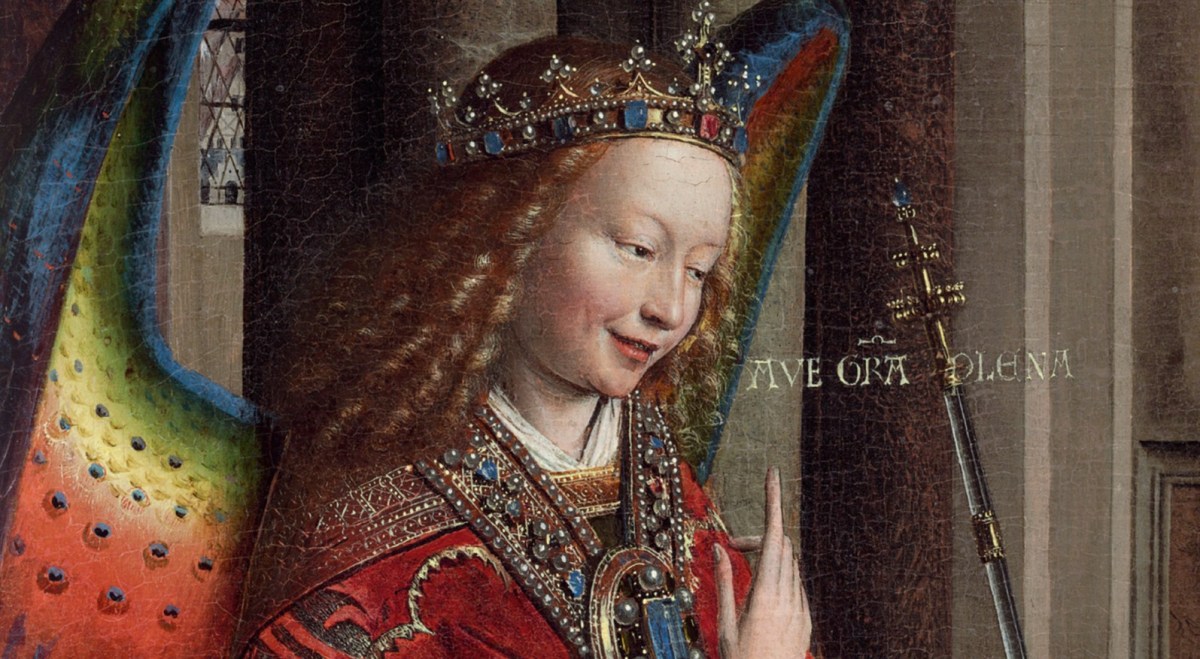
25 marzo: l’Annunciazione di Jan van Eyck, capolavoro fiammingo
🇮🇹Nel giorno del 25 marzo, tradizionalmente legato al mistero dell’Annunciazione, lo sguardo si posa su uno dei capolavori più raffinati della pittura nordica: l’Annunciazione di Jan van Eyck… 🇬🇧On March 25, traditionally linked to the mystery of the Annunciation, our gaze falls on one of the finest masterpieces of Northern European painting: The Annunciation by…
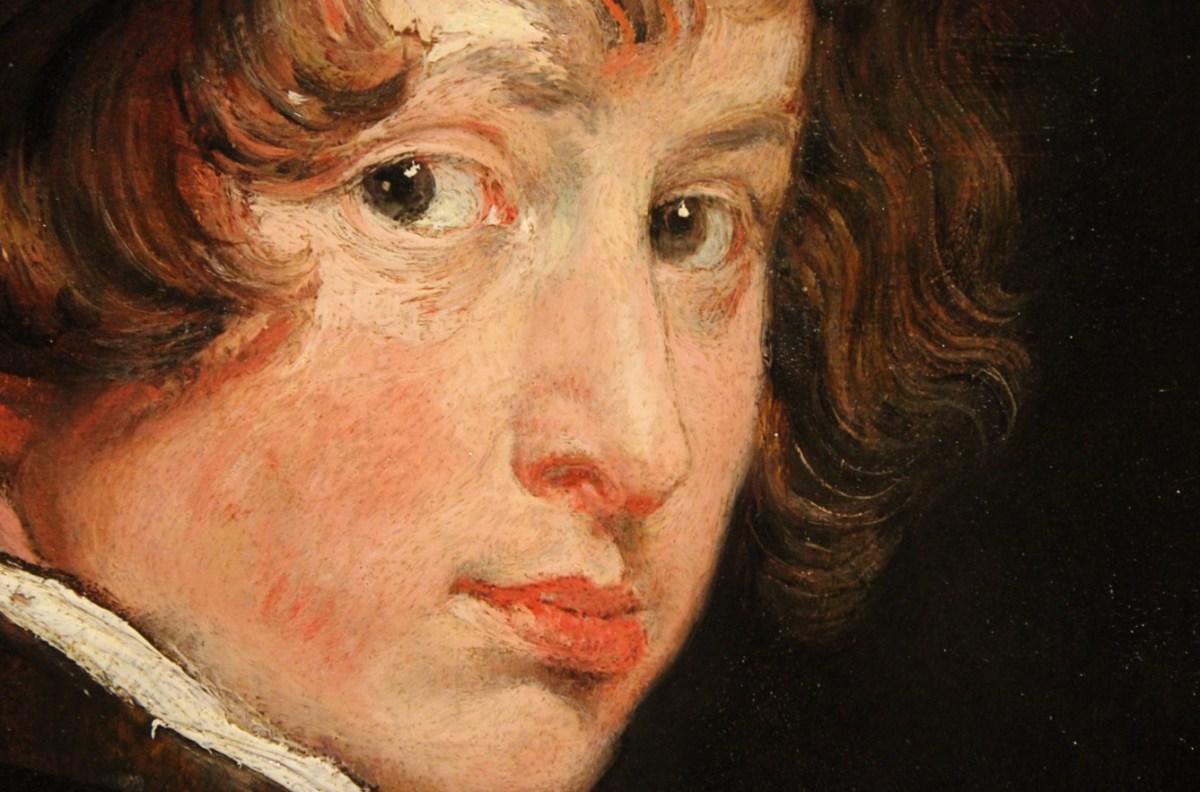
Van Dyck a Genova: la mostra che emoziona tra luce, mirabili dettagli e sguardi indimenticabili
🇮🇹Ho avuto modo di visitare la mostra “Van Dyck l’Europeo” a Genova: un viaggio emozionante tra Anversa, Genova e Londra attraverso dettagli, sguardi e capolavori senza tempo… 🇬🇧I had the opportunity to visit the exhibition “Van Dyck the European” in Genoa: an exciting journey between Antwerp, Genoa, and London through details, glances, and timeless masterpieces…
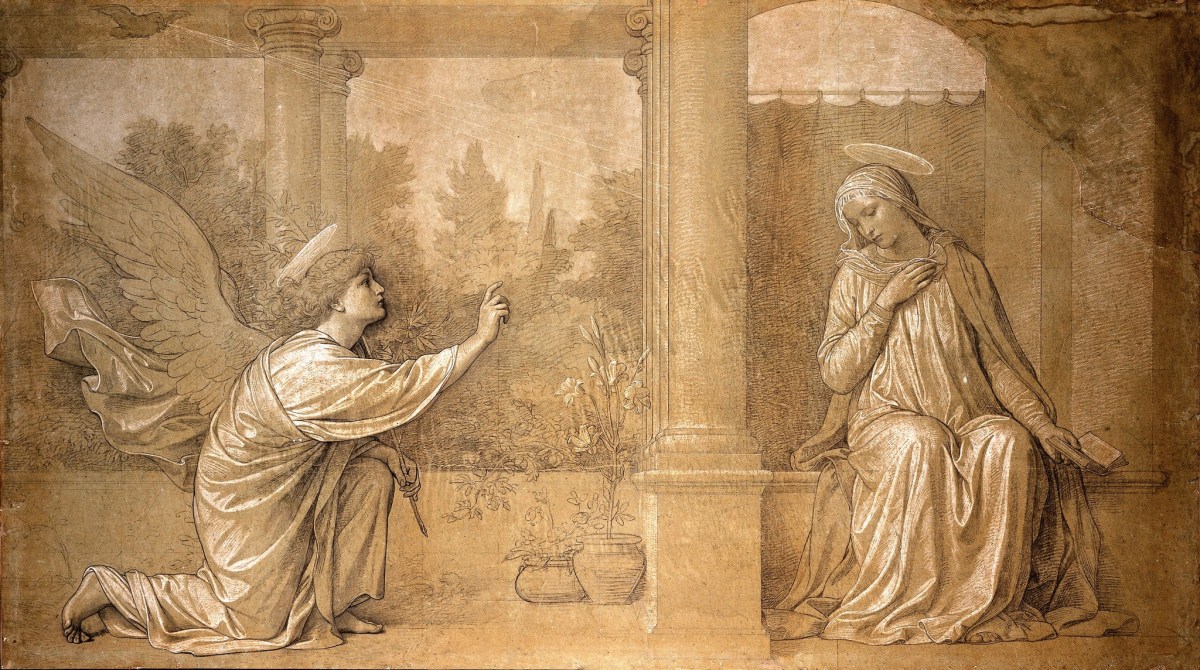
Quando il Capodanno cadeva il 25 marzo: l’Annunciazione di Alessandro Franchi
🇮🇹Il 25 marzo si celebra l’Annunciazione che per secoli, a Firenze e nel resto della Toscana, segnava l’inizio del nuovo anno. Tra le opere più suggestive che raffigurano l’Annunciazione, vi propongo il cartone realizzato da Alessandro Franchi intorno al 1884… 🇬🇧March 25th marks the celebration of the Annunciation, which for centuries marked the beginning of…
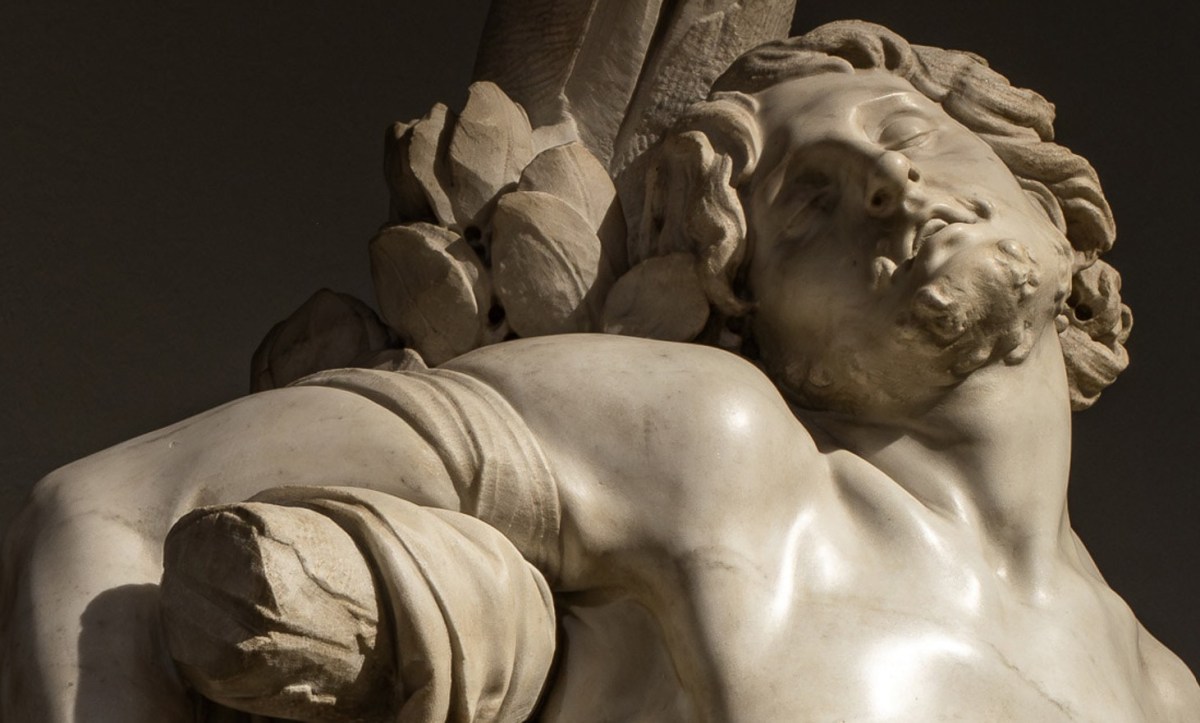
San Sebastiano del Bernini: il marmo che respira tra vita e morte
🇮🇹 Il San Sebastiano di Gian Lorenzo Bernini è un’opera che cattura l’attimo tra vita e morte: meno martirio, più emozione pura. Voluto da Maffeo Barberini, è uno dei capolavori giovanili più intensi del Barocco… 🇬🇧 Gian Lorenzo Bernini’s Saint Sebastian is a work that captures the moment between life and death: less martyrdom, more…
Si è verificato un problema. Aggiorna la pagina e/o riprova in seguito.
Condividi:


Questo sono io





sostienici

Sostienici – Support Us
Se questo blog ti piace e ti appassiona, puoi aiutarci a farlo crescere sempre più sostenendoci in modo concreto condividendo i post, seguendo le pagine social e con un contributo che ci aiuta ad andare avanti con il nostro lavoro di divulgazione. . ENGLISH: If you like and are passionate about this blog, you can help us make it grow more and more by supporting us in a concrete way by sharing posts, following social pages and with a contribution that helps us to move forward with our dissemination work.
€10,00


