

Pasqua: l’Ultima Cena della monaca pittrice Plautilla Nelli
Nel tempo della Pasqua, tra riflessione e rinascita, emerge la figura straordinaria di Plautilla Nelli: un’artista che, sfidando i limiti imposti alle donne, ha lasciato un segno profondo nella storia del Rinascimento.
Plautilla Nelli, una pioniera quasi dimenticata
Nel cuore del Rinascimento fiorentino, dominato da figure maschili, Plautilla Nelli rappresenta un’eccezione potente e rivoluzionaria. Monaca domenicana e artista autodidatta, Nelli è considerata una delle prime pittrici documentate della storia dell’arte occidentale.
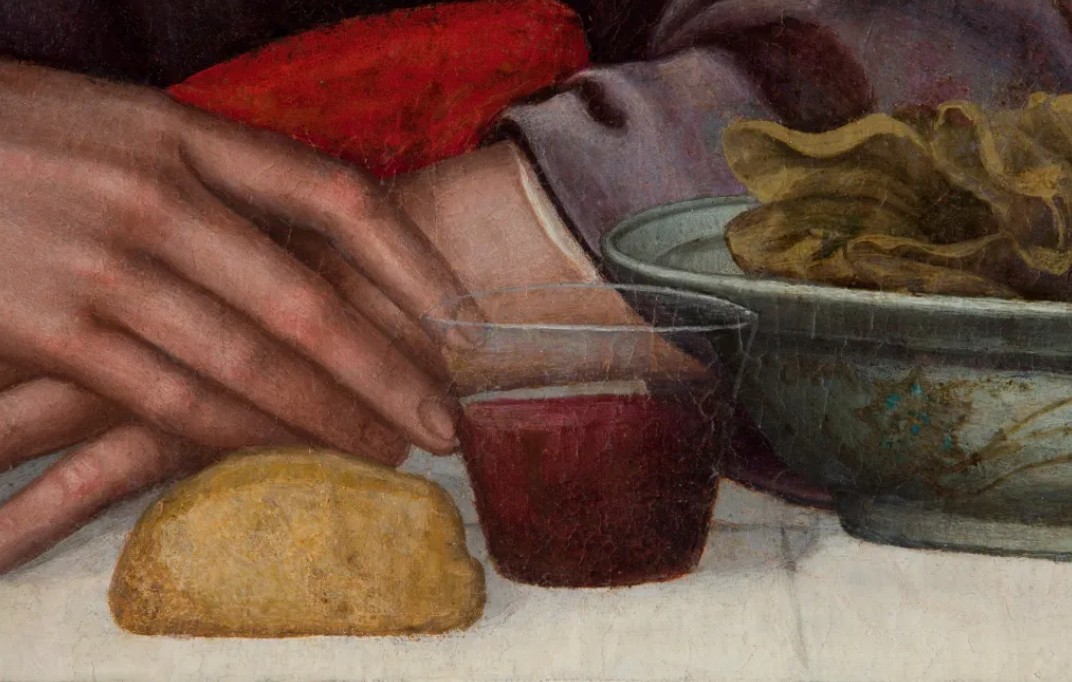
La sua importanza non risiede solo nella qualità delle opere, ma nel contesto in cui riuscì a produrle. In un’epoca in cui alle donne era negato l’accesso alla formazione artistica accademica, riuscì comunque a costruire un linguaggio pittorico autonomo, dimostrando talento, disciplina e una sorprendente ambizione.
L’Ultima Cena: il simbolo di una sfida vinta
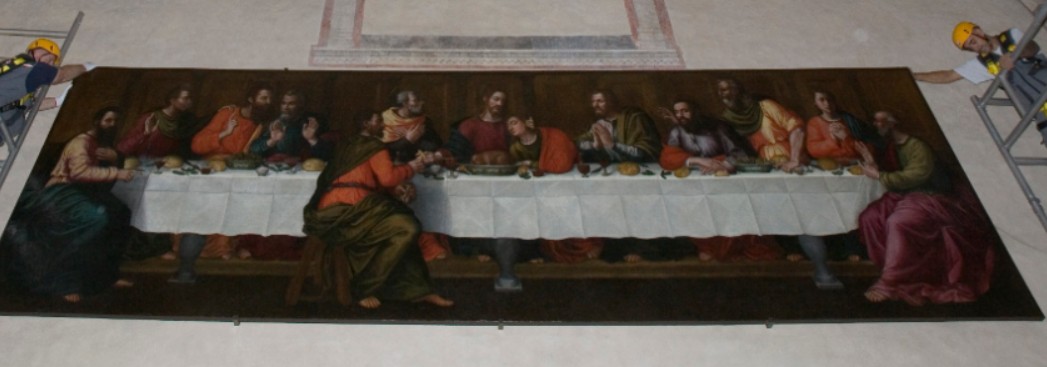
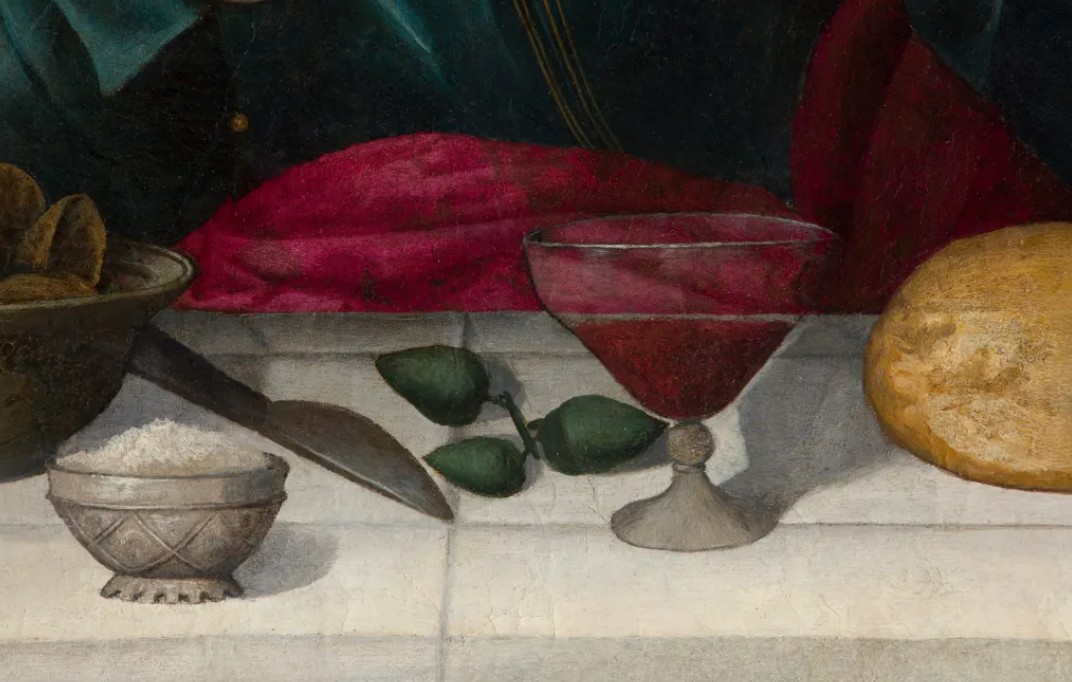
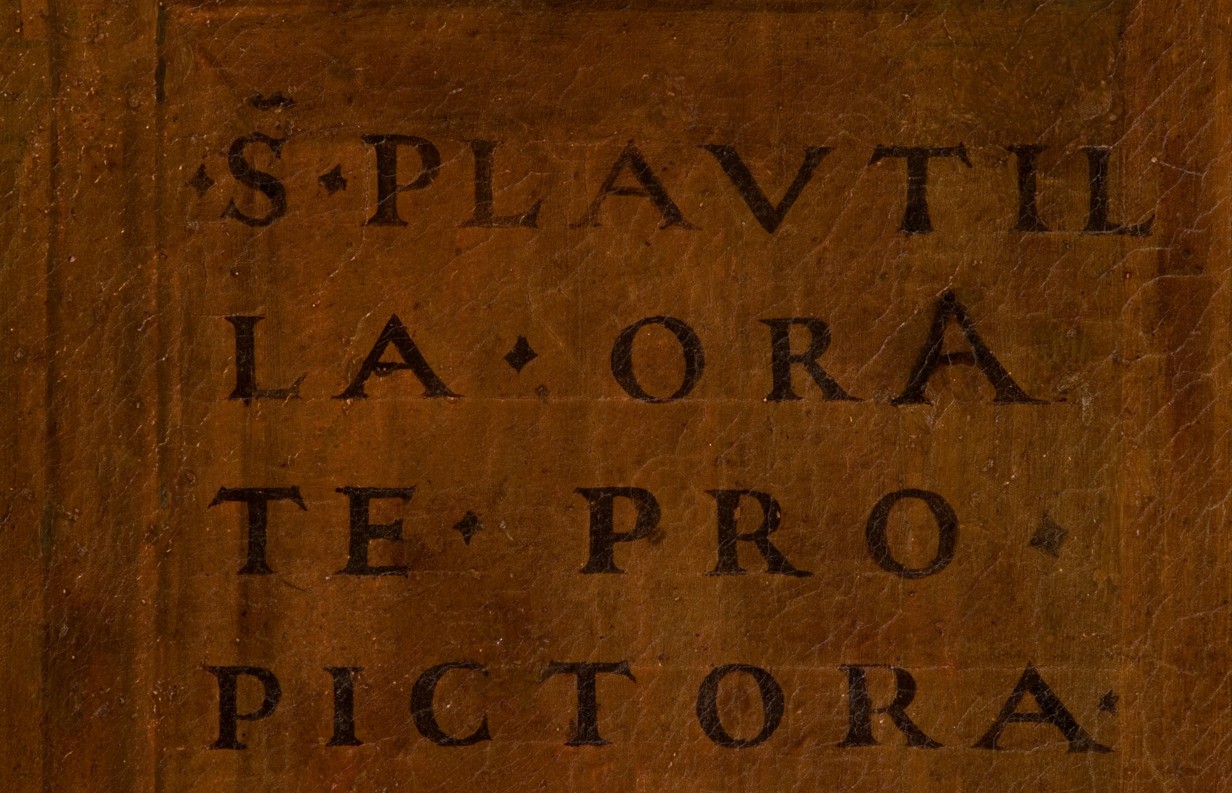
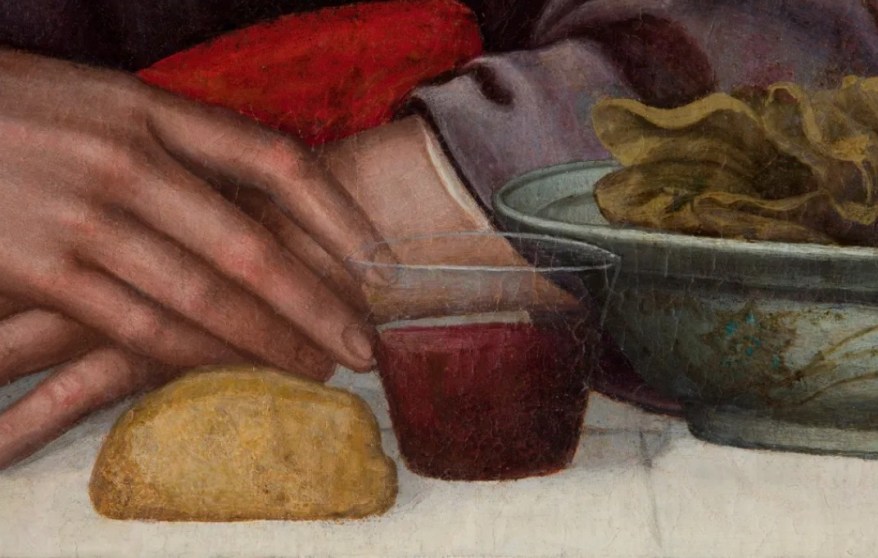
Il capolavoro più emblematico di Plautilla Nelli è senza dubbio la sua monumentale Ultima Cena, lunga quasi sette metri. Un’opera che non solo colpisce per le dimensioni, ma che rappresenta una vera dichiarazione di intenti.
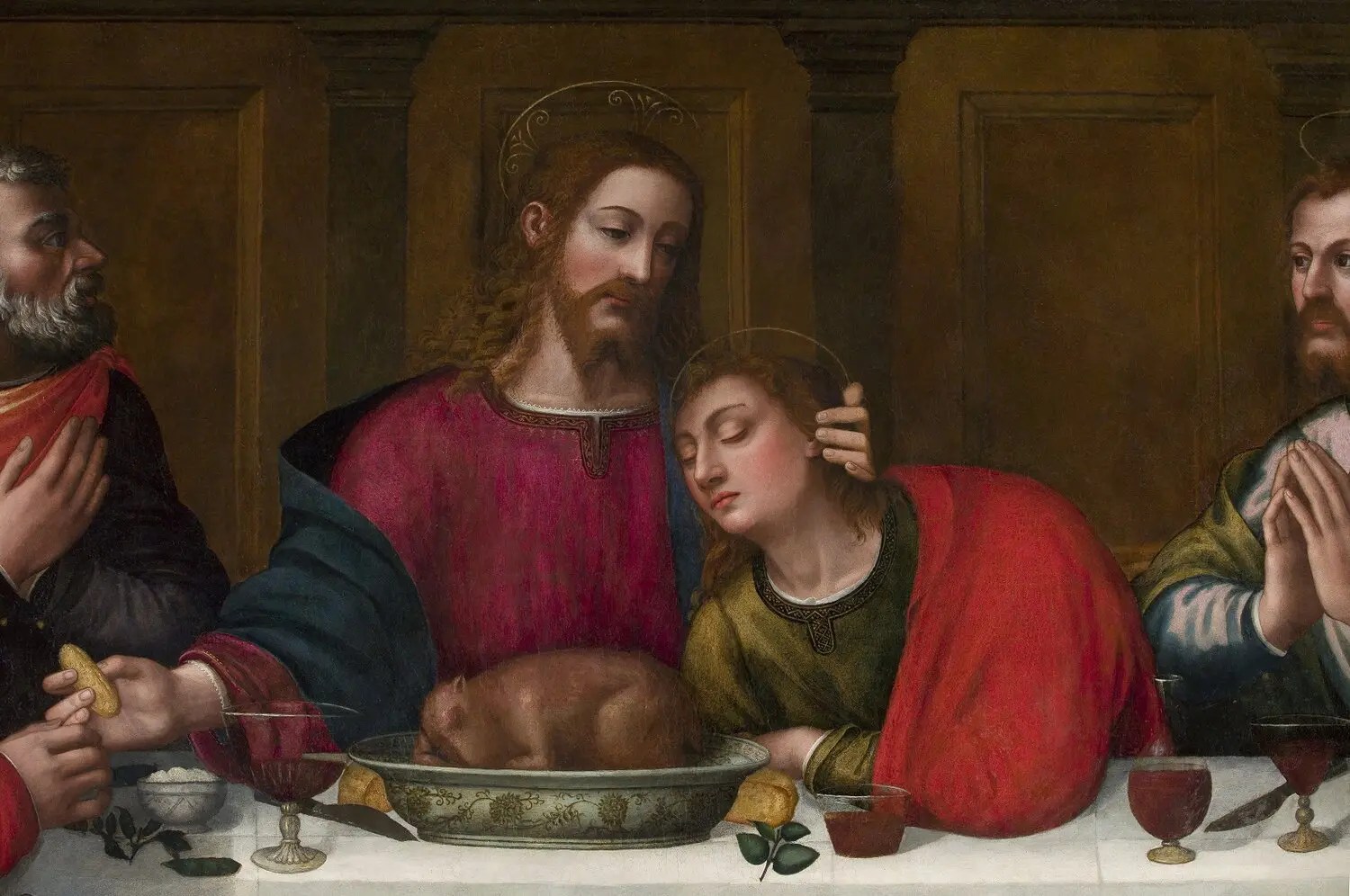
Affrontare questo soggetto significava misurarsi con uno dei temi più complessi e prestigiosi della pittura rinascimentale, solitamente riservato agli artisti più affermati. Nelli, invece, lo sceglie come terreno di affermazione, dipingendo tredici figure a grandezza naturale senza aver mai potuto studiare anatomia dal vero.
Questo gesto artistico diventa anche un atto di coraggio: una donna che entra in uno spazio creativo da cui era stata esclusa, e lo fa con determinazione e visione.
Emozioni, spiritualità e modernità
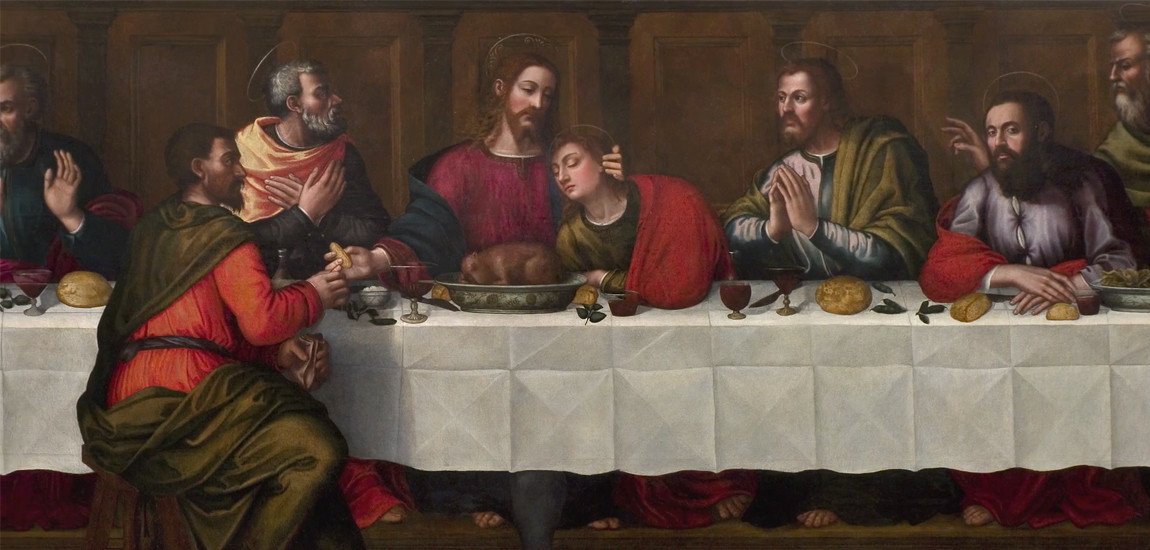
Nel rappresentare il momento in cui Cristo annuncia il tradimento, Plautilla Nelli costruisce una scena carica di tensione emotiva. Gli apostoli sono protagonisti di una narrazione viva, attraversata da reazioni diverse e profondamente umane.
Questa scelta dimostra quanto l’artista fosse aggiornata sulle innovazioni del suo tempo, reinterpretandole con sensibilità personale.
Il significato della Pasqua attraverso lo sguardo di Nelli
Nel periodo pasquale, l’opera di Plautilla Nelli assume un valore ancora più intenso. L’Ultima Cena è il momento in cui si anticipano il sacrificio e la resurrezione, temi centrali della Pasqua.
Attraverso il suo sguardo, la scena si carica di una dimensione intima e meditativa. La spiritualità che emerge è profondamente umana.
In questo senso, la figura di Nelli diventa simbolica: così come la Pasqua rappresenta rinascita, anche la sua riscoperta segna una rinascita culturale, restituendo visibilità a una voce rimasta a lungo nell’ombra.
Oggi Plautilla Nelli è finalmente riconosciuta come una figura centrale nella storia dell’arte, non solo per il suo talento, ma per il suo ruolo pionieristico.
Nel tempo della Pasqua, la sua storia è il racconto di una rinascita silenziosa ma potente, che invita a guardare il passato con occhi nuovi e a riconoscere il valore di chi, come lei, ha aperto la strada senza chiedere il permesso.
Per il momento il sempre vostro Michelangelo Buonarroti vi saluta dandovi appuntamento ai prossimi post e sui social.
Easter: The Last Supper by the Painter-Nun Plautilla Nelli
During the Easter season, between reflection and rebirth, the extraordinary figure of Plautilla Nelli emerges: an artist who, by challenging the limitations imposed on women, left a profound mark on the history of the Renaissance.
Plautilla Nelli, an Almost Forgotten Pioneer
In the heart of the Florentine Renaissance, dominated by male figures, Plautilla Nelli represents a powerful and revolutionary exception. A Dominican nun and self-taught artist, Nelli is considered one of the first documented female painters in the history of Western art.
Her importance lies not only in the quality of her works, but also in the context in which she produced them. In an era when women were denied access to academic artistic training, she nevertheless managed to develop an independent pictorial language, demonstrating talent, discipline, and astonishing ambition.
The Last Supper: the symbol of a challenge won
Plautilla Nelli’s most emblematic masterpiece is undoubtedly her monumental Last Supper, almost seven meters long. A work that is not only striking in its size, but also represents a true declaration of intent.
Tackling this subject meant grappling with one of the most complex and prestigious themes of Renaissance painting, usually reserved for the most established artists. Nelli, however, chose it as a platform for affirmation, painting thirteen life-size figures without ever having had the opportunity to study anatomy from life.
This artistic gesture also becomes an act of courage: a woman entering a creative space from which she had been excluded, and doing so with determination and vision.
Emotions, spirituality, and modernity
In depicting the moment when Christ announces his betrayal, Plautilla Nelli constructs a scene charged with emotional tension. The apostles are the protagonists of a living narrative, permeated by diverse and profoundly human reactions.
This choice demonstrates how the artist was up-to-date on the innovations of her time, reinterpreting them with personal sensitivity.
The Meaning of Easter Through Nelli’s Eyes
During the Easter season, Plautilla Nelli’s work takes on an even more intense meaning. The Last Supper is the moment in which sacrifice and resurrection, central themes of Easter, are anticipated.
Through her gaze, the scene takes on an intimate and meditative dimension. The spirituality that emerges is profoundly human.
In this sense, Nelli’s figure becomes symbolic: just as Easter represents rebirth, her rediscovery also marks a cultural renaissance, restoring visibility to a voice that had long remained in the shadows.
Today, Plautilla Nelli is finally recognized as a central figure in the history of art, not only for her talent, but for her pioneering role.
During this Easter season, her story is the tale of a silent yet powerful rebirth, inviting us to look at the past with new eyes and recognize the value of those who, like her, paved the way without asking permission.
For now, yours truly, Michelangelo Buonarroti bids you farewell, and we look forward to seeing you in future posts and on social media.

Sostienici – Support Us
Se questo blog ti piace e ti appassiona, puoi aiutarci a farlo crescere sempre più sostenendoci in modo concreto condividendo i post, seguendo le pagine social e con un contributo che ci aiuta ad andare avanti con il nostro lavoro di divulgazione. . ENGLISH: If you like and are passionate about this blog, you can help us make it grow more and more by supporting us in a concrete way by sharing posts, following social pages and with a contribution that helps us to move forward with our dissemination work.
10,00 €
Condividi:


Questo sono io





sostienici

Sostienici – Support Us
Se questo blog ti piace e ti appassiona, puoi aiutarci a farlo crescere sempre più sostenendoci in modo concreto condividendo i post, seguendo le pagine social e con un contributo che ci aiuta ad andare avanti con il nostro lavoro di divulgazione. . ENGLISH: If you like and are passionate about this blog, you can help us make it grow more and more by supporting us in a concrete way by sharing posts, following social pages and with a contribution that helps us to move forward with our dissemination work.
€10,00


