
Pasqua nell’arte: 7 capolavori che raccontano la resurrezione tra luce, dramma e speranza
Con l’avvicinarsi della Pasqua, musei, chiese e siti d’arte tornano a riportare al centro uno dei temi più potenti della storia della pittura: la resurrezione di Cristo.
Dal Rinascimento al Novecento, gli artisti hanno cercato di rappresentare l’evento pasquale con linguaggi diversi: equilibrio e spiritualità, dramma umano, esplosioni di luce o visioni quasi cosmiche.
Alcune di queste opere sono diventate vere icone della cultura occidentale. Ecco sette capolavori che raccontano la Pasqua attraverso secoli di storia dell’arte, con dettagli e curiosità che spesso sfuggono a una prima osservazione.
La Resurrezione di Piero della Francesca: l’immagine perfetta del Rinascimento
Uno dei dipinti più celebri dedicati alla Pasqua è la Resurrezione realizzata da Piero della Francesca nel Quattrocento.
Cristo emerge dal sepolcro con una calma quasi solenne, mentre quattro soldati dormono ai piedi della tomba. L’opera è famosa per la sua struttura geometrica perfetta: la composizione è costruita con grande rigore matematico, caratteristica tipica dell’artista.
Una curiosità sorprendente riguarda il paesaggio sullo sfondo: a sinistra si vedono alberi secchi e spogli mentre a destra sono verdi e rigogliosi. È un simbolo visivo della resurrezione: la natura stessa passa dalla morte alla vita.
Lo scrittore Aldous Huxley definì questo affresco “il dipinto più bello del mondo”.

La Deposizione di Caravaggio: il dolore prima della resurrezione
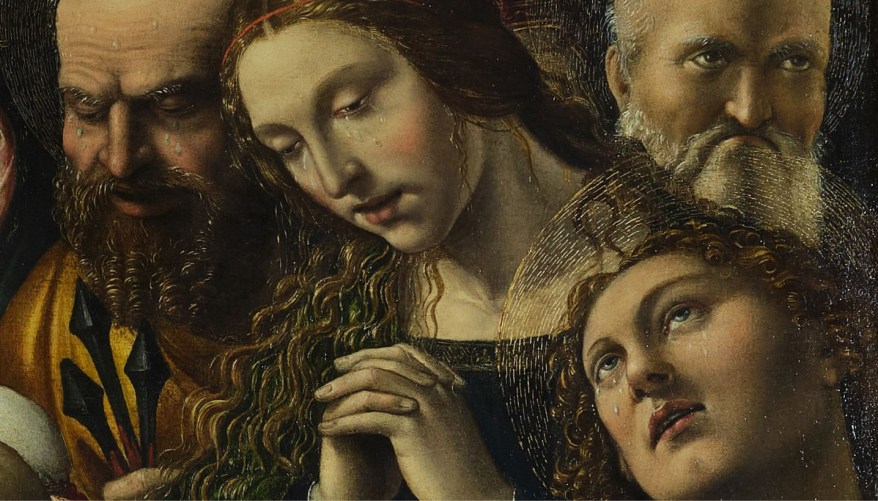
La Pasqua non è solo resurrezione ma anche tragedia. Questo momento drammatico trova una delle sue rappresentazioni più intense nella Deposizione di Cristo di Caravaggio.
Il dipinto mostra il corpo di Cristo mentre viene deposto nel sepolcro. La scena è costruita con il tipico chiaroscuro teatrale dell’artista: la luce illumina i volti segnati dal dolore di Maria, Maddalena e dei discepoli.
Un dettaglio spesso notato dagli storici dell’arte è la pietra in primo piano, su cui il corpo di Cristo viene appoggiato. Alcuni studiosi pensano che sia un riferimento alla pietra dell’altare, trasformando l’intera scena in una potente metafora eucaristica.

L’Altare di Isenheim: la resurrezione più spettacolare del Rinascimento nordico
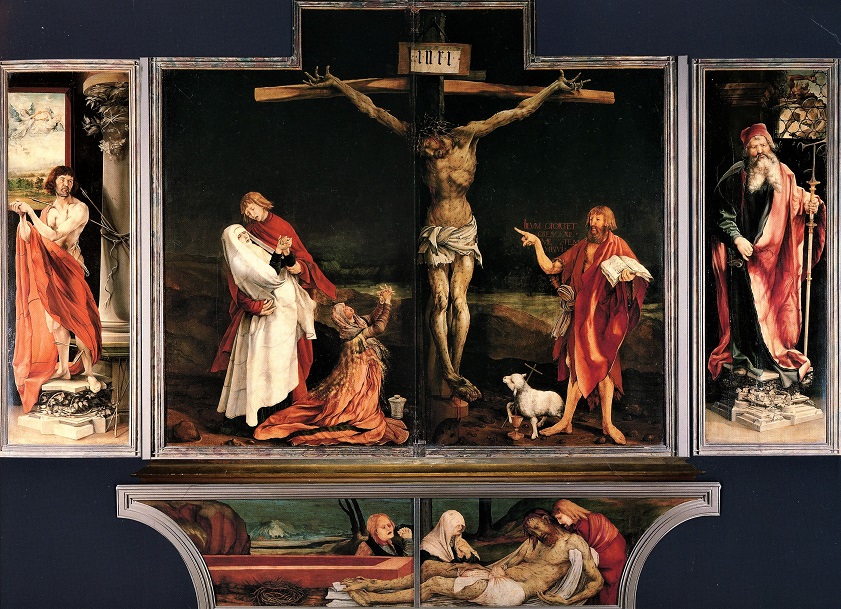
Nel polittico noto come Altare di Isenheim, realizzato da Matthias Grünewald, la resurrezione diventa una visione quasi soprannaturale.
Quando l’altare viene aperto, appare un Cristo che esplode letteralmente di luce: il corpo sembra trasformarsi in energia mentre si solleva sopra il sepolcro.
La scena è sorprendente per l’epoca: i colori sono intensissimi e la figura sembra quasi dissolversi nella luce. Per molti storici dell’arte questa immagine anticipa sensibilità molto più moderne.
Un dettaglio importante: il polittico era destinato a un ospedale monastico, frequentato da malati gravi. L’immagine della resurrezione doveva offrire speranza e consolazione ai pazienti.
La Resurrezione di Raffaello: armonia e grazia rinascimentale
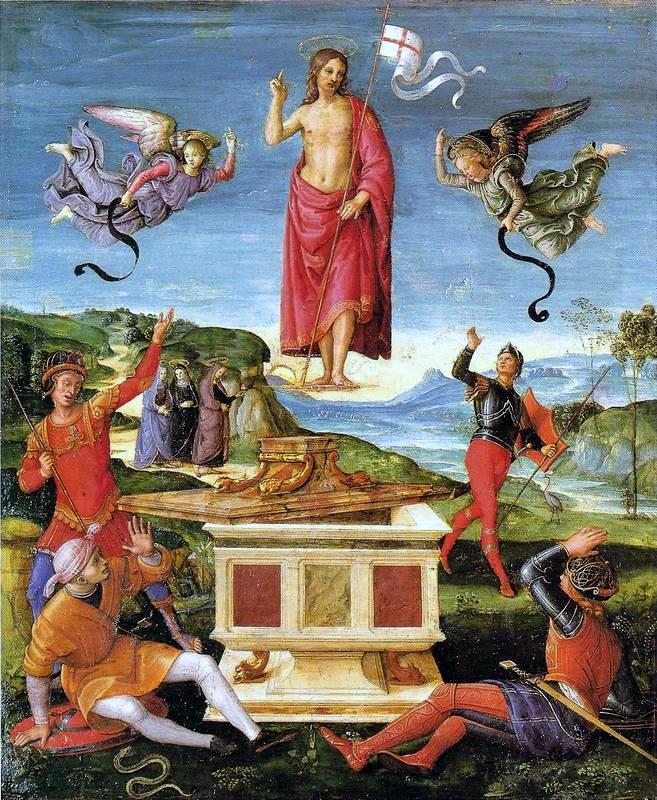
Nel dipinto noto come Resurrezione di Cristo, Raffaello Sanzio interpreta il tema con l’eleganza tipica dell’Alto Rinascimento.
Cristo sale verso il cielo sostenuto da una composizione armoniosa di angeli e nuvole, mentre i soldati sotto il sepolcro reagiscono con stupore e paura.
L’opera è interessante perché mette insieme due momenti diversi del racconto evangelico ovvero il miracolo della resurrezione e la reazione dei soldati che sorvegliavano la tomba. Raffaello riesce a trasformare il dramma in una scena di equilibrio e bellezza ideale.
Il Noli me tangere di Tiziano: l’incontro dopo la resurrezione
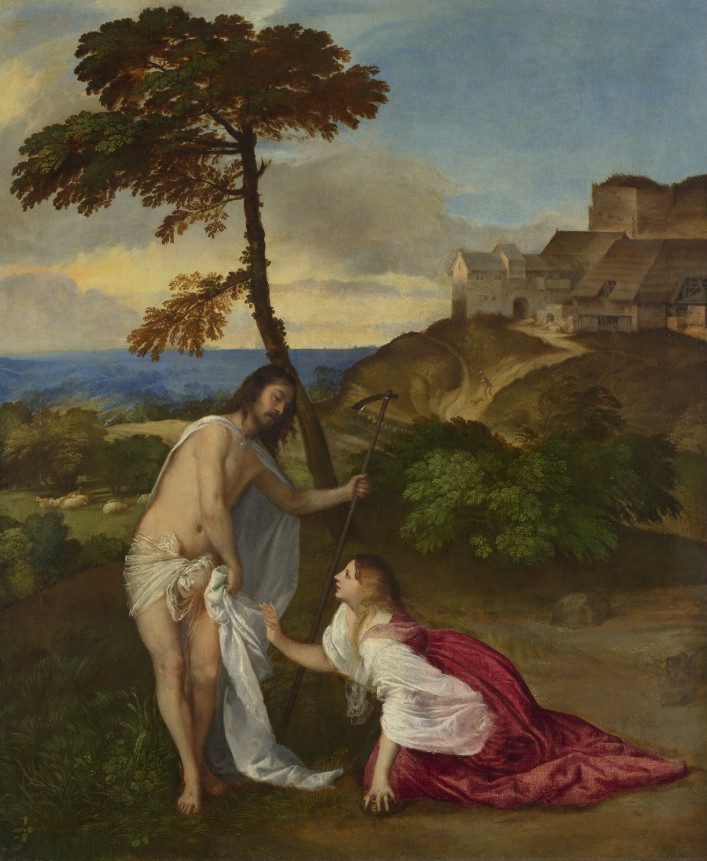
Un momento particolarmente intenso del racconto pasquale è l’incontro tra Cristo risorto e Maria Maddalena, raccontato nel celebre Noli me tangere di Tiziano.
Il titolo latino significa “Non mi toccare”. Secondo il Vangelo, Cristo pronuncia queste parole quando Maddalena lo riconosce dopo la resurrezione.
Il dipinto è famoso per il suo paesaggio luminoso e per la tensione emotiva tra le due figure. Mentre la Maddalena si protende verso Cristo, Lui sembra ritrarsi leggermente.
È uno dei momenti più umani e poetici della pittura veneziana del Cinquecento.
La Resurrezione di Rubens: l’energia del Barocco
Nel Seicento il tema pasquale assume un carattere più spettacolare. Nella Resurrezione di Cristo, Peter Paul Rubens rappresenta un Cristo potente e trionfante che emerge con forza dal sepolcro.
La composizione è dinamica: i soldati cadono a terra, travolti dall’energia dell’evento miracoloso.
Rubens usa il movimento e la luce per trasformare la resurrezione in una scena quasi cinematografica, tipica del gusto barocco.

Il Cristo di Dalí: una visione moderna del mistero pasquale
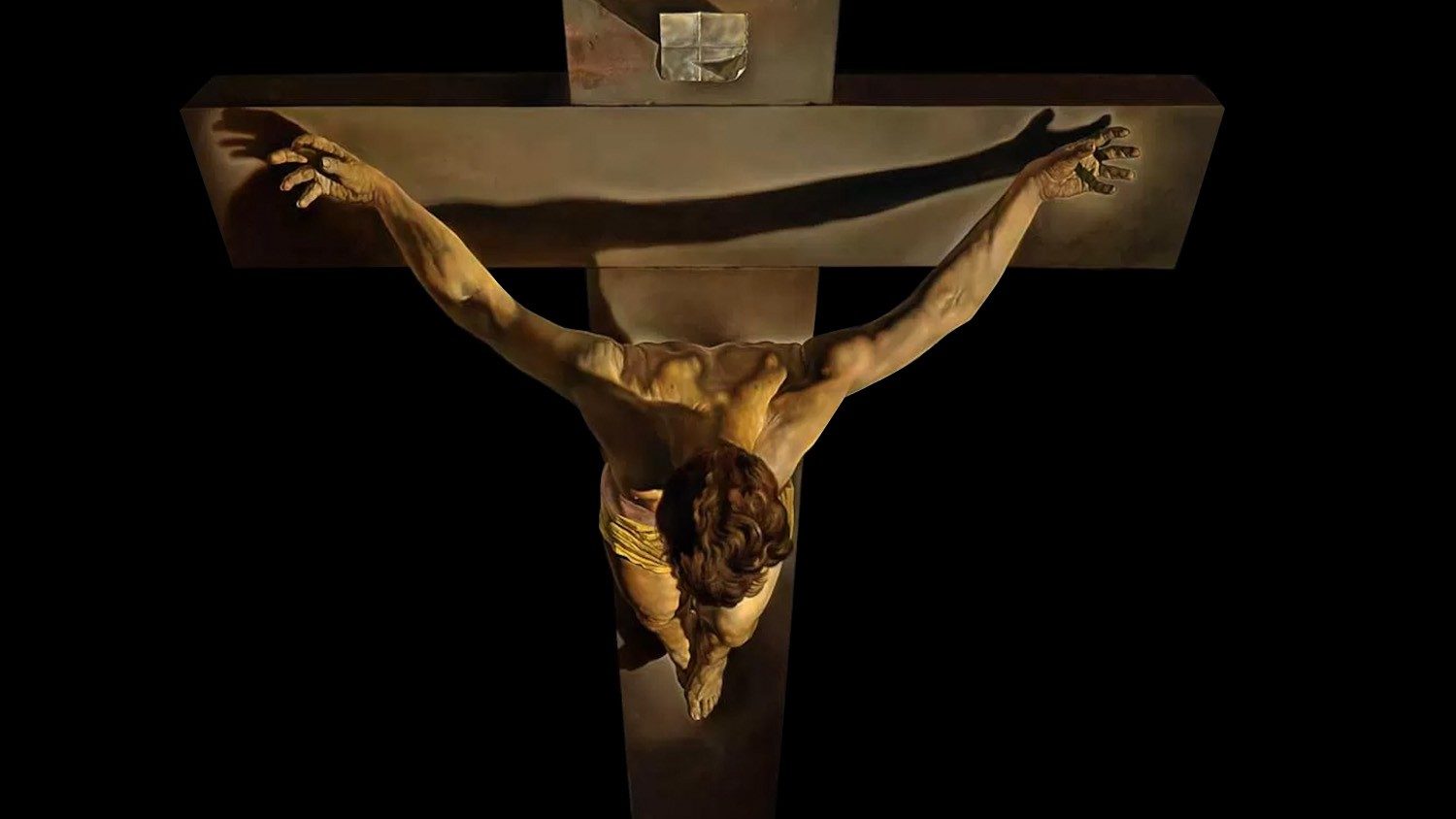
Nel Novecento anche Salvador Dalí affrontò il tema con il celebre Cristo di San Giovanni della Croce.
La prospettiva è sorprendente: il Cristo è visto dall’alto, sospeso sopra il mondo. Non ci sono chiodi né sangue, ma una figura serena che domina lo spazio.
Dalí disse di essersi ispirato a un disegno mistico del XVI secolo, attribuito a Giovanni della Croce.
Il risultato è una delle immagini religiose più iconiche dell’arte del Novecento.
Nella storia dell’arte la resurrezione, oltre ad essere la figurazione di un momento spirituale, diviene simbolo universale di rinascita, speranza e trasformazione.
L’arte, ancora una volta, ci ricorda che anche nei momenti più bui può emergere una nuova luce.
Per il momento il sempre vostro Michelangelo Buonarroti vi saluta dandovi appuntamento ai prossimi post e sui social.

Easter in Art: 7 Masterpieces that Recount the Resurrection Through Light, Drama, and Hope
As Easter approaches, museums, churches, and art sites are once again focusing on one of the most powerful themes in the history of painting: the Resurrection of Christ.
From the Renaissance to the 20th century, artists have sought to represent the Easter event with diverse languages: balance and spirituality, human drama, explosions of light, or almost cosmic visions.
Some of these works have become true icons of Western culture. Here are seven masterpieces that recount Easter through centuries of art history, with details and curiosities that often escape first glance.
Piero della Francesca’s Resurrection: The Perfect Image of the Renaissance
One of the most famous paintings dedicated to Easter is Piero della Francesca’s Resurrection, created in the 15th century.
Christ emerges from the tomb with an almost solemn calm, while four soldiers sleep at the foot of the tomb. The work is famous for its perfect geometric structure: the composition is constructed with great mathematical rigor, a typical characteristic of the artist.
A surprising curiosity concerns the landscape in the background: on the left are dry and bare trees, while on the right they are green and lush. It is a visual symbol of resurrection: nature itself passes from death to life.
Writer Aldous Huxley called this fresco “the most beautiful painting in the world.”
Caravaggio’s Deposition of Christ: the pain before the resurrection
Easter is not only resurrection but also tragedy. This dramatic moment finds one of its most intense representations in Caravaggio’s Deposition of Christ.
The painting shows the body of Christ being placed in the tomb. The scene is constructed with the artist’s typical theatrical chiaroscuro: the light illuminates the pain-scarred faces of Mary, Magdalene, and the disciples.
A detail often noted by art historians is the stone in the foreground, upon which Christ’s body rests. Some scholars believe it is a reference to the altar stone, transforming the entire scene into a powerful Eucharistic metaphor.
The Isenheim Altarpiece: The Most Spectacular Resurrection of the Northern Renaissance
In the polyptych known as the Isenheim Altarpiece, created by Matthias Grünewald, the resurrection becomes an almost supernatural vision.
When the altar is opened, a Christ appears, literally exploding with light: his body seems to transform into energy as he rises above the tomb.
The scene is striking for the time: the colors are intense, and the figure almost seems to dissolve in the light. For many art historians, this image anticipates much more modern sensibilities.
An important detail: the polyptych was intended for a monastic hospital, frequented by the seriously ill. The image of the resurrection was intended to offer hope and consolation to the patients.
Raphael’s Resurrection: Renaissance Harmony and Grace
In the painting known as the Resurrection of Christ, Raphael Sanzio interprets the theme with the elegance typical of the High Renaissance.
Christ ascends to heaven, supported by a harmonious composition of angels and clouds, while the soldiers beneath the tomb react with amazement and fear.
The work is interesting because it brings together two different moments from the Gospel story: the miracle of the resurrection and the reaction of the soldiers guarding the tomb. Raphael manages to transform the drama into a scene of ideal balance and beauty.
Titian’s Noli Me Tangere: The Encounter after the Resurrection
A particularly poignant moment in the Easter story is the encounter between the risen Christ and Mary Magdalene, recounted in Titian’s famous Noli Me Tangere.
The Latin title means “Touch me not.” According to the Gospel, Christ utters these words when Mary Magdalene recognizes him after the resurrection.
The painting is famous for its luminous landscape and the emotional tension between the two figures. While Mary Magdalene reaches out toward Christ, He seems to retreat slightly.
It is one of the most human and poetic moments in sixteenth-century Venetian painting.
Rubens’s Resurrection: The Energy of the Baroque
In the 17th century, the Easter theme took on a more spectacular character. In The Resurrection of Christ, Peter Paul Rubens depicts a powerful and triumphant Christ emerging forcefully from the tomb.
The composition is dynamic: the soldiers fall to the ground, overwhelmed by the energy of the miraculous event.
Rubens uses movement and light to transform the resurrection into an almost cinematic scene, typical of Baroque taste.
Dalí’s Christ: A Modern Vision of the Paschal Mystery
In the 20th century, Salvador Dalí also addressed the theme with his famous Christ of Saint John of the Cross.
The perspective is striking: Christ is seen from above, suspended above the world. There are no nails or blood, but a serene figure dominating the space.
Dalí said he was inspired by a mystical 16th-century drawing attributed to John of the Cross.
The result is one of the most iconic religious images of 20th-century art.
In the history of art, the resurrection, beyond representing a spiritual moment, becomes a universal symbol of rebirth, hope, and transformation.
Art, once again, reminds us that even in the darkest moments, a new light can emerge.
For now, yours truly, Michelangelo Buonarroti bids you farewell and invites you to see him in future posts and on social media.

Sostienici – Support Us
Se questo blog ti piace e ti appassiona, puoi aiutarci a farlo crescere sempre più sostenendoci in modo concreto condividendo i post, seguendo le pagine social e con un contributo che ci aiuta ad andare avanti con il nostro lavoro di divulgazione. . ENGLISH: If you like and are passionate about this blog, you can help us make it grow more and more by supporting us in a concrete way by sharing posts, following social pages and with a contribution that helps us to move forward with our dissemination work.
10,00 €
Condividi:


Questo sono io





sostienici

Sostienici – Support Us
Se questo blog ti piace e ti appassiona, puoi aiutarci a farlo crescere sempre più sostenendoci in modo concreto condividendo i post, seguendo le pagine social e con un contributo che ci aiuta ad andare avanti con il nostro lavoro di divulgazione. . ENGLISH: If you like and are passionate about this blog, you can help us make it grow more and more by supporting us in a concrete way by sharing posts, following social pages and with a contribution that helps us to move forward with our dissemination work.
€10,00


