
21 febbraio 1508 – 21 febbraio 1513: il destino di Giulio II
Il 21 febbraio è una data che non posso scordare.
Non solo perché nel 1508 la mia scultura in bronzo di Papa Giulio II che tante tribolazioni m’era costata, venne innalzata sulla facciata della Basilica di San Petronio, ma anche perché, esattamente cinque anni dopo, il 21 febbraio 1513, quello stesso pontefice lasciò il mondo terreno.
Una coincidenza che pare scolpita dal destino.
Il colosso di bronzo per Giulio II: nascita travagliata di un’opera monumentale
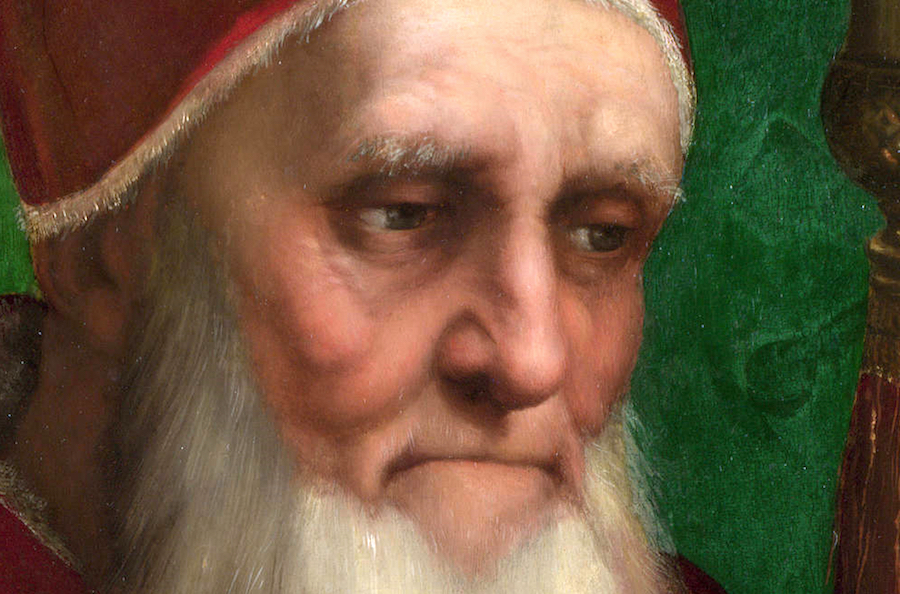
Quando Giulio II mi ordinò di realizzare la sua effigie in bronzo per Bologna, compresi subito che non desiderava essere rappresentato come un pastore mite.
Voleva potere. Voleva timore. Voleva dominio.
La fusione fu un tormento.
La prima venne male e la seconda riuscì solo per metà. Il bronzo pareva ribellarsi alla volontà di essere plasmato con le sembianze di un papa guerriero. Seguirono mesi di rinettatura, di fatica, di rabbia trattenuta a stento e talvolta lasciata andare.
Finalmente, il 21 febbraio 1508, l’opera venne collocata nella nicchia sopra il portale principale. Seduto in trono, alto quasi cinque metri, il pontefice non sembrava benedire: pareva maledire. E così lo voleva lui.
L’inaugurazione ufficiale avvenne il 18 marzo, ma per me il vero compimento fu quel giorno di febbraio, quando il bronzo trovò il suo posto e il mio tormento ebbe fine, o quasi.
21 febbraio 1513: la morte del papa guerriero
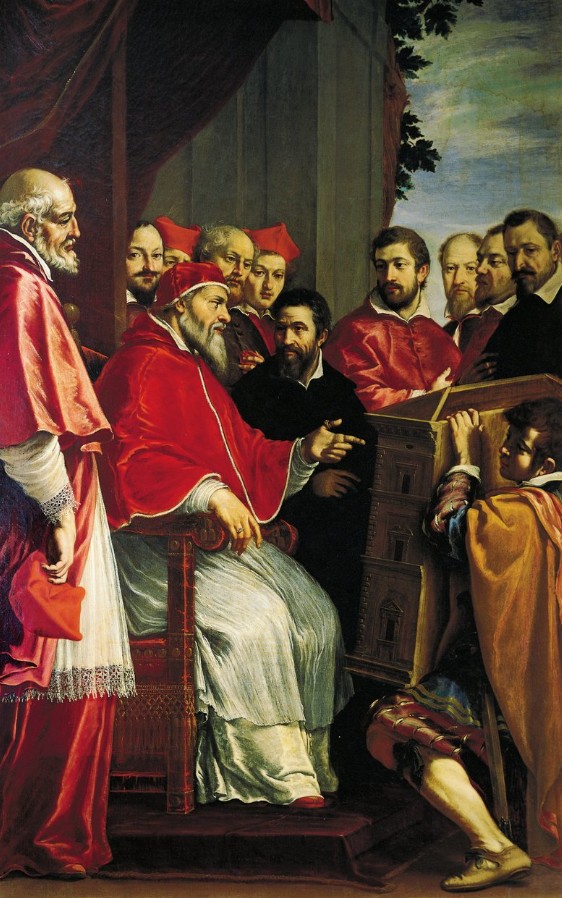
Cinque anni esatti dopo, nella notte fra il 20 e il 21 febbraio 1513, Giulio II della Rovere morì.
Il mondo non perse un santo. Perse un uomo assetato di potere, spregiudicato, capace di vendere indulgenze e uffici ecclesiastici pur di finanziare le sue campagne militari. Un pontefice che chiese sostegno persino al potente banchiere senese Agostino Chigi per sostenere le proprie imprese.
Eppure, con la sua morte si spense anche uno dei più grandi mecenati del nostro tempo.
Il soglio pontificio passò a Papa Leone X, al secolo Giovanni de’ Medici. Un nuovo capitolo si apriva per Roma.
Giulio II: despota e mecenate del Rinascimento
Io lo conobbi bene.
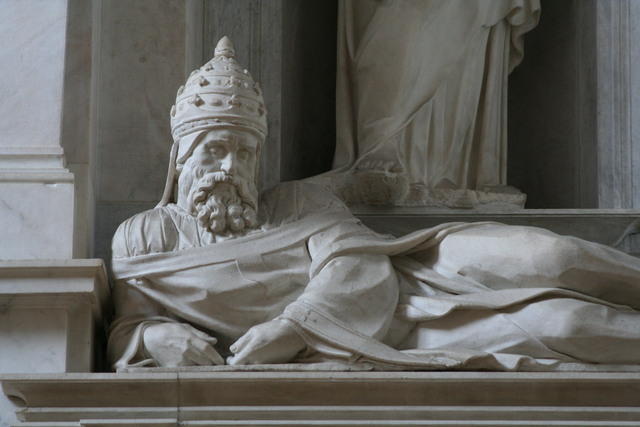
Fu lui ad avviare l’edificazione della nuova Basilica di San Pietro, affidando il progetto a Donato Bramante.
Fu lui a commissionarmi la propria colossale tomba, impresa che mi tormentò per quarant’anni.
Fu lui a impormi la volta della Cappella Sistina, impalcature, colori e fatiche che ancora porto nelle ossa.
E affidò a Raffaello Sanzio gli affreschi delle Stanze Vaticane.
Giulio II amava l’arte quanto amava il potere. Forse più del potere, perché l’arte lo avrebbe reso eterno.
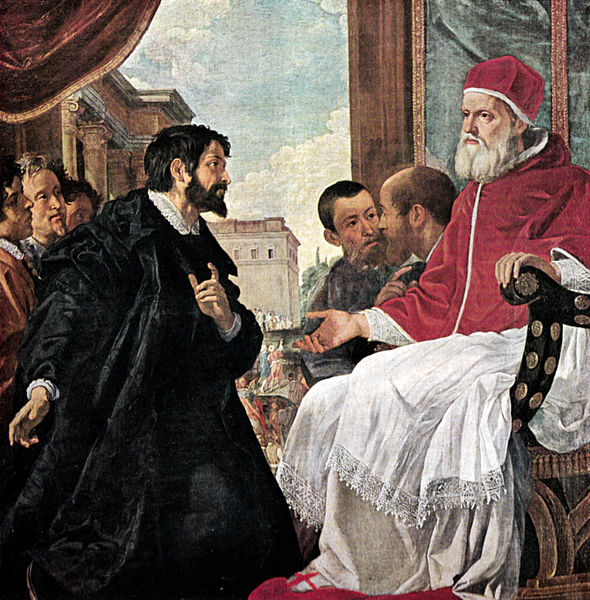
La coincidenza delle due date: segno del destino o ironia della storia?
Mi domando spesso se quel 21 febbraio sia stato solo un caso.
Il giorno in cui la sua figura venne consegnata all’eternità pubblica divenne, cinque anni più tardi, il giorno della sua morte, come se il tempo avesse chiuso un cerchio perfetto.
La sua scultura in bronzo non sopravvisse a lungo: fu distrutta dai bolognesi al rientro dei Bentivoglio poco dopo. Eppure la memoria di quell’opera, come quella del papa, continua a vivere.
Il bronzo si fonde, i papi muoiono ma le date restano incise nella storia come colpi di scalpello sulla pietra.
Per il momento il sempre vostro Michelangelo Buonarroti vi saluta dandovi appuntamento ai prossimi post e sui social.
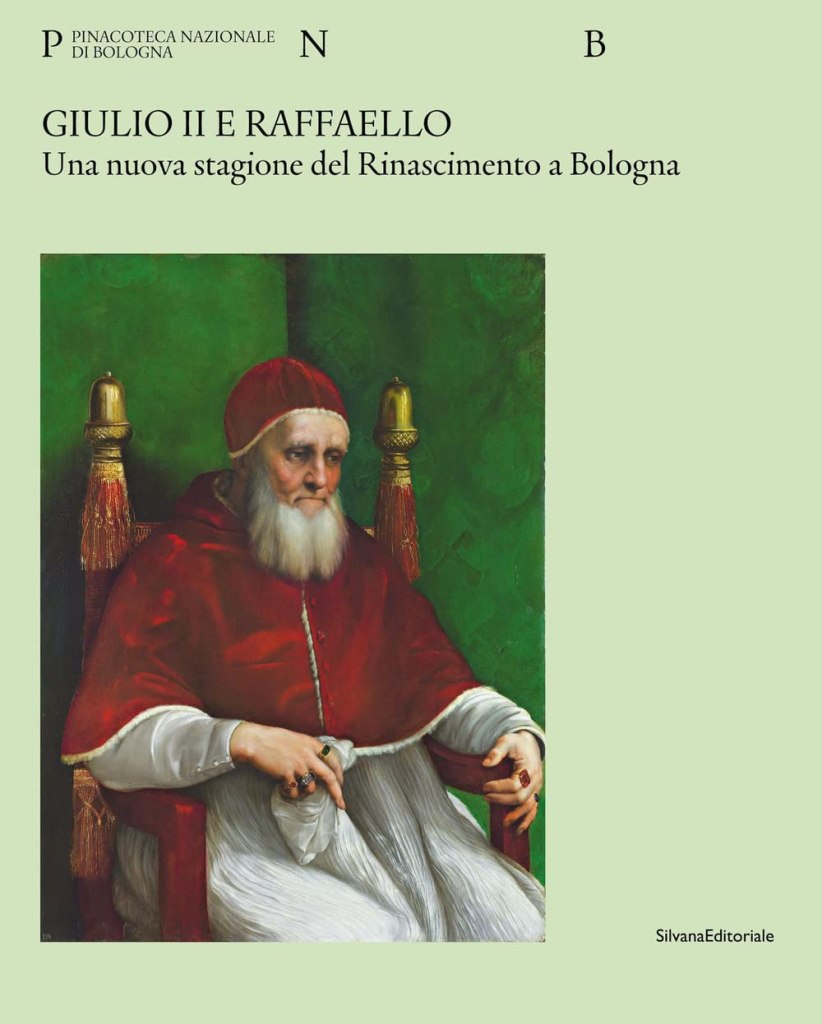
February 21, 1508 – February 21, 1513: The Fate of Julius II
February 21 is a date I cannot forget.
Not only because in 1508 my bronze statue of Pope Julius II, which had cost me so much tribulation, was erected on the façade of the Basilica of San Petronio, but also because, exactly five years later, on February 21, 1513, that same pontiff left this earthly world.
A coincidence that seems sculpted by fate.
The bronze colossus for Julius II: the troubled birth of a monumental work
When Julius II commissioned me to cast his bronze effigy for Bologna, I immediately understood that he did not want to be portrayed as a meek shepherd.
He wanted power. He wanted fear. He wanted dominion.
The casting was a torment.
The first one came out badly, and the second one was only half-successful. The bronze seemed to rebel against the desire to be molded into the likeness of a warrior pope. Months of polishing, of toil, of barely contained and sometimes unleashed rage followed.
Finally, on February 21, 1508, the work was placed in the niche above the main portal. Seated on a throne, almost five meters tall, the pontiff didn’t seem to bless: he seemed to curse.
And that’s how he wanted it.
The official inauguration took place on March 18, but for me the true fulfillment was that February day, when the bronze found its place and my torment ended, or almost.
February 21, 1513: the death of the warrior pope
Exactly five years later, on the night between February 20 and 21, 1513, Julius II della Rovere died.
The world did not lose a saint. We lost a power-hungry, unscrupulous man, capable of selling indulgences and ecclesiastical offices to finance his military campaigns. A pontiff who even sought support from the powerful Sienese banker Agostino Chigi to support his ventures.
Yet, with his death, one of the greatest patrons of the arts of our time also passed away.
The papal throne passed to Pope Leo X, born Giovanni de’ Medici. A new chapter was beginning for Rome.
Julius II: despot and patron of the Renaissance
I knew him well.
It was he who initiated the construction of the new St. Peter’s Basilica, entrusting the project to Donato Bramante.
It was he who commissioned his own colossal tomb, a task that tormented me for forty years.
It was he who imposed on me the ceiling of the Sistine Chapel, the scaffolding, colors, and labors that I still carry in my bones.
And he entrusted Raphael Sanzio with the frescoes in the Vatican Rooms.
Julius II loved art as much as he loved power. Perhaps more than power, because art would have made him eternal.
The coincidence of the two dates: a sign of destiny or an irony of history?
I often wonder if that February 21st was just a coincidence.
The day his figure was consigned to public eternity became, five years later, the day of his death, as if time had closed a perfect circle.
His bronze statue did not survive long—it was destroyed by the Bolognese upon the return of the Bentivoglio family shortly thereafter. Yet the memory of that work, like that of the pope, lives on.
Bronze melts, popes die, but dates remain engraved in history like chisel strokes on stone.
For now, yours truly, Michelangelo Buonarroti bids you farewell, saying he will see you in future posts and on social media.

Sostienici – Support Us
Se questo blog ti piace e ti appassiona, puoi aiutarci a farlo crescere sempre più sostenendoci in modo concreto condividendo i post, seguendo le pagine social e con un contributo che ci aiuta ad andare avanti con il nostro lavoro di divulgazione. . ENGLISH: If you like and are passionate about this blog, you can help us make it grow more and more by supporting us in a concrete way by sharing posts, following social pages and with a contribution that helps us to move forward with our dissemination work.
10,00 €
Articoli
Condividi:


Questo sono io





sostienici

Sostienici – Support Us
Se questo blog ti piace e ti appassiona, puoi aiutarci a farlo crescere sempre più sostenendoci in modo concreto condividendo i post, seguendo le pagine social e con un contributo che ci aiuta ad andare avanti con il nostro lavoro di divulgazione. . ENGLISH: If you like and are passionate about this blog, you can help us make it grow more and more by supporting us in a concrete way by sharing posts, following social pages and with a contribution that helps us to move forward with our dissemination work.
€10,00


