
Maschere del Carnevale di Venezia: l’arte dei mascareri tra cartapesta e tradizione
Nel cuore di Venezia, tra calli silenziose e botteghe affacciate sui canali, sopravvive un’arte antichissima che ancora oggi affascina il mondo: quella dei mascareri, gli artigiani che realizzano le celebri maschere del Carnevale di Venezia.
Non è solamente un lavoro manuale, ma le maschere vengono create mediante un elaborato processo creativo che unisce scultura, pittura e tecniche decorative in un’unica forma espressiva. Ogni maschera nasce dall’insieme di arti diverse per divenire un pezzo unico che in qualche modo raccontare chi l’ha creata.
Maschere veneziane in cartapesta: tradizione artigianale unica
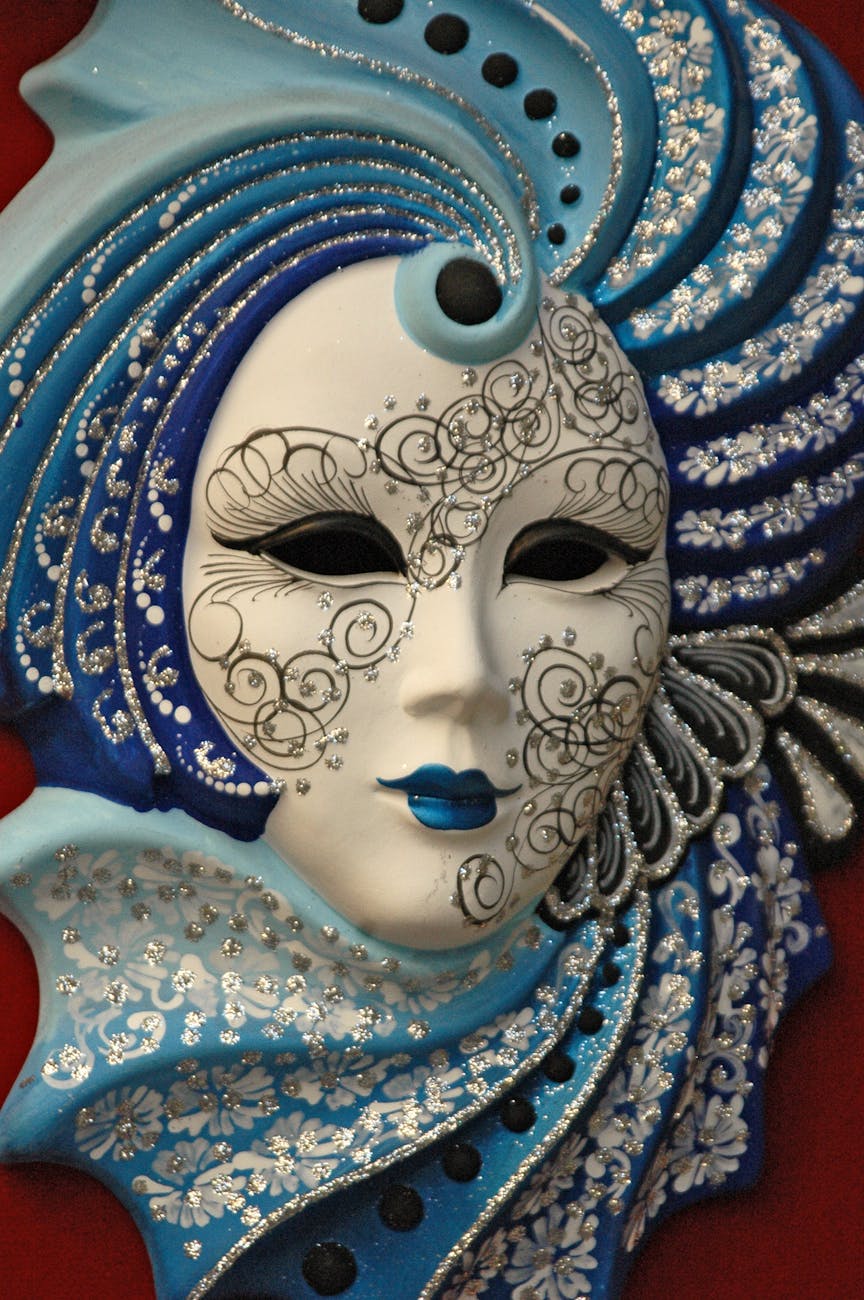
Realizzare maschere veneziane significa lavorare con la cartapesta pressata rigorosamente a mano. Gli artigiani utilizzano stampi di gesso per creare la forma di base, sovrapponendo fogli di carta imbevuti di colla fino a ottenere la struttura della maschera.
È un processo lento e paziente, dove la manualità ha un ruolo fondamentale. Nessuna maschera è identica a un’altra. Ogni passaggio viene eseguito a mano e riflette l’esperienza e la sensibilità dell’artigiano.
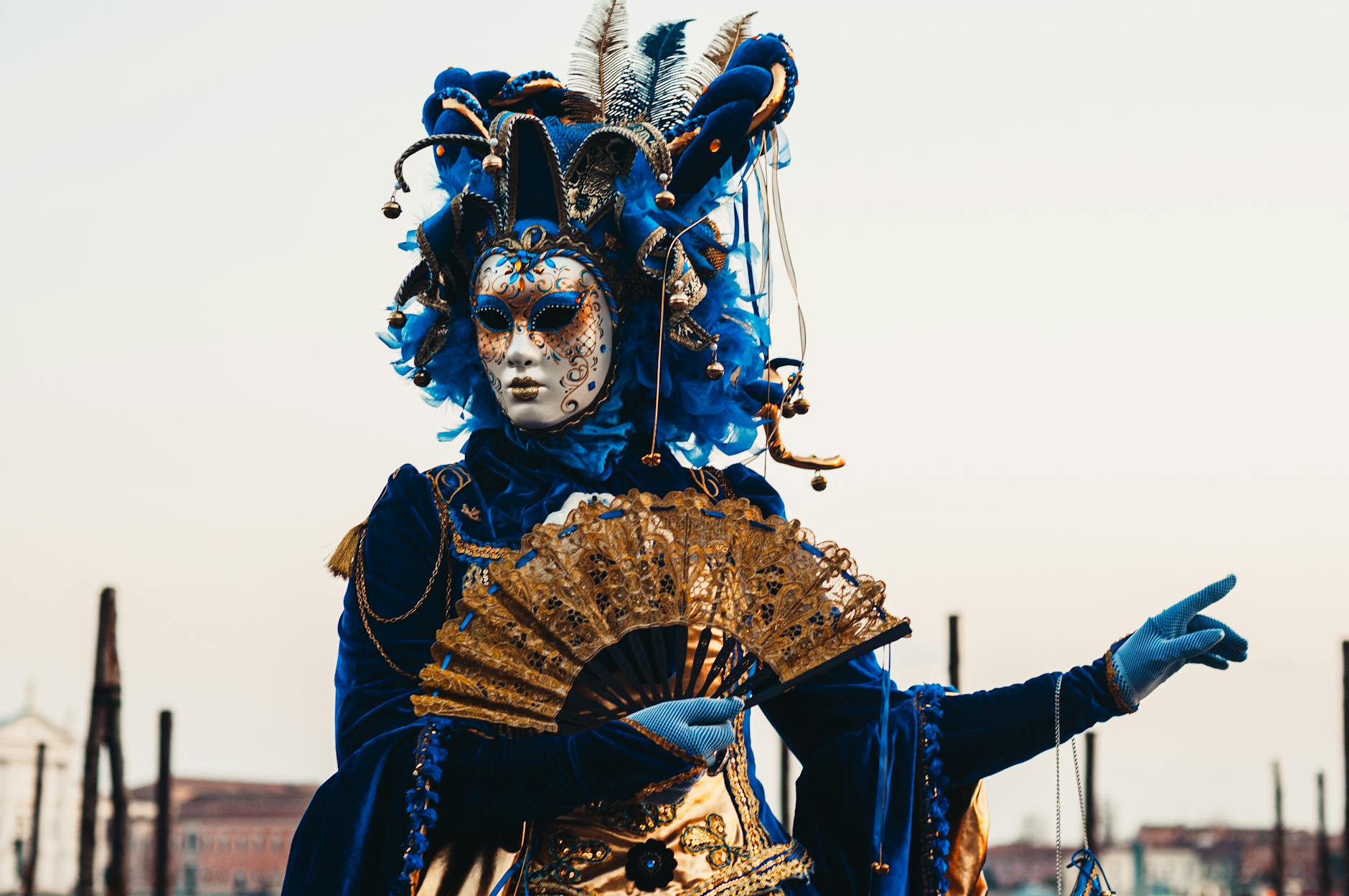
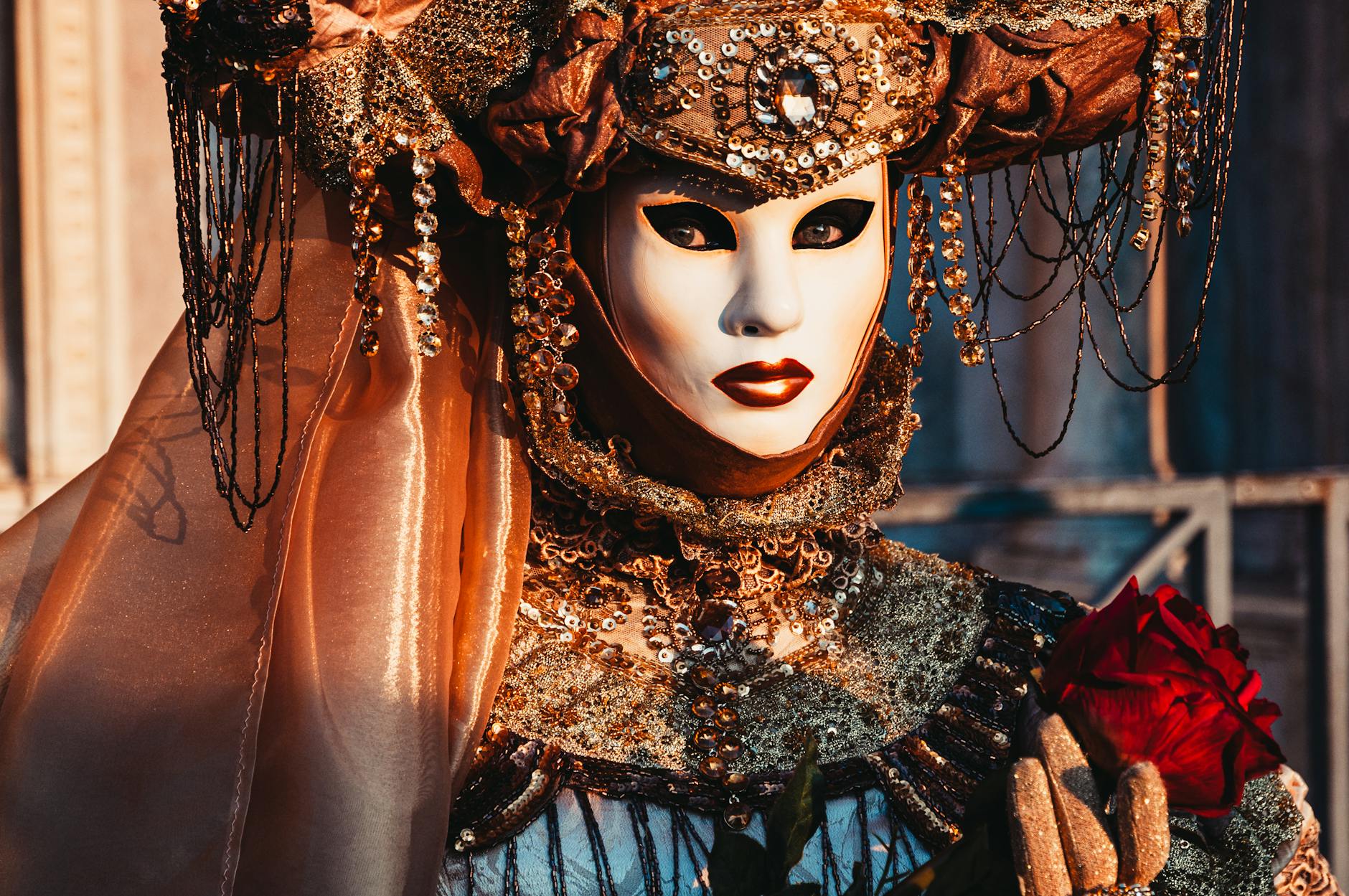
I materiali utilizzati per le decorazioni sono il risultato di una ricerca continua. Stoffe pregiate, piume naturali, gemme Swarovski, foglie d’oro e d’argento vengono applicate con cura per arricchire ogni creazione. A questi elementi si uniscono colori acrilici, brillantini, tessuti e tecniche di ombreggiatura che danno profondità ed espressione al volto della maschera. Una base neutra diventa così un oggetto artistico capace di evocare personaggi, emozioni e atmosfere.
L’arte dei mascareri: un mestiere antico nel cuore di Venezia
L’arte dei mascareri è uno dei mestieri artigianali più antichi di Venezia. Nelle piccole botteghe della città, tra scalpelli, pennelli e gommalacca, gli artigiani trascorrono le giornate lavorando con le mani immerse nella colla e nella carta.
Oggi in città si contano circa una trentina di mascareri, uomini e donne che hanno appreso il mestiere osservando genitori e nonni. Già nel 1773 le botteghe erano dodici, un numero sorprendentemente simile a quello attuale, segno di una tradizione rimasta viva nei secoli.
Come nasce una maschera del Carnevale di Venezia
Il processo di creazione inizia sempre da un calco in gesso. Si modella prima una forma in creta o si utilizza un modello già esistente, poi si ricopre con una colata di gesso liquido per catturare ogni dettaglio.
Successivamente si applica uno strato più solido che diventerà la struttura del calco. Dopo un periodo di asciugatura che può durare fino a una settimana, il modello viene rimosso e si verifica che non vi siano imperfezioni. A questo punto si applica la gommalacca, che impermeabilizza il gesso e lo rende pronto per essere utilizzato nella produzione delle maschere in cartapesta.
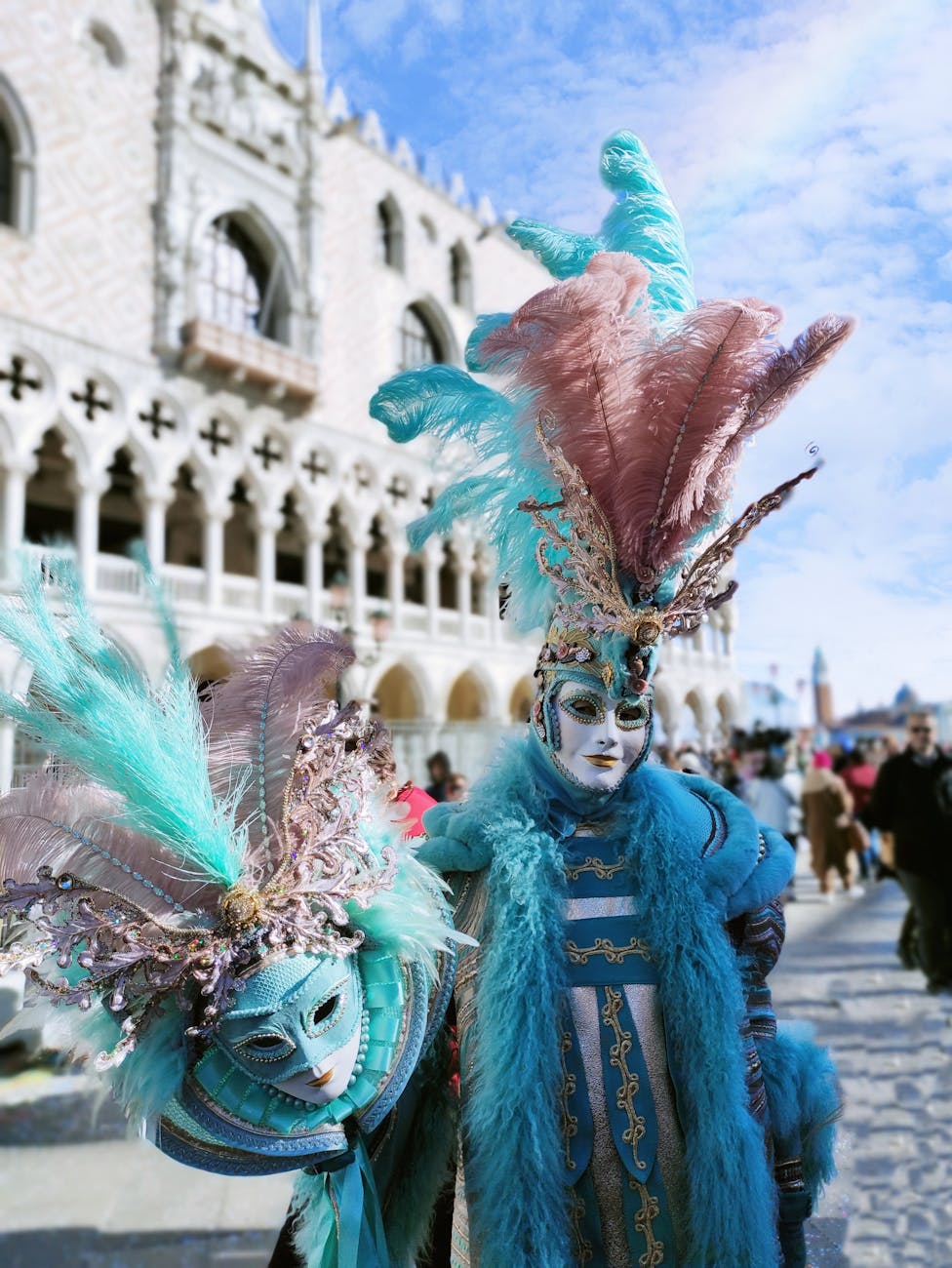
Le maschere veneziane più famose della tradizione
Tra i modelli più richiesti spiccano i grandi classici della tradizione veneziana, come la Bauta, Casanova, Pantalone e Arlecchino. Accanto a queste figure storiche, trovano spazio anche maschere ispirate a personaggi mitologici o fantasiosi.
Tra tutte, la più famosa anche all’estero resta la maschera del medico della peste, riconoscibile dal lungo becco e diventata un’icona del Carnevale.
La decorazione: quando la maschera diventa un’opera d’arte
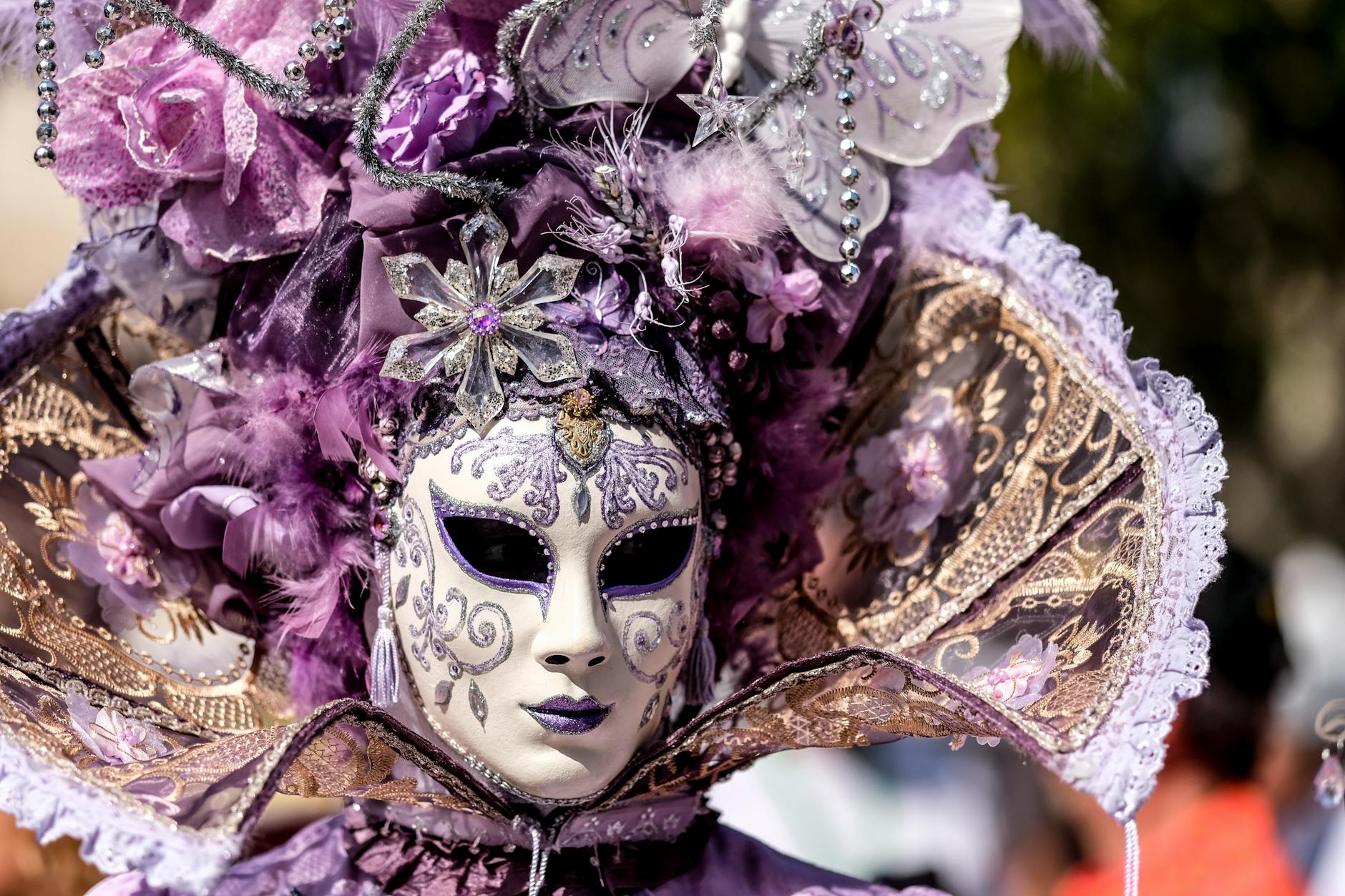
Una volta pronta la base in cartapesta, inizia la fase più creativa: la decorazione. L’artigiano lavora la superficie come fosse una tela bianca, applicando colori, tessuti e ornamenti.
Attraverso le sfumature e le ombreggiature si definiscono gli occhi, la bocca e il naso, dando vita a un’espressione unica. È in questo momento che la maschera acquista anima e personalità, trasformandosi da semplice oggetto in un volto carico di significato.
Le maschere in cuoio e la tradizione della Commedia dell’Arte
Accanto alle maschere in cartapesta, esiste anche la tradizione delle maschere in cuoio, legate al teatro e alla Commedia dell’Arte.
Il cuoio bagnato viene modellato manualmente su uno stampo, poi inchiodato e lavorato con martello di corno e stecca di legno fino a completa asciugatura. Solo alla fine si aprono gli occhi e il naso. È un procedimento che richiede pazienza e precisione, e per completare una maschera servono generalmente due o tre giorni di lavoro.
Le botteghe storiche dei mascareri a Venezia
Di cartapesta o di cuoio, dipinte a mano o decorate con tessuti preziosi, le maschere rappresentano una delle tradizioni più affascinanti della città lagunare. Tra le botteghe storiche che mantengono viva questa arte si trovano nomi noti come Ca’ Macana, Tragicomica, Atelier Marega, La Bauta, Cartapesta Rossi, Nardi Maschere e Original Venice Shop.
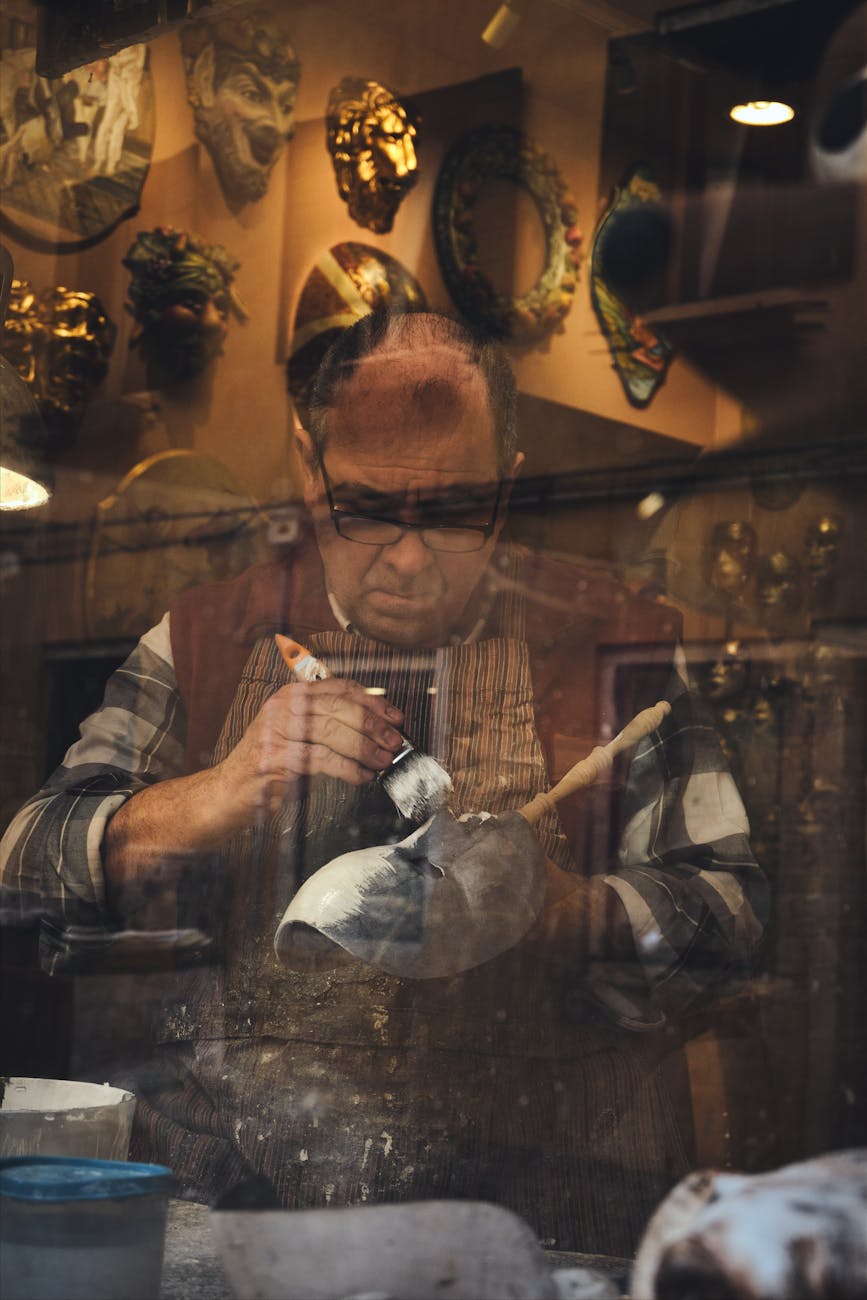
In questi luoghi la tradizione continua a vivere, tra profumo di colla e colori, mani esperte e gesti tramandati nel tempo. Ogni maschera che nasce a Venezia è un racconto di storia, artigianato e identità veneziana.
Per il momento il sempre vostro Michelangelo Buonarroti vi saluta dandovi appuntamento ai prossimi post e sui social.
Venice Carnival Masks: The Art of Mask Makers, Between Papier-mâché and Tradition
In the heart of Venice, amidst quiet streets and canal-side workshops, an ancient art still fascinates the world today: that of the mask makers, the artisans who create the famous Venice Carnival masks. This is not just manual labor, but a creative process that combines sculpture, painting, and decorative techniques into a single form of expression. Each mask is born from a synergy of different arts and becomes a unique piece, capable of expressing the personality of its creator.
Venetian Papier-mâché Masks: A Unique Artisanal Tradition
Making Venetian masks means working with papier-mâché, pressed strictly by hand. Artisans use plaster molds to create the basic shape, layering sheets of paper soaked in glue until the mask’s structure is achieved. It is a slow and patient process, where manual skill plays a fundamental role. No mask is identical to another, because every step is performed by hand and reflects the experience and sensitivity of the craftsman.
The materials used for the decorations are the result of ongoing research. Fine fabrics, natural feathers, Swarovski gemstones, gold and silver leaf are carefully applied to enrich each creation. These elements are combined with acrylic paints, glitter, fabrics, and shading techniques that give depth and expression to the mask’s face. A neutral base thus becomes an artistic object capable of evoking characters, emotions, and atmospheres.
The art of mask makers: an ancient craft in the heart of Venice
The art of mask makers is one of Venice’s oldest artisanal crafts. In the city’s small workshops, amidst chisels, brushes, and shellac, artisans spend their days working with their hands immersed in glue and paper. Today, there are about thirty mask makers in the city, men and women who learned the craft by observing their parents and grandparents. As early as 1773 there were twelve shops, a number surprisingly similar to the current one, a sign of a tradition that has remained alive over the centuries.
How a Venice Carnival Mask Is Made
The creation process always begins with a plaster cast. A clay form is first modeled or an existing one is used, then covered with a layer of liquid plaster to capture every detail. A more solid layer is then applied, which will become the structure of the cast. After a drying period that can last up to a week, the model is removed and checked for imperfections. Shellac is then applied, which waterproofs the plaster and prepares it for use in the production of papier-mâché masks.
The Most Famous Traditional Venetian Masks
Among the most sought-after models are the great classics of Venetian tradition, such as the Bauta, Casanova, Pantalone, and Harlequin. Alongside these historical figures, there are also masks inspired by mythological or fictional characters. Of these, the most famous, even abroad, remains the plague doctor mask, recognizable by its long beak and a Carnival icon.
Decoration: When the Mask Becomes a Work of Art
Once the papier-mâché base is ready, the most creative phase begins: decoration. The craftsman works the surface as if it were a blank canvas, applying colors, fabrics, and ornaments. Through shading and shading, the eyes, mouth, and nose are defined, creating a unique expression. It is at this point that the mask takes on soul and personality, transforming from a simple object into a face imbued with meaning.
Leather Masks and the Tradition of the Commedia dell’Arte
Alongside papier-mâché masks, there is also the tradition of leather masks, linked to theater and the Commedia dell’Arte. The wet leather is manually shaped on a mold, then nailed and worked with a horn hammer and a wooden stick until completely dry. Only at the end are the eyes and nose opened. It is a process that requires patience and precision, and it generally takes two or three days to complete a mask.
Venice’s Historic Mask-Making Workshops
Made of papier-mâché or leather, hand-painted or decorated with precious fabrics, masks represent one of the lagoon city’s most fascinating traditions. Among the historic workshops that keep this art alive are renowned names such as Ca’ Macana, Tragicomica, Atelier Marega, La Bauta, Cartapesta Rossi, Nardi Maschere, and Original Venice Shop.
In these places, tradition lives on, amid the scent of glue and paint, expert hands, and techniques passed down through time. Every mask created in Venice is not just a Carnival accessory, but a small fragment of Venetian history, craftsmanship, and identity.
For now, yours truly, Michelangelo Buonarroti bids you farewell and invites you to join him in future posts and on social media.

Sostienici – Support Us
Se questo blog ti piace e ti appassiona, puoi aiutarci a farlo crescere sempre più sostenendoci in modo concreto condividendo i post, seguendo le pagine social e con un contributo che ci aiuta ad andare avanti con il nostro lavoro di divulgazione. . ENGLISH: If you like and are passionate about this blog, you can help us make it grow more and more by supporting us in a concrete way by sharing posts, following social pages and with a contribution that helps us to move forward with our dissemination work.
10,00 €
Condividi:


Questo sono io





sostienici

Sostienici – Support Us
Se questo blog ti piace e ti appassiona, puoi aiutarci a farlo crescere sempre più sostenendoci in modo concreto condividendo i post, seguendo le pagine social e con un contributo che ci aiuta ad andare avanti con il nostro lavoro di divulgazione. . ENGLISH: If you like and are passionate about this blog, you can help us make it grow more and more by supporting us in a concrete way by sharing posts, following social pages and with a contribution that helps us to move forward with our dissemination work.
€10,00


Che spettacolo queste maschere!! 👏👏👏👏👏👍👍👍👍😊😉
"Mi piace""Mi piace"
sono dei capolavori artigianali straordinari
"Mi piace"Piace a 1 persona