
Io da solo con il marmo: la Notte prende vita nel dipinto di Joseph Noel Paton
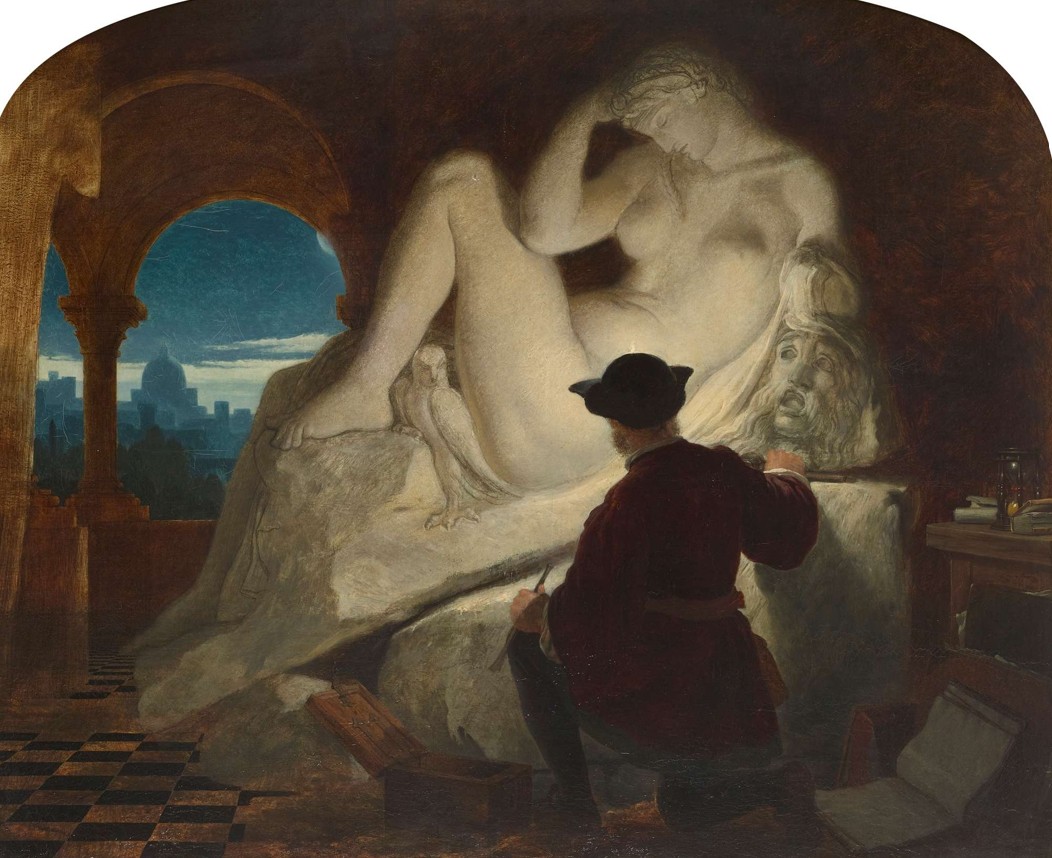
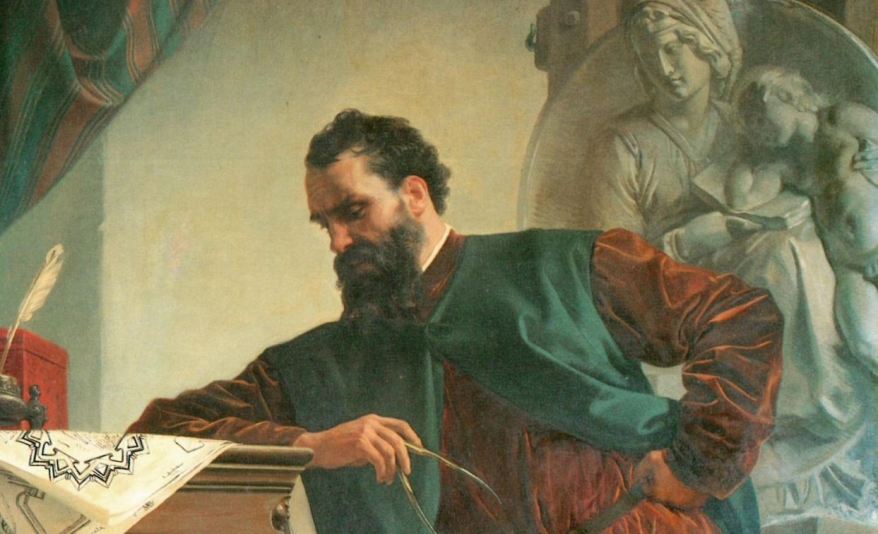
Quando Joseph Noel Paton mi ha immaginato nel suo dipinto, intento a scolpire la Notte, non mi ha ritratto come un’icona lontana nel tempo, ma come un uomo al lavoro, piegato sulla pietra, con il peso dell’idea ancora più dura del marmo.
Guardando quella tela, qualcosa dentro di vero ci riconosco: è l’istante in cui l’artista resta solo con il suo pensiero, davanti alla materia che sotto le sue mani prende forma.
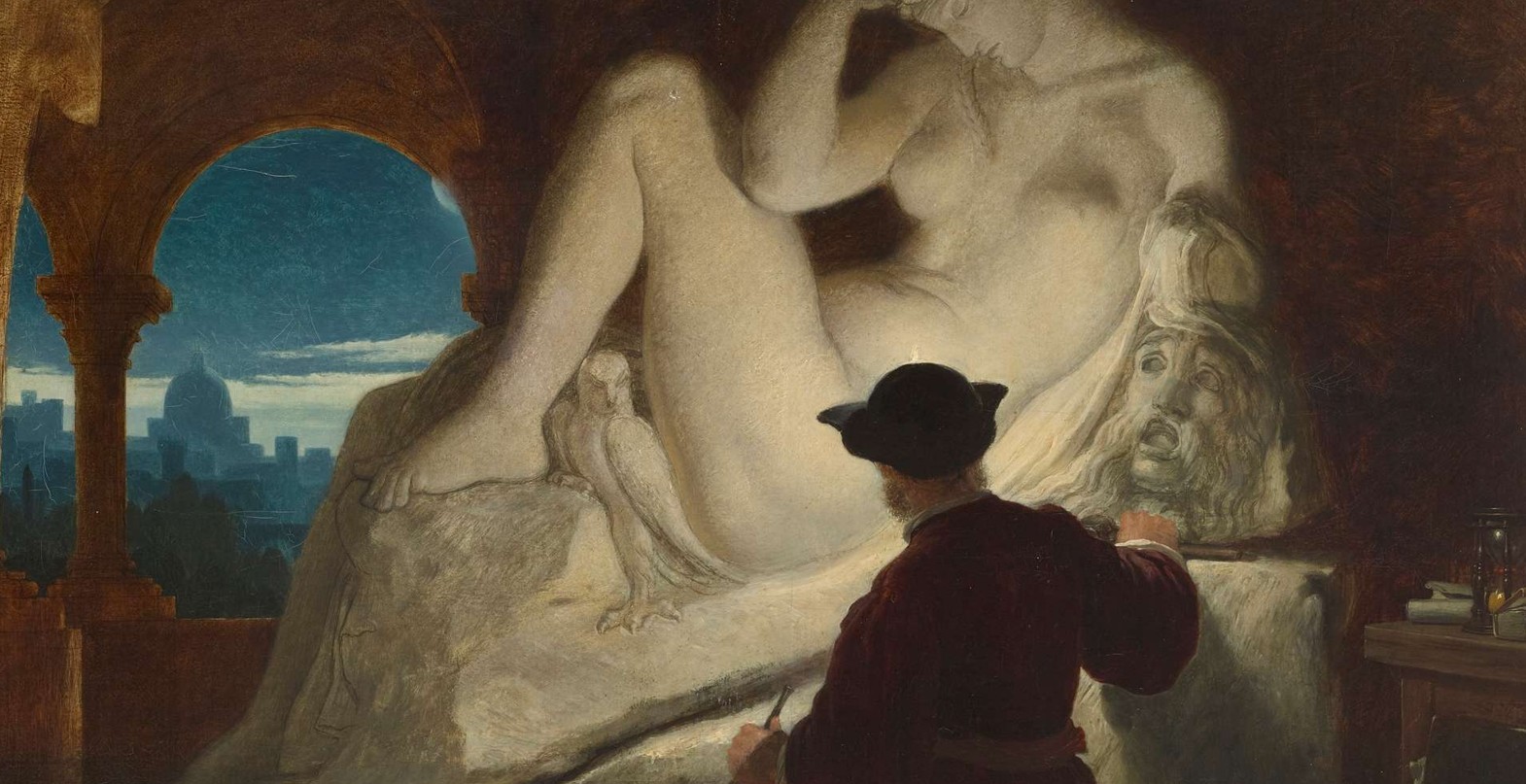
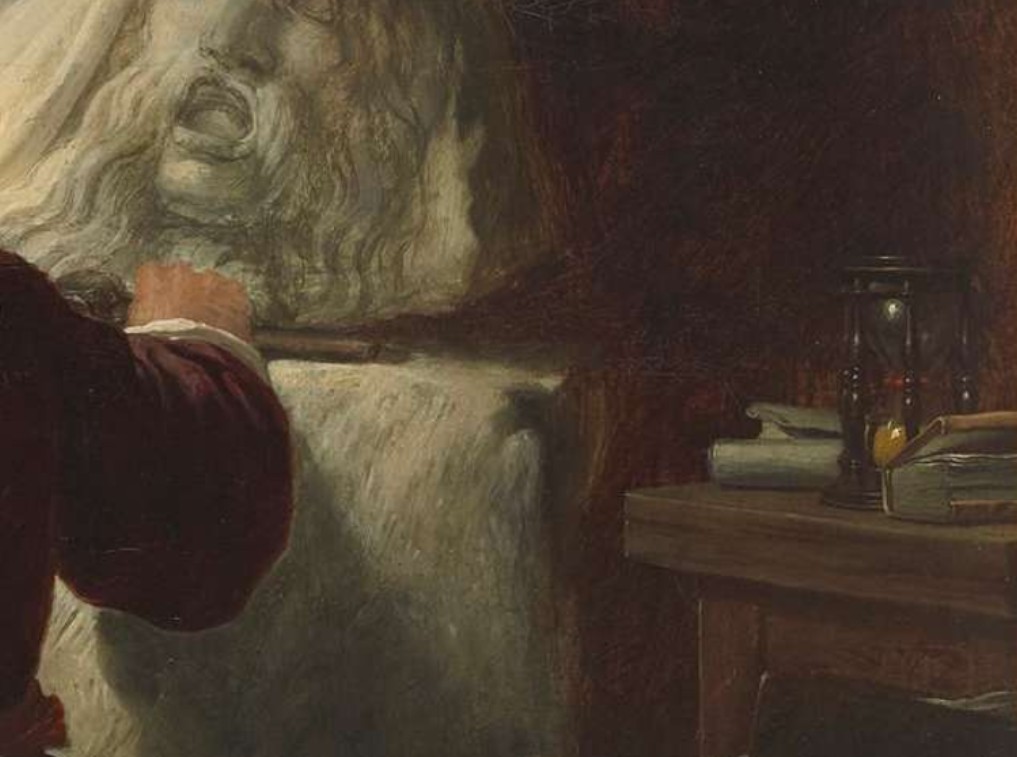
Paton mi dipinge nel cuore notte, mentre metto mano alla scultura della Notte pensata per la tomba di Giuliano de’ Medici Duca di Nemours. Sono ritratto di spalle e nonostante la scenografia teatrale, quello che si percepisce è la sobrietà del gesto data dalla necessità di scolpire. Nient’altro.
Nella sua tela, Paton dipinge l’opera in divenire, così come lo era nella mia mente. L’artista infatti con il suo pennello racconta il processo che condurrà poi all’opera finita.
Joseph Noel Paton: un romantico tra i Preraffaelliti
Joseph Noel Paton (1821–1901) nasce in Scozia, figlio di un incisore. Cresce tra disegno e letteratura, e porta nella pittura un amore profondo per il racconto, il simbolo, la precisione quasi miniata del dettaglio. È vicino allo spirito dei Preraffaelliti, pur mantenendo una voce propria: meno ribelle, più meditativa.
Diventa celebre per le scene tratte da Shakespeare e dal mondo delle fate ‘The Quarrel of Oberon and Titania, The Fairy Raid‘, ma non si limita al fantastico. Paton è un uomo del suo tempo: vittoriano, colto, attratto dalla moralità dell’arte e dalla grande tradizione del passato.
Nel 1866 viene nominato Queen’s Limner for Scotland, massimo riconoscimento ufficiale per un artista scozzese. È anche per questo che, guardando indietro al Rinascimento, non cerca l’aneddoto pittoresco, ma il dialogo tra epoche. Io non sono un pretesto decorativo: sono un interlocutore.
Per il momento il sempre vostro Michelangelo Buonarroti vi saluta dandovi appuntamento ai prossimi post e sui social.
Alone with Marble: Night Comes to Life in Joseph Noel Paton’s Painting
When Joseph Noel Paton imagined me in his painting, intent on sculpting Night, he didn’t portray me as a distant icon, but as a man at work, bent over the stone, bearing the weight of an idea even harder than the marble.
Looking at that canvas, I recognize something real within it: it’s the moment when the artist is alone with his thoughts, before the material taking shape beneath his hands.
Paton paints me in the dead of night, as I begin to work on the sculpture of Night conceived for the tomb of Giuliano de’ Medici, Duke of Nemours. I’m portrayed from behind, and despite the theatrical setting, what you perceive is the sobriety of the gesture born of the need to sculpt. Nothing else.
In his canvas, Paton depicts the work in progress, just as it was in my mind. Indeed, with his brush, the artist recounts the process that will lead to the finished work.
Joseph Noel Paton: A Romantic Among the Pre-Raphaelites
Joseph Noel Paton (1821–1901) was born in Scotland, the son of an engraver. He grew up surrounded by drawing and literature, and brought to his painting a profound love of storytelling, symbolism, and the almost miniature precision of detail. He was close to the spirit of the Pre-Raphaelites, while maintaining his own voice: less rebellious, more meditative.
He became famous for his scenes from Shakespeare and the world of fairies, “The Quarrel of Oberon and Titania, The Fairy Raid,” but he did not limit himself to fantasy. Paton was a man of his time: Victorian, cultured, attracted by the morality of art and the great tradition of the past.
In 1866, he was named Queen’s Limner for Scotland, the highest official recognition for a Scottish artist. This is also why, looking back at the Renaissance, I don’t seek picturesque anecdotes, but rather a dialogue between eras. I am not a decorative pretext: I am an interlocutor.
For now, yours truly, Michelangelo Buonarroti bids you farewell and invites you to join me in future posts and on social media.

Sostienici – Support Us
Se questo blog ti piace e ti appassiona, puoi aiutarci a farlo crescere sempre più sostenendoci in modo concreto condividendo i post, seguendo le pagine social e con un contributo che ci aiuta ad andare avanti con il nostro lavoro di divulgazione. . ENGLISH: If you like and are passionate about this blog, you can help us make it grow more and more by supporting us in a concrete way by sharing posts, following social pages and with a contribution that helps us to move forward with our dissemination work.
10,00 €

Condividi:


Questo sono io





sostienici

Sostienici – Support Us
Se questo blog ti piace e ti appassiona, puoi aiutarci a farlo crescere sempre più sostenendoci in modo concreto condividendo i post, seguendo le pagine social e con un contributo che ci aiuta ad andare avanti con il nostro lavoro di divulgazione. . ENGLISH: If you like and are passionate about this blog, you can help us make it grow more and more by supporting us in a concrete way by sharing posts, following social pages and with a contribution that helps us to move forward with our dissemination work.
€10,00


