

Furto choc nei Paesi Bassi: rubata l’intera collezione di argenti antichi dello Zilvermuseum di Doesburg
Un colpo notturno ha cancellato in poche ore decenni di storia, artigianato e memoria culturale. L’intera collezione di argenteria antica dello Zilvermuseum di Doesburg, nei Paesi Bassi, è stata rubata nella notte tra il 20 e il 21 gennaio.
Circa 300 oggetti unici, databili tra il Settecento e gli anni Venti del Novecento, sono spariti dal piccolo museo ospitato all’interno della Grote Kerk (chiesa Martini), nel centro della città anseatica.
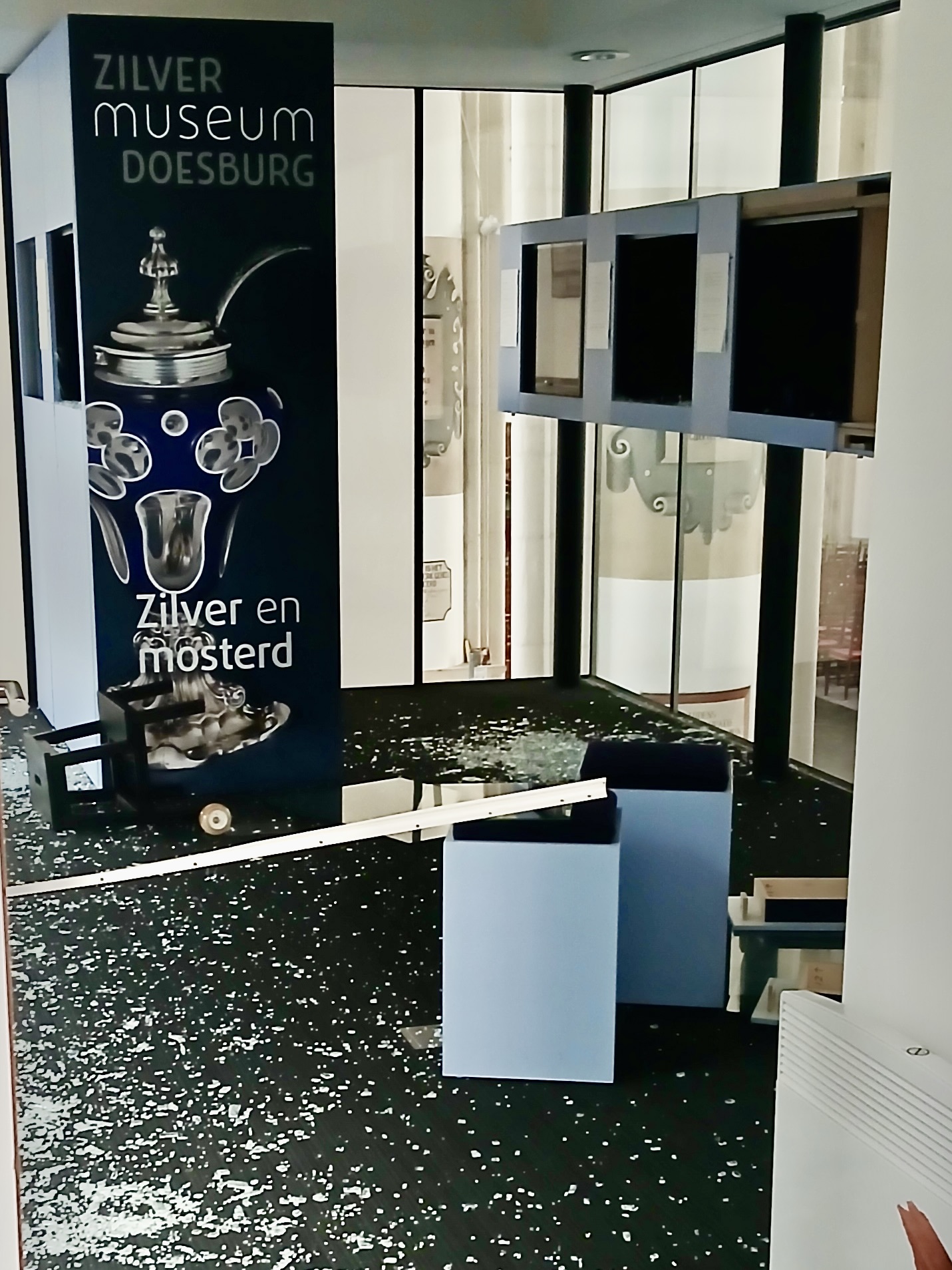
Il colpo all’alba: distrutte tutte le vetrine
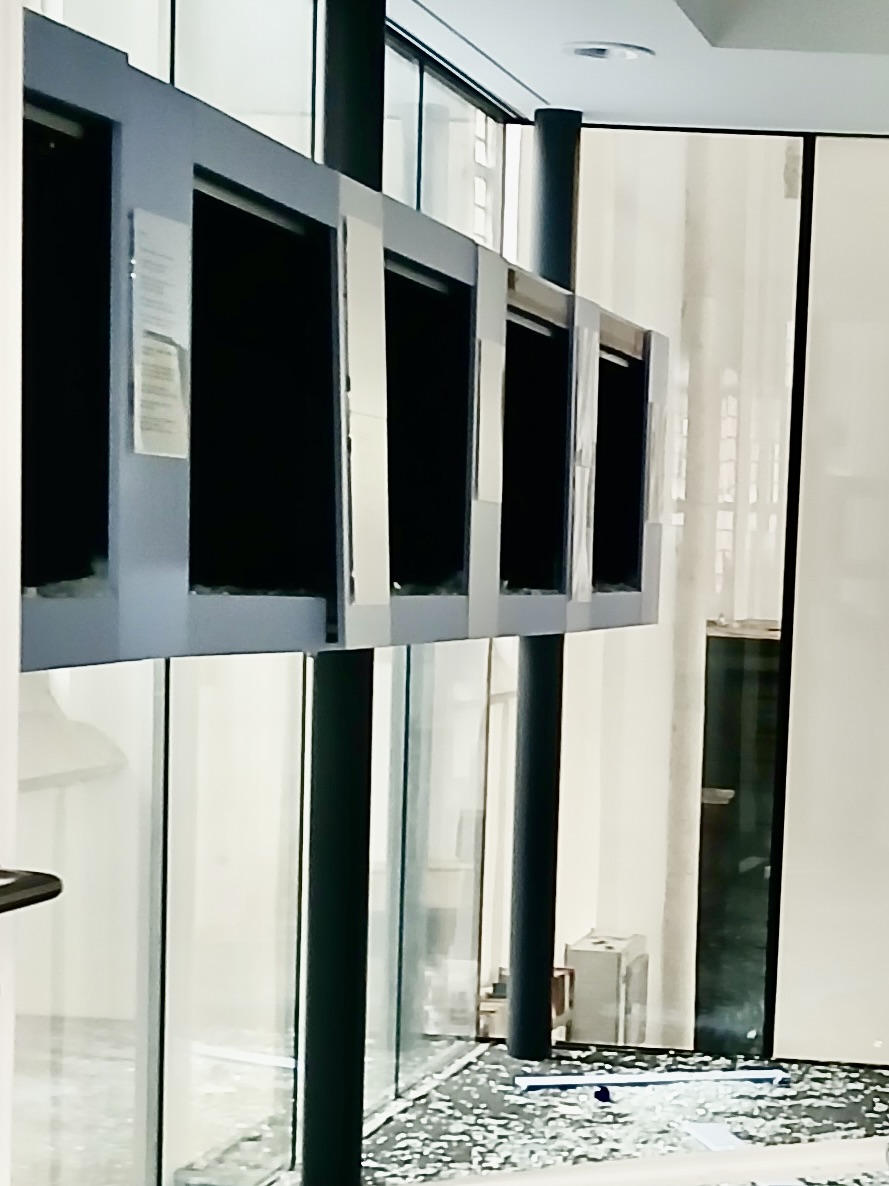
Secondo quanto comunicato dal museo e confermato dalla polizia, due uomini sono entrati nella chiesa intorno alle 4:30 del mattino, passando dall’ingresso della torre. Dopo aver forzato la porta del museo con un piede di porco, hanno distrutto tutte e 14 le vetrine e portato via l’intera collezione in pochi minuti.
Sono stati risparmiati solo alcuni oggetti in ceramica, esposti temporaneamente. Il museo, pur essendo dotato di telecamere e sistema di allarme, non è riuscito a impedire il furto: «Le telecamere hanno registrato solo per un breve periodo, poi sono state distrutte», ha dichiarato il presidente del museo Ernst Boesveld.
Un patrimonio da oltre 25 Paesi
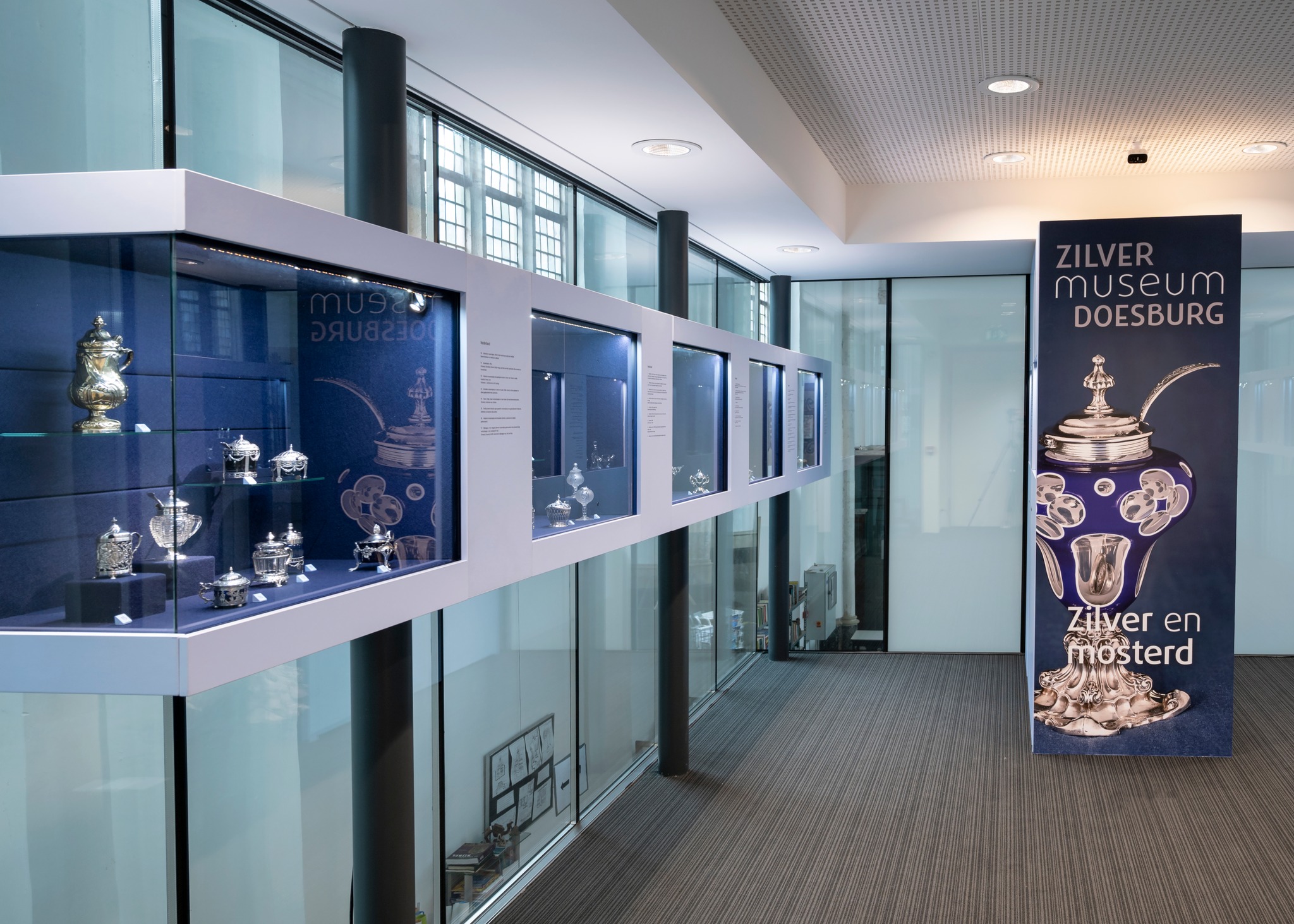
La collezione, raccolta in decenni dal fondatore Martin de Kleijn, comprendeva argenti provenienti da oltre 25 Paesi, con un forte legame alla tradizione produttiva di Doesburg, celebre storicamente per la senape.
Tra i pezzi rubati:
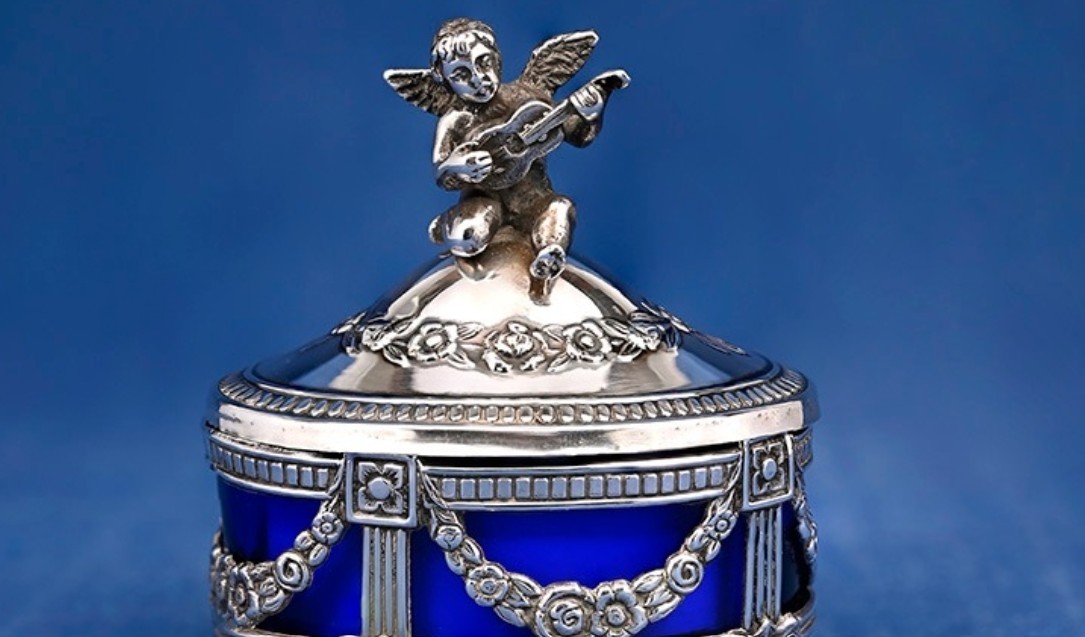
- vasetti da senape in argento,
- cucchiai e oliere,
- tabacchiere,
- oggetti legati alle industrie del burro, dell’aceto e del tabacco.
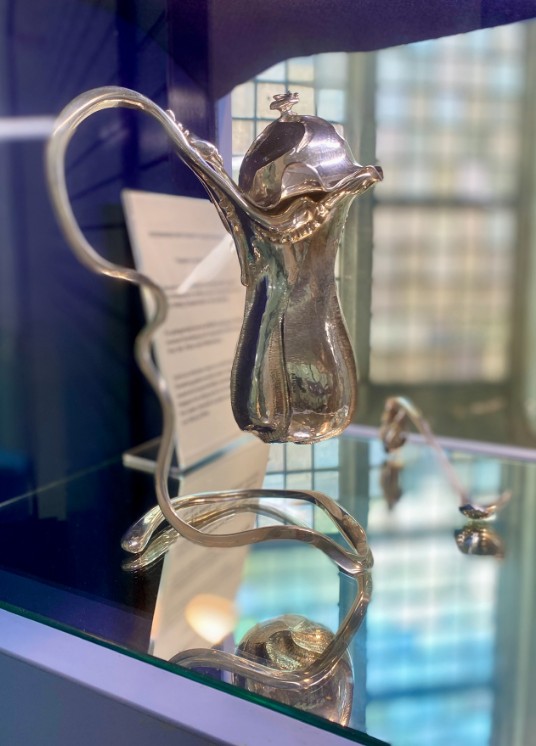
Particolarmente simbolico era un vasetto da senape in argento con cucchiaio, realizzato appositamente per il museo dall’argentiere locale Marcel Blok per l’inaugurazione del 2021. Il pezzo, decorato con lo stemma cittadino, pesava 693 grammi ed era considerato irripetibile.
“Non è solo argento, ma storia”
Il valore economico della refurtiva è stimato in decine di migliaia di euro, ma per chi ha creato e curato il museo la perdita va ben oltre l’aspetto finanziario.
«Non si tratta solo del furto dell’argento, ma di storie, artigianato e storia», ha dichiarato de Kleijn.
«Oggetti raccolti con cura nel corso di decenni sono scomparsi dall’oggi al domani. È una perdita personale, ma anche una perdita enorme per la città di Doesburg».
Il sospetto: argento destinato alla fusione
Lo Zilvermuseum collega il furto all’aumento del prezzo dell’argento, quasi raddoppiato negli ultimi cinque anni e cresciuto ulteriormente negli ultimi mesi a causa delle tensioni geopolitiche globali. In periodi di incertezza, gli investitori si rifugiano nei metalli preziosi, rendendo l’argento un obiettivo appetibile per il mercato nero.
«Se l’argento viene fuso, non resterà nulla», ha ammesso Boesveld, esprimendo poche speranze di recupero dei pezzi, nonostante l’assicurazione copra il danno economico.
Indagini in corso
La polizia olandese sta indagando sul furto e ha avviato la raccolta dei filmati di videosorveglianza dell’area intorno alla chiesa. Al momento non sono stati effettuati arresti.
Nel frattempo, il museo rimane chiuso al pubblico: «Non abbiamo quasi più nulla da mostrare», ha dichiarato la direzione. Quello che fino a pochi giorni fa veniva definito su LinkedIn “il museo più piccolo nella chiesa più grande di Doesburg” è oggi uno spazio svuotato, simbolo di una ferita culturale ancora aperta.
Per il momento il sempre vostro Michelangelo Buonarroti vi saluta dandovi appuntamento ai prossimi post e sui social.
Shocking robbery in the Netherlands: the entire collection of antique silver from the Zilvermuseum in Doesburg is stolen
A nighttime robbery erased decades of history, craftsmanship, and cultural memory in just a few hours. The entire collection of antique silver from the Zilvermuseum in Doesburg, Netherlands, was stolen during the night between January 20th and 21st. Approximately 300 unique objects, dating from the 18th century to the 1920s, disappeared from the small museum housed inside the Grote Kerk (Martini Church), in the center of the Hanseatic city.
The dawn robbery: all display cases destroyed
According to the museum and confirmed by the police, two men entered the church around 4:30 a.m., passing through the tower entrance. After forcing open the museum door with a crowbar, they smashed all 14 display cases and stole the entire collection in just a few minutes.
Only a few ceramic objects, temporarily displayed, were spared. The museum, despite being equipped with cameras and an alarm system, was unable to prevent the theft: “The cameras only recorded for a short time, then they were destroyed,” said museum president Ernst Boesveld.
A heritage from over 25 countries
The collection, assembled over decades by founder Martin de Kleijn, included silver from over 25 countries, with strong ties to the production tradition of Doesburg, historically famous for its mustard.
Among the stolen pieces:
silver mustard jars,
spoons and cruets,
snuff boxes,
objects related to the butter, vinegar, and tobacco industries.
A particularly symbolic piece was a silver mustard jar with spoon, specially made for the museum by local silversmith Marcel Blok for the 2021 inauguration. The piece, decorated with the city coat of arms, weighed 693 grams and was considered unique.
“It’s not just silver, but history”
The economic value of the stolen goods is estimated at tens of thousands of euros, but for those who created and curated the museum, the loss goes far beyond the financial aspect.
“It’s not just the theft of silver, but stories, craftsmanship, and history,” said de Kleijn.
“Objects carefully collected over decades have disappeared overnight. It’s a personal loss, but also a huge loss for the city of Doesburg.”
The suspicion: silver destined for melting
The Zilvermuseum links the theft to the surge in the price of silver, which has nearly doubled in the last five years and has risen further in recent months due to global geopolitical tensions. In times of uncertainty, investors flock to precious metals, making silver a tempting target for the black market.
“If the silver is melted down, there will be nothing left,” Boesveld admitted, expressing little hope of recovering the pieces, despite insurance covering the financial loss.
Investigations underway
Dutch police are investigating the theft and have begun collecting video surveillance footage from the area around the church. No arrests have been made so far.
Meanwhile, the museum remains closed to the public: “We have almost nothing left to show,” the management stated. What until a few days ago was described on LinkedIn as “the smallest museum in the largest church in Doesburg” is now an empty space, a symbol of a still-open cultural wound.
For now, yours truly, Michelangelo Buonarroti bids farewell and invites you to see him in future posts and on social media.

Sostienici – Support Us
Se questo blog ti piace e ti appassiona, puoi aiutarci a farlo crescere sempre più sostenendoci in modo concreto condividendo i post, seguendo le pagine social e con un contributo che ci aiuta ad andare avanti con il nostro lavoro di divulgazione. . ENGLISH: If you like and are passionate about this blog, you can help us make it grow more and more by supporting us in a concrete way by sharing posts, following social pages and with a contribution that helps us to move forward with our dissemination work.
10,00 €
Condividi:


Questo sono io





sostienici

Sostienici – Support Us
Se questo blog ti piace e ti appassiona, puoi aiutarci a farlo crescere sempre più sostenendoci in modo concreto condividendo i post, seguendo le pagine social e con un contributo che ci aiuta ad andare avanti con il nostro lavoro di divulgazione. . ENGLISH: If you like and are passionate about this blog, you can help us make it grow more and more by supporting us in a concrete way by sharing posts, following social pages and with a contribution that helps us to move forward with our dissemination work.
€10,00


Mi chiedo sempre come facciano a non avere strumenti adeguati per prevenire certe situazioni, buon sabato…👍👍👍👍👍👍😉😉😊😊😊👏
"Mi piace"Piace a 1 persona