

Van Dyck a Genova: la più grande mostra degli ultimi 25 anni arriva a Palazzo Ducale
Genova si prepara a ospitare uno degli eventi culturali più attesi del 2026 in Italia: la più ampia mostra dedicata ad Anthony van Dyck degli ultimi venticinque anni.
A partire da marzo, le sale di Palazzo Ducale accoglieranno circa 60 opere del grande maestro fiammingo in una retrospettiva di respiro internazionale che si annuncia come un appuntamento imperdibile per studiosi, appassionati e pubblico generalista.
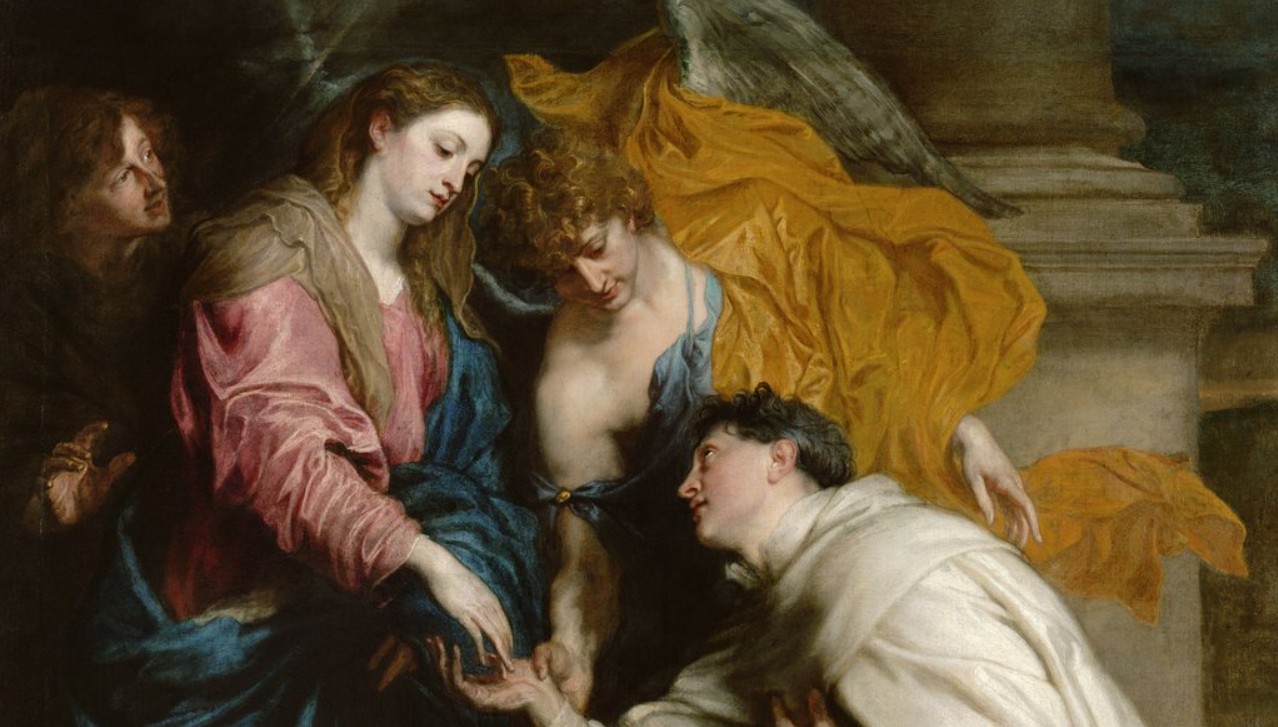
La mostra, intitolata ‘Van Dyck l’europeo. Il viaggio di un genio da Anversa a Genova e Londra‘, sarà curata da Anna Orlando e Katlijne Van der Stighelen, con il supporto di un comitato scientifico internazionale. L’esposizione ricostruisce il profilo biografico e artistico di Van Dyck attraverso 58 opere articolate in dieci sezioni tematiche, proponendo una lettura ampia e complessa di uno degli artisti più influenti del Seicento europeo.
L’eccezionalità della rassegna non risiede soltanto nelle dimensioni, ma soprattutto nella qualità dei prestiti, molti dei quali arrivano da alcuni dei più importanti musei del mondo.
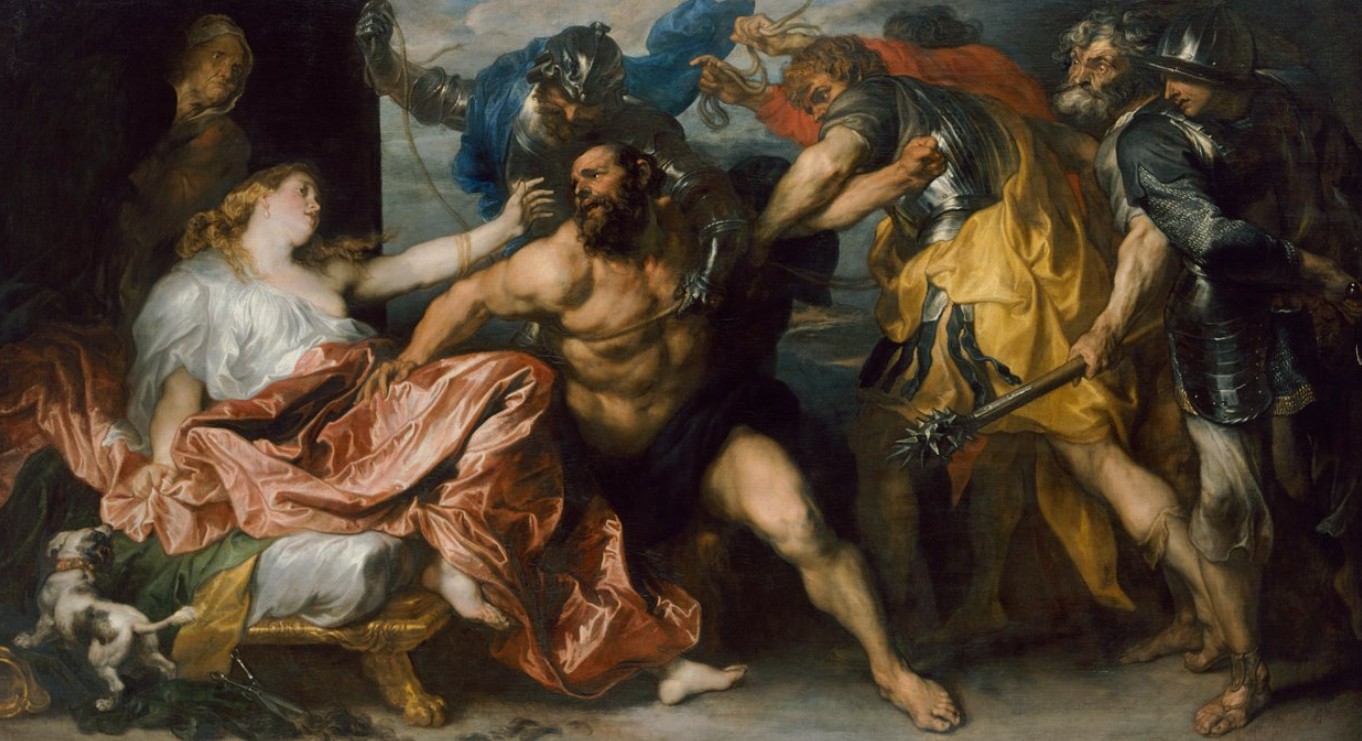
Tra le istituzioni coinvolte figurano il Louvre, il Prado, la National Gallery di Londra e il Kunsthistorisches Museum di Vienna, accanto a grandi realtà museali italiane come gli Uffizi, la Pinacoteca di Brera e la Galleria Sabauda. A questi si aggiungono prestigiose fondazioni e collezioni internazionali, tra cui la belga Phoebus e la portoghese Gaudium Magnum, che contribuiscono a rendere l’esposizione unica nel panorama europeo.
Il percorso espositivo supera la tradizionale scansione cronologica per offrire una lettura tematica dell’opera di Van Dyck, mettendo in luce la sua straordinaria capacità di parlare a pubblici diversi, ieri come oggi. Accanto al celebre Van Dyck ritrattista, che sarà rappresentato da opere provenienti da tutte le fasi della sua carriera, la mostra dedica ampio spazio anche alla produzione sacra, meno conosciuta dal grande pubblico ma di altissima intensità emotiva e pittorica.
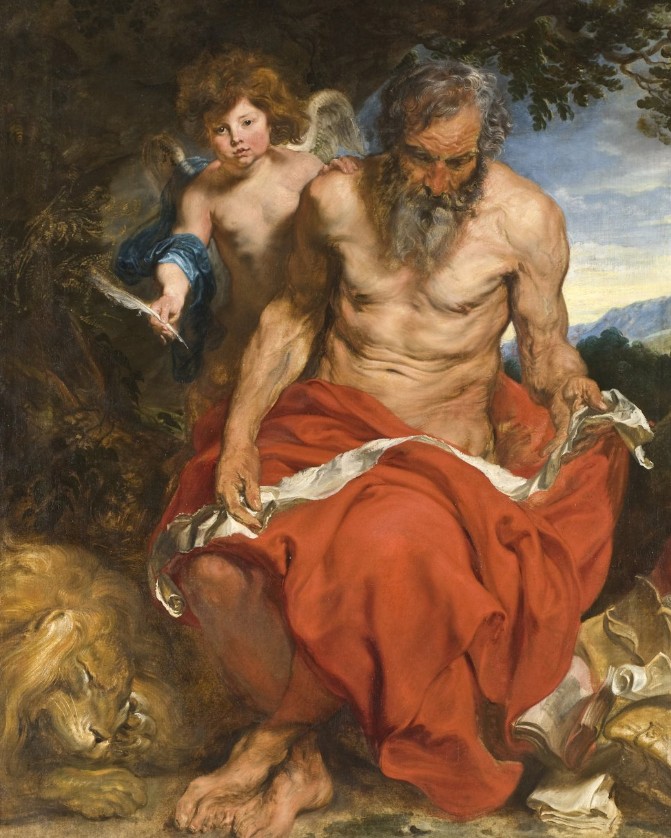
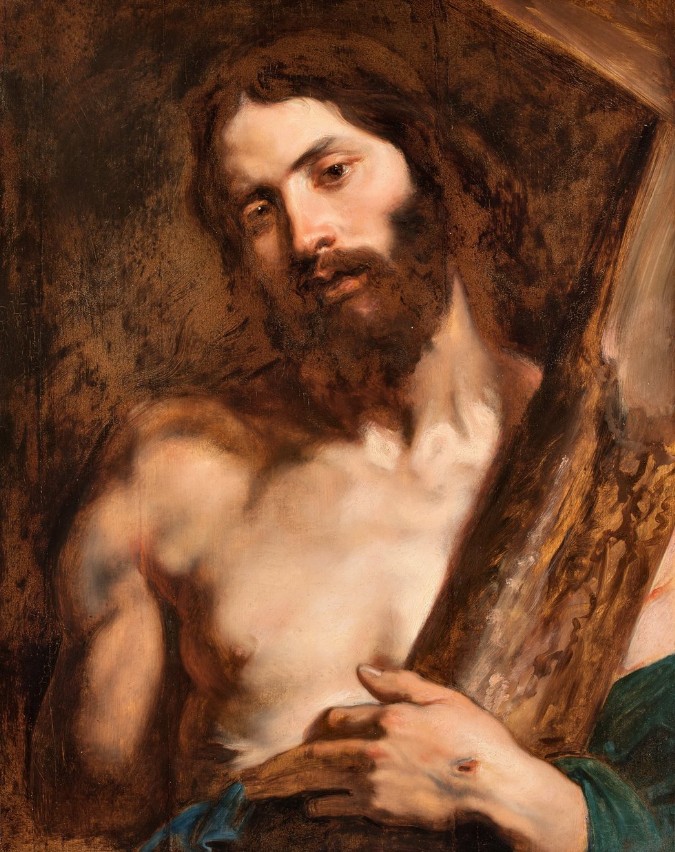
Tra i capolavori annunciati spiccano il celeberrimo Matrimonio mistico di Santa Caterina del Museo del Prado e il San Sebastiano della Scottish National Gallery di Edimburgo, affiancati da opere raramente visibili come un Ecce Homo proveniente da una collezione privata europea. Particolarmente significativa sarà anche la presenza della monumentale Crocifissione della chiesa di San Michele di Pagana a Rapallo, l’unica pala pubblica mai realizzata da Van Dyck per la Liguria, che per l’occasione verrà eccezionalmente rimossa dall’altare.
Ad aprire il percorso espositivo sarà il primo autoritratto noto dell’artista, realizzato in età adolescenziale e prestato dall’Accademia di Belle Arti di Vienna, una sorta di dichiarazione precoce della sua genialità e del destino europeo che lo attendeva.
La scelta di Genova come sede della mostra non è casuale.
La città ligure occupa infatti un ruolo centrale nella biografia di Van Dyck, che vi soggiornò a lungo tra il 1621 e il 1627. Fu proprio a Genova che l’artista entrò in contatto con l’aristocrazia locale, elaborando quel linguaggio ritrattistico raffinato ed elegante che lo avrebbe reso celebre in tutta Europa. Per questo motivo, l’esposizione dialogherà strettamente con il contesto urbano, coinvolgendo le collezioni civiche genovesi e i Musei di Strada Nuova, in un percorso diffuso che valorizza anche le opere dei suoi contemporanei nordici.
Con questa grande mostra, Genova rafforza il legame storico con uno dei protagonisti assoluti della pittura barocca e restituisce al pubblico il ritratto di un artista profondamente europeo, capace di attraversare culture, città e linguaggi visivi.
Il sempre vostro Michelangelo Buonarroti vi saluta dandovi appuntamento ai prossimi post e sui social
Van Dyck in Genoa: the largest exhibition in the last 25 years arrives at the Palazzo Ducale
Genoa is preparing to host one of the most anticipated cultural events of 2026 in Italy: the largest exhibition dedicated to Anthony van Dyck in the last twenty-five years. Beginning in March, the Palazzo Ducale will host approximately 60 works by the great Flemish master in an international retrospective that promises to be an unmissable event for scholars, enthusiasts, and the general public.
The exhibition, entitled “Van Dyck the European. The Journey of a Genius from Antwerp to Genoa and London,” will be curated by Anna Orlando and Katlijne Van der Stighelen, with the support of an international scientific committee. The exhibition reconstructs Van Dyck’s biographical and artistic profile through 58 works divided into ten thematic sections, offering a broad and complex interpretation of one of the most influential artists of seventeenth-century Europe.
The exhibition’s exceptional nature lies not only in its size, but above all in the quality of the loans, many of which come from some of the world’s most important museums.
The participating institutions include the Louvre, the Prado, the National Gallery in London, and the Kunsthistorisches Museum in Vienna, alongside major Italian museums such as the Uffizi, the Pinacoteca di Brera, and the Galleria Sabauda. These are joined by prestigious international foundations and collections, including the Belgian Phoebus and the Portuguese Gaudium Magnum, which contribute to making the exhibition unique in Europe.
The exhibition goes beyond the traditional chronological order to offer a thematic interpretation of Van Dyck’s work, highlighting his extraordinary ability to resonate with diverse audiences, both past and present. Alongside Van Dyck’s celebrated portraitist, who will be represented by works from all phases of his career, the exhibition also devotes ample space to his religious works, less well-known to the general public but of the highest emotional and pictorial intensity.
Among the announced masterpieces are the celebrated Mystic Marriage of Saint Catherine from the Prado Museum and Saint Sebastian from the Scottish National Gallery in Edinburgh, alongside rarely seen works such as an Ecce Homo from a private European collection. Also particularly significant will be the monumental Crucifixion from the church of San Michele di Pagana in Rapallo, the only public altarpiece Van Dyck ever created for Liguria, which will be exceptionally removed from the altar for the occasion.
The exhibition opens with the artist’s first known self-portrait, painted in his adolescence and on loan from the Academy of Fine Arts in Vienna, a precocious declaration of his genius and the European destiny that awaited him.
The choice of Genoa as the venue for the exhibition is no coincidence.
The Ligurian city plays a central role in Van Dyck’s life, as he spent a long time there between 1621 and 1627. It was in Genoa that the artist came into contact with the local aristocracy, developing the refined and elegant portraiture that would make him famous throughout Europe. For this reason, the exhibition will engage closely with the urban context, drawing on the Genoese civic collections and the Strada Nuova Museums in a comprehensive exhibition that also showcases the works of his Nordic contemporaries.
With this major exhibition, Genoa strengthens its historical connection with one of the leading figures of Baroque painting and offers the public a portrait of a profoundly European artist, capable of transcending cultures, cities, and visual languages.
Always yours, Michelangelo Buonarroti bids farewell and invites you to join him in future posts and on social media.

Sostienici – Support Us
Se questo blog ti piace e ti appassiona, puoi aiutarci a farlo crescere sempre più sostenendoci in modo concreto condividendo i post, seguendo le pagine social e con un contributo che ci aiuta ad andare avanti con il nostro lavoro di divulgazione. . ENGLISH: If you like and are passionate about this blog, you can help us make it grow more and more by supporting us in a concrete way by sharing posts, following social pages and with a contribution that helps us to move forward with our dissemination work.
10,00 €
Condividi:


Questo sono io





sostienici

Sostienici – Support Us
Se questo blog ti piace e ti appassiona, puoi aiutarci a farlo crescere sempre più sostenendoci in modo concreto condividendo i post, seguendo le pagine social e con un contributo che ci aiuta ad andare avanti con il nostro lavoro di divulgazione. . ENGLISH: If you like and are passionate about this blog, you can help us make it grow more and more by supporting us in a concrete way by sharing posts, following social pages and with a contribution that helps us to move forward with our dissemination work.
€10,00


