
L’oro, la luce e l’attesa: l’Adorazione dei Magi di Rubens all’Hermitage
Nel cuore delle collezioni del State Hermitage Museum di San Pietroburgo si conserva una delle interpretazioni più intense e spettacolari dell’Epifania: L’Adorazione dei Magi di Peter Paul Rubens.
Questo dipinto monumentale, realizzato nei primi decenni del Seicento, rappresenta uno dei momenti più alti della pittura barocca e una straordinaria riflessione visiva sul significato profondo del Natale cristiano.
L’incontro tra Oriente e Occidente nell’Adorazione dei Magi
Peter Paul Rubens, maestro indiscusso del Barocco fiammingo, affrontò il soggetto dell’Adorazione dei Magi più volte nel corso della sua carriera. Il tema, tratto dal Vangelo di Matteo, gli offriva l’occasione di unire la narrazione sacra a una composizione fastosa e teatrale, capace di coinvolgere lo spettatore. Per Rubens l’Adorazione è la rappresentazione della rivelazione di Cristo al mondo intero, simboleggiata dalla presenza dei Re Magi, provenienti da terre lontane.
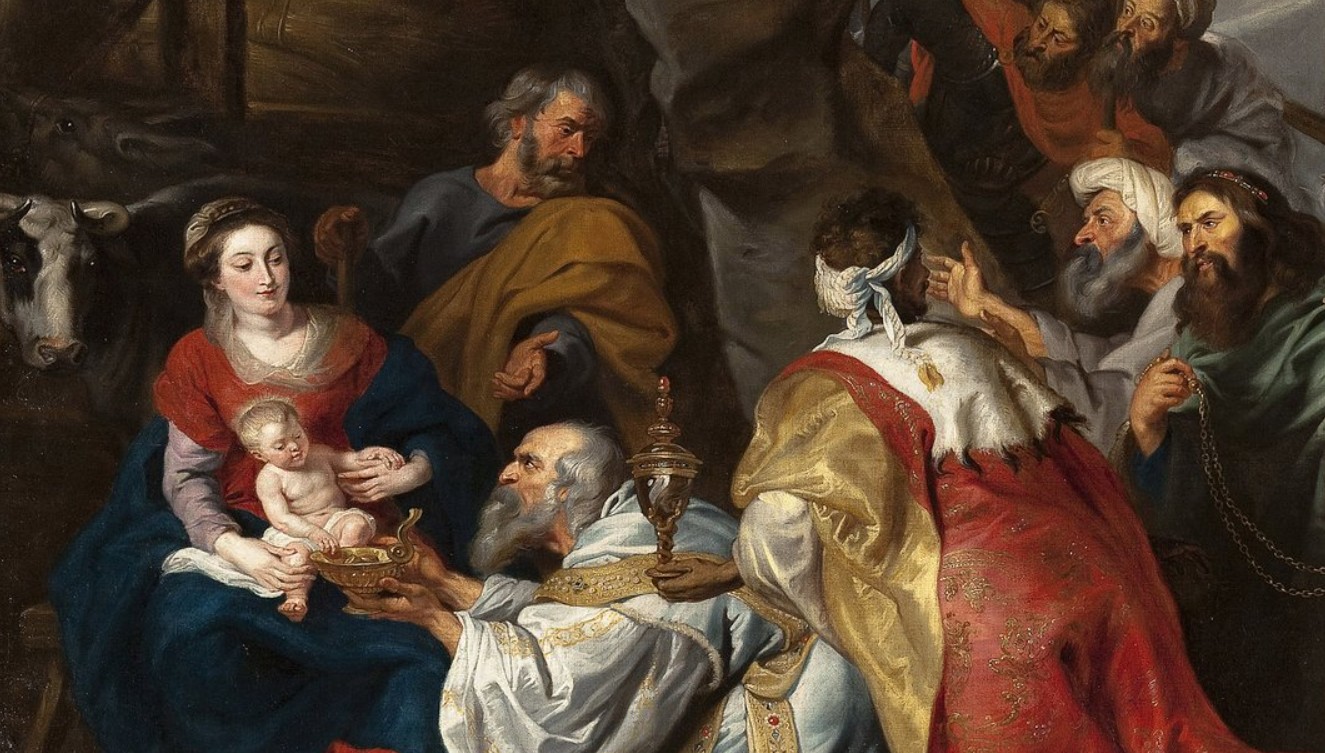
La versione oggi conservata all’Hermitage risale probabilmente intorno al 1620 ed è un olio su tela di grandi dimensioni, concepito per uno spazio prestigioso. Come spesso accade nelle opere monumentali di Rubens, il dipinto fu realizzato con il contributo della sua bottega, sotto il controllo diretto del maestro.
Entrata nelle collezioni imperiali russe nel XVIII secolo, l’opera narra il grande interesse di Caterina II per la pittura europea e per il linguaggio barocco.
La composizione
Dal punto di vista compositivo, l’Adorazione dei Magi di Rubens colpisce per la sua struttura dinamica e affollata.
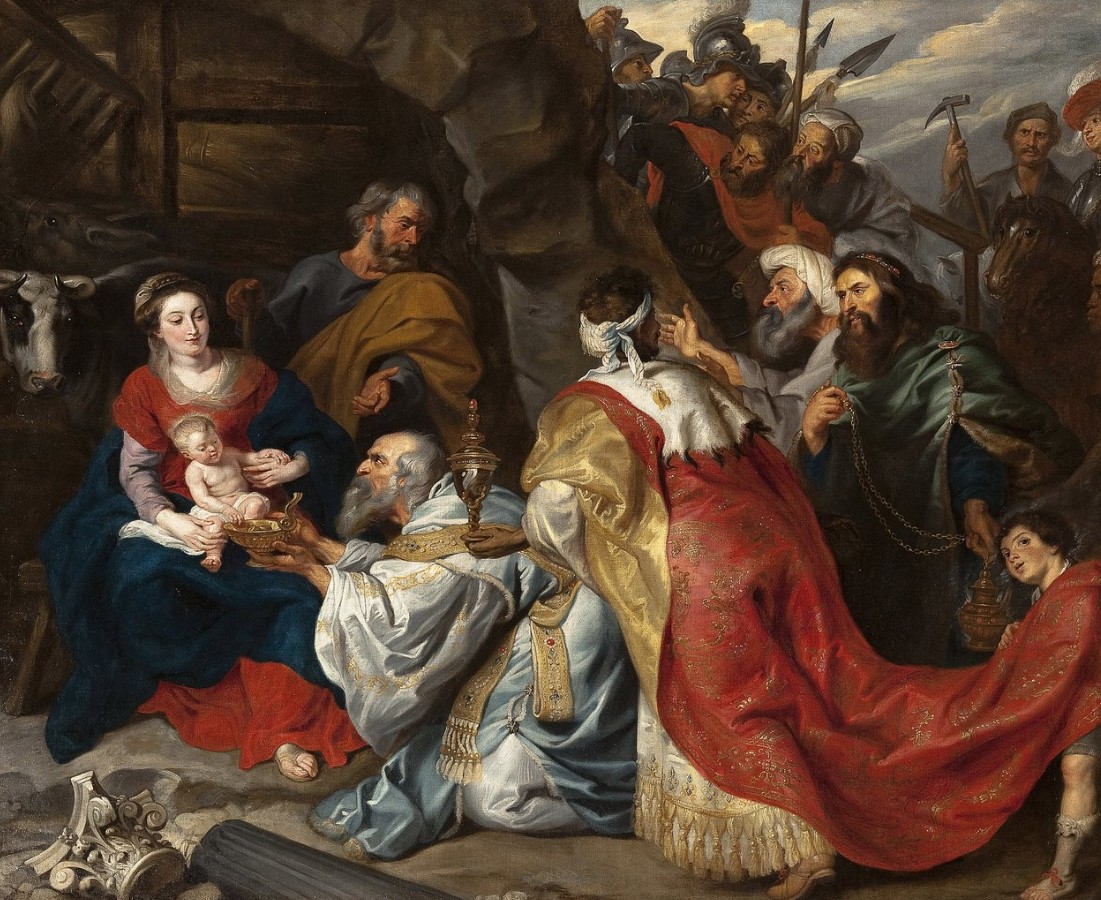
Al centro della scena si trova il Bambino Gesù, fulcro spirituale e visivo dell’opera, presentato dalla Vergine Maria con un gesto solenne e misurato. Attorno a loro si muove una moltitudine di figure, tra cui spiccano i Tre Re Magi, raffigurati in atteggiamenti diversi, ciascuno caratterizzato da un’espressione e da una postura specifica.
La scena è costruita su un equilibrio di pieni e vuoti, di luci e ombre, che guida lo sguardo verso il cuore del mistero natalizio.
Luce e movimento
Uno degli elementi più affascinanti del dipinto è l’uso magistrale della luce. Rubens non utilizza una luce naturalistica, ma simbolica, che avvolge il Bambino e illumina i protagonisti principali, lasciando il resto della scena in una penombra carica di tensione emotiva.
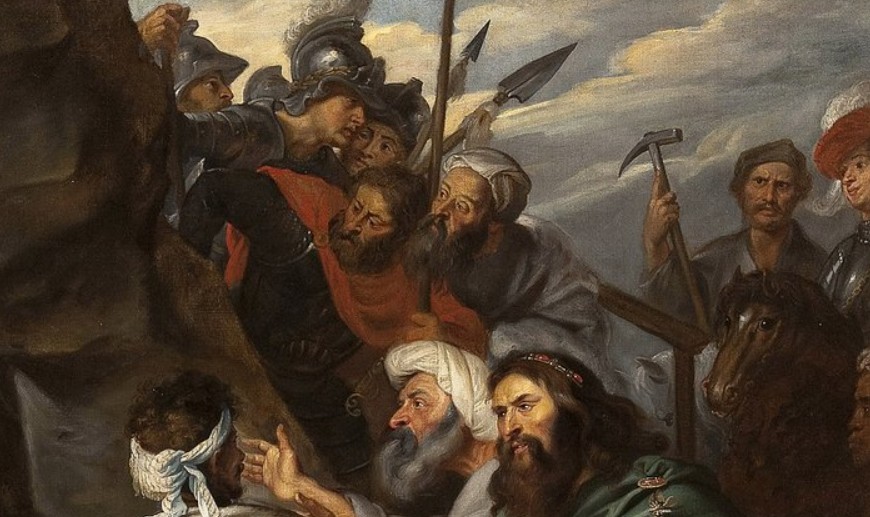
Il colore è caldo, intenso, dominato da rossi profondi, ori luminosi e bruni avvolgenti, che conferiscono all’opera una straordinaria ricchezza materica. I tessuti preziosi, le armature, i gioielli e i doni dei Magi sono resi con una pittura vibrante, capace di restituire il senso del lusso e della magnificenza.
La simbologia
Il significato simbolico dell’Adorazione dei Magi è centrale nel contesto del Natale. I doni offerti al Bambino non sono semplici oggetti, ma allusioni teologiche profonde: l’oro richiama la regalità di Cristo, l’incenso la sua natura divina, la mirra prefigura la sofferenza e la morte. Rubens riesce a tradurre questi concetti astratti in immagini potenti, rendendo visibile il mistero della fede attraverso il linguaggio dell’arte.
Per i momento il sempre vostro Michelangelo Buonarroti vi saluta dandovi appuntamento ai prossimi post e sui social.
Gold, Light, and Expectation: Rubens’s Adoration of the Magi at the Hermitage
At the heart of the collections of the State Hermitage Museum in St. Petersburg lies one of the most intense and spectacular interpretations of the Epiphany: The Adoration of the Magi by Peter Paul Rubens.
This monumental painting, created in the early decades of the 17th century, represents one of the high points of Baroque painting and an extraordinary visual reflection on the profound meaning of the Christian Christmas.
The Encounter of East and West in the Adoration of the Magi
Peter Paul Rubens, the undisputed master of the Flemish Baroque, addressed the subject of the Adoration of the Magi several times throughout his career. The theme, drawn from the Gospel of Matthew, offered him the opportunity to combine the sacred narrative with a sumptuous and theatrical composition capable of engaging the viewer. For Rubens, the Adoration represents the revelation of Christ to the entire world, symbolized by the presence of the Three Kings from distant lands.
The version now preserved in the Hermitage probably dates back to around 1620 and is a large oil on canvas, conceived for a prestigious space. As often happens with Rubens’s monumental works, the painting was created with the assistance of his workshop, under the direct supervision of the master.
Having entered the Russian imperial collections in the 18th century, the work demonstrates Catherine II’s great interest in European painting and the Baroque language.
The Composition
Compositionally, Rubens’s Adoration of the Magi is striking for its dynamic and crowded structure.
At the center of the scene is the Infant Jesus, the spiritual and visual fulcrum of the work, presented by the Virgin Mary with a solemn and measured gesture. A multitude of figures move around them, most notably the Three Wise Men, depicted in different poses, each characterized by a specific expression and posture.
The scene is constructed on a balance of solids and voids, light and shadow, which guides the gaze to the heart of the Christmas mystery.
Light and Movement
One of the most fascinating elements of the painting is the masterful use of light. Rubens does not use naturalistic light, but symbolic, which envelops the Child and illuminates the main characters, leaving the rest of the scene in a shadow charged with emotional tension.
The color is warm and intense, dominated by deep reds, luminous golds, and enveloping browns, giving the work an extraordinary textural richness. The precious fabrics, armor, jewels, and gifts of the Magi are rendered with vibrant painting, capable of conveying a sense of luxury and magnificence.
Symbolism
The symbolic meaning of the Adoration of the Magi is central to the context of Christmas. The gifts offered to the Child are not simple objects, but profound theological allusions: gold recalls Christ’s royalty, incense his divine nature, myrrh prefigures suffering and death. Rubens manages to translate these abstract concepts into powerful images, making the mystery of faith visible through the language of art.
For now, yours truly, Michelangelo Buonarroti bids you farewell, saying he’ll see you in future posts and on social media.

Sostienici – Support Us
Se questo blog ti piace e ti appassiona, puoi aiutarci a farlo crescere sempre più sostenendoci in modo concreto condividendo i post, seguendo le pagine social e con un contributo che ci aiuta ad andare avanti con il nostro lavoro di divulgazione. . ENGLISH: If you like and are passionate about this blog, you can help us make it grow more and more by supporting us in a concrete way by sharing posts, following social pages and with a contribution that helps us to move forward with our dissemination work.
10,00 €
Articoli
Condividi:


Questo sono io




sostienici

Sostienici – Support Us
Se questo blog ti piace e ti appassiona, puoi aiutarci a farlo crescere sempre più sostenendoci in modo concreto condividendo i post, seguendo le pagine social e con un contributo che ci aiuta ad andare avanti con il nostro lavoro di divulgazione. . ENGLISH: If you like and are passionate about this blog, you can help us make it grow more and more by supporting us in a concrete way by sharing posts, following social pages and with a contribution that helps us to move forward with our dissemination work.
€10,00


Certi dettagli lasciano davvero senza parole! 👍👍👍👍👍👍👍👍👍👏👏👏👏👏👏👏👏
"Mi piace"Piace a 1 persona
bellissimi
"Mi piace"Piace a 1 persona