

Il 2026 sarà l’anno del Barocco: al Museo di San Domenico a Forlì oltre 200 opere
Nel febbraio 2026, il Museo San Domenico di Forlì ospiterà una mostra di grande rilevanza dedicata al Barocco, il movimento artistico che ha profondamente influenzato l’arte e la cultura occidentale.
L’esposizione presenterà circa 200 opere straordinarie, provenienti da gallerie prestigiose e collezioni private e sarà promossa dalla Fondazione di Forlì e dall’Amministrazione comunale.
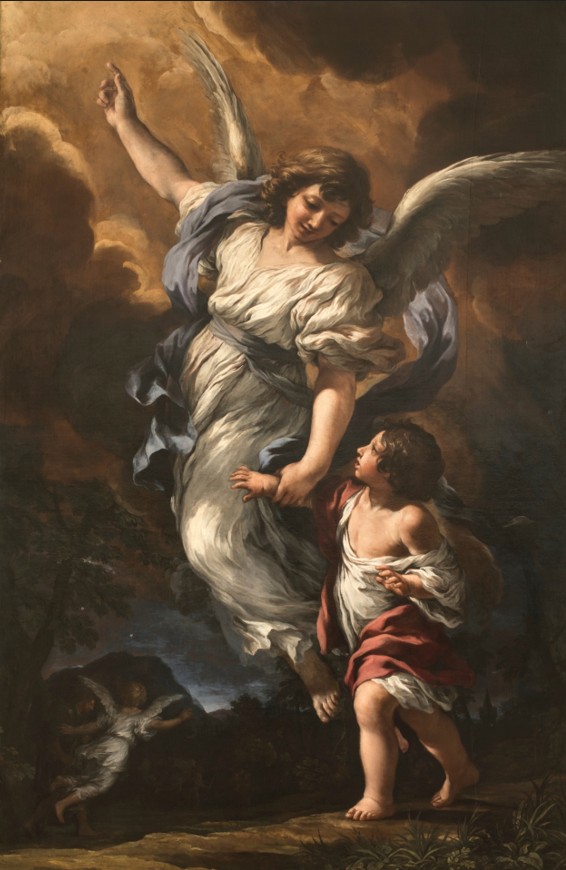
L’intento della mostra è quello di esplorare e celebrare l’impatto duraturo del Barocco non solo sull’arte del tempo, ma anche sulla sua capacità di influenzare l’arte moderna e contemporanea, mettendo in luce il legame intricato tra le crisi storiche e culturali e le espressioni artistiche di quel periodo.
Il Barocco, che si sviluppò tra la fine del Cinquecento e l’inizio del Seicento a Roma, è caratterizzato da una significativa fioritura artistica sostenuta dalla Riforma cattolica e dalla Controriforma.
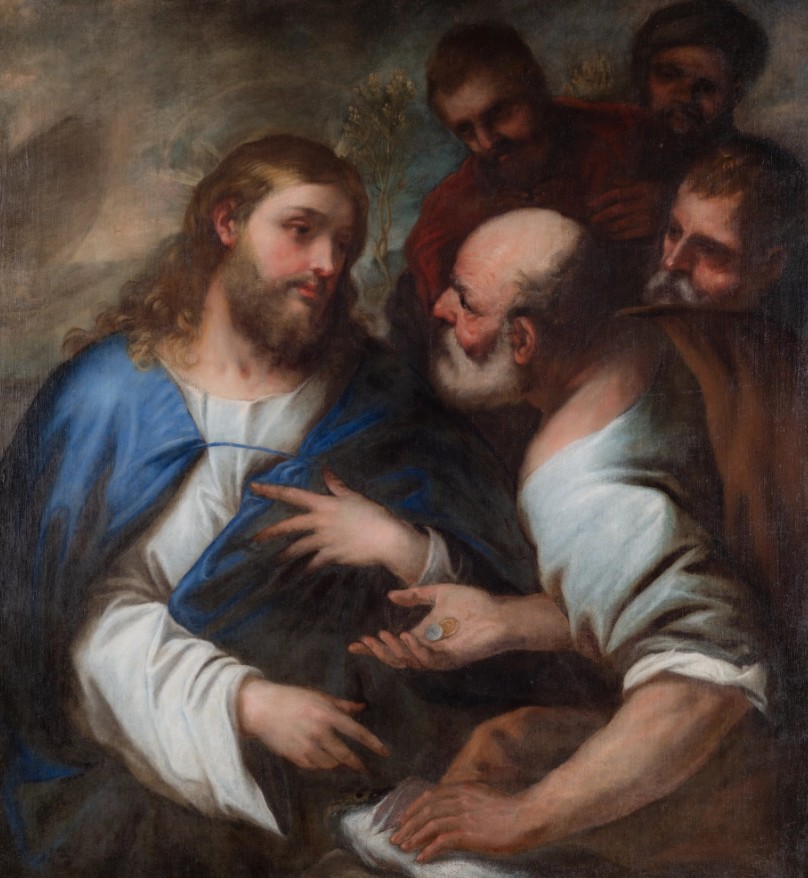
Questa era storica vide la nascita di una nuova estetica, contrapposta ai rigidismi del Rinascimento e vide emergere grandi maestri come Caravaggio, Bernini e Borromini, i cui lavori trasformarono il paesaggio artistico dell’epoca.
Questi artisti non solo abbellirono chiese e palazzi con le loro opere, ma resero l’arte uno strumento potente di comunicazione e controllo sociale, esprimendo allo stesso tempo la spiritosità e la drammaticità della vita umana.
Roma, come fulcro della produzione artistica, divenne un polo di attrazione per talenti provenienti da tutta Europa. La città riunì diverse correnti artistiche e creò un linguaggio figurativo complesso e riconoscibile.
Il Barocco si distingue per la sua straordinaria capacità di mescolare l’emozione con la rappresentazione della realtà, dando vita a opere di grande impatto visivo e simbolico.
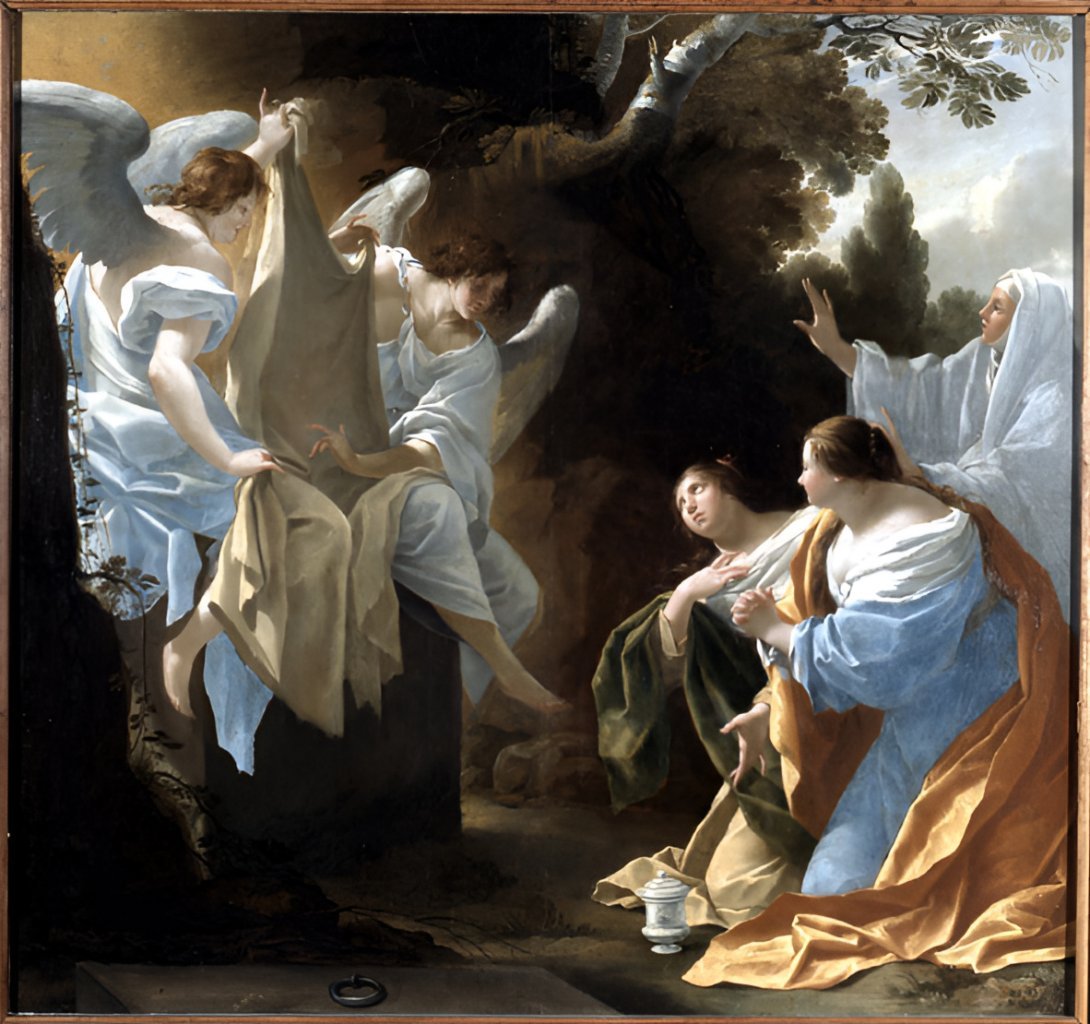
Ogni dipinto, ogni scultura, era concepita per suscitare meraviglia, intimorire e incantare, portando lo spettatore a una riflessione profonda sulla condizione umana e sul divino.
Tra i capolavori esposti vale la pena annoverare quelli di Velázquez, Rembrandt, Salvator Rosa, Artemisia Gentileschi ma anche Luca Giordano, Vouet, i fiamminghi Pieter Paul Rubens, Antoon van Dyck e tanti altri ancora.
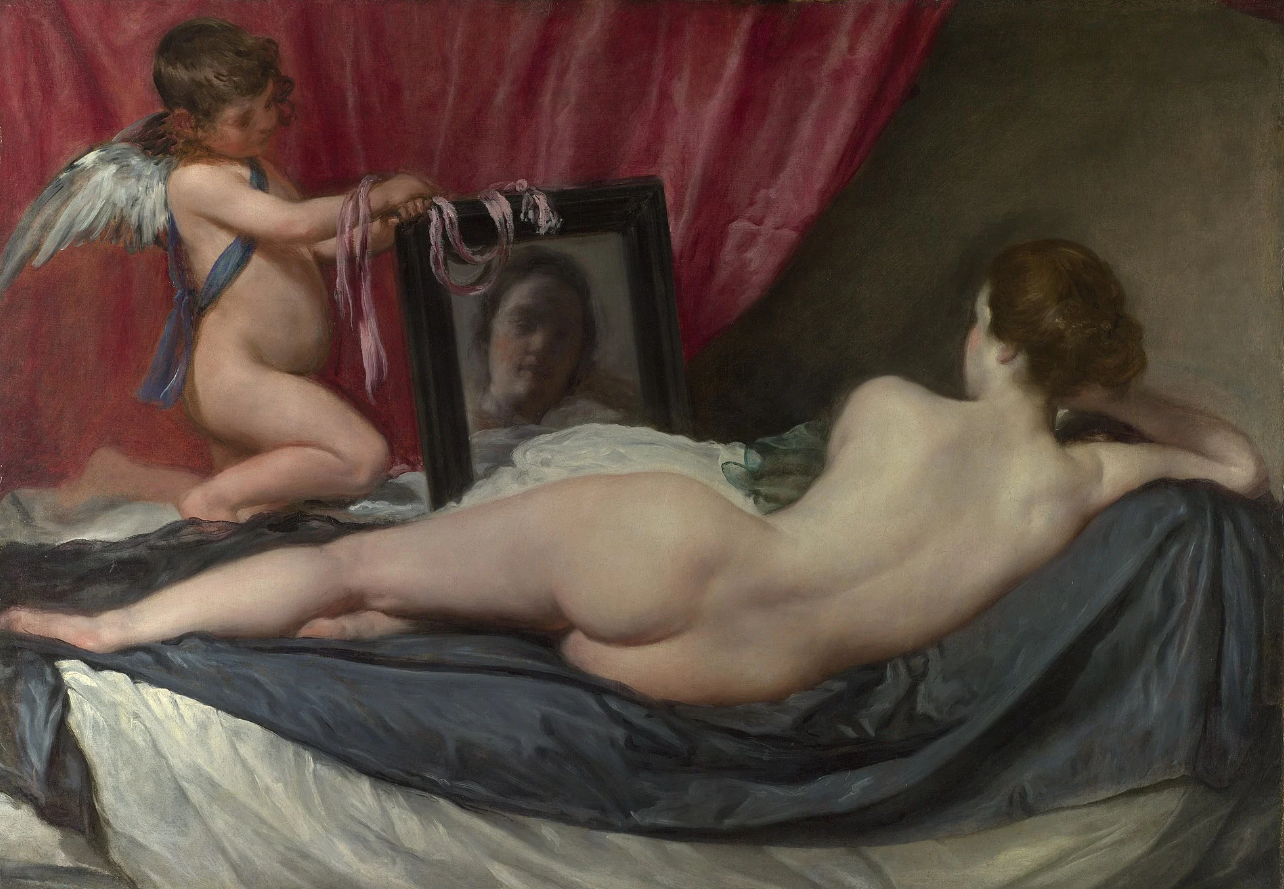
La mostra del 2026 non sarà semplicemente un’esposizione di opere d’arte, ma un’opportunità per riscoprire e rivelare la ricca eredità artistica del Barocco. Sarà un invito per il pubblico a riflettere sull’attualità del Barocco, sul significato profondo che queste opere continuano ad avere nella storia dell’arte e nella cultura contemporanea.
Per il momento il sempre vostro Michelangelo Buonarroti vi saluta dandovi appuntamento ai prossimi post e sui social.
2026 will be the year of the Baroque: over 200 works at the San Domenico Museum in Forlì
In February 2026, the San Domenico Museum in Forlì will host a major exhibition dedicated to the Baroque, an artistic movement that profoundly influenced Western art and culture.
The exhibition will feature approximately 200 extraordinary works from prestigious galleries and private collections and will be promoted by the Forlì Foundation and the Municipal Administration.
The aim of the exhibition is to explore and celebrate the lasting impact of the Baroque not only on the art of its time, but also on its capacity to influence modern and contemporary art, highlighting the intricate connection between historical and cultural crises and the artistic expressions of that period.
The Baroque, which developed between the late 16th and early 17th centuries in Rome, is characterized by a significant artistic flourish, supported by the Catholic Reformation and the Counter-Reformation.
This historical era saw the birth of a new aesthetic, countering the rigidity of the Renaissance, and witnessed the emergence of great masters such as Caravaggio, Bernini, and Borromini, whose works transformed the artistic landscape of the era. These artists not only embellished churches and palaces with their works, but also made art a powerful tool for communication and social control, simultaneously expressing the wit and drama of human life.
Rome, as a hub of artistic production, became a magnet for talent from across Europe. The city brought together diverse artistic movements and created a complex and recognizable figurative language. The Baroque period is distinguished by its extraordinary ability to blend emotion with the representation of reality, resulting in works of great visual and symbolic impact.
Every painting, every sculpture, was conceived to arouse wonder, awe, and enchant, leading the viewer to a profound reflection on the human condition and the divine.
Among the masterpieces on display are those by Velázquez, Rembrandt, Salvator Rosa, Artemisia Gentileschi, but also Luca Giordano, Vouet, the Flemish artists Peter Paul Rubens, Anthony van Dyck, and many others.
The 2026 exhibition will not simply be an exhibition of works of art, but an opportunity to rediscover and reveal the rich artistic legacy of the Baroque. It will be an invitation to the public to reflect on the relevance of the Baroque and on the profound significance these works continue to have in the history of art and contemporary culture.
For now, yours truly, Michelangelo Buonarroti bids you farewell and invites you to join him in future posts and on social media.

Sostienici – Support Us
Se questo blog ti piace e ti appassiona, puoi aiutarci a farlo crescere sempre più sostenendoci in modo concreto condividendo i post, seguendo le pagine social e con un contributo che ci aiuta ad andare avanti con il nostro lavoro di divulgazione. . ENGLISH: If you like and are passionate about this blog, you can help us make it grow more and more by supporting us in a concrete way by sharing posts, following social pages and with a contribution that helps us to move forward with our dissemination work.
10,00 €
Condividi:


Questo sono io





sostienici

Sostienici – Support Us
Se questo blog ti piace e ti appassiona, puoi aiutarci a farlo crescere sempre più sostenendoci in modo concreto condividendo i post, seguendo le pagine social e con un contributo che ci aiuta ad andare avanti con il nostro lavoro di divulgazione. . ENGLISH: If you like and are passionate about this blog, you can help us make it grow more and more by supporting us in a concrete way by sharing posts, following social pages and with a contribution that helps us to move forward with our dissemination work.
€10,00


