

Lorenzino de’ Medici come Bruto
La notte del 6 gennaio del 1537, nel giorno dedicato all’Epifania, Lorenzino de’ Medici mise fine all’esistenza del cugino: il Duca Alessandro de’ Medici.
Quell’impresa truce fu interpretata dai fuoriusciti fiorentini come tirannicidio: Lorenzino aveva tolto di mezzo il tiranno così come Bruto aveva tolto di mezzo il despota Cesare.

Addirittura, nel Nord Italia, fu coniata una moneta commemorativa di quel gesto. Una sorta di replica della moneta voluta da Bruto per ricordare l’uccisione di Cesare.
Sul recto fu messo il ritratto di Lorenzino di profilo, abbigliato come un imperatore romano, mentre sul verso fu posto un berretto frigio, simbolo della libertà, tra due pugnali sfoderati.
Certo è che Lorenzino fu animato nel compiere quell’atto anche da un ardente desiderio di gloria, emulando un eroe classico. Nell’apologia che lui stesso scrisse, paragonò il duca Alessandro a Nerone, a Caligola e finanche a Falaride.
Mise invece se stesso nei panni di Timolene.
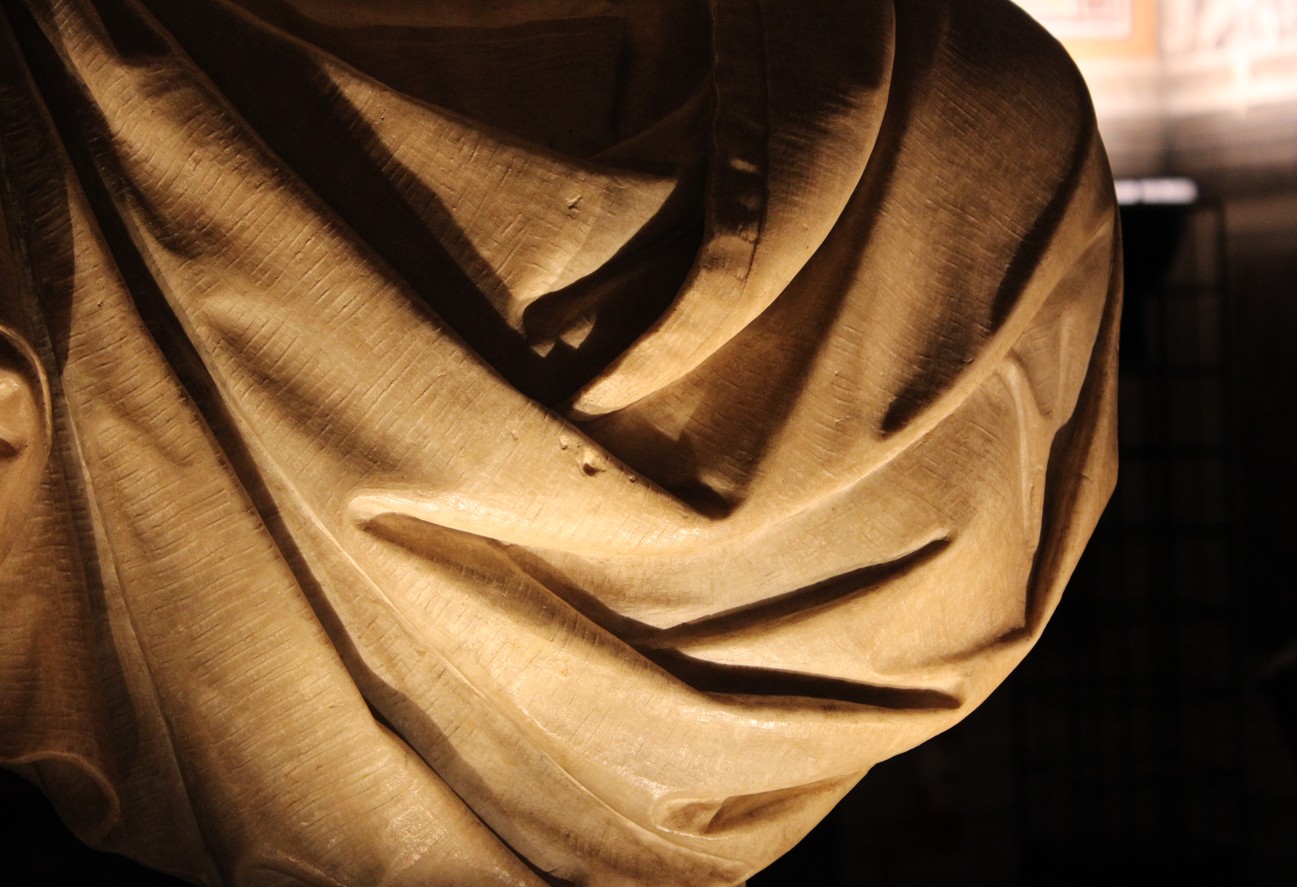
Non era certo un personaggio che amava stare nell’ombra ma a tutti i costi volle mettersi i riflettori addosso.
“Vegga ancora con quante laude e’ celebrano Bruto, talchè, non potendo biasimare quello (Cesare). per la sua potenza, ei celebravano il nimico suo” – Machiavelli
Nel 1539 Donati Giannotti, fuoriuscito fiorentino e ultimo segretario dei Dieci a Firenze, venne a Roma per entrare al servizio del cardinale Ridolfi. Fu allora che mi commissionò il busto del Bruto per regalarlo al cardinale.

Il Ridolfi che tanto amava l’arte e serbava un rispetto infinito per tutto il mondo della cultura, era stato anche lui uno dei principali oppositori dei despoti Medici.
Ecco perché il Giannotti volle regalargli quel busto che ricordava palesemente l’atto tirannicida compiuto da Lorenzino de’ Medici.
Per il momento il sempre vostro Michelangelo Buonarroti vi saluta dandovi appuntamento ai prossimi post e sui social.
Lorenzino de’ Medici as Brutus
On the night of January 6, 1537, the day dedicated to the Epiphany, Lorenzino de’ Medici put an end to the existence of his cousin: Duke Alessandro de’ Medici.
That cruel deed was interpreted by the Florentine exiles as tyrannicide: Lorenzino had eliminated the tyrant just as Brutus had eliminated the despot Caesar.
In fact, in Northern Italy, a commemorative coin was minted for that gesture. It was a sort of replica of the coin wanted by Brutus to commemorate the killing of Caesar. On the obverse was placed the portrait of Lorenzino in profile, dressed as a Roman emperor, while on the reverse was placed a Phrygian cap, symbol of freedom, between two unsheathed daggers.
It is certain that Lorenzino was also animated in carrying out that act by an ardent desire for glory, emulating a classical hero. In the apologia he himself wrote, he compared Duke Alexander to Nero, Caligula and even Phalaris. Instead, he put himself in the shoes of Timolene.
He was certainly not a character who liked to stay in the shadows but at all costs he wanted to put the spotlight on himself.
“See also with how much praise they celebrate Brutus, so that, not being able to blame him (Caesar) for his power, they celebrated his enemy” – Machiavelli
In 1539 Donati Giannotti, a Florentine exile and the last secretary of the Ten in Florence, came to Rome to enter the service of Cardinal Ridolfi. It was then that he commissioned me to make a bust of Brutus to give to the cardinal.
Ridolfi, who loved art so much and had an infinite respect for the entire world of culture, had also been one of the main opponents of the Medici despots. That’s why Giannotti wanted to give him that bust that clearly recalled the tyrannicidal act committed by Lorenzino de’ Medici.
For the moment, yours ever Michelangelo Buonarroti bids you farewell, making an appointment with you in the next posts and on social media.

Sostienici – Support Us
Se questo blog ti piace e ti appassiona, puoi aiutarci a farlo crescere sempre più sostenendoci in modo concreto condividendo i post, seguendo le pagine social e con un contributo che ci aiuta ad andare avanti con il nostro lavoro di divulgazione. . ENGLISH: If you like and are passionate about this blog, you can help us make it grow more and more by supporting us in a concrete way by sharing posts, following social pages and with a contribution that helps us to move forward with our dissemination work.
10,00 €
Condividi:


Questo sono io





sostienici

Sostienici – Support Us
Se questo blog ti piace e ti appassiona, puoi aiutarci a farlo crescere sempre più sostenendoci in modo concreto condividendo i post, seguendo le pagine social e con un contributo che ci aiuta ad andare avanti con il nostro lavoro di divulgazione. . ENGLISH: If you like and are passionate about this blog, you can help us make it grow more and more by supporting us in a concrete way by sharing posts, following social pages and with a contribution that helps us to move forward with our dissemination work.
€10,00


1 commento »