

8 marzo 1494: venne al mondo il Rosso Fiorentino
Era l’8 marzo del 1494 quando nacque in quel di Firenze Giovan Battista di Jacopo di Gasparre che passerà poi alla storia con il nome di Rosso Fiorentino, un soprannome dato probabilmente per il colore dei suoi capelli.
“… lui era sempre molto poetico nella composizione delle sue figure, audace e ben radicata nella sua progettazione, con uno stile affascinante e mozzafiato fantasia …” scrisse il Vasari del Rosso Fiorentino nelle Vite.
Sempre il mio caro amico Giorgio Vasari lo descrisse come un uomo assai bello, appassionato di letteratura e di musica.
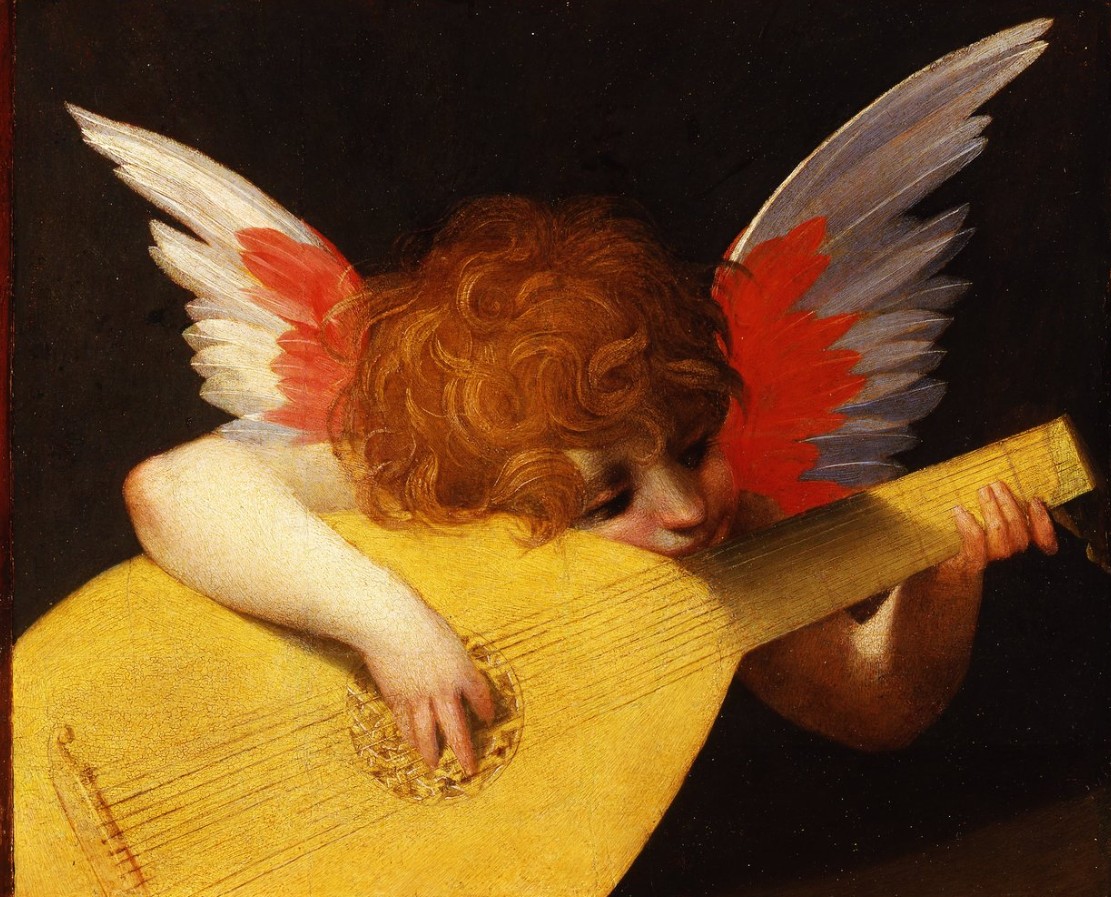
Assieme al Pontormo fu un ragazzo di bottega di Andrea del Sarto e con lui lavorerà poi nella Santissima Annunziata a Firenze. Proprio per questo complesso affrescherà due stemmi all’interno della camera generale dei frati Serviti e l’Assunzione della Vergine nel chiostrino dei voti.
Già nelle sue prime opere, emerge il suo talento prorompente con quei colori intensi. Il suo stile è caratterizzato da una forte espressività, con figure che trasmettono spesso un senso di inquietudine e tensione.
Il Rosso Fiorentino ebbe un ruolo fondamentale nello sviluppo del Manierismo, influenzando numerosi artisti successivi.
Tra le sue opere più intense, vale la pena menzionare la straziante Deposizione, sottoposta recentemente a un accurato restauro che si è concluso nel maggio 2023.
L’opera fu eseguita a Sansepolcro dove l’artista, fuggito nel 1527 dal Sacco di Roma, aveva trovato rifugio.

Secondo il Vasari, ricevette questa preziosa occasione di lavoro alla generosa rinuncia del pittore biturgense Raffaellino del Colle che, in un primo tempo, aveva ricevuto l’incarico per il dipinto dalla Compagnia di Santa Croce “acciò che in quella città rimanesse qualche reliquia di suo”; ma anche grazie alle raccomandazioni del vescovo Leonardo Tornabuoni al quale il pittore era legato da vincoli professionali e di amicizia.
Il Rosso aveva già rappresentato il tema della Deposizione nella bella tavola di Volterra (1521), ma la critica riconosce nell’esemplare di Sansepolcro una più cupa drammaticità.
Per il momento il sempre vostro Michelangelo Buonarroti vi saluta dandovi appuntamento ai prossimi post e sui social.
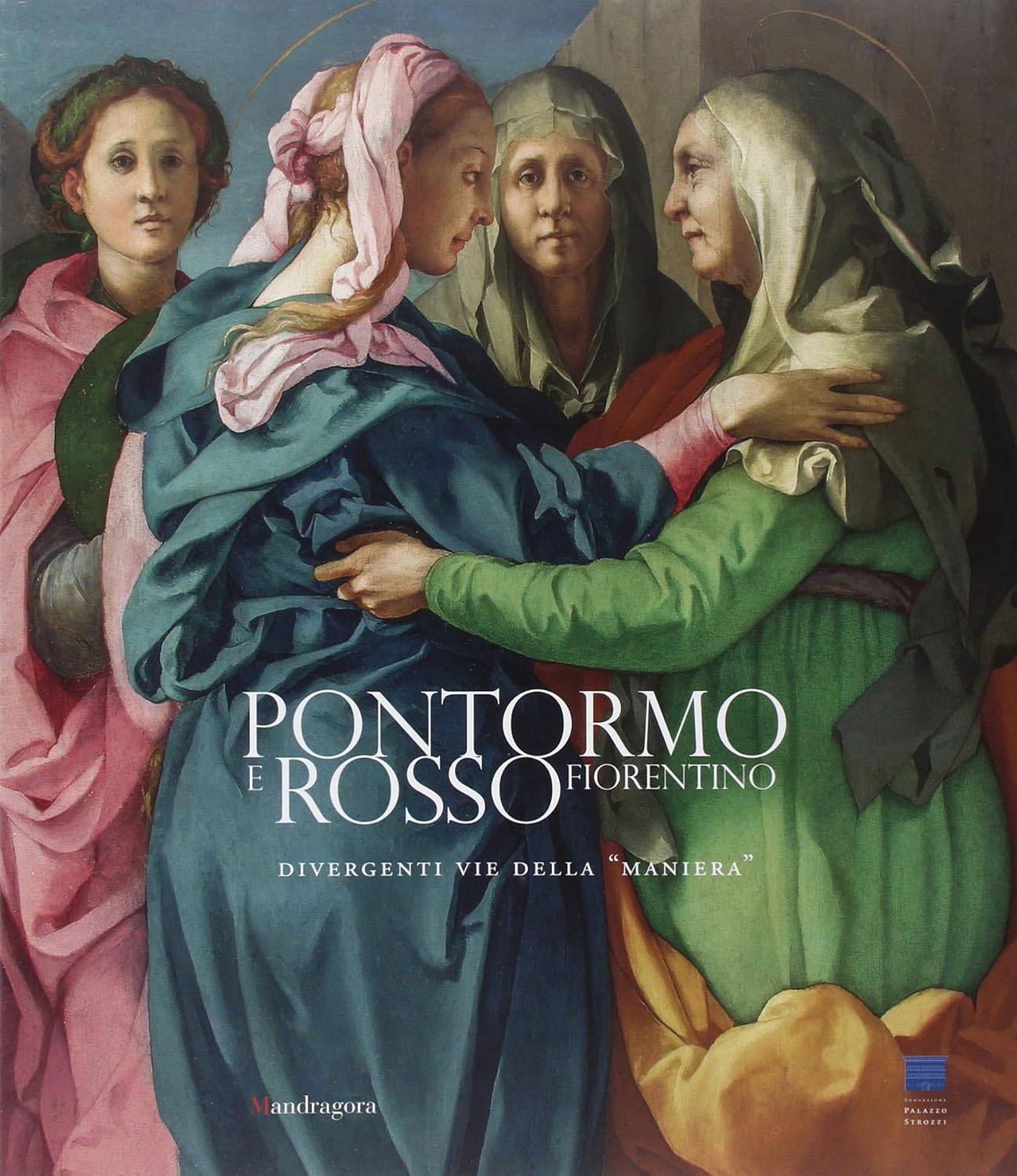
March 8, 1494: Rosso Fiorentino was born
It was March 8, 1494 when Giovan Battista di Jacopo di Gasparre was born in Florence, who would later go down in history with the name Rosso Fiorentino, a nickname probably given to him because of the color of his hair.
“… he was always very poetic in the composition of his figures, bold and well-rooted in his design, with a fascinating style and breathtaking imagination …” wrote Vasari of Rosso Fiorentino in his Lives.
My dear friend Giorgio Vasari also described him as a very handsome man, passionate about literature and music.
Together with Pontormo, he was a boy in Andrea del Sarto’s workshop and would later work with him in the Santissima Annunziata in Florence. It was for this complex that he frescoed two coats of arms inside the general room of the Servite friars and the Assumption of the Virgin in the cloister of vows.
Already in his first works, his bursting talent emerges with those intense colors. His style is characterized by a strong expressiveness, with figures that often convey a sense of restlessness and tension.
Rosso Fiorentino played a fundamental role in the development of Mannerism, influencing many subsequent artists.
Among his most intense works, it is worth mentioning the heartbreaking Deposition, recently subjected to a careful restoration that ended in May 2023.
The work was executed in Sansepolcro where the artist, fleeing in 1527 from the Sack of Rome, had found refuge.
According to Vasari, he received this precious opportunity for work thanks to the generous renunciation of the Biturgian painter Raffaellino del Colle who, at first, had received the commission for the painting from the Company of Santa Croce “so that some relic of his would remain in that city”; but also thanks to the recommendations of the bishop Leonardo Tornabuoni to whom the painter was linked by professional and friendship bonds.
Rosso had already represented the theme of the Deposition in the beautiful panel of Volterra (1521), but critics recognize a darker drama in the example of Sansepolcro.
For the moment, yours ever Michelangelo Buonarroti bids you farewell, making an appointment with you in the next posts and on social media.


Sostienici – Support Us
Se questo blog ti piace e ti appassiona, puoi aiutarci a farlo crescere sempre più sostenendoci in modo concreto condividendo i post, seguendo le pagine social e con un contributo che ci aiuta ad andare avanti con il nostro lavoro di divulgazione. . ENGLISH: If you like and are passionate about this blog, you can help us make it grow more and more by supporting us in a concrete way by sharing posts, following social pages and with a contribution that helps us to move forward with our dissemination work.
10,00 €
Condividi:


Questo sono io





sostienici

Sostienici – Support Us
Se questo blog ti piace e ti appassiona, puoi aiutarci a farlo crescere sempre più sostenendoci in modo concreto condividendo i post, seguendo le pagine social e con un contributo che ci aiuta ad andare avanti con il nostro lavoro di divulgazione. . ENGLISH: If you like and are passionate about this blog, you can help us make it grow more and more by supporting us in a concrete way by sharing posts, following social pages and with a contribution that helps us to move forward with our dissemination work.
€10,00


