
Il dipinto del Giorno: Circe invidiosa di Waterhouse
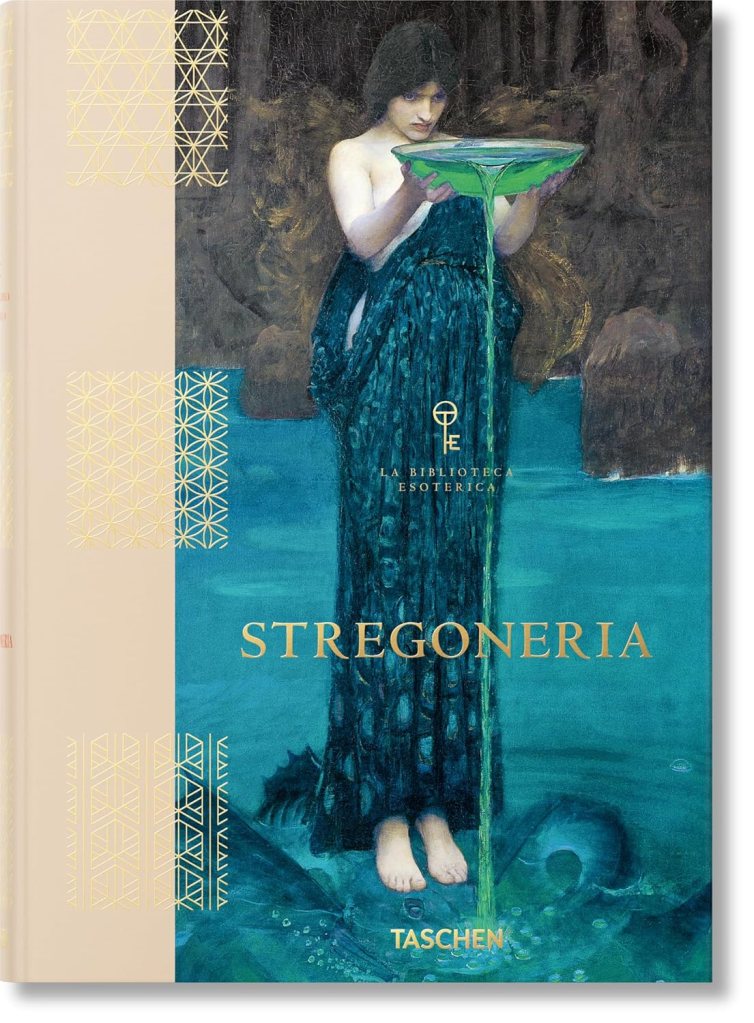
L’opera che voglio proporvi oggi ha un fascino tutto particolare: si tratta della Circe invidiosa dipinta dal pittore preraffaellita John William Waterhouse nel 1892, appartenente alla Art Gallery of South Australia.
Il soggetto scelto da Waterhouse dipinto a olio è ripreso direttamente dalle Metamorfosi di Ovidio.
Glauco, divinità marina, si invaghì di Scilla, ninfa delle acque. Lei però di lui non ne voleva sapere e chiese aiuto a Circe.
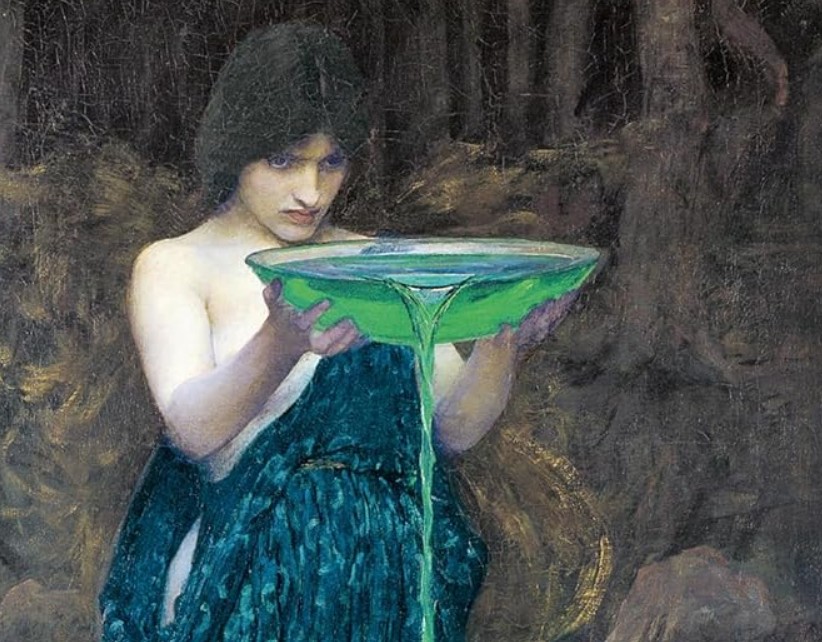
Circe però si innamorò di Glauco il quale la rifiutò. Accecata dalla rabbia, Circe si vendicò contro Scilla. Waterhouse dipinse proprio la maga mentre versa il veleno color verde smeraldo nelle acque in cui Scilla era solita fare il bagno.
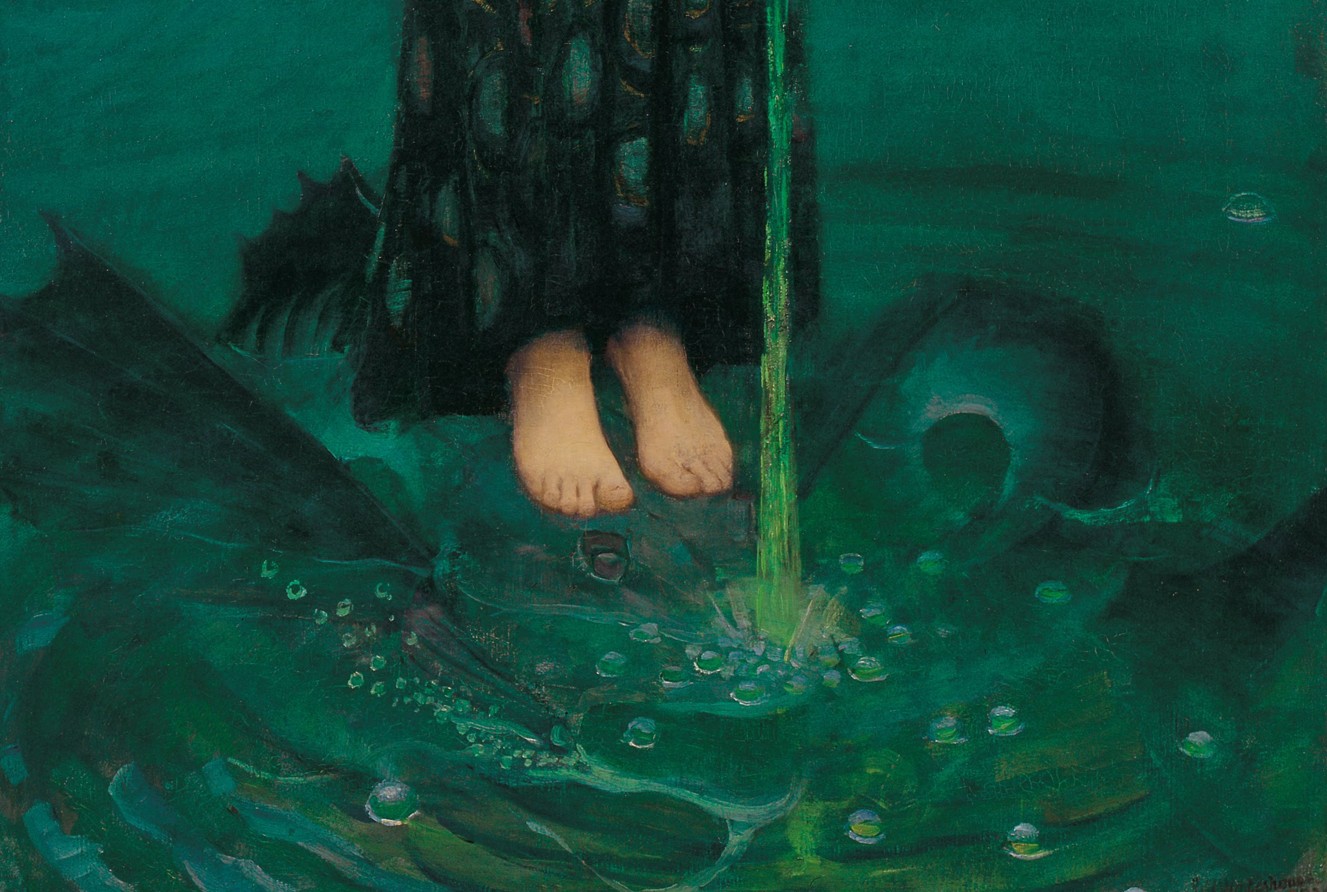
Lei, immergendosi, iniziò a trasformarsi in mostro marino e le sue forme si iniziano a intravedere sotto i piedi di Circe.
Al centro della scena però non c’è la trasformazione di Scilla ma lo sguardo crudele e deciso di Circe. Quello sguardo possessivo che diventa protagonista della scena, è il motore che innesca l’azione della perfida donna.
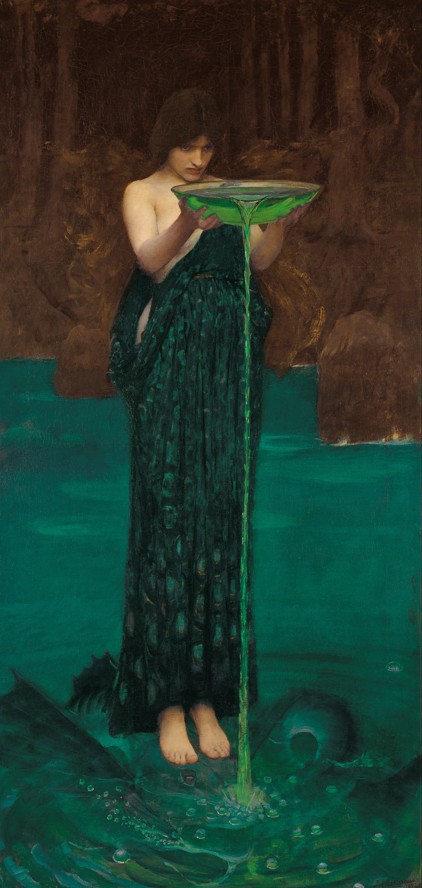
Waterhouse non permise alla malvagia di stravolgere i tratti di circe ma anzi, ne enfatizzò la sua bellezza mettendo in luce il fascino del male.
Anthony Hobson volle descrivere il meraviglioso dipinto in questi termini “investito di un’aura di minaccia che ha molto a che fare con la potente combinazione di colori, dei verdi profondi e dei blu così ben impiegati“.
Per il momento il sempre vostro Michelangelo Buonarroti vi saluta dandovi appuntamento ai prossimi post e sui social.
Painting of the Day: Circe enviosa by Waterhouse
The work I want to show you today has a very special charm: it is the Circe enviosa painted by the Pre-Raphaelite painter John William Waterhouse in 1892, belonging to the Art Gallery of South Australia.
The subject chosen by Waterhouse painted in oil is taken directly from Ovid’s Metamorphoses. Glaucus, a marine deity, fell in love with Scylla, a water nymph. However, she did not want to know about him and asked Circe for help.
However, Circe fell in love with Glaucus who rejected her. Blinded by anger, Circe took revenge on Scylla. Waterhouse painted the sorceress while pouring emerald green poison into the waters where Scylla used to bathe.
As she immersed herself, she began to transform into a sea monster and her forms can be glimpsed under Circe’s feet.
At the center of the scene, however, is not Scylla’s transformation but Circe’s cruel and determined gaze. That possessive gaze that becomes the protagonist of the scene is the engine that triggers the action of the wicked woman.
Waterhouse did not allow the wicked to distort Circe’s features but rather, emphasized her beauty by highlighting the charm of evil.
Anthony Hobson wanted to describe the wonderful painting in these terms “invested with an aura of menace that has much to do with the powerful combination of colors, deep greens and blues so well used”.
For the moment, the always your Michelangelo Buonarroti bids you farewell, giving you an appointment for the next posts and on social media.

Sostienici – Support Us
Se questo blog ti piace e ti appassiona, puoi aiutarci a farlo crescere sempre più sostenendoci in modo concreto condividendo i post, seguendo le pagine social e con un contributo che ci aiuta ad andare avanti con il nostro lavoro di divulgazione. . ENGLISH: If you like and are passionate about this blog, you can help us make it grow more and more by supporting us in a concrete way by sharing posts, following social pages and with a contribution that helps us to move forward with our dissemination work.
10,00 €
Condividi:


Questo sono io





sostienici

Sostienici – Support Us
Se questo blog ti piace e ti appassiona, puoi aiutarci a farlo crescere sempre più sostenendoci in modo concreto condividendo i post, seguendo le pagine social e con un contributo che ci aiuta ad andare avanti con il nostro lavoro di divulgazione. . ENGLISH: If you like and are passionate about this blog, you can help us make it grow more and more by supporting us in a concrete way by sharing posts, following social pages and with a contribution that helps us to move forward with our dissemination work.
€10,00


